Why I started Flower Grove Bloom
It was a Saturday in early May when I realized I didn’t know how to save a dying tomato plant.
The leaves had curled overnight, the stems felt soft when I touched them, and my grandfather’s old gardening book said nothing about what to do when the soil smelled like rot.
I called him—he was in his nineties by then—and he told me to dig it up, wash the roots, and replant it in fresh soil. ‘Prick the soil,’ he said, ‘watch the roots remember.’ Those words stayed with me long after the call ended.
This site is for the people who’ve dug a hole, poured in the wrong kind of compost, and wondered why nothing grew. It’s for the ones who’ve killed basil with too much water or let zucchini vines strangle their neighbors.
Here, you’ll find the kind of gardening that doesn’t rely on perfect conditions—just persistence, a little patience, and the willingness to learn from what dies as much as what lives.
Meet the founder

My grandfather’s hands were rough from decades of kneeling in the dirt, but his fingers were gentle when he showed me how to pinch off the first flowers on a basil plant. ‘Let it grow leaves first,’ he’d say, ‘or you’ll never get the real flavor.’ That lesson stuck—along with the way he’d squint at the sky before predicting rain, or how he’d press a finger into the soil to test if it was ready for seeds.
He never used fancy tools; just a trowel, a watering can, and a notebook where he scribbled what worked and what didn’t.
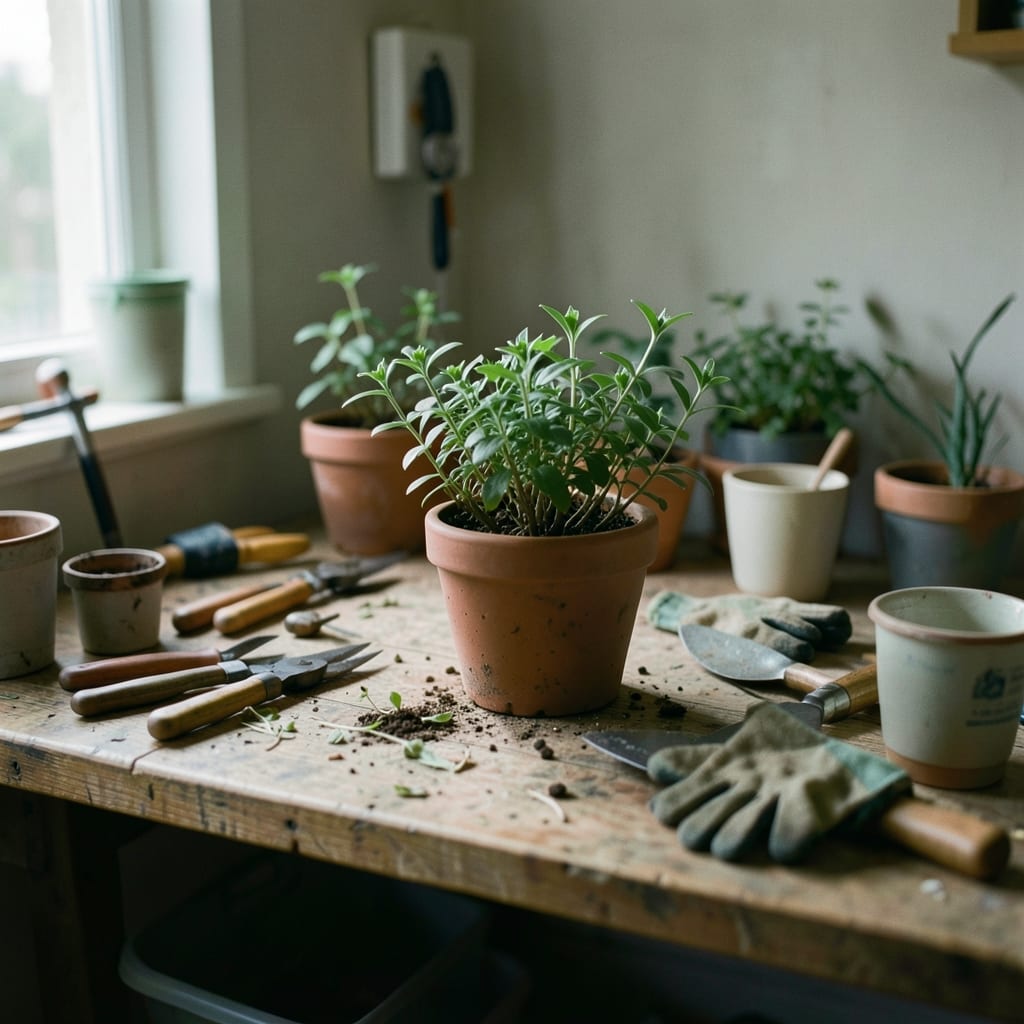
The only thing I still have from his garden is a chipped clay pot, the kind that’s been passed down for generations. It’s got a crack near the rim now, and half the glaze has worn off from years of being dragged from the porch to the garden bed.
I keep it because it’s the one he used to grow his first successful batch of peppers—small, hot, and stubborn. Every time I fill it with seedlings, I remember what he’d say: *‘Plants don’t care how pretty the pot is. They care if you listen.’*
The failure that changed everything happened the year I tried to grow heirloom beans from seed. I followed the packet instructions exactly: planted them two inches deep, watered them daily, and gave them ‘full sun.’ Three weeks in, they’d sprouted—then wilted into sad, yellowed stems.
I dug one up and found the roots tangled in a knot. My grandfather took one look and laughed. ‘You planted them too close,’ he said. ‘And you didn’t loosen the soil first.’ That day, I learned that rules are just starting points.
I still have a habit of talking to my plants when I’m watering them. Not loudly—just enough to hear my own voice over the drip of the hose.
My grandfather did it too, though he’d swear it was just ‘keeping the birds away.’ Maybe it’s superstition, maybe it’s just a way to slow down. But I’ve noticed the tomatoes seem to thrive when I do it. Or maybe I’m just fooling myself. Either way, the basil always listens.
Meet the mascot

The first sketch of what would become the mascot started on a napkin at a diner in rural Pennsylvania, where I was waiting for a bus after a long day of visiting nurseries.
I’d just bought a packet of ‘Black Krim’ tomatoes and was trying to describe their shape to a friend who’d never seen one. The scribble I made looked more like a lopsided blob than a plant, but it had the right stubbornness—like a seedling refusing to give up.
I folded the napkin and tucked it into my pocket.
By the time I got home, I’d drawn it properly on a legal pad, this time with a pencil and a ruler. The roots became jagged lines, the leaves turned into sharp points, and the whole thing leaned slightly to one side, like it was fighting the wind.
I added a single, uneven row of seeds along the bottom—because nothing in a garden is ever perfectly aligned. The problem was, it looked too busy. Too much detail for a logo.
So I stripped it back: one main stem, three leaves, and a root that curled upward, as if reaching for something.
The final version is what you see now—a simple line drawing that still feels alive. It’s supposed to look like it’s growing right out of the page, even when it’s tiny. The name? I called it *Sprout*, because it’s always pushing through something.
And because, like the best plants, it doesn’t need much to survive.
What I promise you
This site isn’t about perfect gardens or Instagram-worthy rows. It’s about the kind of gardening that happens when you’ve got limited space, inconsistent weather, or just no idea what you’re doing.
Here, you’ll find the answers to the questions no one else asks—like how to revive a plant that’s been sitting in a box all winter, or why your compost smells like vinegar.
What you can hold me to
- Every post includes the exact soil mix, tools, and conditions that worked—no ‘use well-draining soil’ without specifying what that means.
- If a method fails, I’ll tell you why and what to try next. No sugarcoating.
- You’ll always find a ‘What Went Wrong’ section in every guide—because the best lessons come from mistakes.
- The advice here is tested in real gardens, not just theory. If it doesn’t work in a 10x10-foot plot with average sunlight, I’ll say so.
How I create a recipe
A recipe here doesn’t start with a seed packet or a Pinterest board. It starts with a problem: a plant that died, a yield that was half what it should’ve been, or a neighbor’s garden that looked effortless while mine looked like a war zone.
I dig into why it happened—too much water? Not enough light? The wrong kind of mulch?—and then I test every possible fix, one at a time.
The soil test
The first step is always pressing a finger into the soil to check its texture. If it’s too tight, I loosen it with a fork until it crumbles easily; if it’s too loose, I add compost and mix it in by hand.
I never use a trowel here—just my fingers, because you can feel the difference between soil that’s ready and soil that’s still fighting you. The real test comes when I water it: if the moisture soaks in evenly, the roots will follow.
If it pools or runs off, I know I’ve got work to do.
I watch for three things after planting: the speed of the first sprouts, the color of the new leaves, and how the stems feel when I touch them. Yellowing leaves mean too much water or not enough sun; soft stems mean rot.
And if nothing happens in three days, I dig one up to check the roots. If they’re dry and brittle, I water again. If they’re mushy, I replant in fresh soil. There’s no guessing—just facts.
The pruning fix
Once the plants are up, the next step is pruning—not to shape them, but to save them.
I cut back any leggy stems to encourage bushier growth, and I snip off the first flowers that appear, even if the seed packet says ‘harvest in 60 days.’ The goal isn’t more blooms; it’s stronger roots.
I use clean, sharp scissors and always make the cut just above a leaf node, where new growth can start. If the plant looks stressed after pruning, I water it deeply and wait. Overwatering now is worse than doing nothing.
The fix for overcrowding is even simpler: I thin the seedlings by hand, pulling the weakest ones at the base so I don’t disturb the roots of the ones I’m keeping. I do this in the early morning, when the soil is damp and the plants are still cool.
If I see aphids or powdery mildew, I treat it immediately with neem oil and a spray bottle—no waiting to see if it ‘gets better.’ In gardening, the only good time to act is now.
How a page gets onto this site
Every post starts as a handwritten note in a small notebook, scribbled in the garden while the soil is still warm under my fingers.
I jot down the exact measurements, the time of day, and what I notice—like how the basil leaves curled when I watered them at noon, or how the tomatoes ripened faster after I moved the pot into partial shade.
Back inside, I type it up, but I never delete the original notes. They’re proof of what actually happened, not what I wish had.
The first draft is always too long. I cut anything that doesn’t answer *why* something worked (or didn’t) and replace it with a clear step. If a method fails in testing, I rewrite the whole section—no exceptions.
And if a page sits unpublished for more than a month, I go back and test it again. Gardens change with the seasons, and so should the advice.
Write to me
I love hearing about the plants that surprised you—whether it was the time your ‘easy’ marigolds died but the ‘weedy’ dandelions thrived, or the neighbor’s tomato plant that grew through a crack in their driveway.
Send me a photo of what grew where it wasn’t supposed to, or tell me about the tool you’ve used for years that no one else talks about. The best lessons come from the things we don’t write down.
If you’ve got a question about saving a struggling plant or dealing with pests without chemicals, ask it. I’ll answer it here, where it can help someone else. And if you just want to share your worst gardening disaster, do that too. We’ve all been there.
Curtis
The guides are grouped by category: Advice, Aphids, Blooming, Companion Plants, Container Gardens and Diseases.