
Flowers
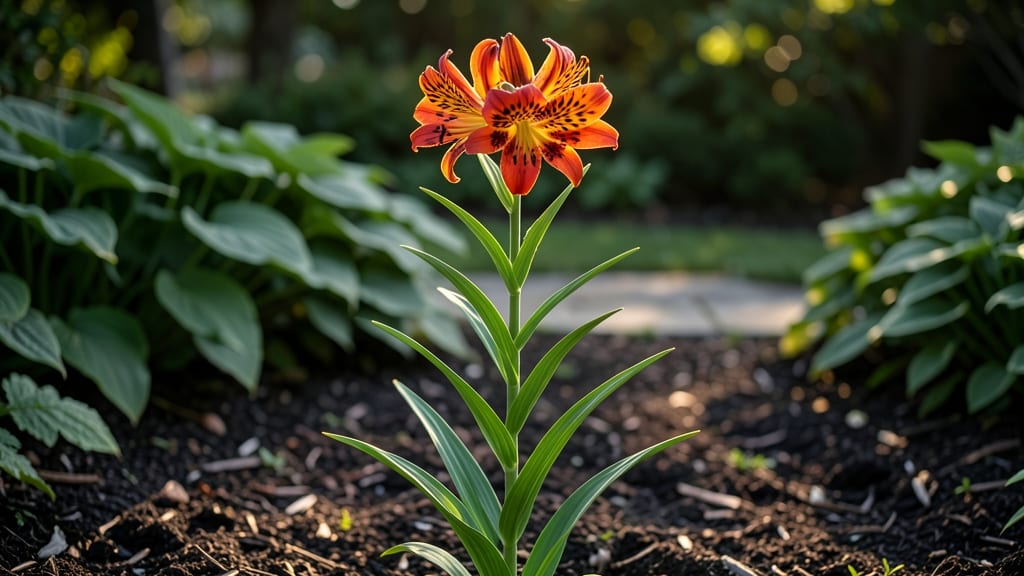
Orange-colored flowers don’t just brighten your garden—they create a sunlit drama that turns heads year-round. 🌻 I’ve designed borders and pollinator patches with these fiery blooms, and the difference is stunning: they draw bees, butterflies, and even hummingbirds while keeping your space vibrant from spring through frost.
The secret isn’t just choosing orange flowers—it’s pairing them with the right colors (think deep reds or soft purples) to make them pop.
You’ll find options for every sunlight condition, from full sun to partial shade, and blooms that last from early spring to late fall. These aren’t just pretty—they’re tough, too, with many varieties thriving with minimal fuss.
My go-to picks include native wildflowers and showstopper ornamentals that handle heat and humidity like champions. The best part? They’ll give your garden that effortless, sun-kissed glow without requiring a green thumb.
Imagine a border that sizzles in summer with daylilies and black-eyed Susans, then transitions to fiery mums and sedum in fall. The colors blend seamlessly, creating movement and depth while attracting pollinators all season.
You’ll spend less time fussing over wilting petals and more time enjoying the show—because these flowers practically take care of themselves once planted right.
Whether you’re revamping a small city balcony or a sprawling backyard, these orange blooms adapt to any space. I’ll walk you through the easiest pairings, seasonal swaps, and low-maintenance tricks to keep them looking fresh. Let’s make your garden the talk of the neighborhood—without the high-maintenance hassle.
📚 In This Guide
- What you need
- Instructions
- Tips and common mistakes
- Wrapping up and next steps
What you need
- ● Orange flowers (plants/seeds/bulbs): 5–10 Calendula seeds or seedlings (annual, drought-tolerant)
- ● 3–5 Marigold plants (French or African varieties for bold color)
- ● 2–3 Dahlia tubers (for late-summer/fall blooms; choose orange hybrids)
- ● 1–2 Crocosmia or Tiger Lily bulbs (perennial, heat-loving)
- ○ Optional: Zinnia or Gazania seeds (fast-growing annuals)
- ● Soil & Fertilizer: 1 bag well-draining potting mix (or garden soil amended with compost)
- ● 1 cup slow-release granular fertilizer (10-10-10 or organic options like fish emulsion)
- ● 1 tbsp Epsom salt (boosts magnesium for vibrant blooms)
- ● Tools: 1 pair gardening gloves (to protect hands from thorns/soil)
- ● 1 trowel or hand shovel (for planting)
- ● 1 watering can (with a rose attachment for gentle watering)
- ● 1 pruners (sterilized, for deadheading)
- ● Design & Care: Mulch (straw or shredded bark to retain moisture)
- ● Stakes or cages (for tall varieties like Dahlias)
- ● Orange-colored garden markers (for a cohesive look!)
- ● Pest Control: Neem oil spray (organic insect repellent)
- ● Ladybugs or beneficial nematodes (for aphid prevention)
- ● Seasonal Prep: Row covers (for early spring/frost protection)
- ● Heat mats (if starting seeds indoors)
How to create a striking year-round display of orange flowers
Here's how to design a vibrant, sunlit garden that thrives through every season.
🌱 Step 1: Select the Right Orange-Blooming Varieties for Your Climate
Start with four distinct orange-flowering plants that complement each other in bloom time and height. For spring color, choose orange daylilies (Hemerocallis)—they're tough, deer-resistant, and rebloom reliably. Pair them with orange coreopsis (Coreopsis verticillata), a drought-tolerant perennial that thrives in full sun and blooms from early summer until frost. For fall interest, add orange marigolds (Tagetes)—annuals that repel pests and attract pollinators while extending your color season.
For year-round structure, include orange-flowering shrubs like abelia (Abelia x grandiflora), which blooms from late spring through fall and handles both heat and cold. These four varieties create a layered display that shifts beautifully as seasons change. I always check each plant's hardiness zone to avoid disappointment—orange flowers won't perform well if they're pushed beyond their comfort range.
☀️ Step 2: Design for Maximum Sun Exposure and Seasonal Flow
Orange flowers demand at least 6 hours of direct sunlight daily—most need more to produce their signature vibrant blooms. Choose a south- or west-facing location and group plants by their sun requirements. Place the coreopsis and marigolds in the sunniest spot, where they'll thrive with full sun exposure. The daylilies and abelia can handle partial shade in hot climates but will produce more blooms with extra sunlight.
Arrange plants in odd-numbered clusters of three or five for visual impact. Place taller varieties like abelia at the back, with mid-height daylilies in the middle, and low-growing marigolds and coreopsis at the front. This creates a natural progression that draws the eye through the season as some plants finish blooming while others begin. I always sketch a rough layout first—it saves time rearranging later when plants outgrow their spots.
💧 Step 3: Prepare Soil and Plant for Longevity
Orange flowers perform best in well-draining soil with a pH between 6.0 and 7.0. Before planting, amend your garden bed with 2-3 inches of compost mixed into the top 6 inches of soil. This improves drainage and provides nutrients without overwhelming young plants. For heavier clay soils, add sand or perlite to prevent root rot—orange flowers like coreopsis and marigolds are particularly sensitive to soggy conditions.
Dig holes twice as wide as the root ball but only as deep as the container. Gently remove plants from their pots and tease apart any circling roots. Place each plant in its hole so the top of the root ball sits level with the surrounding soil. Backfill with native soil, pressing lightly to eliminate air pockets. Water deeply immediately after planting to settle the soil and encourage root contact. I always add 1 inch of mulch around each plant, keeping it 2 inches away from stems to prevent rot.
✂️ Step 4: Maintain Through the Seasons for Continuous Blooms
Deadhead spent blooms regularly to encourage more flowers—this is especially important for daylilies and coreopsis, which reward consistent care with prolonged blooming. Cut back stems to just above the first set of healthy leaves using clean pruners. For abelia and marigolds, remove faded flowers by pinching them off with your fingers rather than cutting, which prevents damage to tender stems.
Feed plants in early spring with a balanced 10-10-10 fertilizer and again after the first flush of blooms. Water deeply once weekly during the growing season, aiming for 1-1.5 inches of water per week. Let the top 2 inches of soil dry out between waterings—this prevents fungal diseases that often plague orange flowers. In fall, reduce watering as temperatures drop, but keep soil slightly moist until the first hard frost.
⏰ Step 5: Plan for Year-Round Interest and Winter Care
As summer blooms fade, prepare for fall by dividing daylilies every 3-4 years to maintain vigor. In late fall, cut back perennial stems to 6 inches tall and apply 2-3 inches of mulch around the base to protect roots from freezing temperatures. For annual marigolds, simply pull them up after frost and replace with winter pansies or hellebores for early spring color.
Prune abelia shrubs in late winter before new growth begins, shaping them lightly to maintain their natural form. Orange flowers like abelia bloom on new wood, so aggressive pruning in fall removes next year's blooms. I always mark pruning spots with a piece of twine on the plant—it's an easy way to remember where to cut without over-pruning. With this seasonal care, your orange flower garden will remain dramatic and full of life through every month of the year.
Tips & tricks for perfect orange flower displays
Here's what nobody tells you about creating a showstopping orange flower garden that stays vibrant all year.
Seasonal Layering Strategy: The key to year-round drama lies in how you layer these four plants by height and bloom time. In Step 2, when arranging your odd-numbered clusters, place the abelia shrubs at the back (they'll provide structure from late spring through fall), then add daylilies in the middle for spring and fall blooms, and finally tuck coreopsis and marigolds at the front. This creates a natural progression where one plant's blooms fade just as another begins, keeping your display continuously vibrant. I learned this the hard way after planting everything in a single row—my garden looked sparse for months at a time.
Sunlight Optimization: That 6 hours of direct sunlight requirement in Step 2 is non-negotiable for vibrant orange blooms, but here's the secret: group your sun-loving coreopsis and marigolds together in the sunniest spot, then create microclimates for your other plants. In hot climates, the daylilies and abelia can handle partial shade, but if you notice their blooms fading, move them to a sunnier location. I've seen daylilies produce twice as many blooms when moved just 3 feet closer to direct sunlight. Use reflective surfaces like light-colored walls or gravel to bounce extra light onto shade-tolerant plants.
Soil Science for Color Intensity: The 6.0-7.0 pH range mentioned in Step 3 isn't just about plant health—it directly affects bloom color intensity. Test your soil before planting, and if it's outside this range, amend with elemental sulfur (to lower pH) or lime (to raise it). For the 2-3 inches of compost you're mixing in, I recommend adding a handful of orange-colored rose petals (composted) to the mix—this subtle trick enhances the natural orange hues in your flowers. The compost also helps retain moisture, which is crucial since orange flowers like coreopsis are particularly sensitive to drought stress.
Winter Care Hack: When you're cutting back perennial stems to 6 inches tall in late fall (Step 5), save those cuttings! Bundle them together and store in a cool, dry place. In early spring, you can replant these cuttings to jumpstart your season—many daylilies and abelia will produce blooms from these dormant stems. This gives you a head start on color before your new plants are established. Just be sure to remove any diseased-looking stems before storing them.
Pro Tips for Orange Colored Flowers
- Here's what nobody tells you about creating a showstopping orange flower garden that stays vibrant all year.
- Seasonal Layering Strategy: The key to year-round drama lies in how you layer these four plants by height and bloom t...
- Sunlight Optimization: That 6 hours of direct sunlight requirement in Step 2 is non-negotiable for vibrant orange blo...
Frequently asked questions
Got questions about adding vibrant orange blooms to your garden? Here are some of the most common queries—and their answers—to help you create a stunning, year-round display!
What are the easiest orange flowers to grow for beginners?
Start with calendulas (edible and drought-tolerant) or marigolds (pest-repelling and low-maintenance). Zinnias and cosmos are also forgiving, thriving in full sun with minimal fuss. For containers, try geraniums—they bloom nonstop with the right care!
When is the best time to plant orange flowers for continuous blooms?
For spring/summer color, sow seeds or transplant after the last frost (late April–May in most zones). For fall/winter interest, plant hardy varieties like hellebores in early autumn. Perennials like daylilies can be planted in spring or fall for multi-season drama.
How do I keep orange flowers blooming all season long?
Deadhead spent blooms regularly to encourage new growth. Water deeply but let soil dry slightly between sessions (overwatering stresses plants). Feed with a balanced fertilizer every 4–6 weeks, and mulch to retain moisture. Annuals like snapdragons may need staking for height!
Can I mix orange flowers with other colors for a bold look?
Pair deep oranges (like dahlias) with purples (e.g., salvias) for drama, or contrast with soft whites (e.g., shasta daisies) for elegance. For a tropical vibe, combine with yellows (e.g., coreopsis) and reds (e.g., beebalm).
What pests or diseases should I watch for in orange flowers?
Watch for aphids (crush or spray with soapy water) and slugs (use beer traps or diatomaceous earth). Fungal issues like powdery mildew thrive in humid conditions—ensure good airflow and avoid overhead watering. Marigolds naturally repel many pests, making them a great companion!
Wrapping up and next steps
From vibrant marigolds that repel pests to delicate calendulas brightening winter windowsills, orange-colored flowers bring joy, resilience, and effortless beauty to any garden. Whether you’re drawn to their bold hues, pollinator-friendly charm, or year-round appeal, these sun-kissed blooms prove that gardening can be both rewarding and low-maintenance. 🌼
Ready to transform your space? Start small—pick one variety from this guide, grab your tools, and let nature’s sunshine work its magic. Your garden (and local bees!) will thank you.
- 💡 Pro Tip: Share your orange floral masterpiece online with #SunlitGarden for inspiration and community!