
Flowers
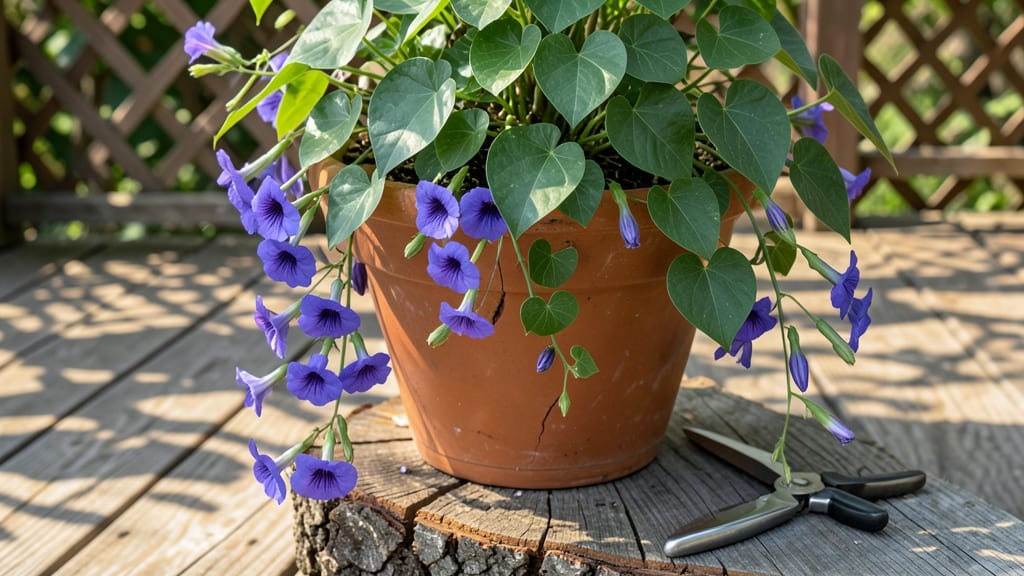
The sky flower vine’s towering purple blooms will make your summer garden the envy of the neighborhood—if you prune it right. 🌿 I learned the hard way that this fast climber needs regular trimming to stay bushy and productive, especially in the Ozarks’ humid summers.
Without pruning, it sprawls into a tangled mess, but with the right cuts, it becomes a vibrant vertical masterpiece that flowers from June until frost.
This vine thrives in full sun to partial shade and loves well-draining soil, but the real secret is its climbing habit—it’ll latch onto trellises, fences, or even arbors with ease. Start with seeds indoors 6-8 weeks before last frost, then transplant seedlings once temperatures stay above 55°F.
Water consistently, but let the top inch of soil dry between waterings to avoid root rot.
By mid-summer, you’ll see purple trumpet-shaped blooms opening daily, attracting hummingbirds and butterflies. The key to keeping it flowering is deadheading spent blooms and pruning leggy growth back by one-third in early summer. My vines now produce continuous blooms without gaps—proof that a little maintenance goes a long way.
Works in containers, raised beds, or directly in the ground, making it perfect for small spaces or vertical gardens. Once established, it’s drought-tolerant and handles heat like a champ. Let’s get those vines climbing!
📚 In This Guide
- What you need
- Instructions
- Tips and common mistakes
- Wrapping up and next steps
What you need
- ● Sky Flower Vine Seeds or Seedlings: 5–10 seeds (or 2–3 young plants) for a lush display. Opt for Ipomoea tricolor for vibrant purple blooms.
- ● Well-Draining Potting Mix: 2–3 gallons (for containers) or enrich soil in garden beds with compost (aim for 60% organic matter).
- ● Support Structure: Trellis or Arbors: 6–8 ft tall (metal or wooden) for climbing.
- ● String or Twine: ¼-inch thick, for guiding vines upward.
- ● Fertilizer: Balanced 10-10-10 (or organic options like worm castings) to boost growth.
- ● Mulch: 2–3 inches of straw or shredded leaves to retain moisture.
- ● Pruning Shears: Bypass pruners (sharp, clean) for trimming.
- ● Gloves: Heavy-duty (to protect from thorns and soil).
- ● Watering Can or Hose: With a gentle spray nozzle.
- ● Trowel: For transplanting seedlings.
- ● Sunlight: 6+ hours of full sun daily (partial shade tolerates but may reduce blooms).
- ● Climate: Hardy in USDA Zones 9–11; in cooler zones, grow as an annual or overwinter indoors.
- ● Watering Schedule: Keep soil consistently moist (not soggy) during growth; reduce once established.
- ● Patience: Vines take 8–12 weeks to flower from seed!
- ● Slow-release fertilizer tablets for nutrient boosts.
- ● Plant ties to secure vines to trellises.
- ● Shade cloth (30–50%) for afternoon sun protection in hot climates.
- ● Decorative pots or hanging baskets for urban gardens.
Step-by-Step pruning for a thriving sky flower vine
Here’s how to coax that Ozark-tested purple canopy into towering, bushy perfection—without sacrificing blooms.
🌿 Step 1: Identify Growth Zones for Strategic Cuts
Sky flower vines grow aggressively, so focus cuts on new wood—the current season’s growth. Look for semi-woody stems with small leaves; these are prime candidates. Avoid cutting into old, thick stems, as they won’t regenerate well. Use sharp pruners to make clean cuts just above a leaf node (the bump where leaves attach). This encourages branching and denser foliage.
I like to prune in early spring, right after the last frost, when new shoots emerge. You’ll see tender green growth pushing through—wait until these are 2-3 inches long before cutting. This timing ensures you’re not trimming back dormant buds that might not wake up.
✂️ Step 2: Thin Overcrowded Stems for Airflow
Sky flower vines can get leggy fast, so thin stems to 3-4 inches apart along the trellis or support. Remove the thinnest, weakest stems first—they’re competing with stronger growth for nutrients. Cut them at the base, not mid-stem, to avoid leaving stubs that rot.
Watch for crossing stems rubbing against each other. These create wounds where pests or disease can take hold. Snip one of the conflicting stems entirely. You’ll know you’re doing it right when you see open space between branches, letting sunlight reach the center of the plant.
🌱 Step 3: Encourage Bushier Growth with Pinching
Pinching is key for a fuller vine. Once the main stem reaches 12-18 inches tall, use your fingers to pinch off the topmost set of leaves. This signals the plant to send out side branches from lower nodes. Repeat this every 4-6 weeks during the growing season to keep the vine compact and flowering-heavy.
Here’s the thing—pinching works best on healthy, non-flowering tips. If you see buds forming, wait until they bloom before cutting back. You’ll know you’ve done it right when you see multiple lateral branches forming within 2-3 weeks of pinching.
☀️ Step 4: Post-Bloom Pruning for Next Year’s Flowers
After the first flush of purple blooms fades, cut back spent flower stems to the nearest leaf node. This redirects energy into new growth instead of seed production. Don’t overdo it—leave at least half the plant’s height intact to maintain structure.
In late summer, give the vine a light trim to remove any leggy or weak growth. You’ll see new shoots emerging from lower nodes within 10-14 days. This final pruning sets the stage for a stronger, more vibrant display next season.
⏰ Step 5: Winter Prep for Ozark Resilience
Before the first frost, cut back all but the strongest stems to 6-12 inches tall. This prevents snow or ice from breaking brittle canes. Wrap remaining stems loosely with burlap or frost cloth if your winters dip below 20°F.
Real talk: Sky flower vines are tough, but young plants need extra care. Mulch the base with 2-3 inches of shredded bark to insulate roots. You’ll see new shoots in early spring—proof the vine survived and is ready to climb again.
Tips & tricks for perfect sky flower vine pruning
Transforming a leggy sky flower vine into a lush, flowering powerhouse takes precision—and these insider tips will help you avoid common pitfalls that ruin the canopy.
Timing is Everything: In Step 1, when you're waiting for those new shoots to reach 2-3 inches, don't rush the process. The first flush of growth after last frost is delicate—cutting too early risks removing buds that haven't fully awakened. I've learned this the hard way after trimming back too aggressively in chilly springs. Wait until you see firm, upright growth before making your cuts. This ensures you're only pruning actively growing stems that will respond vigorously.
Tool Technique: For Steps 2 and 4, invest in a pair of bypass pruners with sharp, clean blades. Dull pruners crush stems instead of making clean cuts, which leads to ragged wounds that heal poorly. After each cut, wipe the blades with rubbing alcohol to prevent disease transfer between cuts. I keep a small bottle of alcohol in my pruning kit—it's the difference between healthy regrowth and struggling stems. The cleaner the cut, the faster the plant recovers and redirects energy to new growth.
Visual Cues for Success: When pinching in Step 3, look for the topmost set of leaves where the stem is still soft and pliable. This is your target—harder, woody growth won't respond well to pinching. After pinching, you should notice new side shoots emerging from the lower leaf nodes within 2-3 weeks. If you don't see these within that timeframe, your cut might have been too low on the stem or the plant needs more warmth and sunlight to stimulate growth.
Winter Protection: For Step 5's cold protection, focus on the 20°F threshold mentioned for wrapping stems. In Ozark winters, this is your critical cutoff—below this temperature, even hardy sky flower vines need extra insulation. I've seen stems snap under heavy snow when left unwrapped. Use burlap or frost cloth loosely—tight wrapping can trap moisture and cause rot. The key is creating an air pocket around the stems while still allowing some airflow to prevent fungal issues.
Pro Tips for Sky Flower Vine
- Transforming a leggy sky flower vine into a lush, flowering powerhouse takes precision—and these insider tips will he...
- Timing is Everything: In Step 1, when you're waiting for those new shoots to reach 2-3 inches, don't rush the process...
- Tool Technique: For Steps 2 and 4, invest in a pair of bypass pruners with sharp, clean blades. Dull pruners crush st...
Frequently asked questions
Got questions about growing and maintaining your sky flower vine (Ipomoea tricolor)?
You’re not alone—this striking climber is full of surprises! Here are answers to the most common queries from gardeners just like you.
How fast does sky flower vine grow, and how tall can it get?
The sky flower vine is a rapid grower, often shooting up 6–10 feet per season with ideal care (full sun, moisture, and a sturdy trellis). In perfect conditions, it can reach 20+ feet—think towering purple waterfalls! For Ozark climates, prune aggressively in early spring to manage height and encourage bushier blooms.
When and how should I prune my sky flower vine for the best blooms?
Prune twice a year: first in early spring (just as new growth emerges) to shape the vine and remove dead wood, and again in midsummer after flowering to encourage a second flush. Use clean shears to cut back 1/3 of the vine—focus on leggy stems and overcrowded areas. Pro tip: Pinch back tips in spring to promote branching!
How much water does sky flower vine need, and can it handle drought?
While young vines love consistent moisture, established sky flower vines are surprisingly drought-tolerant once rooted. Water deeply 2–3 times per week during dry spells, but avoid soggy soil. Mulch heavily to retain moisture—this vine thrives in Ozark’s heat but may drop leaves in extreme drought (they’ll bounce back with water!).
What pests or diseases should I watch for with sky flower vine?
The biggest threats are aphids, spider mites, and powdery mildew. Keep an eye out for sticky leaves (aphids) or white webbing (mites)—blast them off with water or use neem oil. For mildew, improve airflow and avoid overhead watering. Sky flower vine is generally hardy, but stressed plants may attract pests.
Can I grow sky flower vine in containers, or does it need a trellis?
Yes! While it loves to climb, you can grow it in large containers (15+ gallons) with a small trellis or cage. Choose a fast-draining mix and fertilize monthly during bloom season. For containers, expect slightly shorter vines (8–12 feet) but just as vibrant. Bonus: Train it to spill over walls or pergolas for a lush, cascading effect!
Why isn’t my sky flower vine blooming as much as expected?
Lack of blooms usually stems from too much shade, over-fertilizing (especially with nitrogen), or not enough pruning. Ensure it gets 6+ hours of sun daily and prune regularly to encourage flowering. Deadhead spent blooms to prompt more flowers. If growth is lush but flowers are sparse, switch to a low-nitrogen, high-phosphorus fertilizer (like 5-10-10).
Wrapping up and next steps
Transforming your garden into a breathtaking purple canopy with sky flower vine is well within reach—especially with the Ozark-tested pruning secrets you’ve just unlocked! 🌿✨ Whether you’re a seasoned gardener or a curious beginner, this vibrant climber thrives with patience, the right tools, and a little know-how.
Now that you’re armed with insights on pruning, spacing, and troubleshooting, it’s time to roll up your sleeves and watch your garden bloom.
Your next step? Start small—plant a single vine in a sunny spot, experiment with the techniques shared here, and let your confidence (and canopy!) grow. Happy gardening! 🌸