
Flowers
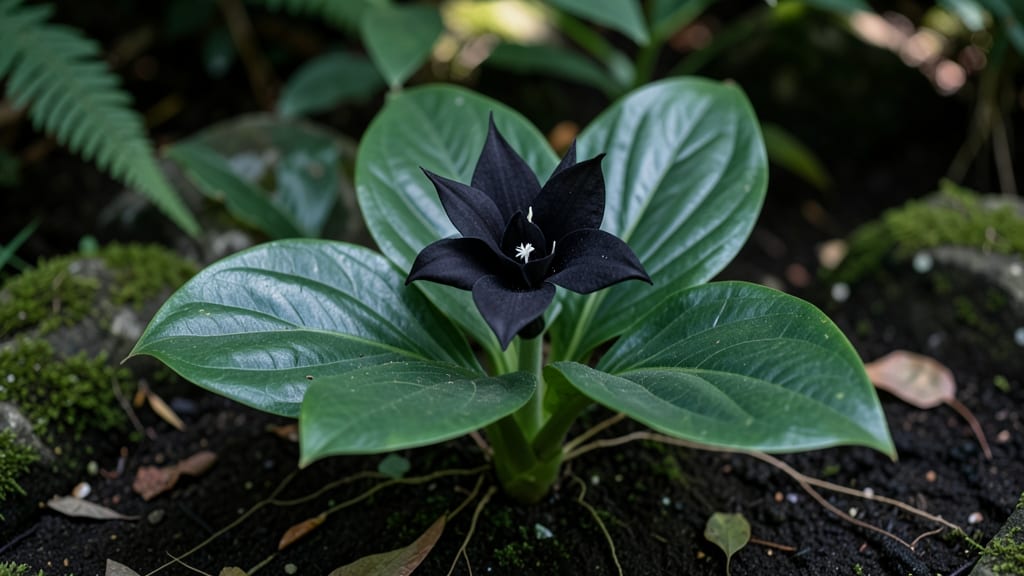
Growing black bat flowers (Tacca chantrieri) means bringing tropical drama to your shade garden—those eerie, bat-shaped blooms feel like a secret garden treasure. 🌿 I’ve wrestled with these finicky plants for years, and now I know exactly how to coax them into thriving.
They’re not just pretty; they’re resilient once you understand their quirks.
The key is mimicking their jungle roots: 60-80% shade, rich but well-draining soil, and humidity that never dries out. They’ll reward you with glossy leaves and those striking purple-black flowers—just don’t let them bake in full sun or suffocate in soggy soil.
Even beginners can nail this with the right setup.
You’ll end up with a plant that’s equal parts exotic and easygoing—think velvety foliage and dramatic blooms that last for weeks. The best part? They’re happy indoors near bright windows or outdoors in shaded spots, making them perfect for patios, greenhouses, or even bathrooms with good light.
Troubleshooting is simple: yellow leaves mean too much sun or overwatering, while slow growth usually signals low humidity. A few tweaks, and your black bat flowers will thrive like they’re back in their tropical home. Let’s get them growing!
📚 In This Guide
- What you need
- Instructions
- Tips and common mistakes
- Wrapping up and next steps
What you need
- ● Black bat flower tubers: 1–3 healthy tubers (ensure they’re firm and free of rot).
- ● Well-draining potting mix: 5–10 gallons (depending on pot size), blended with perlite or orchid bark (1:1 ratio) for aeration.
- ● Containers: 6–12-inch pots with drainage holes (or a shaded garden bed with rich, moist soil).
- ● Slow-release fertilizer: 10-10-10 or a balanced organic option (like worm castings).
- ● Misting bottle or spray nozzle: For maintaining humidity (especially in dry climates).
- ● Garden twine or stakes: To support the plant’s delicate, arching stems as it grows.
- ○ Shade cloth (optional but helpful): 30–50% coverage if your garden receives partial sun.
- ● Peat moss or coconut coir: For retaining moisture in pots.
- ● Epsom salt (magnesium sulfate): 1 tbsp/month to boost blooms (dissolve in water).
- ● Humidity tray: A pebble-filled tray with water to create a mini greenhouse effect.
- ● Garden gloves: To protect your hands from the plant’s mildly irritating sap.
- ● Plant labels: To track varieties (especially if growing multiple tubers).
Step-by-Step guide for planting and caring for black bat flowers
Here's how to grow these dramatic shade-lovers from start to full, velvety bloom.
🪴 Step 1: Choose the Perfect Shady Spot and Soil
Black bat flowers (Tacca chantrieri) crave partial to full shade—think dappled sunlight or deep shade gardens. I always pick a location with morning sun at most and afternoon shade protection. These plants hate hot afternoon rays that scorch their delicate foliage.
Amend your garden soil with 3-4 inches of organic matter (like compost or leaf mold) before planting. Their native habitat is rich, humusy soil, so don't skip this step. The roots will thank you by sending up those signature bat-shaped blooms year after year.
🌱 Step 2: Plant Tubers at the Right Depth and Spacing
Black bat flowers grow from tubers, not seeds—so you'll be planting these fascinating underground structures. Bury the tubers 2 inches deep with the top facing upward (it'll have a slight point or bump). Planting them upside down won't kill them, but it will confuse your plant and delay blooming.
Space your tubers 12-18 inches apart—they'll spread slowly but steadily, forming a lush, dramatic ground cover over time. I like to plant them in clusters of 3-4 for that "wow" factor in shady corners. Water thoroughly after planting to settle the soil around the tubers.
☀️ Step 3: Maintain Consistent Moisture and Fertility
These plants love even moisture but hate soggy soil. Water when the top inch feels dry—usually every 3-5 days in summer, less in winter. Mulch with 2-3 inches of organic mulch (like shredded bark) to retain moisture and keep roots cool.
Feed lightly in spring with a balanced, slow-release fertilizer (10-10-10) at half strength. Too much fertilizer makes them produce lots of leaves but few flowers. I've learned this the hard way—over-fertilizing last year gave me a jungle of foliage but no bat-shaped blooms!
⏰ Step 4: Watch for and Encourage Blooming Season
Black bat flowers typically bloom in late summer to fall, when days grow shorter. You'll know it's time when you see those dark purple, bat-shaped inflorescences rising above the foliage. Each bloom lasts about 2 weeks, so you'll get multiple waves if conditions are right.
To encourage more blooms, deadhead spent flowers by snipping them at the base with clean scissors. This redirects the plant's energy to producing new flowers rather than setting seed. I also move my containers to a slightly sunnier spot in late summer—just a few extra hours of light can trigger more blooming.
✂️ Step 5: Overwinter and Divide as Needed
Black bat flowers are hardy to USDA Zone 9, but in colder climates, treat them as tender perennials. In fall, cut back the foliage and cover with mulch for winter protection. In spring, uncover and water when new growth appears.
Every 3-4 years, divide your tubers in early spring. Gently dig up the clumps, separate the tubers, and replant the healthiest pieces. This rejuvenates your plants and gives you free propagation material. I always divide mine in March before new growth starts—it's like getting a free upgrade!
Tips & tricks for perfect black bat flowers
Here's what nobody tells you about growing these exotic beauties—lessons learned from my own garden trials.
Lighting Secret: While black bat flowers love shade, they're not completely shade-tolerant. In Step 1, when choosing your spot, look for locations with at least 3-4 hours of morning sunlight. This subtle light exposure is what triggers their dramatic blooming cycle. I've seen plants in pure shade produce all foliage but no flowers—just like how I used to over-fertilize and get leafy monsters instead of blooms!
Tuber Orientation Tip: In Step 2, when planting those fascinating tubers, take a moment to identify the top. The tuber will have a slight bump or pointed end—the top! Planting them upside down won't kill them, but it can delay blooming by up to a year. Think of it like planting potatoes—you wouldn't bury the stem end down, right? I learned this after my first batch took forever to bloom, and now I mark the tops with a tiny dot of paint for peace of mind.
Watering Wisdom: The 3-5 day watering schedule in Step 3 is perfect for summer, but don't rely solely on the calendar. Stick your finger in the soil—when the top inch feels dry, that's your cue. I've ruined batches by either underwatering (which causes the tubers to shrivel) or overwatering (leading to root rot). Mulching with 2-3 inches of organic material helps maintain that even moisture without the guesswork.
Bloom Trigger: For Step 4, when you're encouraging those stunning purple blooms, here's the real secret: black bat flowers need a temperature drop to bloom. In late summer, move your containers to a spot that gets slightly cooler evenings—even just 5-10°F cooler can trigger the blooming process. It's like how some plants need a cold snap to flower, but in this case, we create the conditions ourselves. I've seen plants bloom within weeks of this simple adjustment!
Pro Tips for Black Bat Flowers
- Here's what nobody tells you about growing these exotic beauties—lessons learned from my own garden trials.
- Lighting Secret: While black bat flowers love shade, they're not completely shade-tolerant. In Step 1, when choosing ...
- Tuber Orientation Tip: In Step 2, when planting those fascinating tubers, take a moment to identify the top. The tube...
Frequently asked questions
Got questions about growing black bat flowers (Tacca chantrieri)? You’re not alone—these striking plants can be tricky for new growers! Here’s a quick guide to the most common concerns, from care tips to troubleshooting.
How fast do black bat flowers grow?
Black bat flowers grow at a moderate pace—expect about 6–12 inches per year under ideal conditions. With proper care (bright, indirect light and consistent moisture), you’ll see noticeable growth in 3–6 months. Patience is key, though, as they’re slow to mature fully!
When do black bat flowers bloom?
These dramatic blooms typically appear in late spring to early summer, but timing depends on your climate. In warmer regions, they may flower year-round. Pro tip: Ensure your plant has established roots (1–2 years old) and isn’t stressed by temperature swings—this boosts blooming chances!
Can black bat flowers grow in full shade?
Yes! One of their biggest perks is thriving in low-light conditions, making them perfect for shady gardens. However, avoid deep, dark shade (like dense forest floors)—they prefer bright, indirect light (e.g., dappled sunlight or north-facing windows). Yellowing leaves? It’s a sign they need slightly more light!
Why are my black bat flower leaves turning brown?
Brown leaves usually signal overwatering or underwatering. Check the soil: it should stay evenly moist but not soggy. If the roots smell foul, you’re overwatering. Fix it: Reduce watering, improve drainage, and repot if needed. Too dry? Gradually increase moisture and mist leaves to revive them!
What’s a good alternative if black bat flowers are hard to find?
If you’re struggling to locate Tacca chantrieri, try these shade-loving, dramatic foliage plants:
- Alocasia (elephant ear) – Bold, glossy leaves
- Calathea – Patterned, tropical vibes
- Philodendron ‘Hope’ – Fast-growing and forgiving
- Zamioculcas (ZZ plant) – Nearly indestructible
These thrive in similar conditions but may lack the uniqueness of black bat flowers’ otherworldly blooms!
Wrapping up and next steps
The black bat flower (Tacca chantrieri) is a mesmerizing gem for shade gardens, offering dramatic purple blooms that thrive where others falter. With the right soil, moisture, and patience, you can cultivate these exotic beauties—perfect for adding drama to dark corners of your yard.
Whether you’re a seasoned gardener or a curious beginner, these striking flowers reward your efforts with unmatched visual impact.
Ready to transform your garden? Start by gathering your supplies, then plant with confidence—your shade garden will thank you! 🌿✨