
Flowers
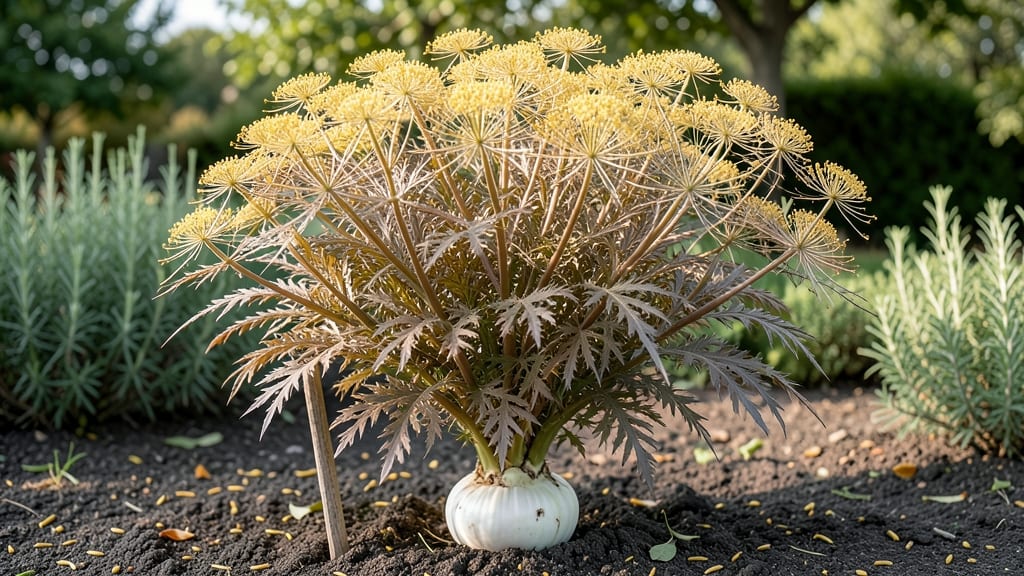
Bronze fennel flowers turn heads with their dramatic height and fragrant drama—perfect for gardens that need both structure and pollinator power. 🌿 In my Ozark garden, these towering beauties reach 6 feet tall, creating a striking vertical accent that draws bees and butterflies while adding a warm bronze glow to any border.
The feathery blooms catch the light like golden lanterns, making them a standout in both summer arrangements and seasonal landscapes.
What makes bronze fennel a designer’s secret weapon? Its bold color contrast—pair it with purple coneflowers or silvery lamb’s ear for a high-impact combo. The flowers also dry beautifully, extending their season as dried stems in winter arrangements.
For maximum visual punch, plant in clusters of three or five, spaced 18–24 inches apart, to create a lush, airy backdrop for shorter perennials.
Beyond their looks, these flowers bring fragrant drama to your garden. The anise-scented blooms attract beneficial insects while repelling pests, making them a multi-purpose workhorse.
Whether you’re designing a pollinator haven, a cottage garden, or a modern border, bronze fennel adds height, texture, and seasonal interest—without the fuss of high-maintenance plants.
Pro tip: Deadhead spent blooms to encourage more flowers, but leave some seed heads for winter interest. Their resilience in hot, dry Ozark summers makes them a low-stress choice for gardeners who want impact without the upkeep. Ready to add some drama to your landscape?
📚 In This Guide
- What you need
- Instructions
- Tips and common mistakes
- Wrapping up and next steps
What you need
- ● Bronze fennel seeds – 50–100 seeds (or 3–5 transplants if starting with seedlings). Look for Foeniculum vulgare 'Purpureum' or heirloom varieties for that signature bronze hue.
- ● Well-draining soil – A mix of garden soil, compost (20–30%), and coarse sand (10–15%) works best. Bronze fennel hates soggy roots!
- ● Sunlight access – A spot with full sun (6+ hours/day). Partial shade may yield fewer flowers.
- ● Watering can or hose – For gentle, deep watering (avoid overhead spraying to prevent fungal issues).
- ○ Organic fertilizer – A balanced 10-10-10 or compost tea to boost early growth (optional but recommended).
- ● Garden trowel or transplanting spade – For digging holes (3–4 inches deep) and spacing plants 12–18 inches apart.
- ● Pruning shears – To trim spent flowers and encourage bushier growth.
- ● Garden gloves – Fennel fronds can be prickly! Protect your hands.
- ○ Mulch (optional but helpful) – Straw or wood chips to retain moisture and suppress weeds.
- ● Patience – Bronze fennel germinates slowly (10–21 days). Stay consistent with moisture!
- ● Cold tolerance (if planting early) – Seeds can handle light frost, but transplants prefer soil temps above 50°F (10°C).
- ● Pollinator awareness – Plant near bee-friendly flowers to attract beneficial insects (and enjoy the show!).
Step-by-Step guide for cultivating bronze fennel flowers
Here’s how to grow these striking Ozark-adapted plants with minimal fuss.
🌱 Step 1: Select the Perfect Planting Site
Bronze fennel thrives in full sun to partial shade, but in the Ozarks, afternoon shade helps prevent leaf scorch during summer heat. Choose a spot with at least 6 hours of direct sunlight daily—morning sun is ideal. The soil should drain well; fennel hates soggy roots, so avoid low-lying areas where water pools.
Test your soil’s drainage by digging a 6-inch hole and filling it with water. If it drains in under 2 hours, your site is perfect. Amend heavy clay with 2-3 inches of compost (mixed into the top 6 inches of soil) to improve aeration. Bronze fennel tolerates poor soil but grows most dramatically in sandy loam with a pH of 6.0-7.5—test your soil if unsure.
☀️ Step 2: Plant Seeds or Transplants at the Right Time
Start seeds indoors 8-10 weeks before your last frost date (typically late March in the Ozarks) or sow directly outdoors 2-3 weeks after frost risk has passed. Bronze fennel seeds germinate best in soil temperatures between 60-75°F—wait until daytime highs consistently reach 65°F before planting outside.
Sow seeds ¼ inch deep, spacing them 12 inches apart in rows 18 inches apart. If transplanting, set seedlings 18-24 inches apart to accommodate their 3-5 foot mature height. Water gently after planting to settle the soil around roots, but avoid oversaturating—fennel seedlings are prone to damping-off if kept too wet.
💧 Step 3: Water and Fertilize for Strong Growth
Once established, bronze fennel is drought-tolerant, but young plants need consistent moisture to prevent leggy growth. Water deeply once a week (about 1 inch of water) during dry spells, focusing on the root zone rather than overhead. Let the top 2 inches of soil dry out between waterings to encourage deep root development.
Fertilize lightly at planting with ½ cup of 5-10-10 fertilizer per plant, then side-dress with 1 cup of compost in early summer. Avoid high-nitrogen fertilizers—they promote leafy growth at the expense of those dramatic bronze-tinged flower stalks. Mulch with 2 inches of straw or wood chips to retain moisture and suppress weeds.
✂️ Step 4: Prune and Support for Maximum Impact
Remove any weak or leggy stems early in the season to redirect energy to stronger growth. Once flower stalks form, do not deadhead—let them mature for seed production, which attracts pollinators. However, if stems flop under their own weight (they can reach 5-6 feet), install bamboo stakes or a small trellis at planting to provide support.
Watch for yellowing lower leaves—this is normal as the plant matures. Focus on the upper foliage and flower clusters, which should remain vibrant. In late summer, if the plant looks exhausted, trim back one-third of the foliage to encourage a second flush of growth before frost.
🪴 Step 5: Harvest and Preserve for Seasonal Beauty
Harvest individual flower heads as they open for cut arrangements or to dry for potpourri. Cut stems at a 45-degree angle just above a leaf node to encourage branching. For seed heads, leave some stalks until they turn tan and papery—then cut and hang in bundles to dry.
Bronze fennel’s fragrant foliage can also be used fresh in cooking or dried for teas. After harvest, the plant may bolt (go to seed) quickly—if you’re not saving seeds, cut back the entire plant to 6 inches tall in early fall to stimulate new growth before frost.
Tips & tricks for perfect bronze fennel flowers
Here's what I've learned after growing these striking plants in the Ozarks—simple secrets that make all the difference.
Soil Preparation Secret: The 2-hour drainage test in Step 1 is your best friend—don't skip it! If water lingers beyond 2 hours, mix in additional compost or sand to create that ideal sandy loam texture. Bronze fennel's roots need oxygen as much as water, and soggy soil leads to root rot. I've seen plants thrive in poor soil with proper drainage, but they truly shine when you give them that perfect sandy loam environment.
Timing is Everything: Those 6 hours of sunlight in Step 1 are non-negotiable for the vibrant bronze color we love. If your garden gets afternoon shade, position your plants to catch morning sun first—this prevents leaf scorch while still giving them the energy they need. I've noticed the most dramatic bronze hues develop when plants get at least 4 hours of direct morning sun, even if they only get partial shade in the afternoon.
Support System Strategy: When installing bamboo stakes in Step 4, place them at planting time—not after the plant starts to lean. The roots will bond with the stakes better when fresh, and you'll avoid damaging the stems later. For extra stability, I like to use three stakes per plant in a tripod formation, especially if you're in windy Ozark locations where plants can reach those impressive 5-6 foot heights.
Harvesting Hack: That 45-degree angle cut in Step 5 isn't just for looks—it's a growth stimulator! The angled cut exposes more leaf nodes to sunlight, encouraging the plant to produce more side branches with those beautiful bronze flowers. I've found that making these angled cuts also extends the harvest season by promoting new growth from lower stems.
Pro Tips for Bronze Fennel Flowers
- Here's what I've learned after growing these striking plants in the Ozarks—simple secrets that make all the difference.
- Soil Preparation Secret: The 2-hour drainage test in Step 1 is your best friend—don't skip it! If water lingers beyon...
- Timing is Everything: Those 6 hours of sunlight in Step 1 are non-negotiable for the vibrant bronze color we love. If...
Frequently asked questions
How tall do bronze fennel flowers grow, and do they need staking?
Bronze fennel flowers typically reach 3–6 feet tall, with feathery, bronze-tinged blooms that add drama to any garden. While they’re sturdy, they may lean in windy areas. For a tidy look, plant them near a fence or trellis, or gently stake them early in the season. Their height also makes them perfect for cut flower arrangements!
When is the best time to harvest bronze fennel flowers?
Harvest bronze fennel flowers when fully open but before seeds form—usually late summer to early fall in the Ozarks. For fresh bouquets, cut stems in the morning and place them in water immediately. If drying, hang upside-down in a dark, dry place for 1–2 weeks. Pro tip: Snip stems at a 45-degree angle to maximize water absorption!
Can I grow bronze fennel flowers in containers, or do they need a garden bed?
Yes! Bronze fennel thrives in containers at least 12–18 inches deep, especially if you’re in a cooler microclimate. Use well-draining soil and a pot with drainage holes. For urban gardeners: Place containers in full sun (6+ hours/day) and fertilize lightly every 4–6 weeks. Just avoid overcrowding—they need 6–12 inches of space per plant.
Are bronze fennel flowers edible, and how can I use them?
While the flowers are edible and aromatic, they’re milder than the bulb. Use them to garnish salads, soups, or roasted dishes, or infuse oils/vinegars for a licorice-like flavor. Caution: Avoid overconsumption if you’re sensitive to fennel’s coumarin content. Bonus: The seeds are the most potent—crush them for a bold kick!
Why are my bronze fennel flowers wilting or turning brown?
Wilting or browning can signal underwatering, overwatering, or pest issues. Check soil moisture—bronze fennel prefers dry conditions but wilts in drought. Brown edges? Likely fungal issues (like powdery mildew) from humidity. Spray with neem oil or improve airflow. Pests? Watch for aphids or spider mites; blast off with water or use insecticidal soap.
What’s a good alternative if I can’t grow bronze fennel?
If your climate struggles with bronze fennel, try these fragrant, drought-tolerant alternatives:
- Italian parsley (edible flowers, similar height)
- Dill (feathery foliage, attracts pollinators)
- Golden marguerites (cheerful, low-maintenance blooms)
- Russian sage (silvery-blue spikes, deer-resistant)
Wrapping up and next steps
Bronze fennel flowers bring bold beauty and hardy resilience to gardens, thriving in the Ozarks’ rugged conditions while filling the air with their signature anise-like fragrance.
Whether you’re drawn to their striking bronze hues, their ability to attract pollinators, or their low-maintenance charm, these flowers prove that drama doesn’t require fuss—just the right spot and a little patience. 🌿✨
Ready to elevate your garden’s allure? Start by gathering your supplies, choosing a sunny patch, and planting your bronze fennel flowers this season. Watch as they transform your outdoor space into a fragrant, eye-catching oasis—one that even the Ozarks’ toughest weather can’t tame!