
Flowers
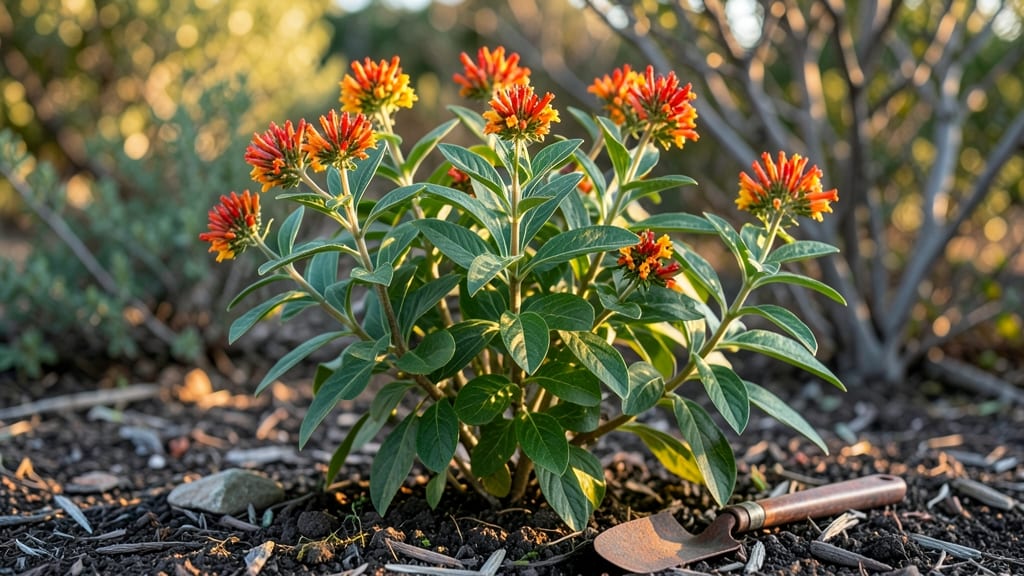
Mastering wand flower care means embracing their Ozark resilience—tall, tough, and unfazed by frost. I’ve grown them in my mountain garden for years, and the secret to their dramatic height and resilience lies in strategic trimming that encourages strong stems without sacrificing blooms.
These aren’t fussy plants; they reward patience with 6-foot stalks that sway in autumn winds, long after other flowers have bowed out.
Their care routine is simple but critical: water deeply once a week (they hate soggy roots), plant them in well-draining soil with partial shade (morning sun, afternoon relief), and prune only when necessary—never more than a third of the plant at once.
The real magic happens in late winter, when you cut back the previous year’s growth to 3-4 inches above the ground, sparking fresh, vigorous shoots by spring. It’s the gardener’s version of a fresh start.
What you’ll end up with is a towering, frost-resistant display that blooms later in the season when many other flowers have faded. The flowers themselves are delicate—like tiny lanterns—dangling from wiry stems that catch the light.
And here’s the best part: these plants multiply underground, so you’ll have more than you started in just a few years. No digging required.
Works just as well in containers or garden beds, and thrives in USDA Zones 4-9—perfect for the Ozarks or anywhere with cold winters. The key is less is more: prune lightly, water wisely, and let these stalks do their thing. Ready to grow some drama?
📚 In This Guide
- What you need
- Instructions
- Tips and common mistakes
- Wrapping up and next steps
What you need
- ● Pruning shears – Sharp, bypass-style (not anvil-type) to avoid crushing stems. Example: Felco F-2 or similar (1 pair).
- ● Garden gloves – Heavy-duty, cut-resistant (e.g., Mechanix Wear or similar) to protect against sap and thorns (1 pair).
- ● Disinfectant (70% isopropyl alcohol or hydrogen peroxide) – To sterilize tools between cuts (small bottle or spray).
- ● Compost or mulch – For amending soil post-trimming (5–10 gallons, depending on plant size).
- ● Watering can or hose with adjustable nozzle – For post-care hydration (1–2 gallons capacity).
- ○ Sturdy stakes (optional but helpful) – 3–4 ft bamboo or metal stakes (2–4 per plant) to support tall stalks after trimming.
- ● Mature wand flowers – Best trimmed in early spring (March–April) or after flowering (late summer). Avoid trimming in fall.
- ● Full-sun location – Ensure your wand flowers receive at least 6 hours of sunlight daily for robust growth.
- ● Well-draining soil – Amend clay-heavy Ozark soil with compost or sand if drainage is poor.
- ● Patience! – Wand flowers can take 2–3 years to reach full height (6–8 ft).
Step-by-step guide for pruning wand flowers in the Ozarks
Here's how to maintain those dramatic, frost-hardy stalks while keeping your garden thriving year after year.
Identify Growth Stages and Pruning Windows
Wand flowers (Veronicastrum virginicum) grow in distinct phases, and pruning at the wrong time can stunt their signature vertical growth. Start by observing the plant's natural rhythm: early spring brings fresh shoots, mid-summer produces flower spikes, and fall reveals the architectural seed heads.
I always begin pruning in late winter or early spring, just as new growth emerges but before the plant sends up its signature flower stalks. This first cut removes dead foliage and encourages a stronger framework. Wait until after the first true leaves appear—you'll see them as small, pointed buds along the stems. Never prune when the plant is actively flowering or setting seed, as this stresses the plant and reduces next year's bloom potential.
In the Ozarks, where frost can linger into April, I hold off until after the last hard freeze (typically mid-April). The soil should be workable and the air temperature consistently above 40°F for at least a week. You'll know it's time when the ground thaws enough to push a trowel in easily without compacting.
Perform Structural Pruning for Winter Hardiness
Use clean, sharp pruners to make cuts at a 45-degree angle, about ¼ inch above a leaf node or outward-facing bud. This angle prevents water from pooling on the cut, which can lead to rot in our damp Ozark climate. Start by removing any dead or damaged stems—these will be brown, brittle, and devoid of living tissue.
Next, thin out crowded stems to improve airflow. Wand flowers naturally grow in clumps, but too many stems compete for nutrients. Aim to leave 3-5 of the strongest, healthiest stems per plant. You'll recognize strong stems by their vibrant green color and firm texture. Cut these back by ⅓ to ½ their height to encourage bushier growth and prevent flopping in summer storms.
Here's the thing—wand flowers are self-supporting, but our Ozark winds can still topple them. To reinforce structure, I weave in 1-2 uncut stems that will act as natural supports for the rest. These stems should be slightly thicker than the others and positioned toward the plant's center.
Summer Maintenance for Flowering and Seed Production
Once the flower spikes emerge in mid-to-late summer, shift to a lighter touch. The goal now is to preserve the plant's natural form while removing only what's necessary. Deadhead spent flowers by pinching off the faded blooms just above the next set of leaves. This redirects the plant's energy toward producing more flowers rather than setting seed.
I skip heavy pruning during this phase because wand flowers develop their iconic seed heads in late summer and fall. These seed pods add winter interest and attract birds. If you're growing wand flowers for their architectural form, leave 2-3 of the tallest seed stalks standing. You'll notice them as the slender, upright stems with dry, papery seed clusters.
Water deeply once a week during dry spells, focusing on the base of the plant. Wand flowers are drought-tolerant once established, but our Ozark summers can be brutal. The soil should be dry 2-3 inches down before watering again. You'll see the plant's resilience in how it perks up after a good soaking, even if it looks wilted during heatwaves.
Fall and Winter Preparation for Frost Resistance
As temperatures drop below 50°F in fall, wand flowers enter dormancy. This is the time to tidy up while preserving the plant's natural winter structure. Remove only the completely dead foliage—leave the dry seed heads and any remaining stems unless they're visibly diseased. These elements provide winter interest and shelter for beneficial insects.
I mulch around the base of the plant with 2-3 inches of shredded leaves or straw to insulate the roots. This is critical in the Ozarks, where ground frost can penetrate deep. The mulch should feel cool to the touch but not frozen. Avoid piling mulch against the stems, as this can trap moisture and cause rot.
Wand flowers are famously frost-resistant, but a thick layer of mulch ensures they bounce back stronger in spring. You'll see the difference the following year in how vigorously the new shoots emerge. If you're in a particularly cold microclimate, consider adding a lightweight frost blanket over the plant during the harshest winter weeks, then remove it as soon as the ground thaws.
Tips & tricks for perfect wand flower maintenance
These proven strategies will help you cultivate wand flowers that thrive in Ozark conditions year after year.
Timing is Everything: The late winter/early spring pruning window is non-negotiable for Ozark climates. I've learned the hard way that pruning too early—before the first true leaves appear—can shock the plant and delay spring growth. Watch for those tiny pointed buds along the stems as your signal. In our area, this typically aligns with mid-April after the last hard freeze, when soil temperatures reach at least 40°F consistently. The key is balancing frost protection with the plant's natural growth cycle.
Pruning Technique Matters: That 45-degree angle cut above the leaf node isn't just aesthetic—it's critical for preventing rot in our damp climate. I use clean, sharp pruners and make each cut precisely ¼ inch above the node to encourage new growth from the right spot. For crowded stems, I always leave 3-5 of the strongest ones, cutting them back by ⅓ to ½ their height. This creates that perfect bushy structure that holds up against Ozark winds while maintaining the plant's signature vertical form.
Seasonal Adaptations: Summer maintenance requires a lighter touch. When deadheading, pinch just above the next set of leaves to redirect energy toward more flowers. The real secret is leaving those 2-3 tallest seed stalks—they provide winter interest and attract beneficial birds. Our summers can be brutal, so I water deeply once a week when the soil is dry 2-3 inches down, focusing on the base to encourage deep root growth that makes them more frost-resistant.
Winter Protection Strategy: That 2-3 inch layer of shredded leaves or straw isn't just decoration—it's insulation against deep Ozark frosts. I always check the mulch feels cool but not frozen before applying. The critical detail is avoiding contact with stems, which can trap moisture and cause rot. For extreme cold snaps, a lightweight frost blanket works wonders, but I remove it as soon as the ground thaws to prevent overheating when temperatures rise.
Pro Tips for Wand Flower Care
- These proven strategies will help you cultivate wand flowers that thrive in Ozark conditions year after year.
- Timing is Everything: The late winter/early spring pruning window is non-negotiable for Ozark climates. I've learned ...
- Pruning Technique Matters: That 45-degree angle cut above the leaf node isn't just aesthetic—it's critical for preven...
Frequently asked questions
How often should I trim my wand flowers?
Trim wand flowers once or twice per year—typically in early spring (before blooming) and again after flowering to encourage bushier growth. Avoid heavy pruning in late summer, as it may stunt fall blooms. Use clean, sharp shears to cut just above a leaf node for the cleanest regrowth.
Can wand flowers survive Ozark winters without extra protection?
Yes! These hardy plants thrive in USDA Zones 3-9 and tolerate frost down to -30°F. Mulch the base with 2-3 inches of straw or shredded leaves in late fall to shield roots, but avoid piling mulch against stems. Their natural resilience means minimal winter prep is needed.
What pests should I watch for, and how do I treat them?
Wand flowers rarely face pests, but aphids or Japanese beetles may appear. Spray infested areas with a mix of 1 tsp dish soap + 1 quart water, or introduce ladybugs for natural control. Prune heavily damaged leaves immediately to prevent spread.
Can I grow wand flowers from cuttings?
Take 4-6 inch cuttings from healthy stems in early summer, strip lower leaves, and dip in rooting hormone. Plant in moist perlite or sand, keeping humidity high with a plastic bag. Roots form in 4-6 weeks—transplant once established!
What if my wand flowers stop blooming?
Over-fertilizing (especially with nitrogen) or lack of sunlight (they need 6+ hours daily) can reduce blooms. Switch to a low-phosphorus fertilizer in spring, deadhead spent flowers, and ensure they’re in a sunny, well-draining spot. Patience helps—some varieties bloom best in their 2nd or 3rd year!
Wrapping up and next steps
Caring for your wand flower—with its towering, frost-resistant stalks—is all about patience, precision, and a little Ozark know-how. 🌿 Whether you’re trimming for shape, health, or blooms, remember: less is often more when it comes to pruning these hardy beauties.
With the right tools, timing, and techniques, your wand flowers will reward you with years of striking vertical drama and resilience.
Ready to put your new skills to work? Grab those shears and give your wand flowers the TLC they deserve! 🌟 For extra inspiration, snap a photo of your pruned stalks and tag us—we’d love to see your progress! #OzarkFlowerCare