Flowers
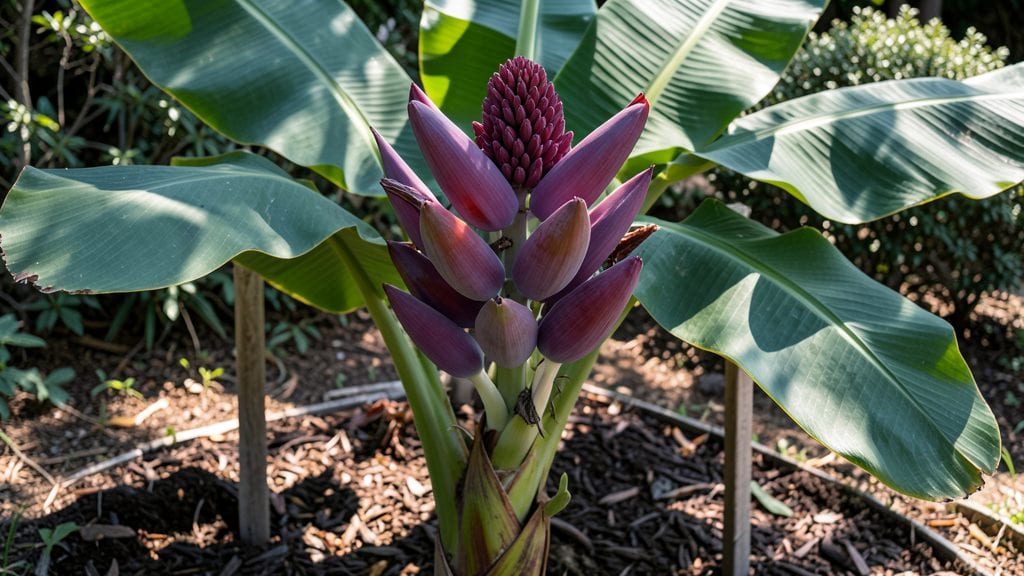
That first banana flower emerging feels like a tropical miracle—especially when you realize you grew it yourself. 🌿 The sight of a banana plant opening its dramatic, foot-long bloom is the gardener’s reward for patience, and it’s easier than you think to coax yours into doing it.
Most banana plants need 2-3 years of warm weather and rich soil before they’re ready to flower, but the real secret lies in proper care.
I’ve watched mine go from a scraggly sapling to a towering, blooming stunner by giving it full sun, well-draining soil, and regular water—no fancy tricks, just consistency. The moment you spot that tight, purple-tinged bud at the top, you know the magic is about to begin.
When the flower opens, you’ll get one massive bloom that lasts just a few days—but it’s worth it. The tiny bananas that follow (yes, they’re edible!) take 6-9 months to ripen, and the plant may even produce a second, smaller flower.
The key is keeping it healthy: prune old leaves, fertilize lightly, and protect it from frost.
This works best in USDA Zones 10-11, but container growers in cooler climates can bring theirs indoors during winter. Whether you’re growing for fruit, foliage, or just the thrill of that first bloom, the payoff is pure tropical joy. Ready to grow your own?
📚 In This Guide
- What you need
- Instructions
- Tips and common mistakes
- Wrapping up and next steps
What you need
- ● Mature banana plant (Musa spp.) – Choose a healthy, flowering variety like Musa acuminata or Musa balbisiana hybrids (e.g., Cavendish or Grand Nain). Ensure the plant is at least 18–24 months old and has a visible inflorescence (flower stalk).
- ● Sharp pruning shears or knife – Sterilized with rubbing alcohol to prevent bacterial spread. Opt for a bypass blade for clean cuts.
- ○ Gloves (optional but recommended) – Heavy-duty gardening gloves to protect against sap irritation and thorns.
- ● Large bowl or bucket – A 5+ gallon capacity to collect the flower and any debris.
- ● Water spray bottle – For rinsing off sap or dirt post-harvest.
- ○ Kitchen scale (optional for precision) – Useful if you’re tracking yield for culinary or commercial use.
- ● Cutting board – A large, sturdy board (12" x 18" or bigger) for trimming.
- ● Chef’s knife or cleaver – For slicing the flower into edible sections.
- ● Colander or fine mesh strainer – If you plan to rinse or soak the flower before cooking.
- ● Plastic wrap or airtight container – For short-term storage (up to 3–5 days in the fridge).
- ● Warm climate or greenhouse – Banana flowers thrive in USDA Zones 10–12 or controlled indoor environments with 75–85°F temperatures.
- ● Patience (3–6 months for flowering) – From planting a pup, it takes time for the plant to mature and produce a bloom!
- ● Knowledge of banana plant anatomy – Familiarize yourself with the inflorescence (the "heart" of the flower) to identify the edible parts.
How to grow and harvest banana flowers at home
Here's how to coax those stunning banana blooms right from your own garden space.
🌱 Step 1: Select the Right Banana Variety for Home Growing
Not all bananas produce edible flowers—focus on dwarf varieties like Dwarf Cavendish or Lady Finger since they're the easiest to grow in containers or small gardens. These varieties stay under 10 feet tall, making them perfect for home harvests. Look for plants labeled "ornamental" or "edible" at tropical nurseries—they'll have the thick, heart-shaped pseudostems you need.
Here's the thing—banana plants are technically herbaceous, not woody, so they'll die back after fruiting. That means you'll replant annually, but the flowers appear 6-12 months after planting, so plan ahead. Start with a 2-3 foot tall plant for your first harvest—younger plants often produce smaller, less dramatic blooms.
☀️ Step 2: Provide Ideal Growing Conditions
Banana plants thrive in full sun (at least 8 hours daily) and warmth—they won't tolerate temperatures below 50°F. If you live in cooler climates, grow them in large containers (at least 15-gallon pots) that you can move indoors during winter. The soil should stay consistently moist but never soggy—water when the top 2 inches feel dry to the touch.
This is where most home growers go wrong: they overwater. Banana roots rot easily, so drainage is critical. Amend your soil with compost and a handful of slow-release fertilizer at planting time. You'll see new leaves unfurl every 2-3 weeks once established—that's your sign the plant is happy and heading toward flowering.
💧 Step 3: Encourage Flowering with Proper Care
Banana plants flower when they reach maturity (usually 12-18 months after planting). To speed this up slightly, feed them monthly with banana fertilizer (high in potassium and phosphorus) during the growing season. Watch for a tight bud forming at the top of the stem—this is your banana heart, or flower, starting to develop.
Once the bud appears, reduce watering slightly to every 3-4 days—this helps the flower stalk grow strong. You'll notice the bud split open to reveal the dramatic, layered bracts within 2-4 weeks. Here's the moment that matters: cover the plant with light shade cloth (30-50%) to protect the delicate blooms from direct sun, which can scorch them.
✂️ Step 4: Harvest and Prepare the Banana Flower
When the outer bracts turn brown and the inner flower head is fully exposed, it's ready for harvest. Use a sharp knife to cut the entire flower stalk at the base—this prevents damage to the plant. The flower itself is edible, but the preparation takes time: peel back the layers carefully, removing any brown or damaged parts as you go.
Real talk: the first few times you open a banana flower, you might feel overwhelmed by all those layers. Start from the outside and work inward—you'll reveal purple, pink, or white edible parts beneath. Use the flower within 2-3 days of harvesting for the best texture and flavor. Store it in the fridge if you can't use it immediately.
Tips & tricks for perfect banana flower harvests
Growing banana flowers at home takes patience—but these little tricks will help you get the most dramatic blooms possible.
Variety Matters: If you're starting from seed, look for dwarf banana varieties labeled "ornamental" at tropical nurseries. These are specifically bred for home gardens and produce the most dramatic, edible flowers. I've found that Lady Finger varieties often produce larger blooms than Cavendish, though both are excellent choices. The key is those thick, heart-shaped pseudostems—they're your visual cue that the plant is mature enough for flowering.
Sunlight Strategy: That 8 hours of full sun daily is non-negotiable, but here's the thing: morning sun is more important than afternoon. Position your plants to catch the first rays of sunlight, which helps prevent sunburn on the delicate emerging blooms. If you're using containers, rotate them weekly so all sides get equal exposure—this creates more even growth and better flower development.
Flowering Timeline: The 6-12 month window for flowering can feel like forever, but there are ways to encourage it. Once you see that tight bud forming, reduce watering to every 3-4 days and apply a potassium-rich fertilizer. This signals the plant it's time to focus on flowering rather than leaf production. I've seen buds open 2-4 weeks after this adjustment—just be patient and watch closely!
Harvesting Hack: When those outer bracts turn brown and the inner flower head is fully exposed, here's my pro tip: harvest on a cool morning. The flower tissue stays firmer and holds up better during preparation. Use a sharp knife to cut the stalk at the base—this prevents tearing and gives you a clean cut for the next growing cycle. Remember, you'll only get one harvest from each plant before it dies back, so make it count!
Pro Tips for Banana Flower Open
- Growing banana flowers at home takes patience—but these little tricks will help you get the most dramatic blooms poss...
- Variety Matters: If you're starting from seed, look for dwarf banana varieties labeled "ornamental" at tropical nurse...
- Sunlight Strategy: That 8 hours of full sun daily is non-negotiable, but here's the thing: morning sun is more import...
Frequently asked questions
Got questions about harvesting and using your banana flower?
You’re not alone! Here are some of the most common queries—plus quick, actionable answers to help you make the most of your tropical harvest.
How do I know when a banana flower is fully "open" and ready to harvest?
A banana flower is ready when the purple or pinkish bracts at the base start to split apart, revealing a pale, fleshy interior. The flower is at its peak when the bracts are partially peeled back but still firm—this usually takes 3–6 months after planting. Avoid harvesting when the flower is fully closed (too early) or overly wilted (too late).
How long does it take for a banana flower to open after planting?
Timing varies by variety, but most banana flowers take 6–12 months to mature and open from the time the plant is established. Factors like climate, sunlight (6+ hours/day), and soil quality can speed up or slow down the process. In tropical regions, expect a faster harvest, while cooler climates may extend it to 18 months.
Can I eat a banana flower raw, or does it need to be cooked?
While some varieties (like the Musa acuminata) can be eaten raw after peeling and rinsing, most banana flowers are bitter and fibrous when uncooked. Cooking—whether boiling, frying, or steaming—softens the texture and reduces bitterness. Popular dishes include tempered stir-fries or curries. Always peel off the tough outer layers first!
What do I do if my banana flower won’t open, even after months?
If your flower stays closed, check these troubleshooting tips:
- Lack of sunlight: Move to a sunnier spot (banana plants need full sun).
- Poor drainage: Ensure the pot/soil isn’t waterlogged—root rot can stunt growth.
- Nutrient deficiency: Fertilize with a balanced, potassium-rich mix (like 10-10-10).
- Pest damage: Inspect for aphids or borers and treat with neem oil.
Are there alternatives if I can’t grow a banana flower at home?
If you’re craving the flavor or texture, try these substitutes:
- Artichoke hearts (similar fibrous texture when cooked).
- Romanesco broccoli (for a floral, crunchy bite).
- Store-bought banana blossoms (available in Asian grocery stores, often frozen).
- Hearts of palm (a closer cousin in taste, though less sweet).
Wrapping up and next steps
Discovering how to open a banana flower transforms a simple garden task into a rewarding culinary adventure! 🌱 From selecting the perfect specimen to preparing it safely, every step brings you closer to unlocking its versatile flavors—whether you're sautéing, fermenting, or blending it into dishes.
This tropical treasure is more than just a novelty; it’s a nutrient-packed, sustainable ingredient waiting to elevate your meals.
Ready to dive deeper? Start by experimenting with the recipes mentioned in our FAQs, or explore local gardening groups to swap tips on growing banana plants. Your kitchen—and your taste buds—will thank you! 🌟