
Flowers
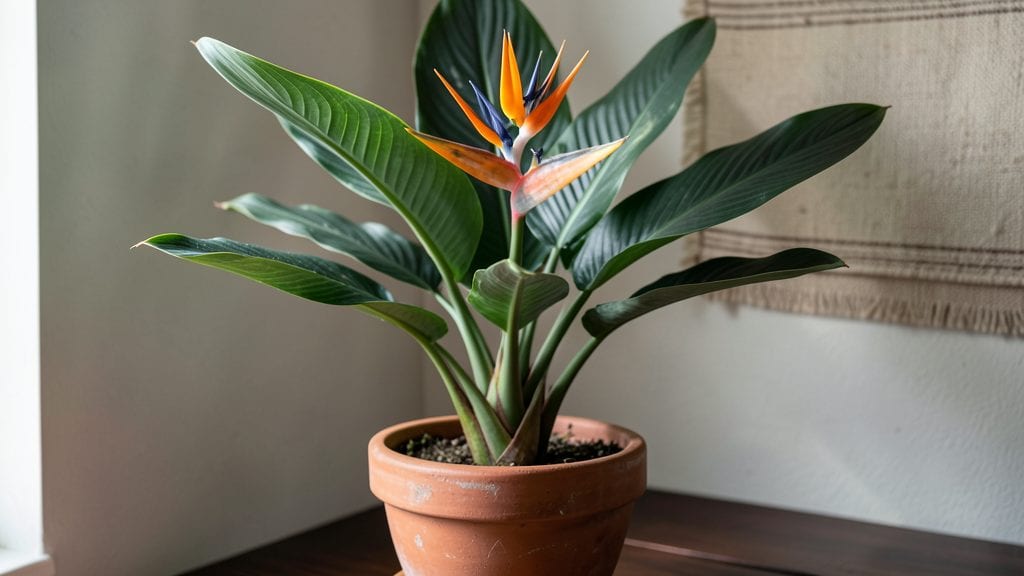
The bird of paradise flower stalk is your plant’s way of putting on a show—those dramatic, banana-shaped blooms that make neighbors do double-takes. 🌺 I’ve watched mine go from a single awkward shoot to a jungle of vibrant stalks, and the secret isn’t just water or sunlight—it’s knowing when to guide them and how to coax more of them into action.
Healthy stalks start with a sturdy plant: at least 3 feet tall, with glossy leaves and no yellowing.
When you see a new stalk emerge (usually in late winter or early spring), it’s time to pay attention—support it with a small stake if it’s wobbly, and avoid overwatering, which drowns the roots before the blooms even open.
The real magic happens in pruning: snip spent stalks at the base after they’ve finished blooming, but leave the old leaf stems—they’re the plant’s energy reserve for next season.
With the right care, you’ll end up with bold, repeat blooms that last for weeks. The flowers themselves stay vibrant for 10-14 days, and the plant often sends out 2-3 new stalks in a single season if you keep it happy.
The key is patience—your first flush might be modest, but each year, the display gets bigger, bolder, and more dramatic. Think of it as training a tropical performer to put on its best show.
Works just as well in 10-15 gallon containers as in the ground, so long as you use well-draining soil and a pot with drainage holes. The only real mistake?
Waiting until the stalk is already struggling to act—by then, it’s too late to save the show. Let’s get those blooms growing strong!
📚 In This Guide
- What you need
- Instructions
- Tips and common mistakes
- Wrapping up and next steps
What you need
- ● Bird of Paradise Plant: A healthy Strelitzia nicolai or Strelitzia reginae (ensure it’s potted or has a well-established root system).
- ● Container: A durable, well-draining pot (12–18 inches in diameter) with drainage holes. Terracotta or fiberglass works best.
- ● High-Quality Potting Mix: A well-draining, chunky mix (e.g., 60% peat or coco coir, 30% perlite/pumice, 10% compost). Avoid heavy garden soil!
- ● Slow-Release Fertilizer: A balanced, tropical plant fertilizer (e.g., 10-10-10 or 14-14-14) for initial planting.
- ● Support Stake or Trellis: A bamboo stake or metal cage (5–6 feet tall) to support the tall, heavy flower stalks.
- ● Pruning Shears: Sharp, clean shears for trimming dead leaves or spent stalks.
- ● Watering Can or Hose with Showerhead: For deep, thorough watering.
- ● Mulch: Pine bark or coconut coir to retain moisture and mimic tropical conditions.
- ● Liquid Fertilizer: A balanced liquid feed (e.g., fish emulsion or seaweed extract) for mid-season boosts.
- ● Humidity Tray: A pebble tray with water to increase humidity (great for indoor growers!).
- ● Grow Lights (Indoor Use):strong> A full-spectrum LED grow light (12–14 hours/day) if natural light is limited.
- ● Plant Food: A banana peel tea or Epsom salt (1 tsp per gallon of water) for magnesium boosts.
Step-by-Step instructions for encouraging bird of paradise flower stalk growth
Here's how to coax those iconic tropical blooms from your potted plant.
🌱 Step 1: Provide the Right Light Environment
Bird of paradise thrives in bright, indirect light—think 6-8 hours of morning sun followed by afternoon shade. Place your container near a south- or east-facing window where it gets gentle sunlight but avoids harsh afternoon rays that can scorch the leaves.
If your plant isn't flowering, it might need more light. I notice mine perks up when I move it to a sunny patio during summer months. Watch for leaves that turn pale or yellow—that's your cue to adjust the light. Too little light? The plant focuses on foliage, not blooms.
☀️ Step 2: Maintain Ideal Temperature and Humidity
This tropical beauty loves warmth—keep temperatures between 65-80°F during the day and never let it drop below 55°F at night. If you live in a cooler climate, bring it indoors before frost or use a heating mat for container plants in colder months.
Humidity is key for flower stalk development. Aim for 50-60% humidity—mist the leaves 2-3 times weekly or place the pot on a pebble tray with water to increase moisture. You'll see new growth respond quickly when the air feels more tropical. Dry air makes the plant conserve energy, delaying blooms.
💧 Step 3: Water Deeply and Consistently
Water your bird of paradise when the top 2-3 inches of soil feel dry—stick your finger in to check. This plant hates soggy roots but also won't tolerate drought. I water deeply until it drains from the bottom, then empty the saucer to prevent root rot.
Use room-temperature water to avoid shocking the roots. In winter, reduce watering to every 2-3 weeks since growth slows. Overwatering is the #1 killer—yellow leaves or mushy stems mean you're watering too much. Let the soil dry slightly between waterings for best results.
🪴 Step 4: Feed During Active Growth
Start fertilizing in early spring when new growth appears, using a balanced liquid fertilizer (like 10-10-10) diluted to half-strength. Feed every 4-6 weeks through summer, then reduce to monthly in fall and stop in winter.
I've found that phosphorus-rich fertilizer (like 5-10-5) in early spring encourages flower stalk development. Look for buds forming at the base of the plant—this is your reward for proper care. Too much fertilizer burns roots, so always follow package directions and flush the soil with water monthly.
⏰ Step 5: Prune and Support Flower Stalks
Once flower stalks appear (usually in late winter or early spring), let them grow naturally. They can reach 3-4 feet tall and may need light support—I tie them to a small bamboo stake to prevent bending. Don't cut them back until they've finished blooming.
After flowering, cut the stalk back to the base with clean, sharp pruners. This redirects the plant's energy into new growth. I also remove any yellow or damaged leaves to keep the plant healthy. Pruning encourages bushier growth and more flower stalks next season.
Tips & tricks for perfect bird of paradise flower stalk growth
Real talk: Getting those dramatic orange and blue blooms means paying attention to the little things that most plant owners overlook.
Lighting Strategy: The 6-8 hours of morning sun in Step 1 is non-negotiable—but here's the secret: rotate your plant every 2-3 weeks. This ensures all sides get equal light exposure, preventing lopsided growth. I notice my plant's leaves become more symmetrical when I do this, and it actually produces more flower stalks.
Temperature Troubleshooting: That 55°F minimum at night is critical, but don't panic if you hit 50°F for a night or two. Bird of paradise is surprisingly resilient. What I've found works best is moving the plant near a south-facing window during cold snaps—just avoid drafty spots like near exterior doors. The key is consistency over perfection.
Humidity Hack: For that 50-60% humidity target, I've had the most success with a pebble tray combined with a humidifier nearby. The pebble tray alone maintains humidity around the plant, while the humidifier keeps the whole room's moisture up. You'll see new growth appear faster when the air feels more tropical—it's like the plant wakes up!
Fertilizer Timing: When you start fertilizing in early spring, use that phosphorus-rich 5-10-5 formula but cut the dosage by half. I've seen plants get leaf burn from too much fertilizer, and that's a surefire way to delay blooming. Also, always flush the soil with water after fertilizing—this prevents salt buildup that can damage roots over time.
Pro Tips for Bird Of Paradise Flower Stalk
- Real talk: Getting those dramatic orange and blue blooms means paying attention to the little things that most plant owners overlook.
- Lighting Strategy: The 6-8 hours of morning sun in Step 1 is non-negotiable—but here's the secret: rotate your plant every 2-3 weeks.
- Temperature Troubleshooting: That 55°F minimum at night is critical, but don't panic if you hit 50°F for a night or two.
Frequently asked questions
Got questions about nurturing your bird of paradise flower stalk? You’re in the right place! Here are answers to the most common queries—whether you’re a first-time grower or troubleshooting a tricky issue.
How tall can a bird of paradise flower stalk grow in a container?
A mature Strelitzia reginae can reach 6–10 feet tall in containers, though growth slows compared to in-ground plants. Choose a large pot (15+ gallons) with drainage holes to support its height and root spread. Prune leggy stalks in early spring to encourage bushier, more compact growth.
When is the best time to trim or prune the flower stalk?
Prune your bird of paradise after flowering (late spring/early summer) or in early spring before new growth begins. Cut back 1/3 of the stalk to a joint or leaf node—this stimulates fresh foliage and blooms. Avoid heavy pruning in fall/winter, as the plant enters dormancy.
Why is my bird of paradise flower stalk turning brown or crispy?
Brown, crispy edges usually signal underwatering or low humidity. Check soil moisture (top 2 inches should be dry), and mist leaves weekly. Overwatering can also cause root rot—ensure pots have drainage holes and use a well-draining mix (cactus/succulent blend works well).
Can I grow a bird of paradise from a flower stalk cutting?
Yes! Propagate from mature stalks with at least 3–4 leaves:
- Cut 45° below a node (where leaves meet the stalk).
- Let the cutting callus for 1–2 hours (place in shade).
- Plant in moist perlite or sand and keep humid (cover with a plastic bag).
- Rooting takes 4–8 weeks—be patient!
What’s a good alternative if my bird of paradise won’t bloom?
If your plant is young (<3 years old), underlighted, or nutrient-deficient, try these fixes:
- Boost light: Move to bright, indirect sunlight (east/west windows) or use a grow light 12–14 hours/day.
- Fertilize: Use a balanced liquid fertilizer (10-10-10) every 4–6 weeks in spring/summer.
- Mimic dormancy: Reduce water in fall/winter to encourage blooming the next season.
Still struggling? Consider related tropicals like Canna lilies or Hibiscus—they’re easier to coax into bloom!
Wrapping up and next steps
Growing a bird of paradise flower stalk in containers is a rewarding way to bring tropical beauty to your space—even if you're working with limited room! 🌿 With the right soil, sunlight, and care, you’ll enjoy stunning blooms that feel like a vacation in your own home.
Whether you’re a beginner or a seasoned plant parent, this vibrant plant is a showstopper that’s worth the effort.
Ready to take the next step? Start by selecting your container and gathering your supplies—then give your bird of paradise the love it deserves. Before you know it, you’ll be admiring those iconic orange-and-blue blooms year after year!