Flowers
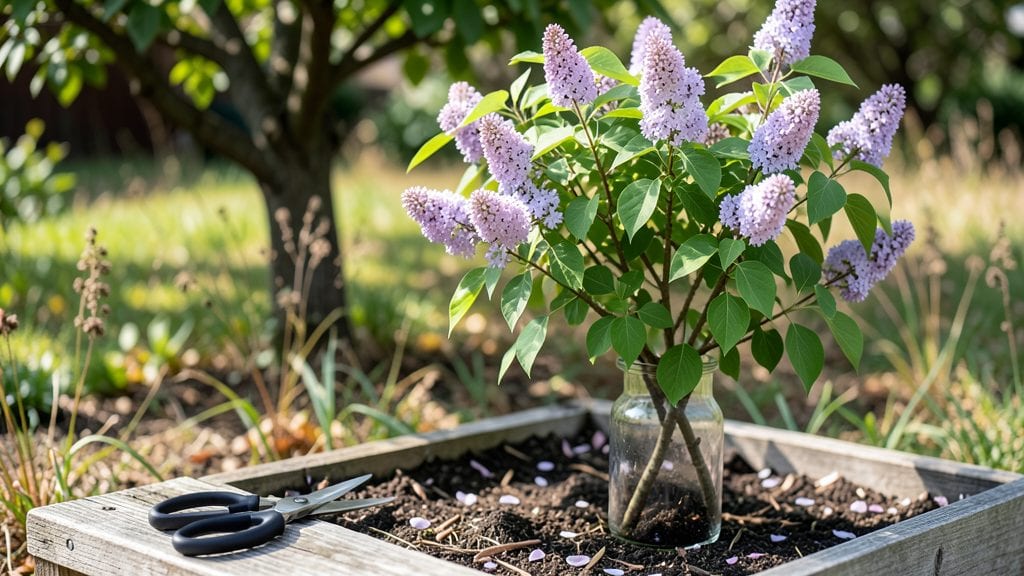
Cutting lilac flowers at the right time turns a fragrant mess into a vase that lasts weeks—and keeps your shrubs healthier for years. I used to snip blooms too late, only to watch them wilt by day three, but now I time it perfectly for both beauty and plant health.
The secret isn’t just when you cut—it’s how you do it, from the angle of the snip to the sharpness of your tools.
You’ll need just three things: sharp pruners (dull blades crush stems), a clean bucket of water (to keep cuts fresh), and a sharpie or label (to track which stems came from which plant).
Lilacs respond best to cuts made just above a leaf node, where new growth will sprout. This simple technique ensures your bouquets stay vibrant while your shrubs prepare for next year’s blooms.
The payoff is immediate: stems cut early in the morning last 10-14 days in water, their fragrance filling rooms like a springtime memory. For the shrubs, proper pruning encourages stronger growth—meaning bigger, fuller blooms next season. Just avoid cutting into old wood (the dark, thick stems), as that won’t regrow.
Whether you’re crafting bouquets or simply keeping your lilacs in top shape, this method works for any variety. The key is consistency: prune after blooming ends, clean your tools between cuts, and never let buckets sit empty. Your lilacs—and your vase—will thank you.
📚 In This Guide
- What you need
- Instructions
- Tips and common mistakes
- Wrapping up and next steps
What you need
- ● Bypass pruners: Sharp, clean pruners (avoid anvil pruners—they crush stems). Size: 5–7 inches for precision.
- ○ Loppers (optional but helpful): For thicker stems (½ inch or larger). Look for: Bypass blades and ergonomic grips.
- ● Hand pruners (for fine-tuning): A smaller pair (3–4 inches) for delicate cuts near the base.
- ● Garden gloves: Heavy-duty, cut-resistant gloves to protect against thorns and sap.
- ● Disinfectant (70% isopropyl alcohol or bleach solution): Clean tools between cuts to prevent disease spread.
- ● Buckets or vases: 2–3 containers with water (one for cutting flowers, one for trimmings). Pro tip: Add a splash of bleach or floral preservative to extend bloom life!
- ● Sharpie or masking tape: To label pruning cuts (e.g., "cut here" or "new growth") if needed.
- ● Timing: Prune lilacs after they finish blooming (late spring/early summer) to avoid sacrificing next year’s flowers.
- ● Weather: Choose a dry, overcast day to reduce stress on the plant and minimize sap bleeding.
- ○ Safety gear: Safety glasses (optional but wise if your shrub is dense or overgrown).
- ● Cleanup supplies: A small broom or leaf blower to clear debris post-pruning.
- ● Floral preservative (e.g., Floralife) to extend vase life of cut lilacs.
- ● Pruning saw for very thick stems (rare in lilacs, but useful for older shrubs).
- ● Knee pads if your lilac is ground-level or you plan to prune for hours.
- ● Camera or phone to document your shrub’s progress before/after!
Step-by-step guide to cutting lilac flowers for maximum beauty
Here's how to harvest lilacs without sacrificing next year's spectacular blooms.
Identify the Right Time to Cut
Harvest lilac flowers when they're fully open but still vibrant—usually within 3-5 days of peak bloom. Cutting too early means buds won't fully develop, while waiting too long reduces vase life. Look for clusters where at least 50% of flowers have opened their petals but still retain their fragrance.
I always check the weather first—cutting after a light rain makes flowers last longer in arrangements. Avoid cutting on hot afternoons when stems wilt quickly. Early morning is ideal for freshest blooms. The stems should snap cleanly rather than tear, indicating they're properly matured for cutting.
Use Proper Cutting Techniques
Use sharp, clean pruning shears or floral scissors to make 45-degree cuts about 4-6 inches below the flower cluster. This angled cut increases water absorption through the stem. Never cut too close to the branch—leave enough stem length to support the flower head without weighing it down.
I like to cut stems at a slight angle just above a leaf node where new growth can emerge. This prevents water from pooling in the cut and encourages healthier regrowth. Remove any lower leaves that would sit below the water line in your vase—they'll rot and shorten the arrangement's life.
Prepare Flowers for Longer Vase Life
Immediately after cutting, recut stems underwater to remove any air bubbles that could block water uptake. Place stems in a bucket of lukewarm water for 10-15 minutes to rehydrate fully. This simple step can extend vase life by 2-3 days.
Add a floral preservative to the water—just 1 teaspoon of sugar and 1 tablespoon of white vinegar per quart of water works wonders. The sugar feeds the flowers while the vinegar prevents bacterial growth. Change the water every 2-3 days to keep arrangements fresh looking.
Encourage Next Year's Blooms
After cutting, remove any spent flower clusters completely down to the main stem. This prevents the plant from wasting energy on seed production. I wait until all flowers have finished blooming before doing a more thorough pruning—this gives the plant time to store energy for next season.
For long-term health, prune back any branches that grew excessively during the blooming season to just above a set of leaves or outward-facing buds. This encourages bushier growth and more abundant blooms next year. Avoid heavy pruning in the fall—lilacs bloom on old wood, so they need last year's growth to produce flowers.
Tips & tricks for perfect lilac flower cutting
Took me years of trial and error to figure out these tricks—here's how to get the most stunning lilac arrangements while keeping your bushes healthy.
Timing Secret: The 3-5 day window after peak bloom is non-negotiable for vase life. I've learned the hard way that cutting too early means buds won't open properly, while waiting too long results in flowers that wilt within 24 hours. Check for that signature lilac fragrance—it's your best indicator of perfect timing. Early morning cuts after a light rain are my secret weapon for arrangements that last.
Cutting Technique: That 45-degree angle and 4-6 inch cut below the cluster aren't just suggestions—they're essential for water absorption. I always make my cuts just above a leaf node where new growth emerges. This simple detail prevents water pooling in the stem and encourages healthier regrowth. Trust me, your lilac bush will thank you next spring.
Post-Cut Revival: The 10-15 minute lukewarm water soak is where the magic happens. This rehydration step extends vase life by days—sometimes up to a week for properly cared-for lilacs. I've seen arrangements that would normally last 3 days stretch to 7 just from this simple technique. The sugar and vinegar combo in the vase water works like a miracle elixir for your flowers.
Pro Tips for Cutting Lilac Flowers
- Took me years of trial and error to figure out these tricks—here's how to get the most stunning lilac arrangements while keeping your bushes healthy.
- Timing Secret: The 3-5 day window after peak bloom is non-negotiable for vase life.
- Cutting Technique: That 45-degree angle and 4-6 inch cut below the cluster aren't just suggestions—they're essential for water absorption.
Frequently asked questions
Got questions about cutting lilac flowers?
You’re not alone! Here are the most common queries—and expert answers—to help you master the art of harvesting these fragrant beauties without sacrificing next year’s blooms.
When is the best time to cut lilac flowers?
Harvest lilacs after 50–70% of the buds have opened but before they’re fully faded. Early morning cuts (when dew is present) yield the freshest stems. Avoid cutting in extreme heat or late in the season—this can stress the plant and reduce next year’s flowers. Pro tip: Aim for late spring to early summer, typically May–June in most climates.
How do I cut lilac flowers without killing the plant?
Use clean, sharp pruners or shears to make a 45-degree angle cut just above a leaf node (bud). Never cut into old wood (woody stems)—this removes next year’s blooms! Limit cuts to one-third of the plant’s height per season. Troubleshooting: If your lilac stops blooming, it may be over-pruned or too young (lilacs need 2–3 years to establish before heavy cutting).
Can I cut lilac flowers more than once a season?
Yes! Lilacs produce flowers on new wood, so you can cut them back twice a season—once for early blooms and again for late-season flowers. After the first flush, trim spent blooms to encourage a second round. Just avoid heavy pruning in late summer/fall, as this can stimulate tender growth vulnerable to winter damage.
What if my lilac flowers wilt or die after cutting?
Wilting is normal—lilacs are thirsty! Place stems in lukewarm water immediately and trim the ends at an angle. Add a splash of bleach (1 tsp per gallon) to prevent bacterial growth. If flowers die quickly, check for heat stress or disease (like powdery mildew). Fix it: Move potted lilacs to shade and water deeply during heatwaves.
Are there alternatives to cutting lilacs if I want to preserve them?
Try these low-stress methods:
- Air-drying: Hang stems upside down in a dark, dry place for 2–3 weeks.
- Silhouettes: Press petals between heavy books for framed art.
- Potpourri: Mix dried petals with essential oils (like lavender) for a fragrant blend.
- Share the love: Gift freshly cut bouquets to neighbors—it’s free and spreads joy!
Wrapping up and next steps
Cutting lilac flowers isn’t just about harvesting beauty—it’s an art that ensures your shrubs thrive and bloom even more spectacularly next season. By mastering the right timing, techniques, and tools, you’ll enjoy fragrant bouquets and a healthier garden. 🌸
Ready to put your new skills to the test? Grab your pruners and head outside—your lilacs (and future bouquets!) will thank you. Happy pruning!