Flowers
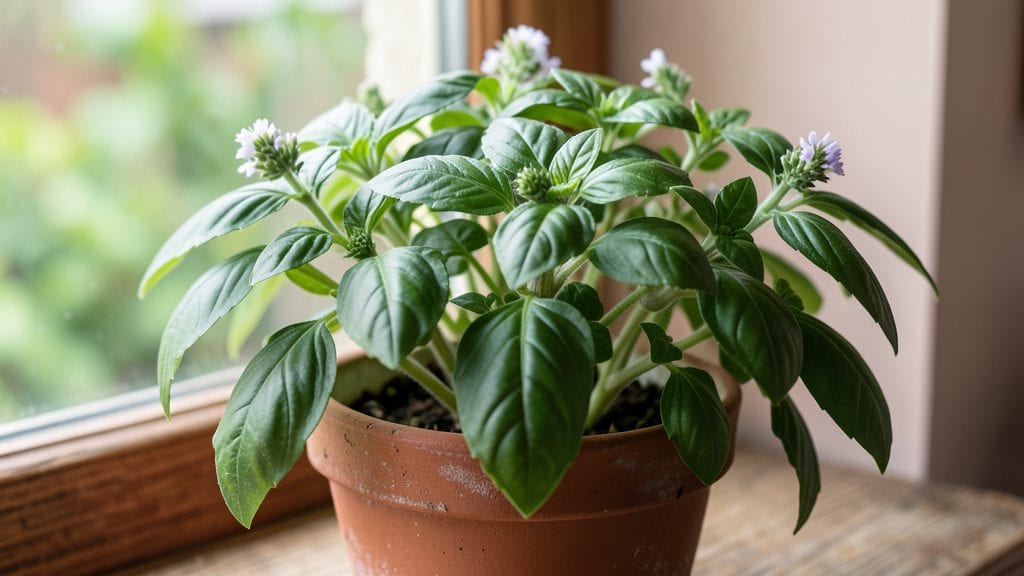
The moment your basil has flowers, don’t fret—it’s actually time to take action. 🌿 Those blooms signal your plant is redirecting energy from its prized leaves to seed production, and if ignored, your pesto game will suffer. harvest will dwindle faster than you can say "sun-dried tomato."
The good news? You can still salvage the season with a few simple adjustments that keep your basil lush and productive.
Flowering usually happens when basil senses stress—whether from too much heat, inconsistent watering, or neglecting to pinch those top leaves. My plants bolted last summer after I skipped pruning for two weeks, and by the time I noticed, half the leaves had turned bitter.
The fix? Regular harvesting, balanced sunlight, and a consistent watering routine that keeps soil moist but not soggy. Even my black thumb can prevent this with just 10 minutes of weekly care.
Here’s the silver lining: those flowers are edible! Toss them into pesto for a peppery kick or use them as a fragrant garnish for caprese salads.
But if you want leafy growth to continue, snip off the flower buds as soon as you spot them—this redirects the plant’s energy back to what you’re really growing for. Within days, you’ll see fresh, tender leaves pushing out again, and your kitchen will smell like summer all over.
This works for both container basil on your windowsill and larger plants in the garden.
The key is staying proactive: check your plants twice a week, harvest leaves regularly, and move containers to partial shade if temperatures climb above 85°F. Your basil will thank you with nonstop harvests all season long.
📚 In This Guide
- What you need
- Instructions
- Tips and common mistakes
- Wrapping up and next steps
What you need
- ● Basil plants: 3–5 healthy Genovese or Sweet basil plants (or seeds, if starting from scratch). Choose organic or pesticide-free for the best flavor!
- ● Well-draining potting soil: 1–2 bags (10–15 quarts each) of high-quality, organic potting mix (e.g., Miracle-Gro or FoxFarm). Avoid garden soil—it can compact and suffocate roots!
- ● Containers or garden space: Option 1 (Containers): 5–6-inch diameter pots (1 per plant) with drainage holes. Terracotta or fabric pots work best!
- ● Option 2 (Garden Bed): A sunny spot with at least 6 hours of direct sunlight daily. Space plants 12–18 inches apart.
- ○ Fertilizer: A balanced, water-soluble fertilizer (e.g., 10-10-10 NPK ratio) or organic options like fish emulsion or compost tea. Optional but recommended for faster growth!
- ● Pruning shears or clean scissors: Sharp, sterilized tools (rubbing alcohol works for disinfecting). Avoid dull blades—they crush stems and stress plants.
- ● Spray bottle: For misting leaves if your climate is dry or indoors.
- ● Food processor or mortar & pestle: For making pesto or crushing flowers. A high-speed blender also works!
- ○ Cheesecloth or fine mesh strainer: To strain pesto and remove unwanted bits. Optional but saves cleanup time!
- ● A sunny windowsill, balcony, or garden with full sun exposure (6+ hours/day). Basil thrives in warmth—ideal temps are 70–80°F (21–27°C).
- ● Patience! Basil flowers typically appear 8–12 weeks after planting, depending on variety and growing conditions.
- ● Watering routine: Keep soil consistently moist but not soggy. Overwatering is a common killer—let the top inch dry out between waterings.
- ● Knowledge of edible flowers: Always positively identify basil flowers before harvesting. They should be tiny, white/purple and clustered at the stem tips. Never eat flowers treated with pesticides!
How to use and care for flowering basil plants
Here's what I've learned about keeping basil productive and delicious.
🌿 Step 1: Identify and Harvest Flowers for Peak Flavor
When basil flowers appear, they signal the plant is maturing—but don't panic. These blooms are edible and add a delicate, slightly peppery note to dishes. Pinch off flowers as soon as you spot them using your thumb and forefinger. This prevents the plant from redirecting energy into seed production, which makes the leaves bitter.
Harvest flowers in the morning when they're fully open but still fresh. You'll notice the stems are tender and the petals hold their shape better. Store them in a breathable container with a damp paper towel to keep them crisp for up to 3 days in the fridge.
✂️ Step 2: Prune to Encourage Leaf Growth
Flowering basil needs regular pruning to maintain its leafy, flavorful form. Use clean, sharp scissors to cut back any flower stems at the base where they meet the main stem. This redirects the plant's energy back to leaf production, keeping your basil lush and productive.
Don't cut more than one-third of the plant at once. You'll see new growth appear within 7-10 days at the leaf nodes just below where you made your cuts. This is your signal that the pruning worked—watch for fresh, vibrant leaves emerging from those spots.
☀️ Step 3: Adjust Care for Continuous Harvesting
Flowering basil thrives in full sun (6-8 hours daily) but may need extra attention during blooming. If your basil is flowering heavily, move it to a slightly shadier spot for a few days to slow down the blooming process. This helps maintain leaf production while you enjoy the flowers.
Water consistently to keep the soil evenly moist—not soggy. You'll know it's right when the top inch of soil feels slightly damp to the touch. Overwatering can stress the plant, while underwatering causes flowers to appear faster. A balanced approach keeps your basil happy and productive.
🌱 Step 4: Use Flowers Creatively in Cooking
Basil flowers add beauty and flavor to dishes. Sprinkle them over fresh pasta, toss them into salads, or blend them into pesto for a delicate floral note. The key is to use them fresh—they lose their best qualities once dried or frozen.
Real talk: If your basil is flowering heavily and you're not using the flowers, consider harvesting the entire plant. Cut stems just above a leaf node to encourage bushier regrowth. This gives you fresh leaves and flowers while keeping the plant productive for weeks to come.
Tips & tricks for perfectly using basil flowers
Here's what nobody tells you about making the most of your basil blooms.
Harvesting Timing: Those morning hours are your secret weapon for basil flowers. The petals are most tender and flavorful right after sunrise, which is why the instructions recommend harvesting them then. If you miss morning, try early afternoon—but avoid harvesting after 4 PM, as flowers start losing their delicate flavor and crispness by evening.
Pruning Precision: When you're cutting back those flower stems in Step 2, aim for the base where they meet the main stem. This is where new growth will emerge in 7-10 days. I learned this the hard way—leaving even a tiny stub can lead to bitter leaves. Use clean scissors and make sharp cuts just above a leaf node to encourage bushier regrowth.
Storage Strategy: That breathable container with a damp paper towel isn't just for looks—it's about maintaining humidity while allowing airflow. If you notice condensation forming inside, open the container slightly. The 3-day fridge life is perfect for using flowers in fresh dishes, but if you need to store longer, try freezing them in olive oil (they'll keep for months and make amazing infused oils).
Flower Preservation: Basil flowers are at their peak when fully open but still fresh. Look for petals that hold their shape and stems that feel tender. If you see any wilting or browning at the edges, those flowers are past their prime. The slight peppery note they add to dishes disappears quickly once they start to dry out.
Pro Tips for Basil Has Flowers
- Here's what nobody tells you about making the most of your basil blooms.
- Harvesting Timing: Those morning hours are your secret weapon for basil flowers.
- Pruning Precision: When you're cutting back those flower stems in Step 2, aim for the base where they meet the main stem.
Frequently asked questions
Got questions about basil flowers? You’re not alone! Here are some of the most common queries—plus quick, practical answers to help you make the most of these edible blooms.
Can you eat basil flowers?
Basil flowers are 100% edible and add a mild, slightly sweet flavor to dishes. They’re perfect for garnishes, pesto, teas, and even desserts. Just ensure they’re pesticide-free if harvesting from your garden.
When do basil flowers appear?
Basil flowers typically bloom 6–8 weeks after planting, especially in warm weather. If your plant is flowering too early (before harvest), pinch off the buds to encourage leaf growth. Let them bloom naturally for edible flowers!
Do basil flowers ruin the leaves?
Not necessarily! While flowering signals the plant is maturing, it won’t instantly kill the leaves. However, over time, energy shifts to seed production, reducing leaf yield. Prune flowers regularly to balance growth.
What’s the best way to use basil flowers?
Try these easy ideas:
- Pesto: Add a handful of flowers to your basil pesto for extra aroma.
- Garnishes: Sprinkle on soups, salads, or cocktails for a pop of color.
- Infusions: Steep in honey or vinegar for floral-infused syrups.
- Tea: Dry and blend with chamomile for a calming herbal tea.
Are there any risks with basil flowers?
Generally safe, but avoid flowers from store-bought basil (often treated with chemicals). If allergic to basil leaves, test a small amount first. Overconsumption may cause mild stomach upset—moderation is key!
Wrapping up and next steps
Discovering that basil has flowers opens up a world of culinary creativity—whether you’re crafting vibrant pesto or elegant garnishes! These edible blooms not only add a delicate, peppery kick but also elevate dishes with their stunning visual appeal.
Don’t let your basil go to waste; embrace its full potential in the kitchen.
Ready to experiment? Start small—pick a few flowers, try them in your next recipe, and let your taste buds guide you! Whether you’re a seasoned chef or a curious home cook, your garden (or windowsill) is now a treasure trove of flavors. 🌿✨