
Flowers
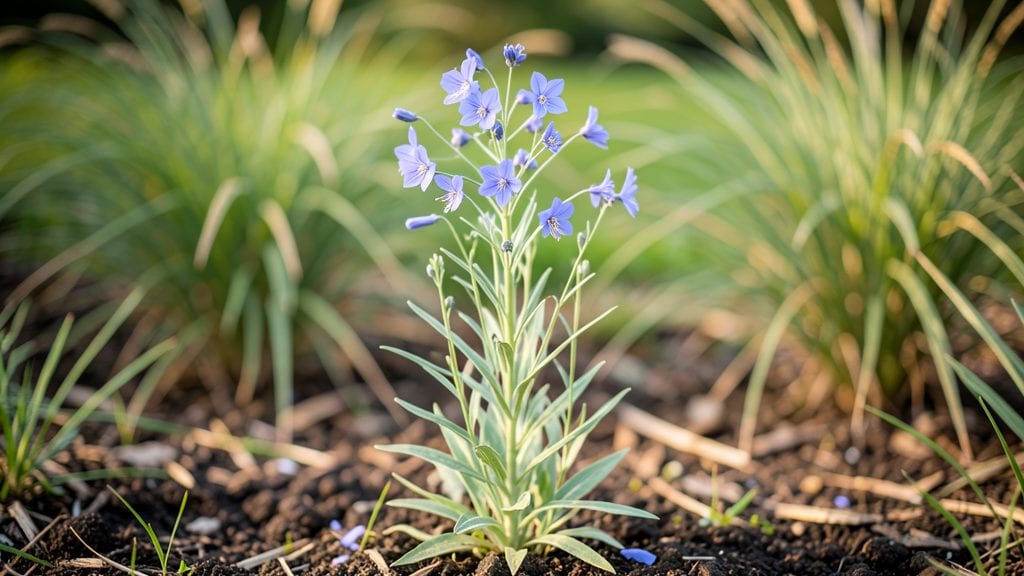
Growing blue flax flowers (Linum perenne) in your Pacific Northwest garden means adding sky-blue splashes that last from spring through summer. I remember the first time I saw them—like tiny stars scattered across my rocky hillside, thriving where nothing else would grow.
These cold-hardy perennials are the secret weapon for gardeners who want low-maintenance color without the fuss.
They love full sun to partial shade and adapt to almost any soil, even poor, rocky ground. Plant seeds in early spring or divide established clumps in fall—both methods work, but seeds give you more plants for the price.
Water lightly once established; they’re drought-tolerant once their roots take hold, which happens faster than you’d think.
What you’ll end up with is a cloud of delicate blue blooms that attract pollinators while staying tidy and self-cleaning. The foliage stays lush and green even in heat waves, and they bounce back after winter like nothing happened. No deadheading needed—they just keep blooming until frost.
Perfect for cottage gardens, wildflower meadows, or even container plantings. Once you grow them, you’ll wonder why you didn’t start sooner—they’re that easy and that rewarding. Let’s get those seeds in the ground!
📚 In This Guide
- What you need
- Instructions
- Tips and common mistakes
- Wrapping up and next steps
What you need
- ● Blue flax flower seeds: 10–20 seeds (or 1–2 seed packets for a small patch). Choose a Linum lewisii variety adapted to cold climates.
- ● Well-draining soil: Sandy loam or a mix of native soil with perlite/coarse sand (pH 6.0–7.5). Avoid heavy clay.
- ● Sunlight: Full sun (6+ hours daily). Partial shade may reduce flowering.
- ● Water: Drip irrigation or a watering can with a gentle spray nozzle (overhead water can cause mildew).
- ○ Compost or organic fertilizer: 1–2 cups of balanced 10-10-10 or a slow-release granular fertilizer (optional but recommended for nutrient-poor soil).
- ● Hand trowel or small garden fork for planting.
- ○ Garden gloves (optional but helpful for handling soil and seeds).
- ● Mulch (straw or wood chips) to retain moisture and suppress weeds.
- ● Pruners (for deadheading spent blooms or shaping plants).
- ● Seed-starting trays (if sowing indoors 6–8 weeks before last frost).
- ● Row covers or frost cloth (for early spring protection in Zone 6–7).
- ● Pollinator-friendly companion plants (e.g., yarrow or lavender) to attract bees.
- ● Drought-resistant ground cover (e.g., creeping thyme) to reduce watering needs.
Step-by-step guide to planting and cultivating blue flax flowers
This cold-hardy perennial thrives with minimal fuss once you get the basics right.
🌱 Step 1: Choose the Perfect Planting Location
Blue flax flowers adore full sun—select a site that receives at least 6-8 hours of direct sunlight daily. In the Pacific Northwest, where overcast days are common, prioritize the sunniest spot available, even if it means choosing a location near a south-facing wall or fence. The plants will reward you with taller stems and more vibrant blooms when they get plenty of light.
Well-draining soil is critical—blue flax hates soggy roots. If your garden soil is heavy clay, amend it with 2-3 inches of compost before planting. You’ll know the drainage is right when water soaks into the soil within 10-15 minutes after watering, leaving the surface slightly dry to the touch.
🌿 Step 2: Plant Seeds or Transplants at the Right Time
For direct sowing, plant seeds in early spring (March-April) or late summer (August-September). Press seeds ¼ inch deep into the soil, spacing them 12-18 inches apart—crowding leads to weak stems and fewer blooms. Lightly cover with soil and water gently to avoid displacing the seeds.
If using transplants, set them out after the last frost when soil temperatures reach 50°F or warmer. Handle seedlings carefully—their fibrous root systems are delicate. Water deeply at planting to help settle the soil around the roots, and avoid disturbing the area for 2-3 days afterward to prevent transplant shock.
☀️ Step 3: Provide Consistent Watering and Minimal Fertilizer
Blue flax is drought-tolerant once established, but young plants need 1 inch of water per week during their first growing season. Water at the base of the plant in the early morning to reduce evaporation and fungal risks. You’ll know it’s time to water again when the top 1-2 inches of soil feel dry to the touch.
Avoid heavy fertilization—blue flax thrives in lean soil. Apply a light layer of compost in early spring if your soil is particularly poor, but skip synthetic fertilizers entirely. Over-fertilizing leads to lush foliage but fewer flowers, and that’s the last thing you want from this showy perennial.
✂️ Step 4: Prune and Maintain for Long-Lasting Blooms
Deadhead spent blooms regularly to encourage continuous flowering throughout the season. Simply pinch off faded flowers with your fingers or snip them with clean pruners just above a set of leaves. This simple step keeps the plant focused on producing new blooms instead of setting seed.
In late fall, cut back the stems to 2-3 inches above the ground to promote fresh growth in spring. Unlike many perennials, blue flax doesn’t need winter protection—its cold-hardy nature means it’ll bounce back year after year with minimal intervention.
⏰ Step 5: Monitor for Pests and Adjust Care as Needed
Blue flax is generally pest-resistant, but watch for aphids or spider mites during dry spells. If you spot these pests, blast them off with a strong spray of water or treat the plant with neem oil if infestations persist. Healthy plants rarely suffer severe damage, so focus on keeping the soil moist and the air circulating.
If your blue flax starts to flop or lean, it’s a sign it needs more support. Stake taller varieties with 3-foot bamboo stakes or weave them into a small trellis for a more structured look. The goal is to keep stems upright so they can soak up as much sunlight as possible.
Tips & tricks for perfect blue flax flower cultivation
Growing these stunning perennials successfully comes down to a few key adjustments that make all the difference in the Pacific Northwest climate.
Light Optimization: In cloudy Pacific Northwest conditions, supplement natural light by positioning your blue flax near reflective surfaces like light-colored fences or gravel paths. The 6-8 hours of direct sunlight requirement can be challenging during our frequent overcast days, so maximizing indirect light exposure helps maintain vibrant blooms. Consider using a simple light meter to verify your chosen spot receives adequate light intensity.
Soil Preparation Strategy: For heavy clay soils common in the region, mix in 2-3 inches of compost and incorporate 1 part perlite or coarse sand for every 3 parts soil to improve drainage. The 10-15 minute drainage test is crucial—if water pools on the surface longer than this, your soil needs additional amendments. This adjustment prevents the root rot that can plague blue flax in waterlogged conditions.
Transplanting Technique: When setting out transplants after the last frost, pre-warm the planting hole by filling it with water 24 hours in advance to raise soil temperatures to at least 50°F. This simple preheating helps delicate seedlings establish more quickly. After planting, create a small berm around the base to capture water during irrigation, which encourages deeper root growth during the critical 2-3 day establishment period.
Watering Wisdom: The 1 inch per week guideline works best when delivered in the morning to prevent fungal issues. For container-grown blue flax, use self-watering pots with drainage holes to maintain consistent moisture without overwatering. During the first growing season, check soil moisture by inserting your finger 1-2 inches deep—this gives you a more accurate reading than surface dryness alone.
Pro Tips for Blue Flax Flower
- Growing these stunning perennials successfully comes down to a few key adjustments that make all the difference in the Pacific Northwest climate.
- Light Optimization: In cloudy Pacific Northwest conditions, supplement natural light by positioning your blue flax near reflective surfaces like light-colored fences or gravel paths.
- Soil Preparation Strategy: For heavy clay soils common in the region, mix in 2-3 inches of compost and incorporate 1 part perlite or coarse sand for every 3 parts soil to improve drainage.
Frequently asked questions
Got questions about growing blue flax flowers? You’re not alone! Here are some of the most common concerns—plus quick answers to help you cultivate these stunning perennials with confidence.
How cold-hardy is blue flax (Linum lewisii), and can it survive PNW winters?
Blue flax
thrives in USDA zones 3–8, making it perfect for the Pacific Northwest’s chilly winters. It tolerates frost and even light snow, though heavy, wet winters may cause temporary wilting. The roots stay alive, and new growth emerges in spring—just like clockwork!
When is the best time to plant blue flax seeds or transplants?
For seeds, sow directly in early spring (after the last frost) or late summer (6–8 weeks before first frost). Transplants can go in spring or early fall, but avoid planting too late—roots need time to establish before winter. Patience pays off with vibrant blooms!
How often should I water blue flax, and does it need much attention?
Once established, blue flax is drought-tolerant—water deeply but infrequently (every 1–2 weeks in dry spells). Young plants need consistent moisture, but overwatering can cause rot. Let the soil dry slightly between waterings, and watch those blue stars flourish with minimal fuss!
What can I do if my blue flax isn’t blooming, or the stems are floppy?
Floppy stems often mean overcrowding or poor drainage. Thin plants to 6–12 inches apart and ensure well-draining soil. Non-blooming? It might need more sun (6+ hours daily) or fertilizer (lightly feed in spring with low-nitrogen compost). Deadhead spent blooms to encourage more flowers!
Are there alternatives to blue flax for PNW gardens with similar beauty?
If you love blue flax’s drought-resistant, low-maintenance charm, try:
- Pacific Coast Iris (Iris tenax) – Stunning blue-purple blooms, salt-tolerant.
- Yarrow (Achillea millefolium) – Fern-like foliage, clusters of tiny flowers.
- Lupine (Lupinus spp.) – Tall spikes of blue/purple, nitrogen-fixing.
Wrapping up and next steps
The blue flax flower isn’t just a stunning addition to your Pacific Northwest garden—it’s a low-maintenance, cold-hardy perennial that thrives with minimal effort. Whether you’re drawn to its delicate blooms, pollinator-friendly benefits, or resilience in challenging climates, this plant offers beauty and practicality in one package. 🌸
Ready to bring a touch of wild elegance to your outdoor space? Start small—plant a few seeds or seedlings this season and watch your garden transform.
And if you’re feeling inspired, why not experiment with companion plants or even propagate your own blue flax? The possibilities are as endless as the sky!