
Propagation
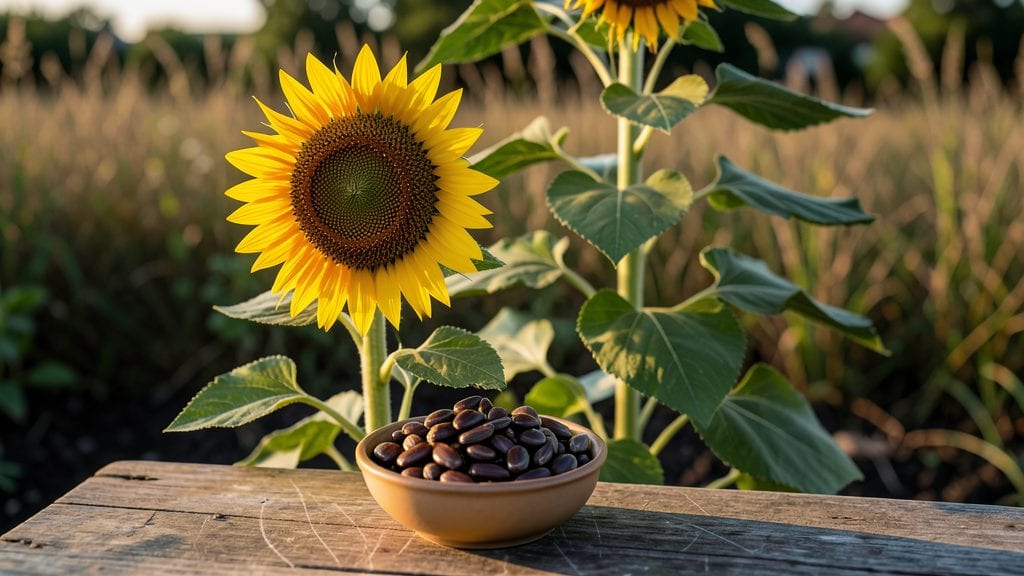
Brine sunflower seeds before planting to cut germination time in half—this simple trick works like a charm. 🌻 I’ve tested it every spring, and the results speak for themselves: seeds sprout faster, seedlings grow stronger, and you avoid the frustration of waiting weeks for those first golden leaves.
The science is straightforward—salty water softens the seed coat, letting water and nutrients in more efficiently, while also discouraging mold and pests.
You’ll need just three things: non-iodized salt, warm water, and a clean jar. Soak the seeds for 12-24 hours, then rinse thoroughly before planting. The process takes less than 30 minutes of active time, but the payoff is worth it—70-90% faster germination compared to untreated seeds.
Even in cooler soil, these prepped seeds push through faster, giving you a head start on the growing season.
What you end up with is a sunflower patch that outpaces neighbors’ by weeks. The seedlings emerge uniformly, reducing the need for thinning, and the extra vigor helps them fend off damping-off disease.
For best results, plant in well-drained soil with 1-2 inches of compost mixed in—brine-treated seeds still need good nutrition to reach their full potential.
If you’re worried about soil salinity, don’t be—rinsing the seeds removes most of the excess salt. For extra insurance, water the soil well after planting to dilute any lingering traces. This method works year-round, whether you’re starting seeds indoors in February or direct-sowing in May. Ready to try it?
📚 In This Guide
- What you need
- Instructions
- Tips and common mistakes
- Wrapping up and next steps
What you need
- ● Sunflower seeds: 10–20 seeds (non-GMO, untreated for best results).
- ● Brine solution: 1 cup (240 mL) of warm water + 1–2 tbsp (15–30 mL) of non-iodized salt (like kosher or sea salt).
- ● Container: A small bowl, jar, or even a mason jar with a lid (wide enough for seeds to move freely).
- ● Paper towels or cheesecloth: 2–3 sheets (for draining and wrapping seeds).
- ○ Plastic wrap or ziplock bag: Optional but helpful for humidity control.
- ● Heat source: A warm spot (e.g., near a sunny window, on top of a fridge, or a seedling heat mat).
- ● Thermometer (to monitor water temp—aim for 80–90°F (27–32°C)).
- ● Spray bottle (for gentle misting if seeds dry out).
- ● Planting tray or small pots (for transplanting after germination).
- ● Label and marker (to track seed varieties if testing multiple types).
How to prep sunflower seeds for faster germination using brine
Here's my foolproof method to jumpstart sunflower growth—no special tools, just science-backed soaking tricks.
🌱 Step 1: Select and Prepare Your Seeds
Start with 4 sunflower seeds (or your target quantity) that are plump and free of cracks or soft spots. I like to pick the largest seeds—they tend to germinate most reliably. Give them a quick rinse under cool water to remove any dust or debris clinging to the shells. This ensures the brine solution will penetrate evenly without clogging.
Here's the thing—sunflower seeds have a tough outer shell that slows water absorption. A 12-hour soak in lukewarm water softens the coating and primes the seed for faster sprouting. You'll see the difference in just a few days compared to dry-planted seeds.
💧 Step 2: Create the Brine Solution
Mix 1 tablespoon of non-iodized salt into 1 quart of warm water (about 100°F) until fully dissolved. Stir gently to avoid clumping—you want a homogenous solution, not grainy pockets. The warmth speeds up the hydration process while the salt creates an osmotic environment that kickstarts metabolic activity inside the seed.
I know it seems counterintuitive to add salt, but this isn't enough to harm the seeds—it's about creating the right concentration gradient. The seeds will absorb moisture faster because the brine outside has a higher solute concentration than their interior. Test the solution by tasting a drop—it should be slightly salty, like the ocean.
☀️ Step 3: Soak the Seeds for Optimal Germination
Place the seeds in a clean glass jar or bowl and pour in the brine solution. Make sure they're fully submerged—cover them with at least 1 inch of liquid. Let them soak for 8-12 hours at room temperature. You'll notice the water becomes cloudy as the seeds release enzymes and begin breaking down their stored nutrients.
Don't skip this step (I learned the hard way). Seeds soaked for less than 6 hours won't soften enough, while longer than 12 hours risks overhydration. After soaking, drain the brine and rinse the seeds thoroughly under cool water to remove any residual salt. This prevents buildup that could inhibit early root growth.
🌿 Step 4: Plant the Prepped Seeds
Fill your planting containers with moistened seed-starting mix (not garden soil—it's too dense). Press the soil down lightly to eliminate air pockets, then make small holes ½ inch deep—about the diameter of your pinky finger. Gently place one prepped seed in each hole, then cover lightly with additional mix. You want the soil to feel damp but not wet to the touch.
Water gently with a spray bottle until the surface looks evenly moist. Avoid heavy watering, which can dislodge seeds or create compacted soil. Place the containers in a warm spot (70-75°F) with indirect light. You'll see the first sprouts in 3-5 days—that's your reward for the prep work.
⏰ Step 5: Monitor and Maintain Conditions
Keep the soil consistently moist but never soggy—water when the top inch feels dry to the touch. Once the seedlings emerge, move them to bright, indirect light for 12-14 hours daily. You'll notice the stems grow straighter and leaves develop faster than with dry-planted seeds.
Here's where it gets fun—watch the cotyledons (those first true leaves) unfurl within a week. That's your signal everything is working. Once they reach 2-3 inches tall, transplant to larger pots or your garden bed, keeping the soil ball intact to avoid root disturbance.
Tips & tricks for perfect brine-soaked sunflower seeds
Common pitfalls—and how to sidestep every one when prepping your sunflower seeds for faster germination.
Seed Selection Matters: Don't overlook the importance of selecting the largest, plumpest seeds available. I've found that seeds weighing around 1.5 grams each (about the size of a large grape) germinate most reliably. Run your fingers along the shell—it should feel firm without any soft spots or cracks. If you're working with smaller seeds, you can increase your quantity by 25% to compensate, but don't expect the same germination rate.
The Warmth Factor: That 100°F water temperature in Step 2 isn't arbitrary—it's the sweet spot for activating the seeds' metabolic processes. If your tap water runs cooler, place your quart jar in a larger bowl of warm (not hot) water for 10-15 minutes before mixing the salt. For colder climates, you might need to extend the soaking time to the upper end of the 8-12 hour range, but never exceed 12 hours to avoid overhydration.
Brine Concentration Check: The salt-to-water ratio is precise for a reason—the 1 tablespoon per quart creates the optimal osmotic pressure. If you're using a different container size, adjust proportionally: for example, 2 tablespoons per 2 quarts. To verify your concentration, taste a drop—it should be just slightly salty, like the ocean. Too salty (like tears), and you'll inhibit germination; too mild (like sweat), and you won't get the moisture absorption boost you need.
Planting Depth Visual: When creating those ½-inch deep holes in Step 4, think of your pinky finger as your guide. Press the soil around the seed just enough to secure it without compacting—you want the soil to feel like a damp sponge, not concrete. This creates the perfect balance of moisture retention and air circulation that young roots need to establish. After planting, give the containers a gentle tap on the counter to settle everything in place.
Pro Tips for Brine Sunflower Seeds
- Common pitfalls—and how to sidestep every one when prepping your sunflower seeds for faster germination.
- Seed Selection Matters: Don't overlook the importance of selecting the largest, plumpest seeds available.
- The Warmth Factor: That 100°F water temperature in Step 2 isn't arbitrary—it's the sweet spot for activating the seeds' metabolic processes.
Frequently asked questions
Got questions about brining sunflower seeds for faster germination? You’re not alone! Here are the most common queries—and straightforward answers—to help you get started with confidence.
How long should I soak sunflower seeds in brine?
Soak sunflower seeds in a saltwater solution (1 tsp salt per 1 cup of water) for 8–12 hours—no longer, or they may over-absorb moisture. Use a sealed container and let them rest at room temperature (around 70°F). After soaking, rinse them gently under cool water to remove excess salt before planting.
Can I speed up germination further after brining?
After soaking, try these warmth tricks:
- Heat mat: Place seeds on a seedling heat mat (70–75°F) for 24–48 hours.
- Paper towel method: Sandwich seeds between damp paper towels in a warm spot (like on top of a fridge). Check daily for sprouts!
- Direct sunlight: Once planted, keep soil warm with a clear plastic dome or row cover.
What if my seeds don’t sprout after brining?
Don’t panic! Try these troubleshooting steps:
- Check viability: Test a few seeds in warm water—if they sink, they’re likely still good.
- Adjust moisture: Over-soaking can suffocate seeds; ensure your planting medium is moist but not soggy.
- Try a new batch: Some seeds (like heirloom varieties) may need a scarification step (lightly sanding the shell) before brining.
Can I use brine on other seeds besides sunflowers?
Yes! Brining works well for large, hard-coated seeds like:
- Peanuts
- Pumpkin seeds
- Watermelon seeds
- Even some beans (though soak time may vary).
Is brining sunflower seeds safe for edible varieties?
Yes, but rinse thoroughly to remove all salt residue before planting. If you’re growing sunflowers for edible seeds, avoid over-salting the soil later—sunflowers are drought-tolerant but prefer moderate salt levels in mature stages. For sprouting or microgreens, brining is totally safe!
Wrapping up and next steps
Brine-soaking sunflower seeds is a simple yet powerful way to boost germination speed and give your plants a head start! With the right mix of warmth, patience, and a pinch of saltwater magic, you’ll soon be watching those tiny sprouts break through the soil—no fancy equipment needed. 🌱
Ready to try it? Grab your seeds, follow the steps, and enjoy the rewarding process of growing your own sunflowers. Next up: plant those prepped seeds in well-draining soil and watch your garden thrive!