
Flowers
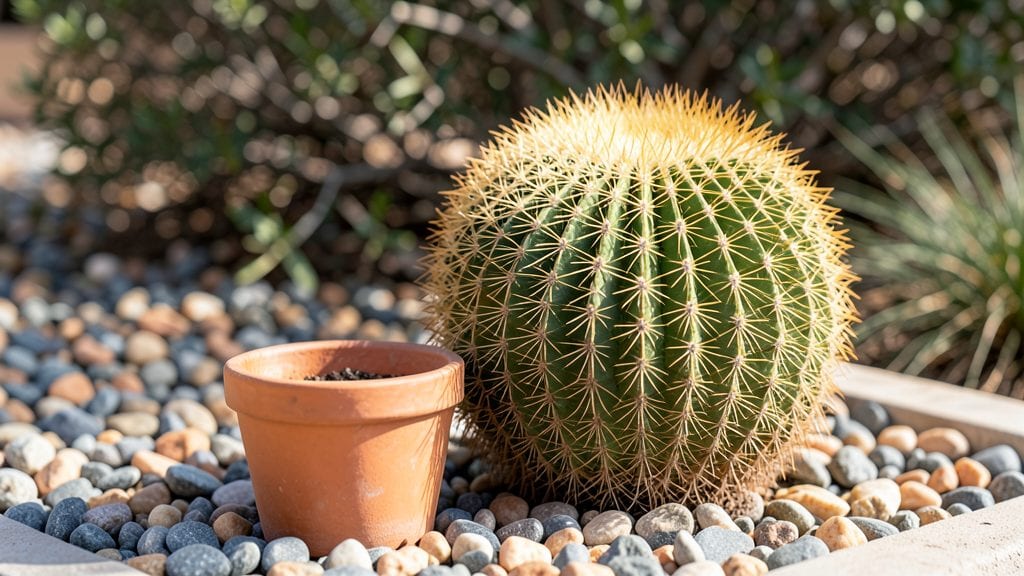
A cactus flower bed isn’t just about spiky plants—it’s a pollinator paradise that blooms year-round with color and movement. I designed mine after realizing how much my local hummingbirds and bees loved the mix of drought-tolerant cacti and native wildflowers.
The key is balancing textures: smooth cactus pads next to feathery blooms like desert marigolds or purple sage.
Start with a sunny, well-draining spot—cacti hate soggy roots, but they’ll reward you with bold colors from spring through fall. Pair barrel cacti with lantana for summer blooms, then let penstemon take over in cooler months.
Add pebbles or decomposed granite for a natural desert look while keeping weeds at bay.
What you’ll end up with is a low-maintenance, high-impact bed that thrives on neglect. The cacti store water in their stems, while the flowering companions attract butterflies and bees. Plus, the earthy tones of agave and the vibrant pops of desert paintbrush create a striking contrast that never fades.
Works in containers, raised beds, or ground plantings—even small patios can host this design. The secret? Group plants by water needs and let the cacti anchor the look while the flowers add movement. Ready to transform your yard into a desert oasis?
📚 In This Guide
- What you need
- Instructions
- Tips and common mistakes
- Wrapping up and next steps
What you need
- ● Cactus plants: 5–10 varieties (mix of Echinocactus, Opuntia, Mammillaria, or Ferocactus for diversity). Choose slow-growing types if space is limited.
- ● Well-draining soil: 3–5 cubic yards of cactus/succulent mix or amend native soil with 50% perlite/pumice and 30% coarse sand.
- ● Native wildflowers: 2–3 lbs of pollinator-friendly seeds (e.g., Lupinus, Gaillardia, or Salvia for color contrast).
- ● Mulch: 1–2 bags of gravel or decomposed granite (1–2 inches deep) to retain moisture and deter weeds.
- ● Drip irrigation system: 50–100 ft of 1/4-inch tubing with emitters (adjustable flow for cactus needs).
- ● Garden stakes or rocks: For support if planting taller cacti (e.g., Saguaro or Peniocereus).
- ● Garden gloves (cactus-safe, thick leather recommended!).
- ● Trowel or spade (for digging holes 2x wider than root balls).
- ● Hand pruners (sterilized, for trimming dead growth).
- ● Wheelbarrow (for hauling soil/mulch).
- ● Measuring tape (to space plants 12–36 inches apart, depending on maturity).
- ● Garden hose with spray nozzle (for watering new plants deeply but infrequently).
- ● Erosion control fabric (if planting on a slope).
- ● Slow-release fertilizer (balanced 5-5-5 or 3-4-6 for succulents, sparingly).
- ● Birdhouses or bat boxes (to boost pollinator activity!).
- ● Solar-powered lights (for evening ambiance).
- ● Knee pads (because gardening is hard work!).
How to design a thriving cactus flower bed for pollinators
Here's the method I've used to create vibrant, low-maintenance desert gardens that bloom year-round.
Select the Right Cactus Species for Your Climate
Start by choosing pollinator-friendly cacti that thrive in your hardiness zone. For USDA zones 9-11, prioritize species like prickly pear (Opuntia spp.), saguaro (Carnegiea gigantea), and barrel cacti (Echinocactus spp.)—all of which produce striking flowers that attract bees, hummingbirds, and butterflies. If you're in zones 7-8, opt for cholla (Cylindropuntia spp.) or ball cacti (Parodia spp.), which tolerate cooler winters.
I always research each cactus's native range—this ensures it will naturally support local pollinators. For example, saguaro cacti in Arizona support over 50 species of bees and moths, while prickly pear in Texas provides nectar for monarch butterflies. Avoid hybrid cacti unless they're specifically labeled as pollinator-friendly, as many are bred for ornamental traits rather than ecological function.
Group cacti by water needs—succulents like mammillaria require minimal moisture, while ferocactus need slightly more. This prevents overwatering, which is the #1 killer of desert plants. I like to sketch a rough layout before buying, marking sun exposure (full sun for most) and spacing (12-24 inches apart for mature plants).
Prepare the Soil for Drainage and Nutrient Retention
Cacti despise soggy roots, so drainage is non-negotiable. Mix 50% native soil (or a cactus/succulent blend) with 50% coarse sand or perlite to create a gritty, well-aerated medium. I avoid garden soil entirely—it compacts and holds too much moisture. For 4 pollinator beds, you’ll need about 2 cubic yards of this mix (roughly 1 cubic yard per 100 sq ft).
Amend the soil with a slow-release fertilizer (like a 5-10-10 blend) at half the recommended rate—cacti need very little food. Over-fertilizing encourages weak growth and attracts pests. Test your soil’s pH too; most desert cacti prefer a neutral to slightly alkaline range (7.0-8.0). If your soil is acidic, add crushed limestone to raise the pH gradually.
Before planting, rake the area smooth and create mounds (about 6 inches high) for each cactus. This mimics their natural desert habitat, where they grow on slopes to avoid water pooling. Space mounds 18-24 inches apart to allow room for roots to spread without competing for water.
Plant Cacti at the Correct Depth and Orientation
Dig a hole twice as wide as the cactus’s root ball but no deeper—planting too deep suffocates roots and causes rot. Gently remove the cactus from its pot and loosen any circling roots with your fingers. If the cactus has a natural crown (the topmost part where growth occurs), do not bury it—this is a common mistake that leads to stem rot.
Place the cactus in the hole and fill around it with the prepared soil mix, pressing lightly to eliminate air pockets. Water deeply (about 1 gallon per cactus) to settle the soil, but avoid creating a puddle. After planting, refrain from watering for 5-7 days—this lets roots establish without the risk of fungal infections.
Pay attention to orientation: Most columnar cacti (like saguaro) grow upright, while prickly pear spreads horizontally. Plant them with their natural growth habit in mind—this ensures they develop properly and don’t lean or flop over time. If you’re planting in windy areas, bury the cactus slightly deeper (by 1-2 inches) to anchor it.
☀️ Step 4: Layer in Pollinator-Friendly Ground Covers and Perennials
Cacti alone create a stark landscape, but companion plants turn your bed into a true pollinator magnet. Choose drought-tolerant perennials like desert marigold (Baileya multiradiata), penstemon (Penstemon spp.), and yarrow (Achillea millefolium)—all of which bloom repeatedly and attract bees, butterflies, and hummingbirds. For 4 beds, you’ll need about 20-30 plants total, spaced 12-18 inches apart.
Mulch with 1-2 inches of gravel or decomposed granite (not organic mulch—it retains too much moisture). This keeps soil temperatures stable and reduces weed competition. I like to edge the beds with small rocks to define the space and prevent soil from spilling into walkways. Avoid wood chips or bark—they decompose and alter soil chemistry over time.
Water deeply but infrequently—once every 2-3 weeks in the first year, then monthly once established. Overwatering is the fastest way to kill cacti, so always check soil moisture before watering. Stick your finger 2 inches into the soil; if it’s dry, water. If it’s damp, wait. This simple check prevents 90% of cactus-related problems.
⏰ Step 5: Maintain for Year-Round Blooms and Pollinator Activity
Prune dead or damaged pads in late winter (before new growth starts) using sterilized pruners. Cut just above a node (the bump where new growth emerges) to encourage branching. Never prune more than 20% of the plant at once—this stresses cacti and slows recovery. Dispose of pruned material in the trash, not the compost bin, to avoid spreading diseases.
Fertilize once in early spring with a balanced, water-soluble fertilizer (like 10-10-10) at ¼ strength. This gives cacti a gentle boost without promoting weak, fast growth. Avoid fertilizing in summer or fall—it encourages new growth that won’t harden off before winter. I also top-dress with compost in spring to improve soil structure over time.
Monitor for pests like mealybugs or scale, which thrive on stressed cacti. Treat infestations immediately with neem oil or insecticidal soap—both are safe for pollinators when used as directed. Healthy cacti rarely attract pests, so proper watering and sunlight are your best defenses. By year two, your bed should be a self-sustaining ecosystem, with pollinators visiting daily and flowers appearing in spring, summer, and fall.
Tips & tricks for perfect cactus flower beds
Creating a thriving pollinator garden with cacti takes thoughtful planning—here’s how to maximize success and avoid common pitfalls.
Species Selection Strategy: When choosing cacti for your pollinator bed, focus on native varieties first. For example, prickly pear in Texas or saguaro in Arizona aren’t just beautiful—they’ve co-evolved with local pollinators. If you’re unsure about your zone, check the USDA Hardiness Zone Map and select species that naturally thrive there. I’ve found that ball cacti (Parodia spp.) are particularly resilient in zones 7-8, while barrel cacti (Echinocactus spp.) handle the intense heat of zones 9-11 with ease.
Soil Mix Precision: The 50/50 soil-to-sand ratio in Step 2 is critical, but don’t skimp on quality. Use coarse builder’s sand (not fine beach sand) and perlite for optimal drainage. I’ve seen gardeners use playground sand by mistake—the fine particles compact over time, defeating the purpose. For larger projects, consider renting a soil screener to remove rocks and debris from your native soil before mixing. This extra step prevents future drainage issues that could rot cactus roots.
Planting Depth Visual: In Step 3, the natural crown of the cactus should always remain above soil level—this is your visual cue for proper depth. Imagine the cactus sitting on a small hill, just as it would in its native desert environment. For columnar cacti like saguaro, the crown is obvious, but spreading varieties like prickly pear may require more attention. If you’re unsure, dig a test hole and compare the cactus’s natural position in its pot to how it sits in the ground.
Companion Plant Placement: When adding pollinator-friendly perennials in Step 4, place taller varieties like penstemon toward the back of the bed and shorter ones like desert marigold in the front. This creates a layered effect that mimics natural desert ecosystems. I’ve noticed that bees and butterflies are particularly drawn to yarrow when it’s positioned near cacti—its flat flower clusters provide perfect landing platforms for pollinators.
Pro Tips for Cactus Flower Bed
- Creating a thriving pollinator garden with cacti takes thoughtful planning—here’s how to maximize success and avoid common pitfalls.
- Species Selection Strategy: When choosing cacti for your pollinator bed, focus on native varieties first.
- Soil Mix Precision: The 50/50 soil-to-sand ratio in Step 2 is critical, but don’t skimp on quality.
Frequently asked questions
When is the best time to plant a cactus flower bed?
The ideal time depends on your climate! In mild or warm zones (USDA 9-11), plant year-round. For cooler regions (USDA 3-8), wait until spring after the last frost or early fall (6-8 weeks before the first freeze). Cacti hate soggy roots, so avoid planting in winter unless you’re in a frost-free area.
How long does it take for cactus flowers to bloom?
Patience is key! Most cacti take 2–5 years to flower, depending on the species. Echinocactus and Hylocereus (night-blooming cereus) may flower sooner, while Ferocactus or Carnegiea can take decades. Pro tip: Ensure full sun, well-draining soil, and minimal watering to speed up blooming.
Will a cactus flower bed attract pollinators like hummingbirds or bees?
Absolutely!
While cacti themselves aren’t heavy pollinator magnets, pairing them with native wildflowers (like agave, yucca, or desert marigold) creates a buzzing ecosystem. Night-blooming cereus (Hylocereus) lures moths and bats, while Echinopsis draws hummingbirds. Bonus: Skip pesticides to keep pollinators thriving!
How often should I water a cactus flower bed?
Overwatering is the #1 killer of cacti! Water deeply but infrequently:
- Established cacti: Every 2–4 weeks (less in winter).
- Newly planted: Weekly for the first month, then taper off.
- Signs of overwatering: Yellowing, mushy stems, or mold.
Pro tip: Use gravel or sand in soil to improve drainage, and water at the base (not the crown) to avoid rot.
Can I grow cactus flowers in containers or pots?
Yes! Containers are great for smaller cacti (like Mammillaria or Schlumbergera) or tropical cereus. Use pots with drainage holes and a cactus/succulent mix. For large species (e.g., Saguaro), opt for ground planting—they’re heavy and need space. Winter care: Move pots indoors if temps drop below 20°F (-7°C).
Why aren’t my cactus flowers blooming?
No flowers? Check these fixes:
- Not enough sun: Most cacti need 6+ hours of direct sunlight daily.
- Over/under-watering: Adjust to dry conditions (cacti store water!).
- Too young: Some species need 3+ years to mature.
- Lack of nutrients: Add low-nitrogen fertilizer (like 5-10-10) in spring.
If the issue persists, your cactus may need re-potting or a warmer, sunnier spot.
Wrapping up and next steps
A cactus flower bed isn’t just a desert oasis—it’s a vibrant, low-maintenance paradise that thrives year-round while supporting pollinators and adding bold color to your space. 🌵✨ Whether you’re drawn to the striking blooms of Echinocactus or the delicate charm of Notocactus, this garden style proves beauty and sustainability go hand in hand.
Ready to transform your outdoor space? Start small—pick a sunny corner, gather your materials, and let your creativity bloom! Plant your first cactus today and watch your garden flourish with minimal effort.