Flowers
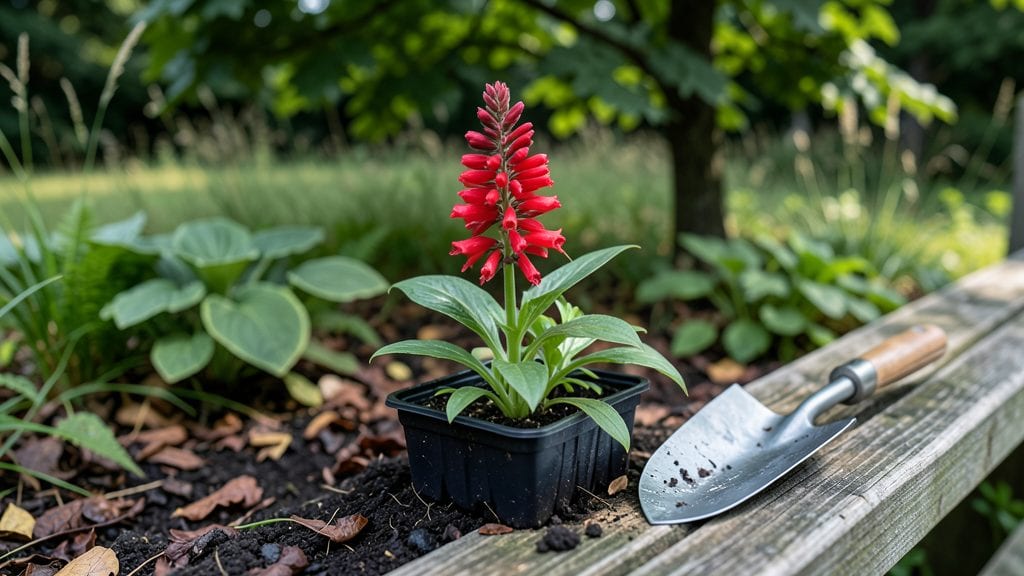
Planting cardinal flowers means welcoming a bold splash of red that hummingbirds can’t resist—these towering spikes of crimson blooms thrive in moist areas and bring life to shady corners. I’ve grown them along stream edges and woodland borders, and they never fail to draw curious hummingbirds darting between the flowers.
The key is mimicking their natural habitat: rich, damp soil and partial shade, where their 4-foot-tall spikes stand out like beacons.
You’ll need well-draining soil that stays consistently moist—think of a bog garden or rain garden setup. Cardinal flowers despise dry conditions, so mulch heavily to retain moisture and keep roots cool. Plant bare-root divisions in early spring or fall, spacing them 18-24 inches apart for dramatic clusters.
The deeper you set the roots, the stronger the plant will establish, especially in windy spots.
Within 6-8 weeks, you’ll see those signature star-shaped blooms emerging, and by midsummer, your garden will hum with activity. The flowers attract not just hummingbirds but butterflies too, making them a low-maintenance pollinator magnet. Just keep the soil moist—never soggy—and watch them thrive through late summer.
Perfect for woodland gardens, pond edges, or any spot with morning sun and afternoon shade. They self-seed modestly, so you might get surprises in future seasons. Here’s how to get started without overcomplicating it!
📚 In This Guide
- What you need
- Instructions
- Tips and common mistakes
- Wrapping up and next steps
What you need
- ● Cardinal flower seeds or nursery-grown plants: Seeds: 1–2 packets (500–1,000 seeds per packet) for full coverage.
- ● Plants: 3–5 mature transplants (4–6 inches tall) for quick impact.
- ● Well-draining potting mix or garden soil: 5–10 gallons (for containers) or amended garden beds (for in-ground planting).
- ● Organic compost or fertilizer: 1–2 cups (for enriching soil).
- ● Watering can or hose with a gentle nozzle: For consistent moisture.
- ● Pruners or shears: Sharp, clean pair for trimming.
- ○ Mulch (optional but recommended): 2–3 inches of shredded bark or straw to retain moisture.
- ● Gloves: Protect your hands from soil and thorns.
- ● Trowel or transplant spade: For digging holes (6 inches deep).
- ○ Container pots (optional): 12–14 inches deep with drainage holes (if growing in pots).
- ● Plant labels: To track varieties and planting dates.
- ○ Hummingbird-friendly companions (optional): Bee balm, coneflowers, or salvia for a pollinator paradise!
- ● Sunlight: 4–6 hours of partial shade (morning sun, afternoon shade works best).
- ● Moisture-loving soil: Cardinal flowers thrive in consistently damp (not soggy) conditions.
- ● Patience: Seeds take 10–14 days to germinate; transplants bloom in 8–12 weeks.
How to plant cardinal flower for stunning hummingbird attraction
This striking perennial thrives with minimal fuss once you nail the basics.
Choose the Perfect Planting Site
Cardinal flowers demand moist, well-drained soil and full sun to partial shade—they won’t tolerate dry, compacted earth. I always scout the dampest spot in my garden, often near ponds or rain gardens, where the soil stays consistently moist but not waterlogged. Test the area by digging a 6-inch hole—if water pools after 30 minutes, amend with 2 inches of compost to improve drainage.
Here’s the thing—cardinal flowers grow 3-5 feet tall with arching stems, so plant them where they won’t be crowded. Give each clump 18-24 inches of space between plants to prevent root competition. If your soil is heavy clay, mix in 1 part perlite per 3 parts soil to loosen it up.
Prepare the Soil and Plant Bare-Root Starts
Dig a hole twice as wide as the root ball but no deeper—cardinal flowers hate being buried too deep, which can rot the crown. Gently loosen the roots of your bare-root plant if they’re circling, then place it in the hole so the top of the root ball sits just below soil level. This ensures the plant won’t sink as it grows.
Fill the hole with the amended soil, pressing lightly to remove air pockets. Water deeply right after planting to settle the roots. I like to add a 1-inch layer of mulch (like shredded hardwood bark) around the base to retain moisture and suppress weeds—just keep it 2 inches away from the stem to prevent rot.
Water and Maintain Moisture for Establishment
Cardinal flowers need consistent moisture, especially in their first year. Water 2-3 times per week until new growth appears, then 1-2 times weekly once established, depending on rainfall. You’ll know they’re happy when the leaves stay vibrant green—wilting or yellowing means they’re thirsty.
Don’t skip the mulch—it’s the secret to keeping roots cool and hydrated. In hot climates, I top off the mulch layer every few months to prevent it from breaking down too quickly. Avoid overhead watering once flowers appear; it can cause powdery mildew on the delicate blooms.
Prune and Deadhead for Longer Blooms
Cut back spent flower stalks to the first set of healthy leaves after blooming to encourage a second flush of flowers. I use clean, sharp pruners and make cuts at a 45-degree angle just above a leaf node. This redirecting energy prevents the plant from seeding itself and ensures more vibrant blooms.
In late fall or early winter, trim back dead or damaged stems to 6 inches tall. This keeps the plant tidy and prevents disease buildup in the crown. Cardinal flowers are hardy in USDA zones 3-9, so they’ll bounce back year after year with minimal care.
Attract Hummingbirds with Strategic Planting
Plant cardinal flowers near feeders or other nectar-rich plants like bee balm or columbine to create a hummingbird highway. The bright red tubular blooms are irresistible, and you’ll see them hovering within 2-3 weeks of planting. For extra appeal, add a small water feature nearby—hummingbirds love to bathe.
Here’s a pro tip: Avoid pesticides entirely. Even organic sprays can harm the tiny insects hummingbirds rely on for protein. Let nature do its thing, and you’ll have a year-round hummingbird buffet that keeps them visiting long after the flowers fade.
Tips & tricks for perfect cardinal flower planting
These simple yet game-changing insights will help you cultivate thriving cardinal flowers that hummingbirds can’t resist.
The Soil Test Trick: Before amending your soil in Step 1, perform a simple moisture test by digging a 6-inch hole and leaving it uncovered for the full 30 minutes mentioned. If water remains after this time, your soil is too compacted—this is your cue to add that 2 inches of compost. The goal is moist, not soggy; cardinal flowers despise waterlogged roots, which can lead to root rot and stunted growth.
Root Ball Placement: In Step 2, when positioning your bare-root plant, focus on the crown—the transition point between roots and stems. This should sit just below soil level, never buried deeper. I’ve learned this the hard way: burying too deep suffocates the plant, while planting too high exposes the roots to drying out. A good rule of thumb is to keep the crown at the soil line, then lightly press the surrounding soil to eliminate air pockets.
Watering Wisdom: The 2-3 times weekly watering schedule in Step 3 is non-negotiable during the first year, but timing matters just as much. Water deeply in the morning to allow foliage to dry before evening, preventing fungal issues. For established plants, let the top inch of soil dry between waterings—this mimics natural rainfall patterns and encourages deeper root growth. A simple finger test works perfectly: if the topsoil feels dry, it’s time to water.
Pruning Precision: When deadheading in Step 4, those 45-degree angle cuts aren’t just for show—they’re essential. Making clean cuts just above a leaf node redirects the plant’s energy toward new growth rather than seed production. I always sterilize my pruners with rubbing alcohol between cuts to prevent spreading disease. For winter pruning, wait until after the first hard frost when the plant is fully dormant—this ensures you’re only removing truly dead stems.
Pro Tips for Cardinal Flower Planting
- These simple yet game-changing insights will help you cultivate thriving cardinal flowers that hummingbirds can’t res...
- The Soil Test Trick: Before amending your soil in Step 1, perform a simple moisture test by digging a 6-inch hole and...
- Root Ball Placement: In Step 2, when positioning your bare-root plant, focus on the crown—the transition point betwee...
Frequently asked questions
Got questions about growing these vibrant blooms? Here are some of the most common queries about cardinal flower planting—plus expert answers to help you succeed!
When is the best time to plant cardinal flowers?
Plant cardinal flowers in early spring (after the last frost) or late summer (for fall blooms). They thrive in warm soil—avoid planting in hot, dry conditions. If starting from seeds, sow them in late spring for summer growth. Pro tip: Soak seeds overnight to speed up germination!
Why aren’t hummingbirds visiting my cardinal flowers?
Hummingbirds love cardinal flowers, but a few factors might deter them:
- Timing: Blooms peak in summer—plant early for year-round attraction.
- Location: Place flowers in sunny, sheltered spots (hummingbirds avoid windy areas).
- Nectar access: Ensure flowers aren’t overcrowded or wilted.
If issues persist, add a hummingbird feeder nearby as a backup!
Can I grow cardinal flowers in containers?
Yes! Cardinal flowers adapt well to large containers (12"+ diameter) with well-draining soil and partial shade. Use a mix of potting soil and compost, and water consistently. Just ensure the pot stays moist but not soggy—they’re sensitive to drought.
What do I do if my cardinal flowers wilt or turn yellow?
Wilting or yellowing often signals overwatering, poor drainage, or root rot. Check for:
- Watering habits: Water at the base (not leaves) and reduce frequency if soil stays damp.
- Container issues: Ensure pots have drainage holes and avoid saucers that trap water.
- Soil health: Amend heavy clay soil with organic matter to improve aeration.
Trim affected stems to encourage new growth.
Are there cardinal flower alternatives for drier climates?
If your area is too dry, try these hummingbird-friendly alternatives with similar bold blooms:
- Bee balm (Monarda) – Drought-tolerant, attracts pollinators.
- Salvia (Scarlet Sage) – Thrives in heat, long-lasting flowers.
- Columbine (Aquilegia) – Adaptable, adds vertical interest.
All three love sun to partial shade and require less moisture than cardinal flowers.
Wrapping up and next steps
Planting cardinal flowers is a rewarding way to add vibrant color to your garden while supporting local hummingbirds and pollinators. With their striking red blooms and easy-care nature, these beauties thrive in the right conditions—just give them partial shade, moist soil, and a little patience. 🌸
Ready to transform your garden? Start by gathering your supplies, choosing the perfect spot, and following the steps above. Watch your yard come alive with these bold red starbursts—your feathered friends will thank you!
Next step: Mark your calendar for late summer or early fall to plant, and enjoy the show all season long! 🐦⬛✨