
Flowers
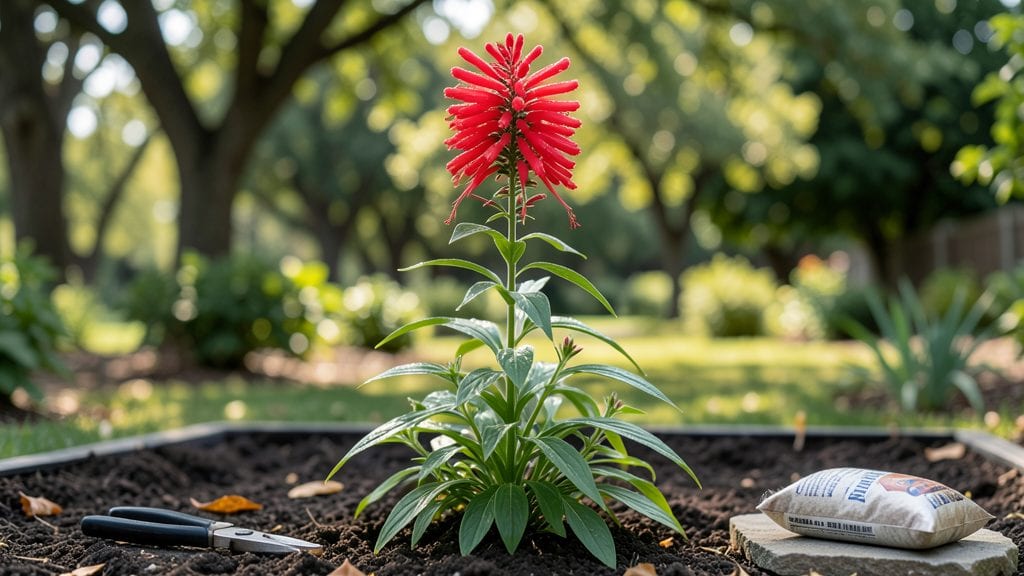
Growing cardinal flower sprouts into hummingbird magnets starts with those first 7 days of precision care—because these vibrant red blooms won’t tolerate mistakes. 🌱 I’ve learned the hard way that soggy soil or weak light means no flowers, just floppy stems.
But when you nail the balance, you’ll see those deep red spikes emerge by mid-summer, drawing hummingbirds like a neon beacon.
The secret lies in a moist but well-draining mix—half potting soil, half perlite—and keeping them in bright, indirect light. Too much sun scorches the delicate sprouts; too little stunts their growth.
Water gently at the base, never overhead, and watch for those first true leaves. That’s when you know you’re on the right track.
By week 7, you’ll have 4- to 6-inch seedlings ready for transplanting, their leaves glossy and upright. The real magic happens when they bloom: clusters of tubular red flowers that hummingbirds can’t resist.
Just be patient—these plants take a full season to reward your effort, but the payoff is worth every day of care.
Common pitfalls? Overwatering (root rot) and transplant shock (gentle handling is key). Once established, cardinal flowers thrive in moist, shady spots—perfect for woodland gardens or near ponds. Here’s how to avoid the rookie mistakes that kill these beauties before they even begin.
📚 In This Guide
- What you need
- Instructions
- Tips and common mistakes
- Wrapping up and next steps
What you need
- ● Cardinal flower seeds – 1 packet (50-100 seeds) (ensure they’re fresh for best germination).
- ● Seed-starting mix – 1 small bag (1-2 quarts) (lightweight, well-draining potting soil).
- ● Seed trays or small pots – 4-6 containers (3-4 inches deep) (with drainage holes!).
- ● Spray bottle – For gentle watering without disturbing seeds.
- ● Clear plastic wrap or humidity dome – To retain moisture during germination.
- ● Grow lights or sunny windowsill (6+ hours of indirect light/day).
- ● Fertilizer (balanced, 5-10-5 ratio) – A pinch when sprouts appear.
- ● Plant labels – To track seed varieties (if mixing types).
- ● Humidity tray – For extra moisture control.
- ● A warm spot (70-75°F) – Cardinal flowers love heat!
- ● Patience (7 days!) – Germination can take a week or two.
- ● Access to water – Keep soil consistently moist but not soggy.
Step-by-Step guide for germinating cardinal flower seeds
Here's how to coax those bright red blooms from tiny seeds—fast and reliable.
🌱 Step 1: Prep Seeds for Faster Germination
Cardinal flower seeds have a tough outer shell, so soak them overnight in lukewarm water to soften it. Place them in a small bowl with enough water to cover them completely—this mimics spring rains and speeds up sprouting. I like to use a clear container so I can see when they've absorbed enough moisture.
Check them in the morning. If the seeds swell slightly and feel softer to the touch, they're ready. If not, give them another hour or two. Never use hot water—it can damage the delicate seed structure. Once softened, drain them well and let them sit on a paper towel for 30 minutes to remove excess moisture.
💧 Step 2: Plant in Moist, Warm Soil
Fill small pots or seed trays with a lightweight seed-starting mix and moisten it until damp but not soggy. Press the soil down gently so it's firm but still airy. Cardinal flower seeds are tiny, so I use a toothpick to create small holes—about ¼ inch deep—where I can place one seed per spot.
Drop the seeds into the holes and cover lightly with a thin layer of soil. Mist the surface with water until it's evenly damp. The key here is keeping the soil consistently moist but never waterlogged. I place the pots in a clear plastic bag to trap humidity, which helps the seeds stay hydrated during germination.
☀️ Step 3: Provide Warmth and Indirect Light
Cardinal flower seeds germinate best in 70-75°F soil. Place your pots on a seedling heat mat or in a warm spot, like on top of the fridge. If you don’t have a heat mat, a sunny windowsill with indirect light works—but avoid direct sun, which can dry out the soil too quickly.
Keep the soil moist by checking it daily. You’ll see tiny sprouts in about 7-10 days. Once they emerge, remove the plastic bag immediately to prevent mold. The seedlings will be delicate, so avoid disturbing them. If you notice any yellowing or wilting, it’s a sign they need more moisture or better airflow.
🌿 Step 4: Thin and Transplant Seedlings
When seedlings reach about 2 inches tall and have their first true leaves, it’s time to thin them. Use a small pair of scissors to snip the weaker seedlings at the soil line, leaving the strongest one in each pot. This prevents overcrowding, which can lead to leggy or weak plants.
After thinning, let the seedlings harden off for a week before transplanting. Place them in a shady spot outdoors during the day and bring them back inside at night. Once they’re acclimated, move them to their permanent spot in the garden, where they’ll thrive in partial to full shade and moist, well-draining soil.
Tips & tricks for perfect cardinal flower sprouts
Here's what nobody tells you—these little tricks make all the difference with delicate cardinal flower seeds.
Soaking Secret: The overnight soak in lukewarm water (Step 1) is non-negotiable for breaking that tough outer shell. I've tried cold water—it takes twice as long. Pro tip: If your seeds don't swell after 12 hours, give them another hour. The goal is softness, not sogginess. After draining, that 30-minute towel dry is crucial—wet seeds won't germinate properly.
Planting Precision: Cardinal flower seeds are microscopic, so precision matters in Step 2. Use a toothpick to make those ¼-inch holes—any deeper and you'll bury them too much. I like to label my pots with the planting date on masking tape so I can track germination progress. The plastic bag trick works wonders for humidity, but remove it immediately when sprouts appear to prevent mold.
Temperature Troubleshooting: Those 70-75°F soil temps (Step 3) are critical. If your home stays cooler, consider a seedling heat mat—it's the difference between success and failure. I've seen germination rates drop dramatically when soil temps dip below 68°F. For extra warmth, place your pots on top of your fridge (but check it's not too hot!). The key is consistency—fluctuations confuse the seeds.
Thinning Technique: When thinning those 2-inch seedlings (Step 4), use sharp scissors to avoid tearing. I like to thin in the morning when the soil is moist—it's easier on the plants. The strongest seedling should have vibrant green leaves and a sturdy stem. Save the weaker ones for compost—they won't survive transplanting anyway.
Pro Tips for Cardinal Flower Sprout
- Here's what nobody tells you—these little tricks make all the difference with delicate cardinal flower seeds.
- Soaking Secret: The overnight soak in lukewarm water (Step 1) is non-negotiable for breaking that tough outer shell.
- Planting Precision: Cardinal flower seeds are microscopic, so precision matters in Step 2.
Frequently asked questions
Got questions about growing cardinal flower sprouts into vibrant hummingbird magnets? You’re not alone! Here are the answers to the most common queries—so you can skip the guesswork and dive right into gardening success.
How long does it take for cardinal flower seeds to sprout?
With the right conditions (warmth, moisture, and indirect light), cardinal flower seeds typically sprout in 7–14 days. For fastest results, soak seeds overnight before planting or use a heat mat to mimic their native tropical environment. Patience is key—some stubborn sprouts may take up to 3 weeks!
Why aren’t my cardinal flower seeds sprouting?
If your seeds aren’t germinating, check these culprits:
- Cold soil: Cardinal flowers thrive in warmth (70°F+). Use a seedling heat mat or wait until after the last frost.
- Dry soil: Keep the soil consistently moist (not soggy) with a spray bottle or humidity dome.
- Old seeds: Seeds lose viability after 1–2 years. Buy fresh or test a few seeds in a damp paper towel first.
Can I grow cardinal flowers from cuttings instead of seeds?
Yes! While seeds are the most common method, you can propagate cardinal flowers from softwood cuttings in spring or early summer. Snip a 4–6 inch stem, remove lower leaves, and dip in rooting hormone before planting in moist perlite. Keep humidity high (use a plastic bag) and roots should form in 4–6 weeks. Just know: Seed-grown plants often bloom faster!
How do I encourage hummingbirds to visit my cardinal flowers?
Cardinal flowers are already hummingbird superstars, but you can turbocharge their appeal with these tricks:
- Plant in full sun (6+ hours daily) for vibrant red blooms.
- Avoid pesticides—hummingbirds are sensitive to chemicals.
- Add a shallow water source (like a saucer with pebbles) nearby.
- Cluster plants in groups of 3+ for easier access.
Are cardinal flowers annuals or perennials?
Cardinal flowers (Lobelia cardinalis) are perennial in USDA Zones 3–9, but they often self-seed prolifically, making them act like annuals in colder climates. In warmer zones, they’ll return year after year—sometimes even spreading aggressively! If you want to control their spread, deadhead seeds or divide clumps every 2–3 years.
Wrapping up and next steps
Watching cardinal flower sprouts emerge in just seven days is a rewarding experience—especially when you know you’ve created a hummingbird haven! 🌸 These vibrant blooms aren’t just stunning; they’re a low-maintenance way to support pollinators while adding color to your garden.
Whether you’re a seasoned gardener or a beginner, your effort will soon be rewarded with bright red spikes that hummingbirds can’t resist.
Ready to take the next step? Plant your seeds today and enjoy the magic of nature unfolding right before your eyes. Share your progress with fellow gardeners—your success might inspire someone else to grow their own hummingbird magnet! 🌿