
Flowers
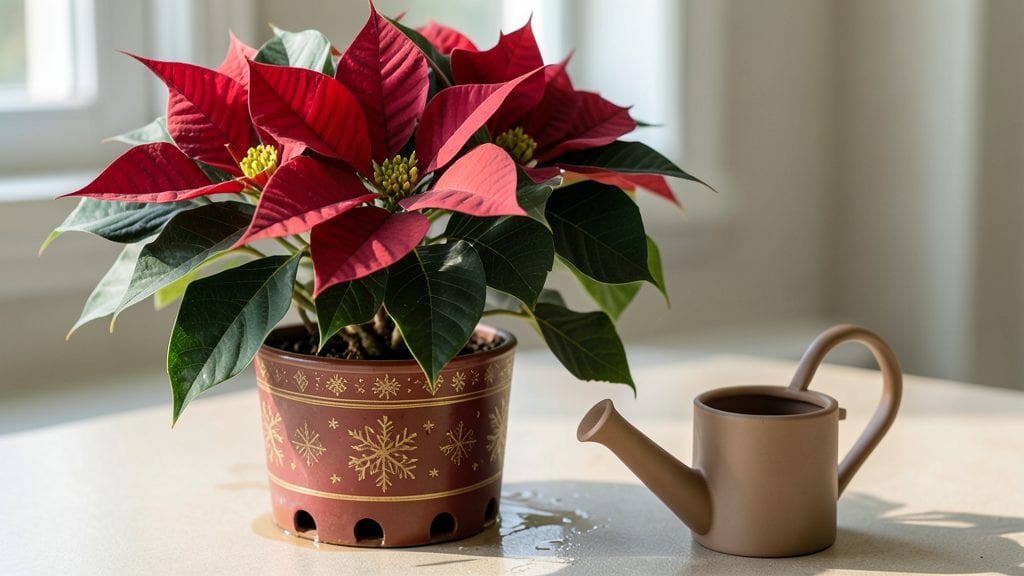
Mastering the Christmas flowers poinsettias care is the secret to keeping them vibrant and blooming for years—not just the holidays. 🌟 I’ve kept mine lush through three Christmases by mastering the light, water, and a few unexpected tricks most people miss.
The secret isn’t just holiday care; it’s what you do after the decorations come down.
Poinsettias thrive with bright, indirect light—think east or west windows—and cool nights (around 60-65°F). Overwatering is their downfall, but letting them dry out completely kills them faster. The soil should stay lightly moist, like a wrung-out sponge.
And yes, that red bract? It’s not a leaf—it’s a modified one, and stress (like drafts or sudden temperature swings) makes it fade.
With the right care, you’ll enjoy bold, long-lasting blooms twice a year instead of just December. The key is patience: after flowering, prune back stems and give them a rest period. By next fall, they’ll reward you with even brighter colors. Let’s keep yours thriving beyond the tinsel.
This works for both classic red poinsettias and the newer variegated varieties. The same rules apply—just adjust for your home’s quirks. Ready to turn your holiday plant into a year-round showstopper?
📚 In This Guide
- What you need
- Instructions
- Tips and common mistakes
- Wrapping up and next steps
What you need
- ● Poinsettia plant(s) – Choose healthy, vibrant plants with red, pink, or white bracts (avoid wilted or yellowing leaves).
- ● Well-draining potting mix – A blend of peat, perlite, and pine bark (or a pre-mixed african violet/poinsettia soil). 1 gallon per 6-inch pot.
- ● 6-inch or larger pots – Ensure pots have drainage holes to prevent root rot. Terracotta or ceramic works best.
- ● Balanced liquid fertilizer – A 10-10-10 or 20-20-20 NPK ratio (diluted to ½ strength).
- ● Watering can with a narrow spout – For precise hydration (avoid overhead watering).
- ● Pruning shears or clean scissors – Sharp, sterilized tools to trim stems and encourage bushiness.
- ○ Grow lights (optional but helpful) – Full-spectrum LED bulbs (12–16 hours/day in winter) if natural light is less than 6 hours/day.
- ● Humidity tray or pebble tray – Fill with water and pebbles to maintain 50–60% humidity (especially in dry climates).
- ● Thermometer/hygrometer – Monitor temperature (65–75°F) and humidity levels.
- ○ Rooting hormone (optional) – For propagating cuttings with 1–2 inches of stem.
- ● Mulch or decorative stones – To protect roots from temperature fluctuations.
- ● Plant labels – Track variety, watering schedule, and fertilizer dates.
Step-by-step instructions for cultivating year-round poinsettias
Here's how I keep these festive plants thriving beyond the holidays.
🌱 Step 1: Master the Light Requirements
Poinsettias demand 12-14 hours of bright, indirect light daily—no exceptions. Place them near an east or south-facing window where they receive gentle morning sun and filtered afternoon light. Avoid direct midday sun, which scorches leaves and causes them to yellow.
If your space lacks natural light, supplement with a full-spectrum LED grow light positioned 6-12 inches away. I've found that poinsettias grown under artificial light develop more vibrant bracts (those colorful leaves) because they receive consistent light intensity. Rotate the plant quarter-turn weekly so growth stays even—you'll notice stems leaning toward the light if you skip this.
💧 Step 2: Water with Precision and Drainage
Water when the top inch of soil feels dry to the touch—overwatering is the #1 killer of these plants. Use room-temperature water to avoid shocking the roots, and always water until it drains freely from the bottom. I like to place pots in a saucer of water for 10 minutes, then remove excess to prevent soggy soil.
Poinsettias hate wet feet, so ensure your container has drainage holes. If repotting, choose a pot just 1-2 inches larger than the current one—too much space causes moisture to linger. Yellowing leaves often signal overwatering, while crispy edges mean underwatering. Adjust your schedule based on what you see.
☀️ Step 3: Fertilize Strategically for Year-Long Color
Feed every 4-6 weeks during active growth (spring through fall) with a balanced, water-soluble fertilizer diluted to half-strength. I switch to a low-phosphorus formula (like 10-10-10) to prevent salt buildup, which burns roots. Withhold fertilizer October through February—this mimics their natural dormancy period and prevents leggy growth.
Here's the thing—poinsettias need 14+ hours of darkness daily for 6-8 weeks starting in late September to trigger color development. Cover the plant with a black plastic bag or move it to a closet from 5 PM to 8 AM during this period. Without this darkness, they'll produce leaves instead of bracts. I mark my calendar because missing this window means no holiday colors.
✂️ Step 4: Prune and Shape for Bushier Growth
After the holidays, cut back stems to 4-6 inches above the base. This encourages branching and a fuller shape. Use clean, sharp pruners to avoid crushing stems, and remove any yellow or damaged leaves immediately. Prune again in early spring to shape the plant and remove leggy growth.
Pinch back new growth tips when they reach 4-6 inches to promote bushier growth. You'll see side shoots emerge within 2-3 weeks—this is your signal that pruning worked. Avoid heavy pruning in late summer, as new growth won't have time to harden off before winter. Think of it as sculpting: less is more for poinsettias.
Tips & tricks for perfect poinsettia care
These simple strategies will help you keep your poinsettias vibrant all year long—no holiday disappointment here.
Light Consistency is Key: The 12-14 hours of light requirement is non-negotiable for those stunning bracts. I've noticed that even small fluctuations in light exposure can cause the leaves to lose their rich color. If you're using artificial light, position your grow light just 6-12 inches away and keep it on a timer for consistency. Morning sun through an east-facing window gives the perfect balance of gentle light without the harshness of midday rays.
Watering Wisdom: That top inch dry test is your best friend—stick your finger in the soil first thing in the morning. I've ruined more poinsettias through overwatering than anything else, so I always double-check the drainage holes after watering. The 10-minute soak method in a saucer works wonders for evenly hydrating the roots without waterlogging. Remember, crispy edges mean you need to water more frequently, while yellowing leaves are a clear sign to cut back.
Darkness Triggers Color: Don't skip the 6-8 week darkness treatment starting in late September! I mark my calendar with a big red X because missing this window means no holiday colors. Use a black plastic bag or move the plant to a closet from 5 PM to 8 AM daily. This mimics winter conditions and triggers the chemical process that produces those vibrant bracts. Think of it as the plant's version of a light diet—it forces them to focus their energy on color rather than growth.
Pruning Precision: When you cut back those stems to 4-6 inches after the holidays, use clean, sharp pruners to avoid crushing the stems. I've found that making the cuts at a slight angle just above a leaf node encourages better regrowth. The 2-3 week wait for side shoots to emerge is worth it—patience here leads to that lush, bushy appearance. And remember, early spring is your second chance to shape the plant before the growing season really kicks in.
Pro Tips for Christmas Flowers Poinsettias Care
- These simple strategies will help you keep your poinsettias vibrant all year long—no holiday disappointment here.
- Light Consistency is Key: The 12-14 hours of light requirement is non-negotiable for those stunning bracts.
- Watering Wisdom: That top inch dry test is your best friend—stick your finger in the soil first thing in the morning.
Frequently asked questions
about poinsettias—because even the most festive flowers need a little extra TLC! Here are answers to the most common questions to keep your holiday blooms thriving.How long do poinsettias typically last indoors?
With proper care, poinsettias can last months indoors! Their vibrant bracts (the colorful parts) stay bright for 6–8 weeks during the holidays. To extend their life, keep them in bright, indirect light and avoid drafts. Some varieties even rebloom with the right conditions—like 12+ hours of darkness nightly for 6 weeks starting in October.
Can poinsettias survive outside in cold weather?
Poinsettias are tropical plants and cannot handle frost or temperatures below 50°F (10°C). If you want to move them outdoors, place them in a sheltered spot (like a covered patio) during mild days. Never leave them outside overnight—even a light frost will kill them. For outdoor displays, opt for cold-hardy alternatives like cyclamen or holly.
Why are my poinsettia leaves drooping or yellowing?
Drooping or yellowing leaves usually signal overwatering or underwatering. Let the top inch of soil dry out between waterings—poinsettias hate soggy roots! Yellow leaves can also mean too much direct sunlight (move to a brighter, indirect spot) or nutrient deficiency. Flush the soil with water occasionally to remove built-up salts from tap water.
Can I reuse my poinsettia next year?
With patience, you can rebloom your poinsettia annually. After the holidays, trim stems to 4–6 inches, place it in a sunny window, and water moderately. In late summer, fertilize lightly and expose it to 12+ hours of darkness nightly for 6 weeks to encourage flowering. It’s like a holiday miracle—just requires a little planning!
What’s a good poinsettia alternative for allergy sufferers?
If poinsettias trigger allergies (their sap can irritate skin), try these low-allergen holiday plants:
- Christmas cactus (safe, drought-tolerant, and reblooms yearly)
- Paperwhites (fragrant, non-toxic, and easy to grow)
- Amaryllis (bold blooms, pet-safe, and long-lasting)
- Eucalyptus garlands (allergy-free, aromatic, and festive)
Pro Tip: Save your poinsettia’s stems!
After the holidays, don’t toss those stems. Propagate them in water—place a 4-inch stem in a jar of water, change the water weekly, and watch roots grow in 2–3 weeks. Once rooted, transplant to soil and treat as a new plant. It’s a zero-cost way to grow next year’s poinsettia!
Wrapping up and next steps
Caring for your poinsettias doesn’t have to be complicated—with the right knowledge, you can enjoy their vibrant holiday colors year-round! 🌟 Remember to keep them in bright, indirect light, water when the soil feels dry, and prune them properly to encourage new growth.
A little extra care in winter will reward you with stunning blooms for seasons to come.
Now that you’re armed with these poinsettia care secrets, why not share your newfound expertise? Try propagating a cutting or gifting one to a friend—spreading joy (and greenery!) is the best part of the holiday season! 🎄✨