
Advice
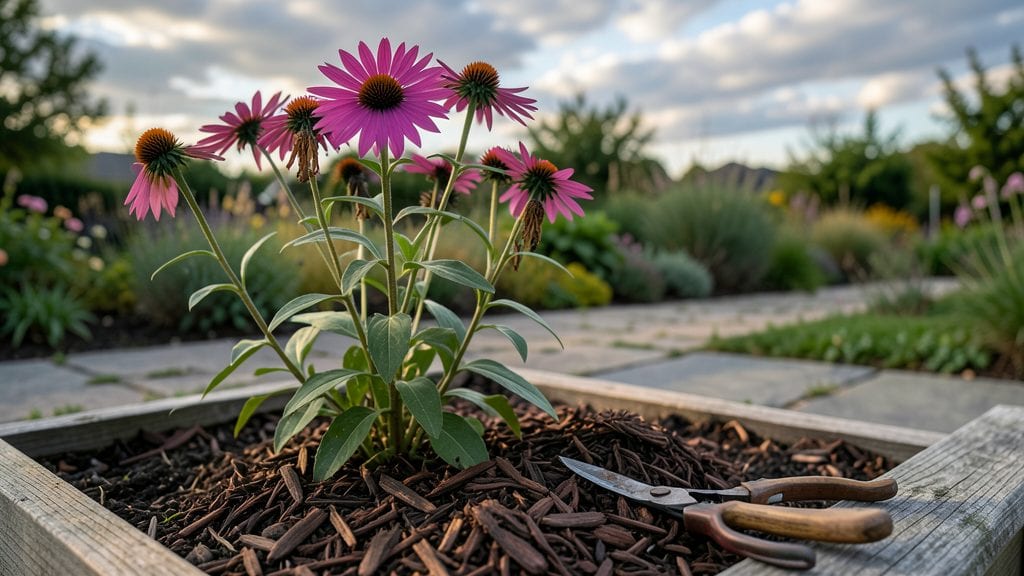
Fall is when coneflowers (Echinacea) get their second chance—proper care now means bold purple blooms next spring. 🌿 I’ve learned the hard way that skipping fall prep leads to weak stems and fewer flowers, but a little deadheading, smart pruning, and the right mulch can turn your coneflowers into winter warriors.
The key is working before the first hard frost, when the soil’s still warm enough for roots to recover but cold enough to slow pests.
Start by snipping off spent blooms down to the first set of healthy leaves—this redirects energy to root growth instead of seeding. For pruning, hold off until late fall or early spring; cutting back now can expose tender stems to frost damage.
A 2-3 inch layer of mulch (straw or shredded leaves) insulates roots while suppressing weeds, and a light fertilizer with phosphorus boosts next year’s buds. Regional tweaks matter: in zones 3-5, add extra mulch; in zones 6-9, focus on pest prevention.
You’ll wake up to sturdier stems and more vibrant blooms by mid-summer, with fewer pests and diseases to battle. The mulch keeps soil temps stable, and those pruned stems store energy like a battery for spring.
This is the secret to coneflowers that thrive despite winter—no fancy tools or greenhouse needed. Let’s get your plants prepped before the cold sets in.
Pro tip: Avoid over-pruning—leave the foliage until late winter, when you can see the dead stems clearly. And if slugs or snails are a problem, a diatomaceous earth barrier around the base works wonders without chemicals. Small adjustments now mean big rewards next year.
📚 In This Guide
- What you need
- Instructions
- Tips and common mistakes
- Wrapping up and next steps
What you need
- ● Pruning shears or bypass pruners: Sharp, clean tools (sterilize with rubbing alcohol if reusing). Quantity: 1 pair.
- ● Garden gloves: Heavy-duty (nitrile or leather) to protect hands from thorns and debris. Quantity: 1 pair.
- ● Garden rake: Medium-tooth (for clearing debris). Quantity: 1.
- ● Shovel or spade: For digging around plant bases (if dividing or mulching deeply). Quantity: 1.
- ● Wheelbarrow or bucket: For hauling clippings/debris. Quantity: 1.
- ● Mulch: Organic options: Shredded leaves, straw, or hardwood mulch (3–4 inches deep). Quantity: ~5–10 gallons per 10 sq. ft.
- ○ Optional: Pine needles or compost for extra nutrients.
- ● Hose with nozzle (for rinsing tools and clearing paths).
- ● Fertilizer (balanced 10-10-10 or low-nitrogen, like 5-10-10, for late-season feeding).
- ● Plant support stakes (if stems are weak post-pruning).
- ● Disinfectant spray (for tools between uses).
- ● Knee pad (for comfort during mulching).
Step-by-Step guide for fall coneflower maintenance
Here's how I prepare my coneflowers for winter—keeping them strong and blooming next season.
✂️ Step 1: Deadhead Spent Blooms Before Frost
Start by removing faded flower heads with clean pruners. I snip just above the first set of healthy leaves below each bloom—this prevents seed formation and directs energy into root development for next year. Work on a dry day when stems are firm, not brittle.
Don't cut into old wood—you want to preserve the plant's structure. If you see any blackened or mushy stems from disease, trim those out completely. I always clean my pruners between cuts with rubbing alcohol to prevent spreading any potential pathogens.
🌿 Step 2: Light Pruning for Airflow and Shape
After deadheading, assess the plant's overall shape. I remove any crossing or rubbing branches that could create entry points for pests or disease. For mature plants, I might trim back about one-third of the oldest stems at the base to encourage fresh growth from the center.
Here's the thing—coneflowers are tough, but they appreciate a little tidying. If your plant looks leggy, you can cut back some of the taller stems by half their height to create a more compact form. Just avoid heavy pruning after mid-October—you want the plant to harden off before winter.
🪴 Step 3: Apply a 2-3 Inch Layer of Mulch
Spread 2-3 inches of organic mulch around the base of your coneflowers, keeping it 2-3 inches away from the stems. I use shredded leaves or straw because they break down slowly and improve soil structure over time. This layer protects roots from freezing temperatures and retains moisture during winter thaws.
Don't pile mulch against the stems—this can cause rot. Instead, create a donut shape around the plant. If you're in a particularly cold climate, you can add an extra 1 inch of mulch for extra insulation. I always water the soil thoroughly before applying mulch to help it settle properly.
⏰ Step 4: Final Watering and Winter Prep
Give your coneflowers a deep watering about 1-2 weeks before your first expected frost. This helps establish roots before the ground freezes. I water in the morning so any excess moisture has time to evaporate, reducing the risk of fungal issues.
If you're in a region with harsh winters, consider adding a lightweight frost blanket over the plants after the ground freezes. This protects against extreme temperature swings. Most coneflowers are hardy, but a little extra care ensures they'll bounce back beautifully in spring.
Tips & tricks for perfect fall coneflower care
Here's what nobody tells you about keeping your coneflowers thriving through winter—these tricks make all the difference.
Pruning Precision: In Step 1, when deadheading, I always look for the first set of healthy leaves below each bloom—this is your visual cue. The cut should be at a 45-degree angle just above that leaf node. This angle helps water run off and prevents rot. I've learned the hard way that cutting too close to the stem can leave it vulnerable to disease, so take your time with this step.
Timing Secret: That mid-October cutoff in Step 2 isn't arbitrary—it's when coneflowers start hardening off for winter. Pruning after this date stresses the plant by encouraging new growth that won't have time to mature before cold weather. For leggy plants, I cut back stems in stages over several weeks rather than all at once, which gives the plant time to adjust and reduces shock.
Mulch Mastery: When applying your 2-3 inch layer in Step 3, I recommend using a mix of shredded leaves and straw for the best results. The leaves break down slowly, while the straw provides immediate insulation. Here's a pro move: after applying mulch, gently water it again to help it settle and make better contact with the soil. This creates an even protective barrier against freezing temperatures.
Frost Protection: For harsh winters, that lightweight frost blanket in Step 4 is your secret weapon. I've seen coneflowers survive -20°F winters with just this extra layer. The key is to put it on after the ground freezes—this prevents moisture buildup that could lead to rot. Remove it during the day when temperatures rise above freezing to let the plants breathe and prevent overheating.
Pro Tips for Coneflower Care In Fall
- Here's what nobody tells you about keeping your coneflowers thriving through winter—these tricks make all the difference.
- Pruning Precision: In Step 1, when deadheading, I always look for the first set of healthy leaves below each bloom—this is your visual cue.
- Timing Secret: That mid-October cutoff in Step 2 isn't arbitrary—it's when coneflowers start hardening off for winter.
Frequently asked questions
Got questions about keeping your coneflowers thriving through fall and winter? Here are some of the most common concerns—and their answers—to help you prep like a pro!
When is the best time to prune coneflowers in the fall?
Prune coneflowers after the first hard frost (typically late fall) but before winter dormancy sets in. This removes dead foliage while leaving the plant’s energy reserves intact for spring. Avoid cutting back too early—you’ll miss the chance to protect against pests and disease over winter.
Should I cut back coneflowers completely or leave some stems?
Leave 3–6 inches of stems standing after pruning. This provides insulation for the crown (where new growth emerges) and protects against temperature swings. Cutting too close risks exposing the crown to frost or rot. Pro tip: Use sharp shears to avoid tearing stems!
How much mulch should I add around coneflowers in fall?
Aim for 2–3 inches of organic mulch (like shredded leaves or straw) around the base, keeping it away from the crown to prevent moisture buildup. Mulch insulates roots, retains soil warmth, and suppresses weeds. Replenish in early spring if it decomposes over winter.
Can I still plant coneflowers in fall, or should I wait until spring?
Fall planting (4–6 weeks before the first frost) gives coneflowers time to establish roots before winter. Choose hardy varieties (like ‘Magnus’ or ‘White Swan’) and water deeply after planting. Just avoid transplanting stressed plants—wait for cooler temps (50–60°F) for best success.
What do I do if my coneflowers look diseased or pest-ridden before winter?
Remove all infected leaves/stems immediately and dispose of them in the trash (not compost). Treat with neem oil or insecticidal soap for pests like aphids or Japanese beetles. Avoid fertilizing diseased plants—focus on pruning and mulching to boost resilience. Pro tip: Next season, improve airflow with proper spacing!
Still stumped? Drop your coneflower conundrum in the comments—we’re happy to help!
Wrapping up and next steps
Fall is the perfect time to give your coneflowers the love they need to thrive next season! By pruning back spent blooms and mulching generously, you’re setting the stage for vibrant, resilient plants that will greet spring with open petals. 🌿✨
Don’t let the cooler weather slow you down—just a little effort now means less work later and more beauty in your garden. Ready to take the next step? Grab your pruners, mulch, and a cozy sweater, then head outside to give your coneflowers the fall care they deserve!