
Lawn
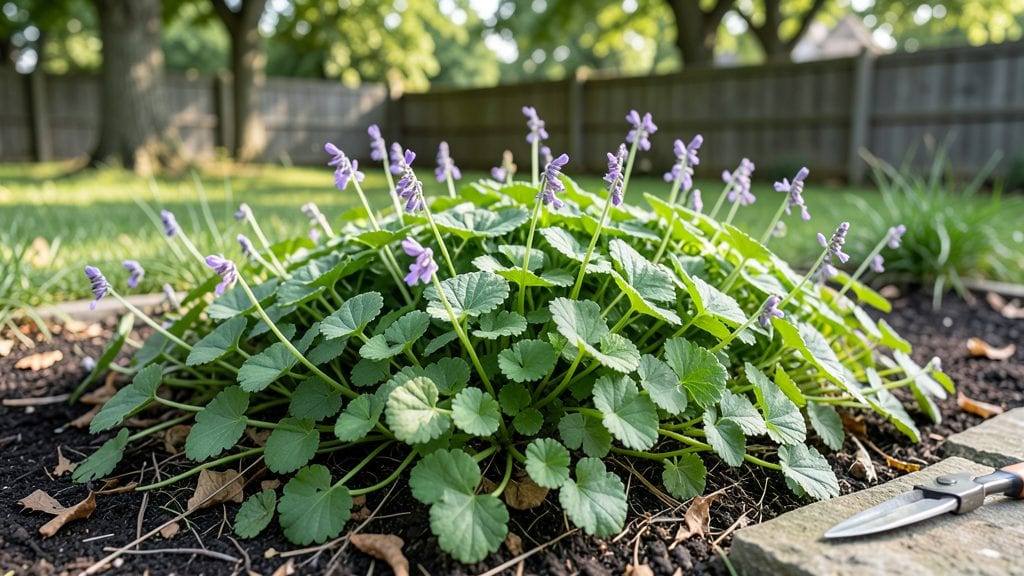
That purple-flowered ground cover isn’t a charming lawn accent—it’s creeping Charlie, a tenacious weed that smothers grass and spreads like wildfire. 🌿 I’ve battled this invasive purple menace in my own yard, and the key isn’t brute force but smart, targeted strategies that actually work.
Most people pull it by hand and give up when it keeps coming back—here’s how to break that cycle for good.
The good news? You don’t need harsh chemicals or expensive tools. A sharp spade, some vinegar, and a little persistence are all you’ll need. This method works in 4 simple steps, and I’ll show you exactly how to apply it without harming your grass.
The secret lies in timing and technique—pull too late, and you’ll just spread the problem further.
By the end, your lawn will look clean, green, and weed-free, with no more purple surprises popping up. You’ll also learn how to prevent it from creeping back, so this becomes a one-time fix instead of an endless battle. Ready to reclaim your yard?
We’ll even cover purple-flowered alternatives if you want to replace creeping Charlie with something pretty and manageable. No more purple invasions—just a lawn you can actually enjoy.
📚 In This Guide
- What you need
- Instructions
- Tips and common mistakes
- Wrapping up and next steps
What you need
- ● Corn gluten meal (10 lbs) – Prevents weed seeds from germinating (organic option).
- ● Vinegar (20-30% acetic acid) (1 gallon) – Natural herbicide for spot treatment.
- ● Dish soap (1 tbsp) – Breaks vinegar’s surface tension for better absorption.
- ● Water (1 gallon) – For diluting vinegar mix.
- ● Garden gloves – Protects hands from vinegar and soil.
- ● Hand trowel or weeding tool – For digging out roots.
- ● Mulch (straw, wood chips, or cardboard) – Smothers weeds and retains moisture (5+ inches thick).
- ● Spray bottle or pump sprayer – For vinegar/herbicide application.
- ○ String trimmer or lawn mower – To mow weeds before treatment (optional but helpful).
- ● Baking soda or salt – Alternative spot treatment (use sparingly!).
- ● Compost or grass clippings – For overseeding bare spots post-treatment.
- ● Sunny day (or cloudy with no rain forecast) – Best weather for vinegar application.
Step-by-Step natural eradication for creeping Charlie
Here's my battle-tested approach to banish those stubborn purple-flowered weeds.
🌱 Step 1: Identify and Map the Infestation
First, grab a pair of gardening gloves and walk your lawn on a dry, sunny afternoon when the weeds are fully visible. Creeping Charlie (Glechoma hederacea) has distinctive heart-shaped leaves with scalloped edges and those telltale purple flowers in spring. I like to use a white spray bottle filled with water to mark the worst patches—just a quick mist creates visible spots that help me track the spread.
Look for patterns: Creeping Charlie thrives in shady, moist areas where grass struggles. Note any garden beds, tree rings, or shaded corners where it's particularly dense. This mapping helps you focus your efforts where they'll have the biggest impact. Real talk: you'll likely find it creeping along sidewalks and driveways too—don't overlook those spots.
💧 Step 2: Apply Corn Gluten Meal as a Preventative Barrier
Spread 20 pounds of corn gluten meal evenly over the entire lawn area using a broadcast spreader set for lawn applications. This organic pre-emergent works by preventing weed seeds from germinating while allowing grass seeds to establish. Water immediately after application with ½ inch of water to activate the corn gluten.
Here's the thing—corn gluten meal won't kill existing weeds, but it stops new ones from sprouting. For established Creeping Charlie, we need a different approach. Focus on applying it to areas where you've noticed fresh growth or where the weeds are starting to spread aggressively. Reapply every 6-8 weeks during the growing season to maintain the weed-blocking effect.
✂️ Step 3: Hand-Pull or Smother Established Patches
For visible Creeping Charlie plants, pull them by hand when the soil is moist but not soggy—early morning works best. I use a weeding tool with a forked end to dig out the entire root system, which can run 3-6 inches deep. Don't just yank from the top; you'll leave pieces behind that regrow. Work in small sections to avoid missing any roots.
For larger infestations, smothering works better. Lay down black plastic sheeting or cardboard over the worst patches, securing the edges with bricks or landscape fabric staples. Leave it in place for 4-6 weeks during hot weather. The weeds will die from lack of sunlight, and you can then remove the dead material. This method is especially effective in shaded areas where hand-pulling is difficult.
☀️ Step 4: Strengthen Your Lawn to Outcompete Weeds
After removing the Creeping Charlie, overseed bare spots with high-quality grass seed suited to your climate. I recommend a mix of fine fescue and Kentucky bluegrass for shade tolerance. Spread 5 pounds of seed evenly using a spreader, then cover lightly with ¼ inch of compost. Water deeply twice daily for the first week to keep the soil moist but not waterlogged.
Mow your lawn regularly at 3-4 inches height to shade out weed seeds. A thick, healthy lawn crowds out Creeping Charlie by competing for sunlight and nutrients. Apply organic fertilizer in early spring and fall to keep your grass vigorous. The key is consistency—weeds like Creeping Charlie exploit weak spots in your lawn's defense.
Tips & tricks for perfect creeping Charlie eradication
These simple strategies will help you tackle those stubborn purple-flowered weeds without breaking a sweat.
Mapping Strategy: When you're marking your infestation in Step 1, use a garden flag or colored stakes instead of just water marks. This creates a permanent visual guide that won't fade. I place flags at the corners of each affected area and connect them with string to clearly define the boundaries. This prevents you from accidentally missing patches when you return to treat them.
Timing Tip for Corn Gluten: The 6-8 week reapplication schedule in Step 2 works best when timed with your lawn's natural cycles. Apply the first dose right after your spring overseeding (if you're doing that) and then again after your fall fertilization. This creates a protective barrier during the two most critical weed germination periods of the year. Remember, corn gluten needs that immediate ½ inch of water to activate—don't skip this step or it won't work properly.
Root Extraction Technique: For Step 3's hand-pulling method, I've found that using a small hand trowel works better than a weeding tool for getting under those deep roots. Work the trowel around the plant in a circular motion to loosen the soil before pulling. This prevents the plant from breaking off at the surface and leaving stubborn root pieces behind that will regrow. For stubborn patches, try soaking the area with water the night before pulling—this makes the roots easier to extract.
Smothering Success: When using the smothering technique in Step 3, cut holes in your black plastic sheeting for any existing grass plants you want to preserve. This creates a targeted treatment area while protecting your lawn. Also, secure the edges tightly—even a small gap can let sunlight in and defeat the purpose. If you're using cardboard, make sure it's not glossy or coated, as these materials won't allow water to penetrate and may actually prevent decomposition.
Pro Tips for Creeping Charlie Lawn Weeds With Purple Flowers
- These simple strategies will help you tackle those stubborn purple-flowered weeds without breaking a sweat.
- Mapping Strategy: When you're marking your infestation in Step 1, use a garden flag or colored stakes instead of just water marks.
- Timing Tip for Corn Gluten: The 6-8 week reapplication schedule in Step 2 works best when timed with your lawn's natural cycles.
Frequently asked questions
Got questions about tackling creeping Charlie with those pesky purple flowers? You’re not alone!
Here are the most common concerns—and straightforward answers to keep your lawn lush and weed-free.
How do I tell if my lawn has creeping Charlie with purple flowers?
Creeping Charlie (Glechoma hederacea) often sports tiny purple or lavender flowers in spring, along with its signature square stems and rounded leaves. It spreads aggressively via runners, forming dense mats. If your lawn looks like a shag carpet with purple blooms, it’s likely this weed. Check these visual clues to confirm before treating.
When is the best time to kill creeping Charlie?
Timing is key! Target early spring (before flowering) or fall (after blooming) for best results. Pre-emergent herbicides work in spring, while post-emergent treatments (like vinegar or corn gluten) are effective year-round. Pro tip: Mow high (3–4 inches) to shade out weeds, but avoid this if using herbicides—always follow label instructions for safety.
Can I use natural methods to remove creeping Charlie?
Try these DIY approaches:
- Boiling water or vinegar: Pour undiluted white vinegar or boiling water directly on the weeds (reapply weekly for 2–3 weeks).
- Corn gluten meal: Apply in early spring to prevent seed germination (use 20 lbs per 1,000 sq ft).
- Manual removal: Dig out roots (wear gloves—it’s stubborn!). Solarize bare spots with plastic sheets in summer for extra kill power.
Warning: Natural methods require persistence—creeping Charlie’s roots are tough!
Will creeping Charlie come back after treatment?
Yes, but not if you’re thorough! This weed spreads via rhizomes and seeds, so even small fragments left behind will regrow. After treating, monitor for 2–3 months and reapply herbicides or manually remove any new shoots. For stubborn patches, consider sod replacement or a thick layer of mulch to block regrowth.
Is creeping Charlie toxic to pets or kids?
While not highly toxic, creeping Charlie can cause mild skin irritation or stomach upset if ingested in large amounts. Keep pets off treated lawns until herbicides dry (usually 24–48 hours). Opt for pet-safe alternatives like corn gluten or manual removal if you’re concerned. Always read labels for specific precautions.
What’s the fastest way to prevent creeping Charlie from spreading?
Combine these preventive steps for long-term control:
- Mow regularly (3–4 inches) to weaken the weed.
- Apply pre-emergent herbicide in early spring.
- Improve lawn health with proper watering, aeration, and fertilizer.
- Fill bare spots with dense grass seed (like Kentucky bluegrass or fescue).
Pro tip: A healthy lawn crowds out weeds naturally—think of it as a living shield!
Wrapping up and next steps
Don’t let Creeping Charlie with its pretty purple blooms take over your lawn—you’ve got this! 🌱 With the right tools and natural methods, you can reclaim your green space without harsh chemicals. Start by acting early to prevent regrowth, and stay consistent with your maintenance routine.
Ready to transform your lawn? Pick one method from this guide and tackle those weeds step by step. Your future self (and your neighbors!) will thank you for a lush, weed-free yard. 🌿