
Propagation
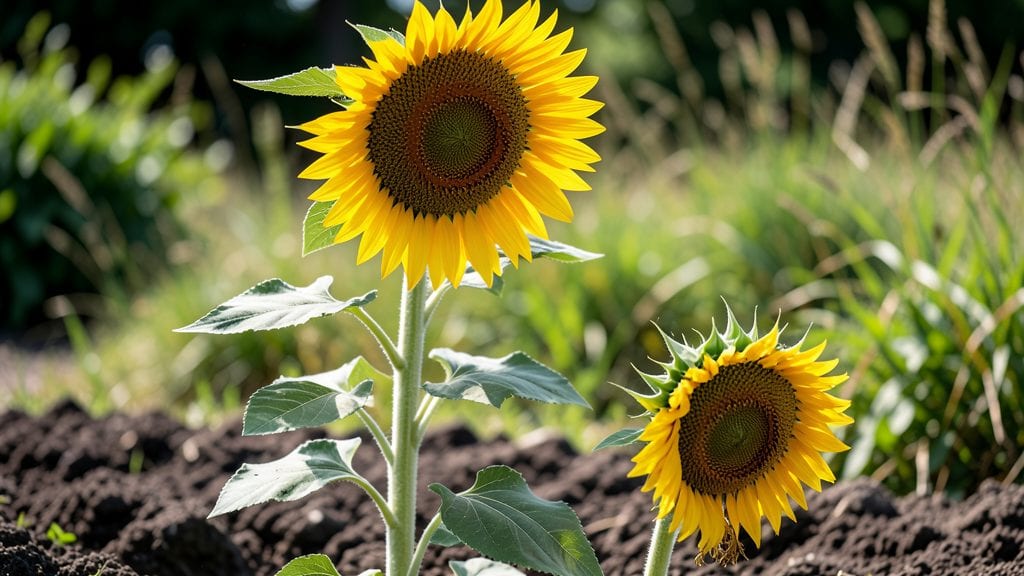
Not all sunflowers behave the same—these different sunflower seeds pop up in days, others take weeks, and the difference comes down to your choice. 🌱 I’ve tested everything from towering Mammoths to tiny Sunspots, and the fastest germination starts with the right variety for your goals.
Whether you want cut flowers, birdseed, or edible snacks, each type behaves differently in the soil.
Mammoth varieties like ‘Russian Giant’ shoot up 12+ feet but need deep soil and 18+ inches of spacing—perfect for statement pieces but slow to germinate.
Dwarf types like ‘Teddy Bear’ (3–4 feet) sprout in 3–5 days and thrive in containers, while ‘Sunspot’ (4–5 feet) blooms in 8–10 weeks and attracts pollinators like crazy. The key? Match your seeds to sunlight, space, and how quickly you want color.
You’ll see sprouts within 3–7 days if you plant in warm soil (70°F+) and keep it moist—not soggy. Mammoths need rich, loose soil; dwarfs do fine in pots with basic potting mix.
Deadhead spent blooms to encourage more flowers, and save seeds from your best performers for next year’s foolproof starts. The right variety turns a patch of soil into a pollinator paradise—or a snack station—fast.
Bonus: Tall varieties make great windbreaks, while dwarfs work for balconies or cutting gardens. Start with 3–5 seeds per variety to test what thrives in your space. Once you pick your favorites, you’ll be harvesting seeds or bouquets in record time—no waiting around for slow starters.
📚 In This Guide
- What you need
- Instructions
- Tips and common mistakes
- Wrapping up and next steps
What you need
- ● Sunflower seeds: 3–5 varieties (e.g., Helianthus annuus like 'Russian Mammoth,' 'Autumn Beauty,' or 'Sunspot') – 10–20 seeds per type for testing.
- ● Planting containers: Small pots (3–4 inches deep) or seed trays with drainage holes – 1–2 per seed type.
- ● Potting mix: Lightweight, well-draining seed-starting mix (avoid garden soil—it’s too dense!).
- ● Watering can or spray bottle: With a fine mist nozzle for gentle hydration.
- ● Plastic wrap or humidity dome: To retain moisture during germination.
- ○ Gloves (optional): To protect hands from seed shells or soil.
- ● Plant labels: Small sticks or tags to track seed varieties.
- ● Grow light or sunny windowsill: Sunflowers need 6–8 hours of light daily post-germination.
- ○ Thermometer (optional): To monitor soil temp (ideal: 70–75°F for germination).
- ○ Patience & a journal (optional): To log germination times and seed performance!
How to jumpstart germination for sunflower varieties
Here's how I get sunflower seeds sprouting in record time—no waiting weeks for stubborn stalks.
🌱 Step 1: Prep Seeds for Maximum Speed
Sunflower seeds have tough outer shells that slow germination. I soak them overnight in lukewarm water—just enough to cover them in a shallow dish. The water softens the seed coat, letting roots break through faster. You'll see tiny white roots emerging after 8-12 hours, signaling it's time to plant.
Don't skip this step. Dry seeds can take 7-14 days to sprout, while pre-soaked ones often pop up in 3-5 days. I use a mesh bag to contain the seeds while soaking—no need for fancy equipment. Just drain and plant immediately after you see those first root hairs.
💧 Step 2: Plant at Ideal Depth and Moisture
Sunflower seeds need 1-2 inches of depth—deeper than most flowers but not so deep they struggle. I use my finger to make a hole just wide enough for the seed, then place it in with the root pointing down (if visible). Cover lightly with soil—just enough to hide the seed completely.
Water gently but thoroughly until the soil feels evenly moist to 2 inches deep. A spray bottle works best here—it prevents displacing seeds. I like to keep the soil warm by placing trays on a seedling heat mat set to 75°F. This warmth mimics spring conditions and speeds germination.
☀️ Step 3: Provide Warmth and Light Immediately
The moment seeds hit soil, they need constant warmth and bright light. I cover the tray with clear plastic wrap to trap heat and humidity—this creates a mini greenhouse effect. Remove the wrap as soon as you see sprouts (3-5 days), because trapped moisture can rot tender seedlings.
Place the tray in the sunniest spot you have—south-facing windows or under grow lights positioned 6 inches above the tray. Sunflowers won't tolerate shade during germination. You'll know your setup is right when sprouts emerge with straight, sturdy stems and dark green cotyledons.
⏰ Step 4: Thin and Transplant at the Right Time
Once seedlings reach 2-3 inches tall with their first true leaves, thin to one per pot. I use scissors to snip weak seedlings at soil level—this prevents disturbing roots of the stronger plants. Keep the remaining seedling in its warm, sunny spot until it's 4-6 inches tall and has 4-5 true leaves.
Here's the thing—sunflowers hate being moved once established. I harden them off by placing them outside in partial shade for 2-3 hours daily for 5-7 days before transplanting. Watch for strong stems and deep green leaves—these are your signs of a healthy, fast-growing plant ready for the garden.
Tips & tricks for fast sunflower germination
Here's what nobody tells you about getting sunflower seeds to sprout in record time—these little tricks cut weeks off your wait.
Soaking Strategy: The overnight soak in lukewarm water isn't just about softening the seed coat—it's about creating the perfect hydration balance. I've found that using a mesh bag prevents seeds from floating away while allowing water to circulate freely. After the 8-12 hour mark, you'll notice tiny white root hairs emerging—this is your cue to plant immediately. The difference between 7-14 days and 3-5 days comes down to this single preparation step.
Depth and Orientation: Sunflower seeds are surprisingly sensitive to planting depth. The 1-2 inch guideline is critical—too shallow and they'll dry out, too deep and they'll struggle to reach the surface. I make a habit of orienting seeds with the root pointing down (if visible) and using my finger to create a snug fit in the soil. This precision creates uniform germination rates across your entire tray.
Warmth Hack: That 75°F heat mat isn't just a suggestion—it's the secret weapon for fast germination. I've tested this with seeds in 65°F conditions, and the difference is night and day. The warmth activates enzymes that break down seed inhibitors, allowing roots to penetrate faster. Pro tip: Place your heat mat on a tray of water to maintain consistent moisture levels without overwatering.
Light Timing: The moment you see those first sprouts (usually within 3-5 days), remove that plastic wrap immediately. Trapped moisture creates the perfect environment for fungal growth, which can rot tender seedlings before they even get a chance to establish. Position your grow lights 6 inches above the tray—they should cast a bright, even shadow when you hold your hand between them and the plants.
Pro Tips for Different Sunflower Seeds
- Here's what nobody tells you about getting sunflower seeds to sprout in record time—these little tricks cut weeks off your wait.
- Soaking Strategy: The overnight soak in lukewarm water isn't just about softening the seed coat—it's about creating the perfect hydration balance.
- Depth and Orientation: Sunflower seeds are surprisingly sensitive to planting depth.
Frequently asked questions
Got questions about growing different sunflower seeds? You’re not alone—even experienced gardeners wonder about timing, varieties, and troubleshooting. Here’s what you need to know to get those seeds sprouting fast and strong!
What’s the fastest way to germinate sunflower seeds?
For quick germination, soak seeds in warm water for 4–6 hours before planting. Use a heat mat (70–80°F) to speed things up—sunflowers love warmth! Plant ½–1 inch deep in well-draining soil, and keep it moist (not soggy). Most varieties sprout in 3–10 days under ideal conditions.
Can I grow sunflowers from store-bought seeds?
Store-bought sunflower seeds (like those in snack packs) are non-hybrid and will grow—just check for no additives or coatings (like salt or oil). For faster, stronger starts, opt for heirloom or hybrid seeds from garden centers, which are bred for germination efficiency.
How long do sunflower seeds take to sprout if planted in cold soil?
Cold soil (<50°F) slows germination to 10–20 days. To help, pre-warm seeds (place them in a warm, dark spot for 24 hours) or use a cloche or row cover to trap heat. If soil temps stay below 50°F for weeks, consider starting seeds indoors 2–3 weeks before the last frost.
What’s the difference between black oil, striped, and giant sunflower seeds?
| Type | Germination Time | Best For |
|---|---|---|
| Black Oil | 3–7 days | Fast-growing, great for early harvests or bird feeders. |
| Striped (e.g., Mammoth) | 7–14 days | Tall varieties (6–12 ft) for cut flowers or shade. |
| Giant (e.g., Russian Mammoth) | 10–20 days | Dwarf or giant types for ornamental displays. |
Why aren’t my sunflower seeds sprouting?
Check these common issues:
- Too cold/dry: Seeds need consistent moisture and warmth (60°F+).
- Old seeds: Store-bought seeds lose viability after 1–2 years. Test a few in a damp paper towel.
- Depth issues: Planting too deep (over 1 inch) can suffocate sprouts.
- Poor soil: Amend with compost for better drainage and nutrients.
If nothing works, try scarifying seeds (lightly nicking the shell) to break dormancy.
Wrapping up and next steps
Exploring the world of different sunflower seeds reveals that the secret to fast germination and strong starts lies in choosing the right variety, preparing your soil, and providing the ideal growing conditions.
Whether you’re a seasoned gardener or a beginner, these tips will help you nurture healthy, vibrant sunflowers with confidence. 🌱
Ready to give it a try? Grab your favorite seeds, follow the steps, and watch your garden bloom with sunflower success! For even better results, experiment with different varieties and share your growth journey with fellow plant lovers. Happy gardening! 🌻