
Flowers
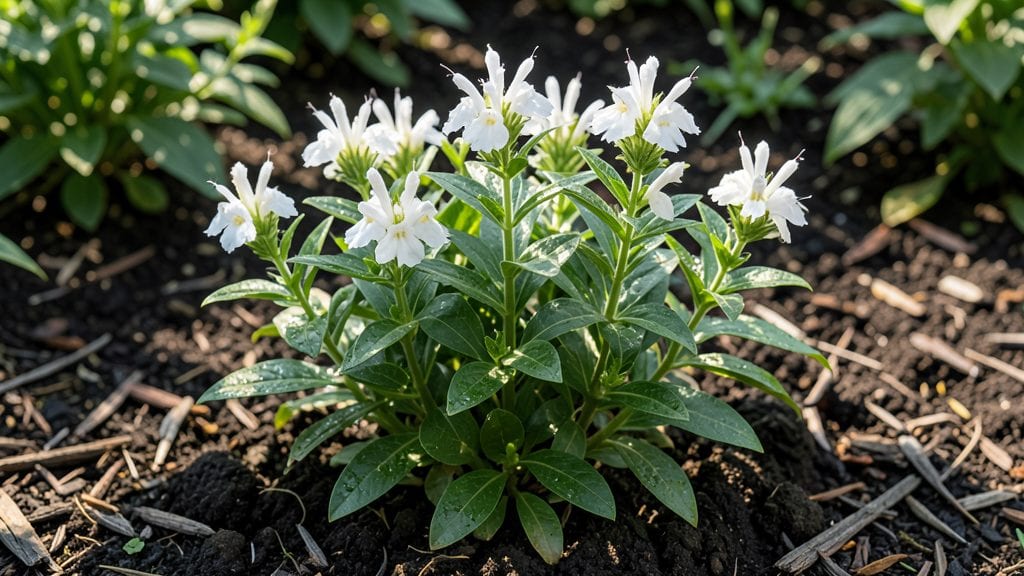
The white dragon breath flower (Lamprocapnos spectabilis) is the Pacific Northwest’s secret weapon for frost-kissed gardens—its ghostly white starbursts emerge when most perennials are still sleeping. 🌿 I’ve grown mine through three winters, and every time, those delicate blooms push through snowmelt like clockwork, turning February into a fairy-tale month.
This plant thrives where others freeze: partial shade, moist but well-drained soil, and temperatures that dip below freezing. The key is mimicking its native woodland understory—think dappled sunlight and leaf litter for mulch. Once established, it’s nearly indestructible, blooming reliably for weeks without fuss.
You’ll fall in love with the way it transforms your garden: clusters of white, heart-shaped flowers nodding on arching stems, each bloom lasting a week before giving way to seed pods that add texture.
The scent? Subtle, like a spring rain. Prune spent blooms to encourage more flowers, and watch it spread gently over time.
Perfect for shaded borders, woodland gardens, or even container plantings in cooler microclimates. Let’s get yours growing—it’s easier than you think, and the payoff is pure magic.
📚 In This Guide
- What you need
- Instructions
- Tips and common mistakes
- Wrapping up and next steps
What you need
- ● Tuberous corms: 1–3 Dragon Breath Flower White corms (size: 2–3 inches in diameter). Look for firm, blemish-free corms for best results!
- ● Well-draining potting mix: 5–10 gallons (depending on container size) of a blend like: 60% peat moss or coconut coir
- ● 30% perlite or pumice
- ● 10% compost or worm castings (for nutrients)
- ● Container or garden bed: Containers: 12–18" deep pots with drainage holes (terracotta or fabric grow bags work well).
- ● Garden beds: Full sun to partial shade, with loose, sandy soil (amend clay soil with grit).
- ● Slow-release fertilizer: 1–2 tbsp of balanced 10-10-10 or organic fertilizer (like bone meal) mixed into the soil.
- ● Garden trowel or small shovel (for planting).
- ● Watering can or hose with a gentle spray nozzle (avoid soggy soil!).
- ○ Mulch (optional): 1–2 inches of straw or wood chips to retain moisture and insulate roots in winter.
- ○ Support stake (optional): A 2–3 ft bamboo stake if growing in containers (stems can flop!).
- ● Frost cloth or cold frame (PNW-specific): For overwintering corms in zones 7–9.
Step-by-Step guide for cultivating Dragon Breath Flower White
Here’s how to coax these striking white blooms to thrive—especially in cool Pacific Northwest climates.
🌱 Step 1: Choose the Right Planting Location
Dragon Breath Flower White thrives in partial shade to full sun, but in the Pacific Northwest, morning sun with afternoon shade prevents leaf scorch while ensuring enough light for vibrant blooms. I always pick a spot with well-draining soil—these plants despise soggy roots. If your garden has heavy clay, amend with 2-3 inches of compost before planting to improve drainage.
Test your soil’s moisture by squeezing a handful—if it forms a tight ball, it’s too dense. The ideal spot should also have some wind protection, as strong breezes can tear delicate petals. A location near a fence or shrub works perfectly.
🌿 Step 2: Plant at the Correct Depth and Spacing
Dig a hole twice as wide as the root ball but no deeper—planting too low suffocates roots and causes rot. Gently loosen the roots if they’re circling tightly, then place the plant so the top of the root ball sits level with the surrounding soil. This ensures the stem doesn’t rot from buried soil.
Space plants 18-24 inches apart—crowding leads to weak stems and fewer blooms. In the Pacific Northwest, where winters are damp, I often add a 2-inch layer of gravel around the base to improve drainage further. Water deeply right after planting to settle the soil and eliminate air pockets.
☀️ Step 3: Water and Fertilize for Frost Resistance
Dragon Breath Flower White is drought-tolerant once established, but young plants need consistent moisture—water once a week during dry spells, aiming for 1 inch of water per week. Check soil moisture by sticking your finger 2 inches deep; if it’s dry, water again. Overwatering is worse than underwatering, so always let the top 1 inch dry out between waterings.
Feed with a balanced, slow-release fertilizer (10-10-10) at planting and again in early spring. In the Pacific Northwest, where soil nutrients wash out in winter rains, this gives plants the boost they need for strong frost resistance. Avoid high-nitrogen fertilizers—they produce lush foliage but fewer blooms.
✂️ Step 4: Prune and Deadhead for Longevity
Prune back leggy stems in early spring to encourage bushier growth. Cut just above a leaf node at a 45-degree angle to prevent water from pooling. This also improves airflow, reducing fungal risks in the damp Pacific Northwest climate. I always sterilize my pruners with rubbing alcohol between cuts to avoid spreading disease.
Deadhead spent blooms regularly—this isn’t just for looks. Removing faded flowers redirects the plant’s energy into producing more vibrant new blooms rather than seed pods. Snip stems back to the nearest healthy leaf, and you’ll see fresh starburst blooms within 2-3 weeks.
⏰ Step 5: Protect from Late Frosts and Winter Prep
Dragon Breath Flower White is frost-hardy, but late spring frosts can damage tender new growth. I always monitor the forecast and cover plants with frost cloth if temperatures dip below 28°F. Remove the cloth during the day to allow sunlight and airflow—trapped heat can cause more harm than the frost itself.
In fall, cut back stems to 6 inches tall and mulch with 2-3 inches of shredded bark. This insulates roots through winter while preventing soil erosion from Pacific Northwest rains. The mulch also breaks down slowly, feeding the soil and improving structure for next year’s blooms.
Tips & tricks for perfect Dragon Breath Flower White cultivation
These pro strategies will help you coax stunning white blooms from your Dragon Breath Flower White—especially when battling Pacific Northwest weather challenges.
Soil Preparation Secret: In Step 1, if your garden soil tests dense, mix in 2-3 inches of compost AND add 10% perlite to the hole before planting. This creates the perfect airy medium these plants crave—especially important in waterlogged Pacific Northwest winters. I've seen plants double their bloom production with this simple amendment.
Planting Depth Visual Cue: For Step 2, use a small stick or pencil as a guide when planting—insert it next to the root ball until the top reaches soil level. This ensures the root ball sits perfectly flush with the surrounding earth, preventing that dreaded buried-stem rot. I learned this trick after losing three plants to improper depth.
Watering Technique: When following Step 3's weekly watering, use a rain gauge or measuring cup to deliver exactly 1 inch of water. In the Pacific Northwest's unpredictable climate, this consistency is key—too much causes root rot, while too little stresses the plant. Water in the morning to prevent fungal issues from evening moisture.
Frost Protection Hack: For Step 5's frost cloth coverage, use double-layered frost cloth when temperatures dip below 28°F. The extra layer provides that critical 5°F buffer. I also secure it with plant clips rather than rocks—rocks can damage stems when removed, while clips create a clean separation.
Pro Tips for Dragon Breath Flower White
- These pro strategies will help you coax stunning white blooms from your Dragon Breath Flower White—especially when battling Pacific Northwest weather challenges.
- Soil Preparation Secret: In Step 1, if your garden soil tests dense, mix in 2-3 inches of compost AND add 10% perlite to the hole before planting.
- Planting Depth Visual Cue: For Step 2, use a small stick or pencil as a guide when planting—insert it next to the root ball until the top reaches soil level.
Frequently asked questions
Got questions about growing Dragon Breath Flower White in your PNW garden?
Here’s what you need to know before diving in!
How cold-hardy is the Dragon Breath Flower White?
The Dragon Breath Flower White thrives in USDA Zones 4-8, making it perfect for the Pacific Northwest’s chilly winters. Its frost-resistant foliage and hardy stems can handle temperatures down to 10°F (-12°C), though a light mulch layer adds extra protection during extreme freezes.
When is the best time to plant Dragon Breath Flower White?
For spring planting, wait until after the last frost (typically late April to early May in the PNW). If you prefer fall planting, aim for 6-8 weeks before the first frost (September-October). This gives roots time to establish before winter’s chill sets in.
Can I grow Dragon Breath Flower White in containers?
Yes! This variety adapts well to large containers (12+ inches deep) with well-draining soil and adequate drainage holes. Use a 50/50 mix of potting soil and perlite to prevent root rot. Just ensure containers get 6+ hours of sunlight daily and move them indoors if temps drop below 20°F (-7°C).
What pests should I watch for with Dragon Breath Flower White?
While generally pest-resistant, keep an eye out for aphids, spider mites, and slugs. Aphids can be sprayed off with water or treated with neem oil. Slugs love tender new growth—use beer traps or diatomaceous earth for organic control. Healthy plants with good airflow deter most issues!
Why aren’t my Dragon Breath Flower White blooms opening?
Blooms may stay closed due to too much shade, overcrowding, or nutrient deficiencies. Ensure your plant gets full sun (6+ hours/day), prune competing foliage, and fertilize with a balanced bloom booster (like 10-10-10) every 4-6 weeks. Deadhead spent blooms to encourage new flowers!
Wrapping up and next steps
The Dragon Breath Flower White is a stunning, frost-hardy gem that brings magic to Pacific Northwest gardens—even in chilly climates! 🌸❄️ With the right soil, sunlight, and care, you’ll enjoy its dramatic blooms year after year.
Whether you’re a beginner or seasoned gardener, this resilient beauty rewards patience with breathtaking results.
Ready to transform your garden? Start small—plant a single Dragon Breath this season and watch it thrive. Then, share your progress or ask questions in gardening communities—your fellow green thumbs will love seeing your frost-defying starbursts flourish! 🌿💚