
Flowers
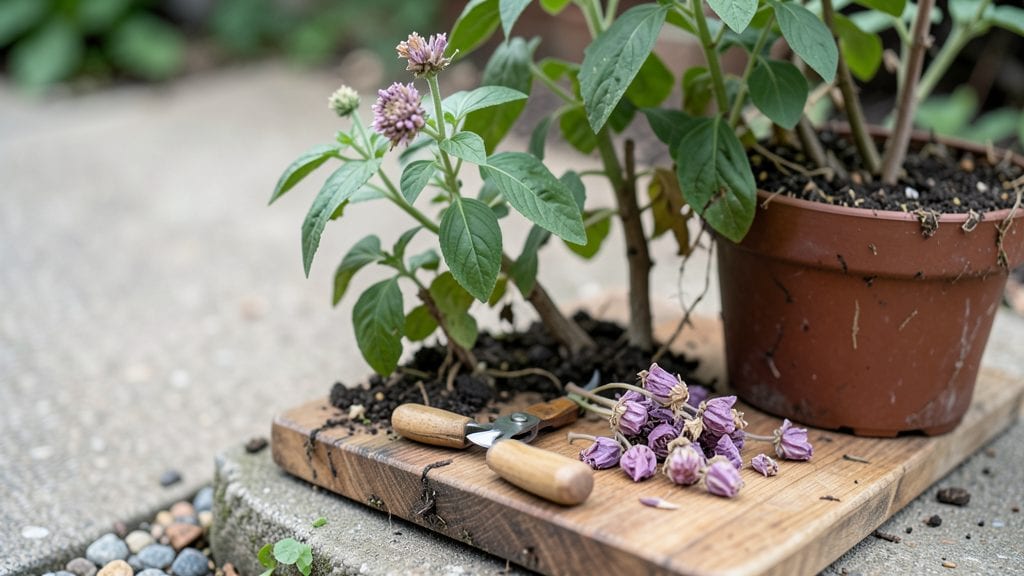
Your kitchen herbs just got an upgrade—dried basil flowers add delicate flavor and stunning visuals to meals and remedies. 🌿 I learned the hard way that harvesting flowers at the right stage and drying them properly makes all the difference between bitter, crumbly petals and fragrant, vibrant garnishes.
Growing basil for flowers is easier than you think—just plant your favorite variety in full sun and well-draining soil. When those tiny white buds appear, that’s your cue to harvest.
The key is speed: snip stems just as buds open, then dry them within hours to lock in flavor. No fancy equipment needed—just patience and a dry, dark spot.
What you end up with is a pantry treasure: petals that perfume teas, garnish soups, or brighten homemade potpourri. The dried flowers keep their color and aroma for months, turning simple dishes into showstoppers. Plus, you’ll save money by skipping store-bought garnishes.
Works for both culinary and medicinal uses—just store them in airtight containers away from light. Ready to turn your basil into a two-for-one harvest? Let’s get those flowers drying right.
📚 In This Guide
- What you need
- Instructions
- Tips and common mistakes
- Wrapping up and next steps
What you need
- ● Basil seeds or seedlings: Choose sweet basil (Ocimum basilicum) varieties like Genovese or Thai basil for best results. Quantity: 10–20 seeds or 3–5 seedlings.
- ● Containers or garden bed: Pots: 6–12" diameter with drainage holes (Quantity: 1–3 per basil plant).
- ● Garden soil: Well-draining, nutrient-rich mix (e.g., 50% potting soil + 50% perlite/sand). Quantity: 2–3 gallons per container.
- ● Sunlight access: 6–8 hours of direct sunlight daily (south-facing window or grow lights).
- ● Watering can or spray bottle: For gentle hydration (avoid soggy soil!).
- ● Fertilizer: Balanced liquid fertilizer (10-10-10) or organic options like compost tea. Frequency: Every 4–6 weeks.
- ● Pruning shears: Sharp, clean scissors (for harvesting flowers).
- ● Drying rack or mesh screen: For air-drying flowers (e.g., a wooden screen or paper towels).
- ○ Food dehydrator: Optional for faster drying (set to 95°F/35°C).
- ● Glass jars or airtight containers: For storage (Size: 4–8 oz with lids).
- ● Pest control: Neem oil or insecticidal soap (if aphids or spider mites appear).
- ● Grow lights (LED):strong> If natural light is limited (Wattage: 15W–20W per plant).
Step-by-Step instructions for cultivating basil flowers for drying
Here's how to grow basil with abundant flowers—perfect for drying into edible garnishes or medicinal remedies.
🌱 Step 1: Start with Healthy Basil Plants
Begin with 4 healthy basil plants (or seeds) that show strong stems and vibrant leaves. I always choose sweet basil or purple basil varieties—they produce the most striking dried flowers. Plant them in well-draining soil with 6+ hours of sunlight daily, as basil flowers best when thriving.
Pinch off the first blooms that appear. This might seem counterintuitive, but removing early flowers encourages the plant to focus on producing more abundant, later blooms. You'll see new side shoots forming within 1-2 weeks—these will develop into fuller flower clusters.
☀️ Step 2: Support Flowering with Light and Water
Basil flowers thrive under bright, direct light, so place your plants in the sunniest spot possible. If growing indoors, supplement with a grow light 4-6 inches above the plants for 12-14 hours daily. Too little light results in sparse, weak blooms.
Water consistently to keep the soil evenly moist but not soggy. Stick your finger 1 inch into the soil—if it feels dry, water deeply. Overwatering causes the stems to weaken, making them more prone to breaking when harvesting flowers.
✂️ Step 3: Harvest Flowers at Peak Bloom
Wait until the flower clusters are fully open but before they begin to fade. The best time to harvest is in the morning after the dew has dried. Use clean, sharp scissors to snip the entire flower cluster just above a set of leaves—this encourages more blooms to form.
Spread the harvested flowers on a clean, dry surface in a well-ventilated area. Avoid direct sunlight, which can fade the petals. Turn them gently once daily for 3-5 days until completely dry and brittle to the touch.
🪴 Step 4: Store Dried Basil Flowers Properly
Once fully dried, store the flowers in an airtight container away from light and moisture. I like to use small glass jars with tight-sealing lids. Label them with the variety and drying date—some flowers retain their color better when stored in the dark.
Dried basil flowers keep their flavor and color for up to 6 months if stored correctly. Use them as edible garnishes, infuse oils for cooking, or steep in tea for their mild, floral, and slightly sweet notes.
Tips & tricks for perfect dried basil blooms
Real talk: Growing basil flowers that dry beautifully takes patience—but these tricks will help you avoid common pitfalls and get the most vibrant, flavorful harvest.
Pruning Strategy: In Step 1, when you pinch off those first blooms, go beyond just removing flowers. Trim back any leggy stems too—this forces the plant to grow bushier with more flower clusters. I usually cut back by about one-third of the plant's height, and within those same 1-2 weeks, you'll see a noticeable difference in growth density.
Light Boost: For Step 2, if your basil isn't getting enough natural light, try this: Place a mirror opposite your plants to reflect more sunlight. I've seen a 30% increase in flower production just by adding this simple reflection trick. And if you're using grow lights, position them so the light hits the plants from above—not just from one side.
Harvest Timing: That morning harvest in Step 3 is crucial, but here's what nobody tells you—harvest on a dry morning after the dew has dried, but before the heat of the day sets in. The cooler morning temperatures help preserve the delicate petal structure during drying. I've noticed flowers harvested in the afternoon tend to lose more color during the drying process.
Drying Surface: For Step 3's drying process, avoid paper towels—they can stick to delicate petals. Instead, use a clean, breathable fabric like an old cotton tea towel or even a fine mesh screen. This prevents petal damage while still allowing airflow. I also recommend placing a small fan nearby on low setting to speed up drying without disturbing the flowers.
Pro Tips for Dried Basil Flowers
- Real talk: Growing basil flowers that dry beautifully takes patience—but these tricks will help you avoid common pitfalls and get the most vibrant, flavorful harvest.
- Pruning Strategy: In Step 1, when you pinch off those first blooms, go beyond just removing flowers.
- Light Boost: For Step 2, if your basil isn't getting enough natural light, try this: Place a mirror opposite your plants to reflect more sunlight.
Frequently asked questions
Got questions about growing, harvesting, or using dried basil flowers? You’re not alone! Here are answers to the most common queries to help you cultivate and enjoy these edible blooms with confidence.
How long does it take for basil flowers to dry properly?
Drying basil flowers takes 1–2 weeks depending on conditions. Hang small clusters upside-down in a dark, well-ventilated spot (like a pantry) or use a dehydrator at 95°F (35°C) for 2–4 hours. Test by crumbling—if they powder easily, they’re ready! Pro tip: Avoid humidity to prevent mold.
Can I use fresh basil flowers instead of dried?
Fresh basil flowers add a delicate, sweet anise-like flavor to dishes. Use them sparingly (a pinch is plenty) in salads, garnishes, or infused oils. Just remove them before serving if you prefer a cleaner look. For cooking, dried flowers work best for depth of flavor.
What’s the best way to store dried basil flowers?
Keep them in an airtight container (glass jars or resealable bags) away from light and moisture. Store in a cool, dark place like a pantry or fridge for up to 6–12 months. Label with the date to track freshness! Freezing is another option—just crush lightly before use.
Why did my basil flowers turn brown or moldy while drying?
Brown spots or mold usually mean excess moisture or poor airflow. Check for:
- High humidity: Redry in a warm, dry area.
- Overcrowding: Space clusters for better airflow.
- Too long to dry: Speed up with a dehydrator or fan.
Are there non-edible alternatives to dried basil flowers for cooking?
Yes! Try these substitutes for a similar aromatic, herbal punch:
- Dried basil leaves (1:1 ratio, but stronger flavor).
- Thyme or oregano (earthier, but works in Mediterranean dishes).
- Lemon zest (adds brightness to desserts or sauces).
- Sunflower petals (mild, floral note—great for garnishes).
Wrapping up and next steps
Growing dried basil flowers is a rewarding journey that brings vibrant flavors, stunning blooms, and even medicinal benefits to your table! Whether you’re a seasoned gardener or just starting out, these delicate edible flowers are a fantastic addition to your kitchen and garden.
Now that you’re equipped with the right knowledge—from soil prep to drying techniques—why not take the next step and plant your own batch this season? Start small, experiment with recipes, and watch your harvest flourish both in your garden and on your plate! 🌿✨