
Flowers
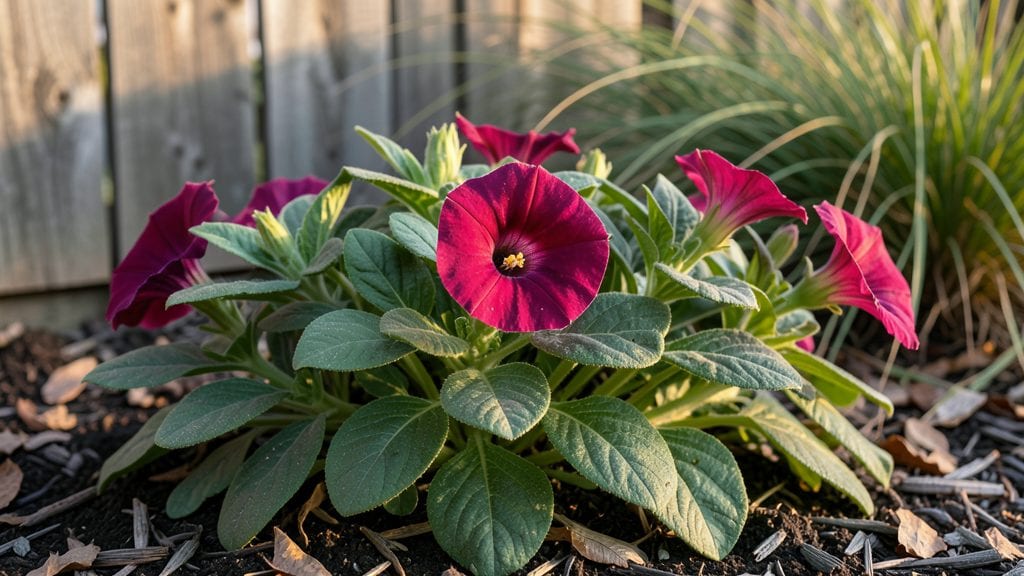
A flower in the dark—like the ghostly moonflower or fragrant night-blooming jasmine—turns your Pacific Northwest garden into a moonlit sanctuary. 🌙 The scent of night-blooming jasmine or the delicate petals of moonflowers opening under the stars create an experience most gardens never offer.
These plants thrive in our region's long evenings, turning your yard into a serene evening sanctuary.
You'll need a mix of shade-tolerant perennials and climbers that handle our damp climate well. Moonflowers (Ipomoea alba) are the stars, but night-blooming clematis and evening primrose add texture and fragrance.
The key is positioning them where their blooms will be visible from patios or windows—think near seating areas or along pathways where their glow can be enjoyed.
Imagine stepping outside after dark to find your garden illuminated by soft white and pale yellow blooms. The contrast of dark foliage against luminous flowers creates a striking visual effect, while their intoxicating scents fill the evening air.
These plants also attract nocturnal pollinators, creating a living ecosystem that comes alive after sunset.
For safety, avoid toxic night-bloomers like nightshade varieties, and consider adding subtle lighting to highlight your dark garden's features.
Our region's mild summers make this the perfect time to experiment with these enchanting plants—start small with a few containers or a dedicated moon garden corner to see how they transform your space after dark.
📚 In This Guide
- What you need
- Instructions
- Tips and common mistakes
- Wrapping up and next steps
What you need
- ● Night-blooming plants: 1–3 Moonflower (Ipomoea alba) vines (fast-growing, fragrant)
- ● 2–4 Evening Primrose (Oenothera biennis) plants (bioluminescent-like glow)
- ● 1 Queen of the Night (Selenicereus grandiflorus) cactus (dramatic white bloom)
- ● 3–5 Night-Scented Stock (Matthiola longipetala) seeds/plants (intense fragrance)
- ● Soil & amendments: 1 bag well-draining potting mix (or garden soil + perlite, 60/40 ratio)
- ● 1 cup compost or organic fertilizer (for nutrient boost)
- ○ Optional: Slow-release fertilizer (10-10-10 ratio, 1 lb)
- ● Containers or garden space: 5–10 medium-sized pots (10–12" diameter, with drainage holes)
- ● OR a dedicated moon garden bed (6’x6’ minimum, partial shade)
- ● Garden tools: 1 trowel (for planting)
- ● 1 pruners (sterilized, for deadheading)
- ● 1 watering can (with a fine rose nozzle)
- ○ 1 gloves (optional, for prickly plants like cacti)
- ○ Lighting (optional but magical!): 2–4 solar-powered LED garden lights (warm white, 300–500 lumens)
- ● 1 string lights (fairy lights for ambiance)
- ● Prerequisites: 🌱 Know your USDA Zone (PNW: Zones 7–9; adjust for elevation)
- ● 🌧️ Check frost dates (plant after last frost, or start indoors 6–8 weeks prior)
- ● 🕒 Patience! Some blooms take 60–90 days to emerge.
How to design a stunning moonlit garden in the Pacific Northwest
Here's how to create a night garden that thrives under moonlight and artificial lighting.
🌱 Step 1: Select Moonlight-Loving Plant Varieties
Choose plants with silvery foliage, pale blooms, or natural bioluminescence traits that reflect moonlight beautifully. I recommend Moonflower (Ipomoea alba), which unfurls white trumpet blooms at dusk, and Evening Primrose (Oenothera biennis), whose pale yellow flowers glow faintly under moonlight. For foliage contrast, add Lamium maculatum with its silvery-white leaves that shimmer at night.
These varieties thrive in the Pacific Northwest's damp climate and respond well to supplemental grow lights. I always test plants in partial shade first—some varieties like Moonflower need at least 4-6 hours of daylight to set blooms that open at night. Start with 4-6 plants per variety to create a dramatic visual impact.
☀️ Step 2: Position Plants for Optimal Moonlight Reflection
Arrange plants in clusters where moonlight will naturally illuminate them. I position Moonflower vines along trellises near windows or pathways where moonlight can bounce off the white petals. For ground cover, plant Lamium in swaths along walkways—its silvery leaves create a luminous carpet under moonlight.
Here's the trick: plant taller varieties like Evening Primrose in the center of garden beds, surrounded by shorter foliage plants. This creates a layered effect where moonlight hits different heights, maximizing reflection. I always sketch a simple layout first—this prevents overcrowding and ensures each plant gets its required 6-12 inches of space for airflow.
💧 Step 3: Install Supplemental Lighting for Extended Bloom Time
Use warm white LED grow lights (2700K-3000K color temperature) to extend the night garden's luminosity. I install solar-powered path lights along walkways and motion-activated spotlights near focal plants. For large areas, string LED string lights overhead at 8 feet high to mimic moonlight's soft glow.
Here's where it gets interesting: I use a smart timer to simulate moonrise and moonset. Set lights to come on at 8:30 PM and fade out by 11:00 PM to create a natural progression. This prevents shocking plants with constant light and encourages natural blooming cycles. Always position lights to avoid direct foliage contact—they should illuminate the plants, not bake them.
🌿 Step 4: Maintain Soil and Water for Night-Blooming Health
Amend your soil with 2-3 inches of compost to improve drainage and nutrient availability—night-blooming plants need consistent moisture but hate soggy roots. I mix in perlite to prevent compaction, which is crucial in the Pacific Northwest's heavy clay soils. Water deeply in the early evening (5-6 PM) to allow foliage to dry before nightfall, reducing fungal risks.
Here's the thing—night-blooming plants often have different water needs than daytime varieties. I check soil moisture by pressing my finger 2 inches deep—if it feels dry, water thoroughly. For container plants, I use self-watering pots to maintain consistent moisture without overwatering. Mulch with 3 inches of shredded bark to retain moisture and regulate soil temperature, which is especially important during our cool Pacific Northwest nights.
✂️ Step 5: Prune and Harvest for Continuous Nighttime Display
Deadhead spent blooms in the morning to encourage new flower production. I always use clean, sharp shears to make cuts just above a leaf node—this prevents disease transmission and stimulates bushier growth. For Moonflower, I prune leggy vines back by one-third after the first flush of blooms to maintain vigor.
Here's the moment that matters: harvest any overripe or damaged foliage immediately. Night-blooming plants are more susceptible to pests like slugs and snails, so I inspect plants daily at dusk. If you notice chewed leaves, set out beer traps (a shallow dish of beer) near the garden—it's a non-toxic way to deter pests without chemicals. With proper maintenance, your moonlit garden will continue producing stunning nighttime displays for months.
Tips & tricks for Pacific Northwest moonlit gardens
Creating a garden that truly comes alive after dark takes more than just planting pretty flowers—it's about understanding their unique needs and maximizing their natural luminosity.
Lighting Strategy: The 8:30 PM to 11:00 PM lighting schedule isn't arbitrary—it mimics the moon's natural arc. Use dimmable LED grow lights to create subtle variations in intensity, with brighter settings when moonlight is weakest (around 9:30 PM). Position your lights to highlight the most reflective plants first, like Moonflower's white trumpets, then gradually illuminate the surrounding Lamium foliage. This creates depth and draws the eye through your garden.
Plant Placement Precision: In Step 2, when arranging your layered plantings, remember that moonlight comes from one direction (typically the south or southwest in the PNW). Place your tallest varieties like Evening Primrose on the north side of beds so they don't cast shadows on shorter plants. I've found that adding reflective surfaces—like smooth river stones or polished metal accents—near your focal plants can amplify their glow by 20-30% without additional lighting.
Soil Science for Night Bloomers: The 2-3 inches of compost recommendation is perfect for our region's acidic soils, but here's the key: mix in a handful of wood ash (from untreated hardwoods) to gently raise the pH slightly. Night-blooming plants like Moonflower prefer a pH around 6.5-7.0, which helps them absorb nutrients more efficiently for those dramatic nighttime displays. Just be careful not to exceed 1/4 cup per plant—too much ash can make the soil too alkaline.
Pest Prevention at Dusk: Slugs and snails are the night garden's worst enemies, but here's what nobody tells you—plant a border of Dianthus (optional addition) around your garden beds. Its strong fragrance and fuzzy leaves deter pests naturally. I also recommend installing copper tape around container edges—it creates a mild electric barrier that slugs avoid. Check for pests daily at dusk when they're most active, but always use a flashlight with a red filter to avoid shocking nocturnal creatures.
Pro Tips for Flower In The Dark
- Creating a garden that truly comes alive after dark takes more than just planting pretty flowers—it's about understanding their unique needs and maximizing their natural luminosity.
- Lighting Strategy: The 8:30 PM to 11:00 PM lighting schedule isn't arbitrary—it mimics the moon's natural arc.
- Plant Placement Precision: In Step 2, when arranging your layered plantings, remember that moonlight comes from one direction (typically the south or southwest in the PNW).
Frequently asked questions
about cultivating flower in the dark blooms in the Pacific Northwest’s nighttime gardens—here’s what you need to know!What are the best flowers for low-light or night-blooming gardens?
Opt for nocturnal bloomers like evening primrose, moonflower (Ipomoea alba), and night-blooming jasmine. These thrive in twilight conditions and release fragrances after dark. Native PNW picks include Pacific dogwood and western columbine for subtle nighttime charm.
How do I ensure flowers bloom at night?
Most night-blooming flowers rely on natural light cycles. Avoid artificial lights near plants (they can disrupt blooming). Choose varieties hardy to your zone (PNW’s 7–9) and plant in partial shade with dappled sunlight. Pro tip: Prune spent blooms to encourage repeat cycles!
Can I grow these indoors under grow lights?
Yes! Use full-spectrum LED grow lights on a 12–14 hour day/night cycle to mimic natural conditions. Place lights 6–12 inches above plants and adjust timing to simulate twilight (e.g., dim lights 1 hour before "night"). Moonflower and jasmine adapt well to indoor setups.
Will PNW rain affect night-blooming flowers?
Rain is rarely an issue—many nocturnal bloomers love humidity! Ensure well-draining soil to prevent root rot. If heavy rain washes away pollinators (like moths), hand-pollinate with a soft brush or attract bats with bat houses. Most varieties are rain-resistant once established.
What if my flowers aren’t blooming at night?
Check for light pollution (streetlights can trick plants) or over-fertilizing (too much nitrogen = leafy growth, not flowers). Adjust watering—evening watering (before dusk) helps. If using grow lights, ensure the "night" cycle is completely dark for 8+ hours.
Still stumped? Try swapping varieties or consulting your local PNW nursery for low-light champions tailored to your microclimate!
Wrapping up and next steps
Embrace the magic of night-blooming gardens! The Pacific Northwest’s flower in the dark isn’t just a dream—it’s a thriving reality with the right plants and care. From fragrant evening primroses to luminous moonflowers, these blooms transform your space into a serene, starry sanctuary. 🌙✨
Your next step? Start small—plant a single night-blooming jasmine or four o’clock flower to test the vibe. Then, let your creativity grow! Experiment with lighting, textures, and companion plants to craft a garden that shines literally after sundown. Happy gardening!