
Companion Plants
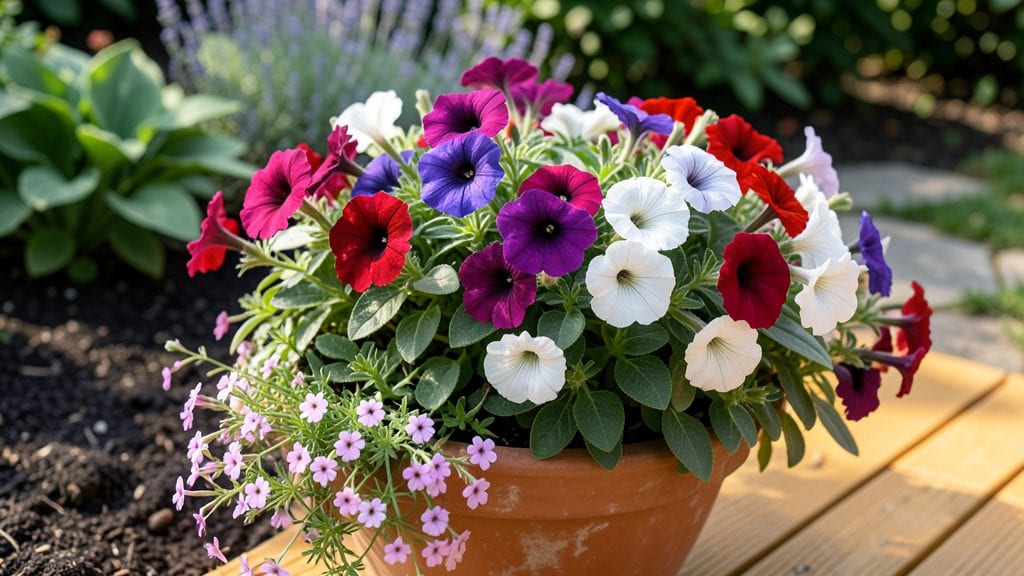
Flowering bedding plants in the Pacific Northwest don’t have to mean endless work—just the right choices. 🌸 I’ve designed pollinator-friendly beds that thrive with minimal fuss, using plants that handle our damp springs and mild summers like champs.
The secret? Matching native favorites with drought-tolerant stars like salvia, penstemon, and black-eyed Susans.
Most of these plants need only 4-6 hours of sun and well-draining soil—no fancy amendments required. I’ve swapped high-maintenance annuals for perennials that multiply yearly, cutting back on replanting and weeding. Even my busiest summer still leaves time for sipping iced tea while bees buzz past.
By late June, your beds will burst with color—deep purples, sunny yellows, and creamy whites—that keeps blooming until frost. Hummingbirds will hover, butterflies will land, and your neighbors will ask for your "secret." The best part? Less deadheading means more time enjoying the show.
Whether you’ve got a sunny border or a shady corner, these plants adapt. Let’s turn your space into a buzzing, blooming sanctuary without the upkeep headache.
📚 In This Guide
- What you need
- Instructions
- Tips and common mistakes
- Wrapping up and next steps
What you need
- ● Flowering bedding plants: Choose 6–12 plants per bed (mix of annuals and perennials for year-round blooms). Top picks for the PNW: Nepeta (Catmint) – 3–4 plants (drought-tolerant, attracts bees)
- ● Lavandula (Lavender) – 2–3 plants (fragrant, deer-resistant)
- ● Eschscholzia (California Poppy) – 5–6 plants (self-seeding, low-water)
- ● Salvia nemorosa (Perennial Sage) – 2–3 plants (long bloom season)
- ● Annuals: Zinnia, Cosmos, or Snapdragons – 4–6 plants (for vibrant summer color)
- ● High-quality potting soil: 2–3 cubic yards (or 10–15 bags of 2-cubic-foot mix) with compost (20–30% by volume) for drainage and nutrients.
- ● Mulch: 1–2 inches of cedar chips or straw (5–10 bags) to retain moisture and suppress weeds.
- ● Organic fertilizer: Slow-release 10-10-10 or fish emulsion (1–2 lbs per 100 sq ft).
- ● Basic: Garden trowel, hand pruners, gloves, watering can/hose with adjustable nozzle, and a wheelbarrow.
- ○ Optional (but helpful): Soil pH tester (PNW soil is often acidic; aim for 6.0–7.0 for most bedding plants).
- ● Drip irrigation kit (for automated watering).
- ● Knee pads or a small stool (for comfort during planting!).
- ● Sunlight: Select a site with 6+ hours of sun/day (partial shade is okay for shade-tolerant varieties like Heuchera).
- ● Drainage: Ensure the area isn’t prone to waterlogging (amend clay soil with sand or perlite if needed).
- ● Local regulations: Check if your area requires permits for planting near waterways or in public spaces.
- ● Timing: Plant annuals in late spring (May–June) after the last frost; perennials can go in early spring or fall.
Step-by-step guide for designing a Pacific Northwest pollinator-friendly flowering bed
Here's how to create a thriving, low-maintenance garden that attracts bees, butterflies, and hummingbirds—without the fuss.
🌱 Step 1: Choose the Perfect Location and Prepare the Soil
Select a site that gets at least 6 hours of sunlight daily—most Pacific Northwest gardens thrive in partial shade to full sun. Avoid low-lying areas where cold air settles, as bedding plants struggle with early frost. Clear weeds and loosen the soil to a depth of 12 inches using a garden fork. I like to work in a handful of compost at this stage to improve drainage and fertility.
Test the soil pH—most flowering annuals prefer a range of 6.0 to 7.0. If your soil is too acidic, sprinkle in garden lime and mix it in. The goal is loose, well-draining soil that holds moisture without becoming waterlogged. Amend heavy clay with sand or perlite if needed, but don’t overdo it—too much sand can wash away nutrients.
🌿 Step 2: Select Drought-Tolerant, Native-Friendly Bedding Plants
For a low-maintenance pollinator magnet, focus on Pacific Northwest natives and drought-resistant annuals like lupine, penstemon, columbine, and blanket flower. These plants thrive in our climate and require minimal watering once established. I group plants by height—tall varieties like sunflowers or hollyhocks go in the back, while sweet alyssum or lobelia spill over edges.
Space plants according to their mature size—typically 12 to 18 inches apart for most annuals. Check the seed packet or plant tag for spacing guidelines. Overcrowding leads to weak stems and disease, while too much space wastes water and leaves gaps. Here’s the thing—mix in a few milkweed plants if you want to support monarch butterflies, but avoid invasive species like English ivy or Himalayan blackberry.
☀️ Step 3: Plant with Pollinator Needs in Mind
Dig holes slightly deeper than the root ball but no wider—this encourages roots to spread outward instead of circling. Gently remove plants from their containers and tease apart any tangled roots. Place each one in its hole, then fill with soil, pressing lightly to eliminate air pockets. Water deeply right after planting to settle the soil and remove any air gaps around the roots.
Arrange flowers to bloom sequentially—start with early spring bloomers like sweet peas or violas, followed by summer favorites like zinnia or salvia, and finish with fall-blooming asters or goldenrod. This ensures a continuous nectar source for pollinators from April through October. Avoid planting only one type of flower—diversity attracts more species and reduces pest problems.
💧 Step 4: Mulch and Water Strategically
Spread a 2- to 3-inch layer of mulch over the soil surface, keeping it 2 inches away from plant stems to prevent rot. Use shredded bark, straw, or pine needles—whatever’s locally available. Mulch conserves moisture, suppresses weeds, and regulates soil temperature. In the Pacific Northwest, mulch also protects roots from sudden temperature swings.
Water deeply 2-3 times per week during the first month, then taper to once a week once plants are established. The key is to water at the base, not overhead—this prevents fungal diseases like powdery mildew. Let the top 1-2 inches of soil dry out between waterings. You’ll know you’re doing it right when the soil feels slightly damp but not soggy.
✂️ Step 5: Maintain with Minimal Effort
Deadhead spent blooms regularly to encourage continuous flowering—simply pinch off faded flowers with your fingers or snip with clean pruners. This redirects the plant’s energy into producing more blooms instead of seeds. I like to do this on a weekly basis, especially for zinnia, marigold, or cosmos, which reward consistent care with nonstop color.
Fertilize lightly once in early summer with a balanced, slow-release fertilizer (like 10-10-10). Too much nitrogen leads to lush foliage but fewer flowers. Watch for pests like aphids or spider mites—if you spot them, blast off with a strong stream of water or use neem oil. Most bedding plants in the Pacific Northwest stay pest-free with good airflow and proper spacing.
Tips & tricks for perfect Pacific Northwest pollinator gardens
Creating a thriving pollinator garden doesn't require a green thumb—just these key strategies for lasting success.
Location and Sunlight: The 6 hours of sunlight requirement is non-negotiable for most flowering annuals in our climate, but don't overlook microclimates. If your site gets morning sun but afternoon shade, that still counts—just avoid placing heat-sensitive plants like sweet alyssum in full afternoon sun. Test your spot by observing how sunlight moves across it throughout the day, especially during summer solstice when days are longest.
Soil Preparation: When loosening soil to 12 inches, think of it as creating a sponge—not a powder. Break up large clumps with your garden fork but leave some texture to help water penetrate slowly. The compost you mix in should be well-aged (no fresh manure) to prevent burning young roots. For heavy clay soils, blend in perlite at a 1:4 ratio with soil—this improves drainage without washing away nutrients like sand might.
Plant Selection: The 12-18 inch spacing guideline works well, but here's what nobody tells you—leave even more room for milkweed (24-36 inches) since monarch caterpillars need space to grow. Group plants with similar water needs together; for example, place drought-tolerant blanket flowers next to salvia rather than near moisture-loving lobelia. This zoning prevents overwatering while keeping your garden's watering routine simple.
Seasonal Blooming: The April-through-October bloom sequence is brilliant, but don't stop there. Add late fall interest with plants like sedum or hellebore that bloom when most gardens wind down. These provide essential nectar for migrating pollinators. I've found that planting a few extra spring bloomers (like violas) in fall gives them a head start—these early flowers often get eaten by slugs in spring if planted too late.
Pro Tips for Flowering Bedding Plants
- Creating a thriving pollinator garden doesn't require a green thumb—just these key strategies for lasting success.
- Location and Sunlight: The 6 hours of sunlight requirement is non-negotiable for most flowering annuals in our climate, but don't overlook microclimates.
- Soil Preparation: When loosening soil to 12 inches, think of it as creating a sponge—not a powder.
Frequently asked questions
Got questions about transforming your Pacific Northwest garden with flowering bedding plants? You’re not alone! Here are some of the most common queries—and their answers—to help you grow with confidence.
What are the easiest flowering bedding plants for beginners in the PNW?
Start with low-maintenance stars like petunias, geraniums, or marigolds. These thrive in the PNW’s mild summers, tolerate occasional rain, and bloom prolifically. For pollinators, add lobelia or salvia—they’re tough, drought-resistant, and irresistible to bees and butterflies! Pro tip: Mix annuals with perennials (like columbine) for year-round color.
When is the best time to plant flowering bedding plants in the Pacific Northwest?
For most of the PNW (zones 7–9), late April to early June is ideal after the last frost. In cooler coastal areas (like Seattle), wait until mid-May to avoid chilly nights. If you’re planting in containers, you can start slightly earlier (early April) for a head start. Troubleshooting: If your plants wilt after transplanting, they’re thirsty—water deeply and mulch to retain moisture.
How do I protect flowering bedding plants from excessive rain in the PNW?
The PNW’s plenty of rain can drown roots or spread fungal diseases. Improve drainage by amending soil with compost or perlite and plant in raised beds if needed. Elevate containers with feet or saucers to prevent waterlogging. For extra protection, choose disease-resistant varieties (like impatiens or begonias) and avoid overhead watering.
Which flowering bedding plants attract the most pollinators?
Plant a pollinator powerhouse with bee balm, coneflowers, black-eyed Susans, and butterfly weed. For hummingbirds, go for fuchsia or salvia. The key is diverse colors and textures—mix blue (lobelia), yellow (coreopsis), and purple (petunias) for maximum appeal. Bonus: Plant early, mid, and late-season bloomers to keep pollinators fed year-round!
Can I reuse last year’s flowering bedding plants, or should I replace them?
Most annuals (like marigolds or zinnias) won’t survive winter in the PNW, so replace them each year. However, perennial bedding plants (such as lavender or catmint) will return if cut back and mulched. For annuals, save seeds from healthy plants (like nasturtiums) or propagate cuttings from geraniums to save money!
Wrapping up and next steps
Transforming your Pacific Northwest garden with flowering bedding plants is easier—and more rewarding—than you think! 🌸 From sun-loving Lavatera to shade-friendly Heuchera, these pollinator magnets thrive with minimal fuss while boosting biodiversity.
Remember: healthy soil, smart spacing, and seasonal prep are your secret weapons for year-round color and buzzing visitors.
Ready to dive in? Start small—pick one or two plants this season, experiment with pairings, and let your garden evolve. Before you know it, you’ll have a thriving, low-maintenance haven that’s as beautiful as it is beneficial. Happy planting! 🌿