Flowers
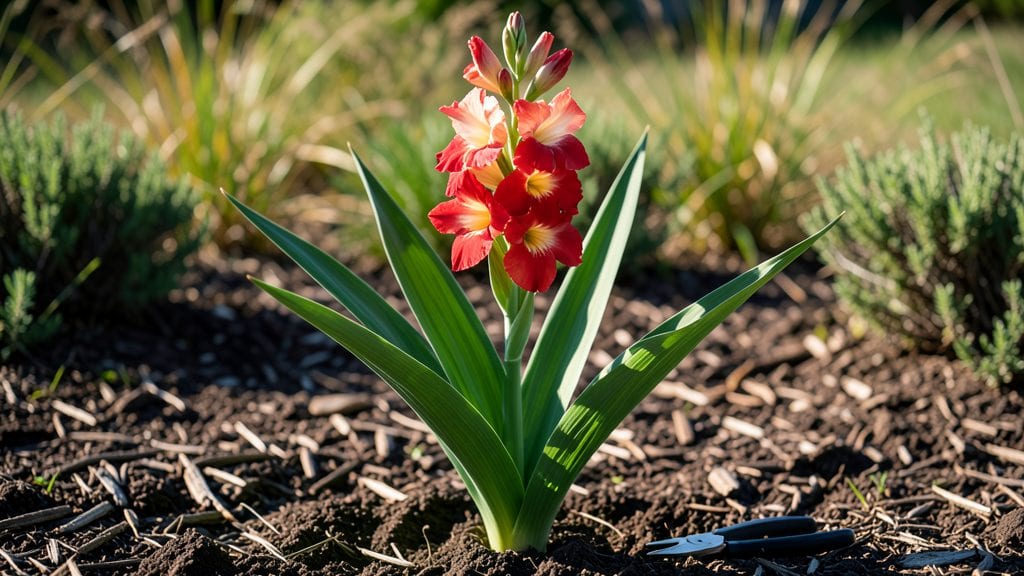
Gladiolus flowers act like annuals in cold climates but can return as perennials in warm zones—here’s how to trick them into lasting longer. 🌱 I’ve grown them through three Minnesota winters by treating them like delicate bulbs that need winter protection, and the results are worth the effort.
Most gardeners assume gladiolus are one-and-done plants, but with the right approach, you can coax them back year after year.
The secret lies in their corms—those thick, underground stems that store energy. In zones 7 and warmer, they naturally overwinter and regrow. But in colder areas, you’ll need to dig them up before frost, store them in a cool, dry spot (like a basement), and replant in spring.
It’s a little extra work, but the payoff is stunning summer blooms that come back stronger each time.
With proper care, your gladiolus will reward you with tall spikes of vibrant blooms from midsummer to fall. The foliage stays lush, the stems stay sturdy, and you’ll have cut flowers that rival any bouquet you’ve ever bought.
Plus, once you master the overwintering trick, you’ll save money and space by not having to replant from seed every year.
Whether you’re in a warm zone or a cold one, this approach works—just adjust the timing. Next, we’ll cover the exact steps for digging, storing, and replanting to keep your gladiolus thriving through the seasons.
📚 In This Guide
- What you need
- Instructions
- Tips and common mistakes
- Wrapping up and next steps
What you need
- ● Gladiolus corms: Choose hardy varieties like ‘Picasso’ or ‘Green Star’ (10–20 corms, depending on desired density). Opt for USDA Zones 3–8 for cold resilience.
- ● Well-draining soil: Mix 1 part garden soil + 1 part compost + 1 part perlite/sand (5–10 gallons per planting area).
- ● Organic mulch: Straw or shredded leaves (2–3 inches) to insulate roots in winter.
- ● Slow-release fertilizer: 10-10-10 or 5-10-10 (1–2 tbsp per corm at planting).
- ● Planting stakes: Bamboo or wooden stakes (18–24 inches tall, 5–10 stakes per cluster).
- ● Hand trowel or garden fork: For digging corm beds (6-inch depth).
- ● Watering can or hose with nozzle: Gentle watering to avoid corm rot.
- ● Pruners or sharp knife: For trimming spent foliage in fall.
- ○ Thermometer (optional): Monitor soil temps (50°F+ for planting, below 40°F for winter protection).
- ○ Cold frame or row covers (optional): Extend the season in Zones 3–5.
- ● 🌡️ Chill treatment: Store corms in a cool, dry place (40–50°F) for 6–8 weeks before spring planting to break dormancy.
- ● ✨ Winter prep: Add a 4-inch layer of mulch after the first frost to protect corms.
- ● 🎯 Soil test: Check pH (ideal: 6.5–7.0)—amend with lime or sulfur if needed.
How to extend your gladiolus season in cold climates
Here’s how to coax those dramatic sword-like blooms year after year—even when winter bites.
🌱 Step 1: Choose the Right Varieties for Your Zone
Not all gladiolus varieties survive winter. Look for hardy cultivars like 'Attraction' or 'Picasso,' which tolerate down to 20°F. These are bred to store energy in their corms for regrowth. Avoid tropical varieties—they’ll rot before spring.
I always check the USDA zone range on the seed packet. If your winters dip below 25°F, plant larger corms (size 1 or 2)—they’ve got more stored energy to weather the cold. Smaller corms struggle to regrow after harsh freezes.
☀️ Step 2: Plant at the Perfect Depth and Timing
Dig a trench 4-6 inches deep—deep enough so the corm sits 3-4 inches below soil level. Shallow planting exposes corms to freeze-thaw cycles, which cracks them open. I mark the trench with stakes to avoid planting too deep by accident.
Time planting for late summer (August) in cold zones. This gives roots time to establish before frost, but the corm stays dormant until spring warmth triggers growth. In milder zones, you can plant in early fall, but cover with 4-6 inches of mulch to insulate.
💧 Step 3: Mulch Heavily for Winter Protection
Once soil temps drop below 40°F, spread 6-8 inches of straw or shredded leaves over the planting area. This traps heat and prevents soil from freezing solid. I use straw because it breaks down slowly and won’t compact like grass clippings.
Add a thin layer of burlap or cardboard over the mulch to block wind and snow compaction. In extreme winters (below 10°F), top with a lightweight tarp secured with bricks—just lift it in early spring to let sunlight warm the soil.
⏰ Step 4: Prune and Feed for Next Year’s Blooms
After the first frost blackens the foliage, cut back stems to 2 inches above the corm. This prevents disease buildup in dead tissue. I always sterilize my pruners with rubbing alcohol between cuts—gladiolus rust spreads fast.
In early spring, top-dress with 10-10-10 fertilizer (use 1 tablespoon per corm). Water deeply when shoots reach 4 inches tall. Watch for new leaves unfurling—that’s your cue to remove winter mulch gradually to avoid shocking the corms.
🌿 Step 5: Divide and Propagate Every 3-4 Years
Gladiolus corms multiply over time, but crowded clumps produce fewer, smaller blooms. Dig up corms in early fall when foliage yellows. Separate offsets with a sterilized knife, discarding any that feel mushy or shriveled.
Store healthy corms in dry peat moss in a cool (40-50°F), dark place until replanting. I label varieties with toothpicks and store them in a mesh bag—this keeps them from drying out while allowing airflow. Replant the largest corms for the best blooms next season.
Tips & tricks for year-round gladiolus blooms
Cold climates don't have to mean the end of your gladiolus dreams—these tricks will keep your sword-shaped stars thriving through winter.
Variety Selection: When choosing hardy cultivars like 'Attraction' or 'Picasso' (which tolerate down to 20°F), look for corms labeled as size 1 or 2—they've got the energy reserves to survive harsh winters. I've learned the hard way that smaller corms often fail to regrow after sub-25°F freezes, so don't skimp on size when shopping. The extra cost pays off in reliable blooms.
Planting Depth Visual: For that perfect 3-4 inch depth in Step 2, imagine stacking two golf balls on top of your corm—that's your target depth. Too shallow and freeze-thaw cycles will crack them open like eggshells. I use a small wooden stake to mark the depth before planting, which saves me from guessing later. This simple trick prevents one of the most common winter failures.
Mulch Layering Strategy: That 6-8 inch straw layer in Step 3 needs proper layering—start with 2-3 inches of straw directly on the soil, then add another 3-5 inches on top. The bottom layer insulates the soil while the top layer protects against wind and snow compaction. In my Zone 5 garden, I've seen corms survive -15°F temps with this method, though I still add the tarp for extreme winters below 10°F.
Spring Thaw Timing: Don't rush to remove mulch in early spring—wait until you see new leaves unfurling (around 4 inches tall) before gradually pulling it back. I remove about half the mulch first, then wait 3-4 days before removing the rest. This gradual exposure prevents shock to the emerging corms, which can happen when cold soil meets sudden warmth.
Pro Tips for Gladiolus Flower Perennial Or Annual
- Cold climates don't have to mean the end of your gladiolus dreams—these tricks will keep your sword-shaped stars thri...
- Variety Selection: When choosing hardy cultivars like 'Attraction' or 'Picasso' (which tolerate down to 20°F), look f...
- Planting Depth Visual: For that perfect 3-4 inch depth in Step 2, imagine stacking two golf balls on top of your corm...
Frequently asked questions
Got questions about keeping your gladiolus blooms thriving? Here are some of the most common ones—plus straightforward answers to help you plan like a pro!
Are gladiolus flowers truly perennials, or do they die back every year?
Gladiolus are technically perennials, but they’re not cold-hardy in most climates. In zones 7-10 (or with winter protection), they may return yearly—but in colder areas, they’re often grown as annuals for their stunning summer blooms. Dig up and divide tubers in fall to preserve them for next season!
Can gladiolus survive winter in cold climates?
Unfortunately, no—gladiolus hate frost! In zones 5-6, lift tubers before the first freeze (usually by late October) and store them in a cool, dry place (like a garage) until spring. For zones 7+, mulch heavily or plant in a sheltered spot. Pro tip: Use straw or leaves as insulation!
What’s the easiest way to get gladiolus to bloom again next year?
To encourage repeat blooms, divide tubers every 2-3 years—overcrowding reduces flowers. Plant corms 4-6 inches deep in well-draining soil, and fertilize lightly with phosphorus (for roots) and potassium (for blooms). Bonus: Deadhead spent blooms to redirect energy to tuber growth!
Are there perennial alternatives to gladiolus for long-lasting color?
Yes! For bold, repeat blooms without annual replanting, try:
- Dahlias (zones 7-10; dig tubers in cold climates)
- Bearded iris (perennial, drought-tolerant)
- Canna lilies (tender perennial; lift in frost)
- Daylilies (hardy, low-maintenance)
Why aren’t my gladiolus blooming, even though the leaves look healthy?
Missing blooms often mean too much nitrogen (lush leaves but no flowers) or overcrowded tubers. Switch to a low-nitrogen, high-phosphorus fertilizer (like 5-10-10) and thin plants. Check for:
- 6+ hours of sun (they need it!)
- Well-draining soil (no soggy roots!)
- Fresh corms (old tubers may be exhausted)
Wrapping up and next steps
So, whether you're dreaming of bold summer blooms or plotting a cold-climate comeback, gladiolus flowers can deliver—with the right care!
Remember, they’re annuals in most zones, but with a little strategy (like lifting bulbs or growing in containers), you can enjoy their dramatic beauty year after year. 🌱
Ready to transform your garden? Start by picking your favorite varieties, prepping your soil, and experimenting with overwintering tips. Your future floral masterpiece awaits! 🌸