
Flowers
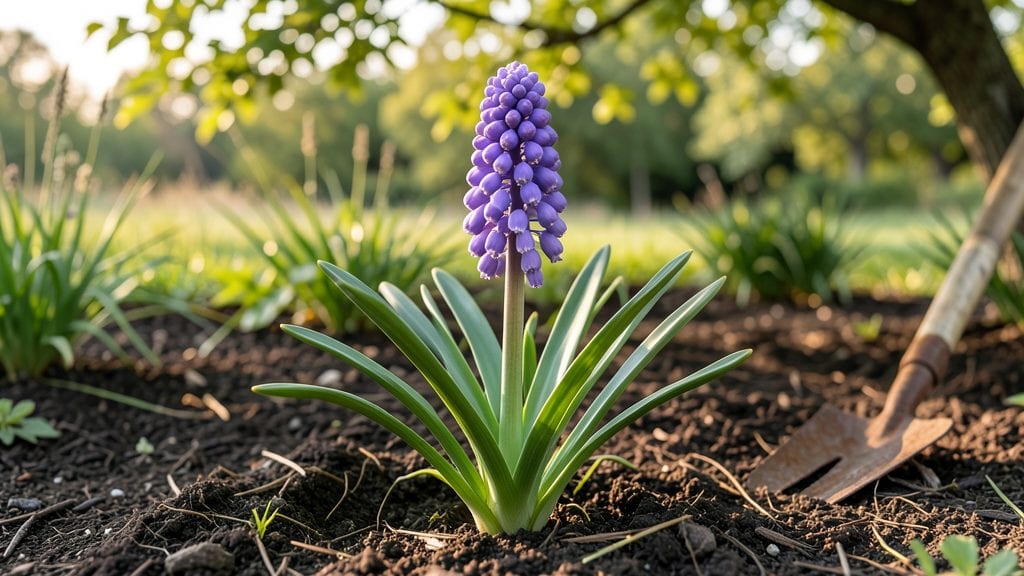
This grape hyacinth wildflower bursts forth like magic in early spring, transforming even the dreariest garden into a dazzling display of tiny blue stars. I’ve watched them naturalize in my yard, multiplying year after year with almost no effort—just a few weeks of sunlight and well-draining soil.
The secret lies in their resilience: they thrive where other flowers struggle, making them perfect for borders, meadows, or even under trees.
You’ll need a spot with partial to full sun and soil that drains well—grape hyacinths hate soggy roots. Plant the bulbs 4 inches deep and 3 inches apart in fall, and they’ll reward you with dense clusters of fragrant blooms by late winter or early spring.
No fussing required: they spread on their own, creating a carpet of color that lasts for weeks.
What makes them special is how they naturalize effortlessly. Once established, they’ll return year after year, often in larger patches, while attracting pollinators early in the season. The flowers may fade, but the foliage stays green until summer, adding texture to your garden even after blooming.
They’re also drought-tolerant once settled, making them ideal for low-maintenance spaces. If you love wildflowers that multiply without work, grape hyacinths are your go-to. Ready to add a splash of blue to your garden? Let’s get planting!
📚 In This Guide
- What you need
- Instructions
- Tips and common mistakes
- Wrapping up and next steps
What you need
- ● Grape hyacinth bulbs (Muscari spp.) – 10-20 bulbs (for a small patch) or 50+ bulbs (for full coverage). Choose hardy varieties like Muscari armeniacum (deep blue) or Muscari botryoides (lighter blue).
- ● Well-draining potting mix or garden soil – 1-2 bags (50 lbs each) if amending clay or sandy soil. Aim for a pH of 6.0-7.0.
- ○ Compost or aged manure – 1-2 gallons (optional but boosts fertility).
- ● Slow-release fertilizer (5-10-10 or 10-10-10) – 1 lb (sprinkle lightly over planting area).
- ● Garden trowel or bulb planter – For digging holes 3-4 inches deep.
- ● Gloves – 1 pair (to protect hands from soil and sharp bulb edges).
- ● Watering can or hose with a gentle spray nozzle – 1 unit (for post-planting hydration).
- ○ Mulch (optional) – 2-3 inches of straw, pine needles, or shredded leaves to retain moisture.
- ● Sunlight – Partial shade to full sun (6+ hours of light daily). Grape hyacinths tolerate shade better than many spring bloomers!
- ● Planting location – A spot with well-draining soil (avoid soggy areas). Containers or garden beds both work!
- ● Patience – Bulbs may take 4-6 weeks to sprout and 2-3 years to reach full maturity.
- ● Plant in fall (8-10 weeks before first frost) for the best early spring blooms!
- ● Avoid overcrowding—space bulbs 3-4 inches apart for optimal airflow.
- ● Water lightly after planting, then reduce watering once shoots appear (overwatering can rot bulbs).
Step-by-Step instructions for planting grape hyacinth wildflowers
Here's how to create a carpet of cheerful blue blooms that thrive with minimal fuss.
🌱 Step 1: Choose the Right Location and Prepare the Soil
Grape hyacinths adore full sun to light shade, with at least 6 hours of direct sunlight daily for best flowering. I always pick spots near patios or walkways where their 3-4 inch tall blooms will be easily admired. These wildflowers tolerate a variety of soil types but perform best in well-draining, slightly sandy loam—they hate soggy roots.
Before planting, loosen the top 6-8 inches of soil with a garden fork to improve drainage. Amend heavy clay with compost or coarse sand if your soil feels dense when squeezed. A light sprinkle of bone meal fertilizer (about 1 tablespoon per square foot) provides phosphorus for strong root development, which is especially important for early spring planting.
🪴 Step 2: Plant Bulbs at the Correct Depth and Spacing
Grape hyacinth bulbs are small—about the size of a grape—and should be planted 2-3 inches deep, with 2-3 inches between each bulb. I use a bulb planter for precision, pressing each bulb into the soil just deep enough so the tip points upward. Planting too shallow risks exposing bulbs to frost, while burying them too deep delays flowering.
For a naturalized look, scatter bulbs in clusters of 5-10 rather than single rows. This mimics their wildflower origins and creates a more abundant display. Water immediately after planting to settle the soil around the bulbs, then let the area dry slightly before watering again. Overwatering at this stage can cause bulbs to rot before they establish roots.
☀️ Step 3: Provide Consistent Moisture and Light Through the Growing Season
Once planted, grape hyacinths need moderate moisture but won’t tolerate standing water. Water once a week during dry spells, aiming for ½ inch of water per week, and always water at the base of the plants to avoid wetting the foliage. This prevents fungal diseases that can blacken leaves and weaken blooms.
After the first flush of flowers fades, allow the foliage to die back naturally—never cut it until it yellows completely. This process recharges the bulbs for next year’s blooms. In late summer, when new growth appears, resume watering lightly until fall. Mulch with 2-3 inches of straw after planting to retain moisture and suppress weeds, but keep mulch 2 inches away from bulb crowns to prevent rot.
✂️ Step 4: Maintain and Encourage Reblooming
Deadhead spent blooms by snipping off the entire flower stalk at the base with clean shears. This redirects the plant’s energy toward bulb storage rather than seed production, which can weaken the plant. I always wait until 50% of blooms have faded before deadheading to allow some seeds to disperse naturally if you want to encourage self-seeding.
Fertilize lightly in early spring with a balanced 10-10-10 fertilizer (about ½ teaspoon per square foot) to support new growth. Avoid high-nitrogen fertilizers—they promote leafy growth at the expense of flowers. In USDA Zones 3-8, grape hyacinths are hardy and will return year after year with proper care, often blooming earlier and more prolifically each season.
⏰ Step 5: Plan for Long-Term Naturalization
After 3-4 years, grape hyacinths will multiply and form dense clumps. To maintain vigor, divide overcrowded patches in early fall by carefully lifting bulbs and separating them with a fork. Replant immediately in fresh soil, as these bulbs don’t store well once dug up. This also prevents blooms from becoming sparse or leggy over time.
For a low-maintenance display, let them naturalize in one spot—they’ll spread gradually and fill in gaps over time. Just avoid disturbing the area once established. In Zone 4 or colder, add a 2-inch layer of mulch in late fall to protect bulbs from extreme cold. With minimal effort, these tiny stars will reward you with weeks of early spring color and occasional reblooms in fall.
Tips & tricks for perfect grape hyacinth planting
These simple yet game-changing tips will help you create a stunning, low-maintenance display of grape hyacinths that return year after year.
Location and Sunlight Strategy: While grape hyacinths tolerate light shade, I've found their blooms are most vibrant when planted in spots receiving the full 6 hours of sunlight mentioned in Step 1. For maximum impact, position them near walkways or seating areas where their 3-4 inch tall blooms will be easily admired. If your garden has afternoon shade, plant them slightly closer to the morning sun to ensure they get their full light requirement.
Soil Preparation Insight: When amending heavy clay soil as suggested in Step 1, I recommend mixing in compost or coarse sand to a depth of 6-8 inches—this creates the ideal well-draining environment grape hyacinths crave. For a quick test, squeeze a handful of your prepared soil: if it holds its shape but crumbles easily when tapped, you've achieved the perfect texture. The bone meal fertilizer (1 tablespoon per square foot) is especially valuable for early spring planting, as it jumpstarts root development when temperatures are still cool.
Planting Precision: The 2-3 inch depth and spacing specified in Step 2 might seem small, but it's crucial for these delicate bulbs. I've learned that using a bulb planter gives you the precision needed to place each bulb just right—press it into the soil until the tip points upward, but don't force it. For a naturalized look, I scatter bulbs in clusters of 5-10 rather than neat rows, which creates a more abundant display and mimics their wildflower origins. After planting, water thoroughly to settle the soil around the bulbs, but resist the urge to water again immediately—letting the soil dry slightly prevents bulb rot.
Seasonal Care Calendar: The watering schedule in Step 3 is perfect, but I've found adding a 2-3 inch layer of straw mulch right after planting helps maintain that moderate moisture without overwatering. Remember to keep the mulch 2 inches away from bulb crowns to prevent rot. In late summer when new growth appears, I resume watering lightly until fall—this encourages strong bulb development for next year's blooms. The key is patience: never cut back foliage until it yellows completely, as this process recharges the bulbs for future flowering.
Pro Tips for Grape Hyacinth Wildflower
- These simple yet game-changing tips will help you create a stunning, low-maintenance display of grape hyacinths that return year after year.
- Location and Sunlight Strategy: While grape hyacinths tolerate light shade, I've found their blooms are most vibrant when planted in spots receiving the full 6 hours of sunlight mentioned in Step 1.
- For a quick test, squeeze a handful of your prepared soil: if it holds its shape but crumbles easily when tapped, you've achieved the perfect texture.
Frequently asked questions
Got questions about growing grape hyacinth wildflowers? You’re not alone!
Here are some of the most common questions—and answers—to help you cultivate these charming blue beauties with confidence.
How long does it take for grape hyacinths to bloom after planting?
Grape hyacinths are fast growers! If planted in fall (ideal timing), they’ll often bloom as early as late winter or early spring—sometimes even while snow is still on the ground. Bulbs planted in spring may take a year to flower but will reward you with vibrant blooms the following season.
Can grape hyacinths survive in hot climates?
These wildflowers thrive in cool to moderate climates (USDA Zones 3–8) but struggle in extreme heat or drought. For hotter regions, plant them in partial shade (like under trees) and keep the soil consistently moist. Mulching helps retain moisture and protect the bulbs during summer heat.
What should I do if my grape hyacinths don’t come back every year?
Missing blooms often mean the bulbs are not getting enough energy to rebloom. Ensure they’re in well-draining soil and receive 6+ hours of sunlight. Overcrowding can also stunt growth—dig up and divide bulbs every 3–4 years to refresh the patch. Deadheading spent flowers encourages reblooming too!
Are grape hyacinths toxic to pets or wildlife?
Yes, these wildflowers are mildly toxic if ingested in large quantities, thanks to their allicin content (similar to onions). While rare, pets like dogs or cats might nibble them, leading to stomach upset. Keep them out of reach if you have curious critters—and avoid planting near veggie gardens where wildlife might graze.
What’s a good alternative if grape hyacinths don’t grow well in my area?
If your climate is too hot or dry, try these early-blooming, low-maintenance alternatives:
- Crocuses – Hardy, deer-resistant, and bloom even in snow.
- Snowdrops (Galanthus) – One of the first flowers to push through winter soil.
- Daffodils – Bright, toxic to pets, and thrive in similar conditions.
- Bluebells (Hyacinthoides) – Woodland-loving perennials with bell-shaped flowers.
Wrapping up and next steps
Growing grape hyacinth wildflowers is a rewarding experience—these tiny blue starbursts bring early color, fragrance, and pollinator joy to any garden! With their low-maintenance needs and naturalizing ability, they’re perfect for adding charm to borders, meadows, or even containers.
Whether you’re a seasoned gardener or just starting, their resilience and beauty make them a must-have for spring and early summer.
Ready to plant your own patch? Grab your supplies, pick a sunny spot, and watch these cheerful blooms transform your space! 🌱✨ Next step: Mark your calendar for late summer or early fall planting—your future wildflower meadow awaits!