
Flowers
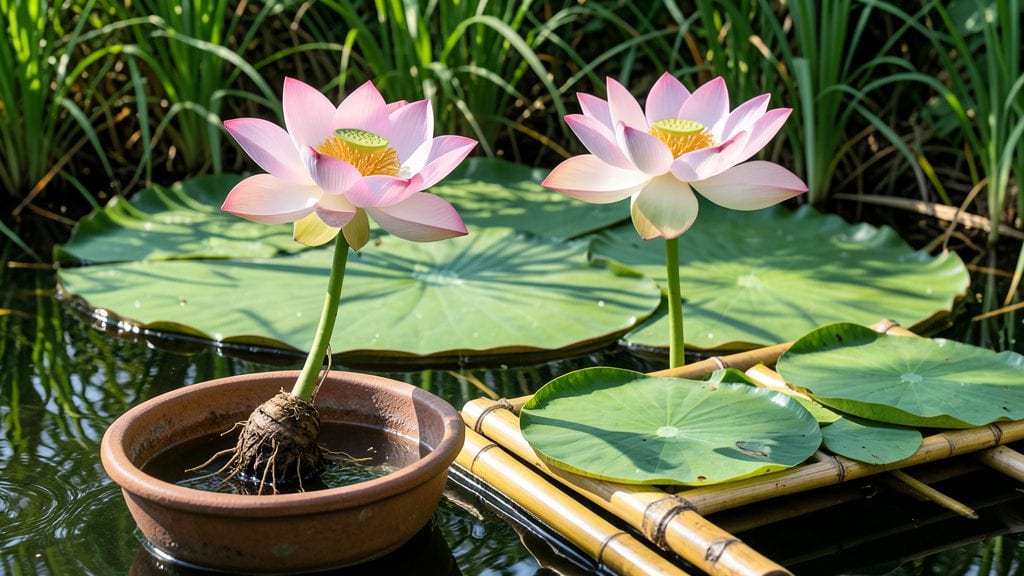
Growing lotus flowers in water feels like magic—no soil, just pure beauty emerging from stillness. 🌿 I’ve watched dormant tubers sprout into towering stems with delicate blooms, and it’s the most rewarding no-soil gardening I’ve ever tried.
The key is patience, because these plants take their time, but the payoff is worth every moment of waiting.
You’ll need a deep container (at least 12 inches of water), clean pond water or rainwater, and a sunny spot with 6+ hours of direct light daily.
Lotus tubers are surprisingly low-maintenance once you get the basics right—just avoid stagnant water (that’s where root rot hides) and keep the leaves dry when possible. Fertilizer isn’t always necessary, but a light dose of aquatic plant food in spring will give them a gentle boost.
By mid-summer, you’ll see those first buds unfurling above the water’s surface, their petals opening like nature’s own watercolor paintings. The blooms last just a day, but their symbolic beauty lingers—each one a fleeting masterpiece that makes the whole process unforgettable.
With the right setup, your lotus will reward you for years.
Perfect for ponds, large pots, or even decorative tubs on patios. The only challenge is space—these plants love to spread, so plan for a container that can grow with them. Once established, they’ll thrive with minimal fuss, turning any water feature into a serene sanctuary.
📚 In This Guide
- What you need
- Instructions
- Tips and common mistakes
- Wrapping up and next steps
What you need
- ● Lotus tubers (rhizomes): 3–5 healthy, firm tubers (size: ~2–4 inches in diameter). Choose organic or nursery-grown for best results.
- ● Container: Large, wide pot (minimum 12–18 inches in diameter and depth) or a dedicated pond-style container.
- ● Material: Plastic, fiberglass, or ceramic (avoid metal—it can leach harmful chemicals).
- ● Water: 5–10 gallons of clean, dechlorinated water (tap water left out for 24 hours or treated with a water conditioner).
- ● Gravel or small pebbles: 2–3 inches of 1/4–1/2 inch smooth river rocks or aquarium gravel (for anchoring tubers and preventing rot).
- ● Water plants fertilizer: Slow-release aquatic plant tabs (e.g., Aquarium Co-op or FloraMicro) or liquid fertilizer (diluted to ¼ strength, monthly).
- ○ pH test kit: Optional but helpful to monitor water pH (ideal range: 6.0–7.5).
- ● Water pump or aerator: Keeps water circulating and oxygenated (critical for large containers).
- ● Floating plants: Duckweed or water hyacinth to shade the water and reduce algae.
- ● Water thermometer: Lotus prefers 70–80°F water; monitor if temperatures fluctuate.
- ● Decorative elements: Floating logs, stones, or LED lights for ambiance (ensure lights are waterproof).
- ● Second container: For overwintering tubers in cooler climates (drain and store in barely moist gravel).
Step-by-step guide to growing lotus flowers in water
Here's how to transform a simple container into a serene aquatic display.
🪴 Step 1: Choose and Prepare Your Water Container
Select a container that's at least 12 inches deep—lotus rhizomes need room to spread horizontally while roots grow downward. A wide, shallow basin works best for surface blooms. I prefer ceramic or fiberglass because they retain heat better than metal, which is crucial for tropical lotus varieties.
Clean the container thoroughly with a 10% bleach solution to prevent algae buildup, then rinse well. Fill it with dechlorinated water—tap water left out for 24 hours or treated with a water conditioner works best. The water level should be about 3-4 inches deep initially, allowing space for roots to develop.
Place your container in a location with full sun exposure (6-8 hours daily). Lotus flowers are sun-worshippers—their blooms won't open fully without adequate light. A south-facing window or outdoor pond spot is ideal. If growing indoors, supplement with a grow light kept 12 inches above the surface.
🌱 Step 2: Plant the Lotus Rhizomes Correctly
Lotus rhizomes come in two main types: hardneck (for colder climates) and softneck (tropical). Handle them gently—they're delicate when fresh. Plant them horizontally, about 1-2 inches below the water surface, with the "eyes" (bud nodes) facing upward. These eyes are where new growth emerges, and proper orientation ensures healthy sprouting.
Space your rhizomes 12-18 inches apart in the container. Crowding leads to competition for nutrients and stunted blooms. I like to arrange them in a circular pattern for balanced growth—it creates a natural, symmetrical display when flowers emerge.
After planting, add more water gradually until the surface covers the rhizomes by 1-2 inches. The water level should rise slowly over the first week to avoid shocking the plants. Use a gentle stream or cup to avoid disturbing the newly placed rhizomes.
☀️ Step 3: Maintain Water Quality and Light Conditions
Lotus flowers thrive in clean, oxygenated water. Change 20-30% of the water weekly to prevent nutrient depletion and algae growth. I use a siphon or clean bucket to remove the old water from the bottom while preserving the rhizomes. Fresh water also prevents the buildup of harmful bacteria that can rot roots.
Monitor the water temperature—lotus prefer 70-85°F. In cooler climates, use a submersible heater during spring and fall. The ideal temperature range encourages robust growth and vibrant blooms. If your water gets too cold, blooming may be delayed or reduced.
Watch for signs of stress: yellowing leaves or slow growth often indicate poor water quality or insufficient light. Adjust your container's position if blooms fail to open fully. Lotus flowers need consistent light to develop properly—even a few hours of shade can weaken their structure.
⏰ Step 4: Fertilize and Encourage Blooming
Use a balanced aquatic plant fertilizer (like 10-10-10) every 4-6 weeks during the growing season. I dissolve the fertilizer in a small amount of water before adding it to the container to avoid shocking the rhizomes. Over-fertilizing can lead to excessive leaf growth at the expense of blooms—always follow package instructions.
Prune yellow or dead leaves regularly to maintain water quality and encourage new growth. Use clean, sharp scissors to cut stems at the base. This also helps redirect the plant's energy toward producing new blooms rather than maintaining damaged foliage.
Patience is key—lotus flowers typically take 60-90 days to bloom after planting. The first year often produces fewer flowers as the rhizomes establish themselves. In subsequent years, with proper care, you'll see stunning blooms emerging daily in peak season.
Tips & tricks for perfect lotus flower growth in water
Transforming your container into a thriving aquatic garden requires attention to detail—and these practical insights will help you avoid common pitfalls while maximizing your lotus's potential.
Container Material Matters: While ceramic and fiberglass containers retain heat beautifully, glass containers offer the advantage of monitoring root growth without disturbing the plants. If using metal, line it with a plastic liner to prevent heat absorption issues that can stress the rhizomes—especially important for tropical varieties that prefer that 70-85°F range consistently.
Rhizome Orientation Secret: The "eyes" (bud nodes) must face upward when planting—this isn't just about aesthetics, it's biological. I've seen beginners plant them upside down, which results in weak stems that struggle to reach the surface. After planting, gently press the rhizomes into the substrate to secure them without compacting the soil around them.
Lighting Hack for Indoor Growers: If you're growing indoors with supplemental lighting, position your grow light 12 inches above the water surface and use a timer for 12-14 hours daily to mimic natural daylight cycles. LED grow lights with full-spectrum bulbs work best, but even a simple daylight bulb can work in a pinch—just ensure it's powerful enough to penetrate the water's surface.
Water Change Technique: When performing your weekly 20-30% water changes, use a siphon to remove water from the bottom where nutrients and debris settle. This prevents disturbing the rhizomes while effectively removing waste. I like to time my water changes with my fertilizer additions—this ensures the plants get a fresh nutrient boost each time.
Pro Tips for Growing Lotus Flowers In Water
- Transforming your container into a thriving aquatic garden requires attention to detail—and these practical insights will help you avoid common pitfalls while maximizing your lotus's potential.
- Container Material Matters: While ceramic and fiberglass containers retain heat beautifully, glass containers offer the advantage of monitoring root growth without disturbing the plants.
- Rhizome Orientation Secret: The "eyes" (bud nodes) must face upward when planting—this isn't just about aesthetics, it's biological.
Frequently asked questions
Got questions about growing lotus flowers in water? You’re not alone—this method is magical but can feel tricky at first! Here are answers to the most common queries to help you cultivate stunning blooms with confidence.
Can I grow lotus flowers in any type of water?
Lotus flowers thrive in clean, still, or gently flowing fresh water—think ponds, large containers, or even a deep bucket. Avoid tap water with chlorine (let it sit for 24 hours) or stagnant water, which can attract pests or rot the rhizomes. For best results, use rainwater or dechlorinated water to keep your lotus happy and healthy!
How long does it take for lotus flowers to bloom?
Patience is key! With the right conditions, lotus flowers typically bloom within 3–5 months after planting the rhizome. Some varieties may take longer, especially in cooler climates. Keep the water at 60–85°F (15–29°C) and ensure the rhizome gets plenty of sunlight (6+ hours daily) to speed up the process.
Do I need to fertilize lotus flowers growing in water?
While lotus flowers aren’t heavy feeders, a light fertilizer can boost growth. Use a balanced aquatic plant fertilizer (like 10-10-10) sparingly—once every 4–6 weeks during the growing season. Avoid over-fertilizing, as excess nutrients can cloud the water or harm the rhizome.
Why are my lotus leaves turning yellow or brown?
Yellowing or brown leaves usually signal nutrient deficiency, poor water quality, or pests. Check the water for algae or debris and replace it if murky. If pests (like snails or aphids) are the culprit, use neem oil or introduce beneficial insects. Ensure the rhizome isn’t buried too deep—it should be half-submerged for optimal health.
Can I grow lotus flowers indoors in a container?
Yes, but with limitations! Lotus flowers need deep containers (at least 12–18 inches) and plenty of sunlight (a south-facing window or grow lights work). For indoor success, use a large bucket or tub, keep the water clean, and rotate the container occasionally for even growth. Just don’t expect blooms as vibrant as outdoor lotuses!
Wrapping up and next steps
Growing lotus flowers in water is a rewarding journey that brings serenity and beauty to any space—and you’ve got everything you need to succeed! 🌸 With just a few simple steps, patience, and a little love, you can watch these majestic blooms rise from the water’s surface.
Whether you’re a beginner or a seasoned plant parent, this no-soil method proves that nature’s magic thrives with minimal effort.
Ready to take the next step? Start small—try a single tuber in a container or pond—and let your confidence grow as you expand your lotus garden! Share your progress with fellow plant lovers, and soon, you’ll be the envy of the neighborhood with your stunning, water-grown lotuses. Happy growing! 🌊✨