
Flowers
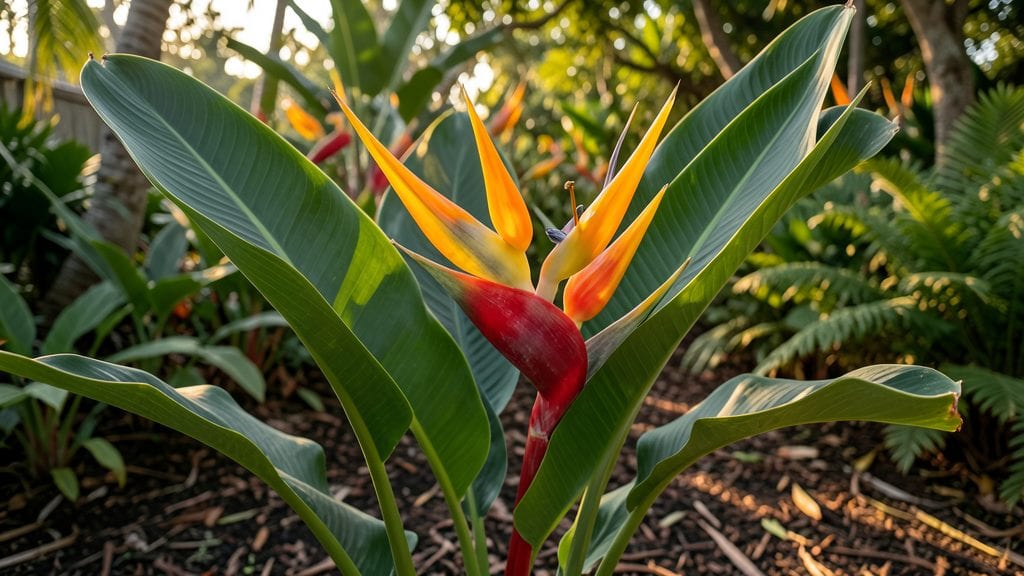
Growing Hawaiian punch flowers means waking up to bold red blooms that look like they’ve been painted by the sun itself. 🌺 These tropical beauties thrive in warm climates and reward you with year-round color—if you give them the right conditions.
The secret isn’t complicated: they love heat, humidity, and a little neglect (yes, really).
Start with well-draining soil and a spot that gets full sun to partial shade—morning sun and afternoon shade works best in hotter zones. They’re not picky about soil type, but amending with compost gives them a boost.
Water when the top inch feels dry, and watch as those giant, trumpet-shaped blooms open daily. Pruning spent flowers keeps them flowering longer.
You’ll end up with a plant that’s sturdy, fast-growing, and surprisingly low-maintenance—perfect for borders, containers, or even as a focal point in a tropical garden. The blooms attract hummingbirds, and the leaves stay lush all year. Just avoid frost, and you’re golden.
Even in less-than-ideal climates, you can grow them in containers and bring them indoors during cold snaps. They bounce back quickly, making them a forgiving choice for gardeners who want drama without the fuss. Let’s get those roots in the ground!
📚 In This Guide
- What you need
- Instructions
- Tips and common mistakes
- Wrapping up and next steps
What you need
- ● Hawaiian Punch flower plants: 1–3 healthy nursery-grown plants (choose varieties like 'Hawaiian Punch,' 'Dwarf Red,' or 'Orange King' for bold colors).
- ● Well-draining potting soil: 3–5 gallons (for containers) or amend garden soil with compost (for in-ground planting).
- ○ Containers (optional but recommended): 12–15" diameter pots with drainage holes (terracotta or fabric pots work best).
- ● Slow-release fertilizer: 1–2 cups of 10-10-10 or organic bloom booster (like fish emulsion).
- ● Pruning shears: Sharp, clean pair for trimming dead blooms or shaping plants.
- ● Watering can or hose with a gentle spray nozzle: Hawaiian Punch flowers love hydration but hate soggy roots!
- ● Sunlight access: A spot with 6+ hours of direct sunlight daily (south- or west-facing is ideal).
- ○ Mulch (optional): 1–2 inches of organic mulch (like bark or straw) to retain moisture and regulate soil temperature.
- ○ Support stakes (optional): 3–4 bamboo stakes or a small trellis if growing taller varieties (like 'Hawaiian Punch' can reach 6–10 feet!).
- ○ pH test kit (optional): To ensure soil pH is 6.0–7.0 (slightly acidic to neutral).
- ● Pest control (preventative): Neem oil spray or insecticidal soap (for aphids or spider mites).
Step-by-Step instructions for growing Hawaiian punch flowers
Here’s how to coax vibrant, continuous blooms from these tropical beauties—no green thumb required.
🌱 Step 1: Choose the Right Spot for Warmth and Light
Hawaiian punch flowers thrive in bright, indirect light—think 6-8 hours of morning sun with afternoon shade. A south- or east-facing window works perfectly, but avoid harsh afternoon rays that scorch leaves. If growing indoors, rotate the plant quarter-turn weekly so it grows evenly.
Outdoors, these flowers love warmth—keep soil temperatures above 65°F. If nights dip below 55°F, move pots indoors or cover with frost cloth. You’ll know the light is right when leaves stay deep green and stems remain sturdy, not leggy.
💧 Step 2: Water Consistently Without Overdoing It
Water when the top inch of soil feels dry—about every 2-3 days in warm weather, less in cooler months. Stick your finger in the soil; if it’s damp past your first knuckle, wait another day. Overwatering causes root rot, while underwatering makes buds drop.
Use room-temperature water to avoid shocking roots. I like to water in the morning so excess drains away before evening. Yellowing leaves? You’re likely overwatering. Brown, crispy edges? Time to water more.
☀️ Step 3: Feed Lightly for Long-Lasting Blooms
Use a balanced liquid fertilizer (like 10-10-10) every 4-6 weeks during active growth. Dilute to half-strength—these flowers are sensitive to salt buildup. Stop fertilizing in late summer to encourage blooming over new foliage.
Watch for buds forming—that’s your cue to reduce water slightly (just let the top inch dry out). Too much nitrogen = lush leaves, no flowers. Too little = weak stems. Balance is key.
✂️ Step 4: Prune and Deadhead for Continuous Flowers
Snip off faded blooms just above the next set of leaves to encourage new flowers. Use clean, sharp scissors to avoid tearing stems. I deadhead every 2-3 days in peak bloom season—this keeps the plant tidy and productive.
If stems get leggy, trim back by one-third in early spring. This spurs bushier growth. Never cut more than 25% at once, or you’ll shock the plant. Prune in the morning so wounds heal by evening.
🪴 Step 5: Repot or Refresh Soil Annually
Every spring, check if roots are circling the pot. If they’re dense or poking out drainage holes, upgrade to a container 2 inches wider. Use well-draining potting mix—these flowers hate soggy feet.
Refresh old soil with 20% fresh mix and a handful of compost. This gives nutrients a boost without overwhelming the plant. After repotting, water lightly and place in bright light (but no direct sun) for 3-5 days to reduce stress.
Tips & tricks for perfect Hawaiian punch flower care
These simple strategies will help you keep your tropical flowers thriving with minimal effort.
Light Positioning: The 6-8 hours of morning sun in Step 1 is crucial—place your plant near an east-facing window first to test its tolerance. If leaves develop brown spots, move it farther back immediately. A sheer curtain can diffuse harsh afternoon light while still allowing plenty of brightness. I’ve found that rotating the plant weekly (as mentioned) also prevents it from leaning toward the light source, which keeps stems sturdy and upright.
Soil Temperature Check: When checking soil temps in Step 1, use your finger as a simple gauge. If the soil feels cool to the touch (below 65°F), your plant may struggle to thrive. In cooler climates, consider using a small heat mat under pots during winter months. I’ve noticed that maintaining consistent warmth prevents bud drop, especially when nights dip below 55°F—just what the instructions warn about.
Pruning Timing: The instructions mention deadheading every 2-3 days during peak bloom, but I’ve found that morning is the absolute best time. Flowers are fully hydrated from overnight watering, and the fresh cuts heal faster in the cooler morning air. Plus, you’ll avoid attracting pests that are most active in the heat of the day. For leggy stems, I wait until early spring when new growth is just beginning—this gives the plant time to recover before summer’s intense growth cycle.
Pro Tips for Hawaiian Punch Flower
- These simple strategies will help you keep your tropical flowers thriving with minimal effort.
- Light Positioning: The 6-8 hours of morning sun in Step 1 is crucial—place your plant near an east-facing window first to test its tolerance.
- Soil Temperature Check: When checking soil temps in Step 1, use your finger as a simple gauge.
Frequently asked questions
Got questions about growing Hawaiian punch flowers (also called Hibiscus arnottianus)? You’re in the right place! Here are answers to the most common queries to help you cultivate these vibrant blooms like a pro.
How long does it take for Hawaiian punch flowers to bloom after planting?
With ideal conditions (warmth, bright indirect light, and consistent moisture), you can expect the first blooms 6–12 months after planting. Young plants may take longer, but mature specimens often reward you with flowers year-round in tropical climates. Patience pays off—these beauties are worth the wait!
Can Hawaiian punch flowers survive cold weather?
Native to Hawaii’s warm climate, these flowers are not frost-tolerant. Temperatures below 50°F (10°C) can damage leaves, and frost will kill the plant. If you live in a cooler zone, grow them indoors near a sunny window or as annuals in pots that you bring inside during winter. A heat lamp or grow light can help extend their season.
Why aren’t my Hawaiian punch flowers blooming?
Lack of blooms often stems from three key issues:
- Insufficient light: They need 6+ hours of bright, indirect sunlight daily—move them closer to a window or use grow lights.
- Over-fertilizing: Too much nitrogen promotes leafy growth but stops flowers. Use a balanced, low-nitrogen fertilizer (like 10-10-10) every 4–6 weeks.
- Stress from over/under-watering: Keep soil evenly moist but well-draining; let the top inch dry out between waterings.
How do I propagate Hawaiian punch flowers?
Propagation is easy! The best method is stem cuttings:
- Snip a 4–6 inch healthy stem just below a leaf node.
- Remove lower leaves, leaving 2–3 at the top.
- Dip the cut end in rooting hormone (optional but helpful).
- Plant in moist perlite or water and keep in bright, indirect light.
- Roots should form in 2–4 weeks; transplant to soil once established!
What are some alternatives to Hawaiian punch flowers for indoor growing?
If you love the tropical vibes but want low-maintenance options, try these:
- Hibiscus rosa-sinensis: More cold-hardy than punch flowers, with bold blooms in red, pink, or yellow.
- Bird of Paradise (Strelitzia): Dramatic orange-and-blue flowers; thrives indoors with bright light.
- Plumeria (Frangipani):strong> Fragrant, tropical blooms; needs high light but is drought-tolerant.
- Anthurium: Heart-shaped flowers in vibrant colors; loves humidity and indirect light.
Wrapping up and next steps
The Hawaiian punch flower (also known as Hibiscus rosa-sinensis) is a vibrant, low-maintenance beauty that brings tropical charm to any garden—even in cooler climates with the right care! 🌺 With just a sunny spot, well-draining soil, and occasional attention, you can enjoy its stunning blooms year-round.
Whether you're a seasoned gardener or a beginner, this resilient plant rewards effort with bold colors and effortless elegance.
Ready to transform your space? Start by choosing your favorite variety, gather your supplies, and give this tropical gem a try. Before you know it, your garden—or even your balcony—will be bursting with aloha vibes! 🌴