Flowers
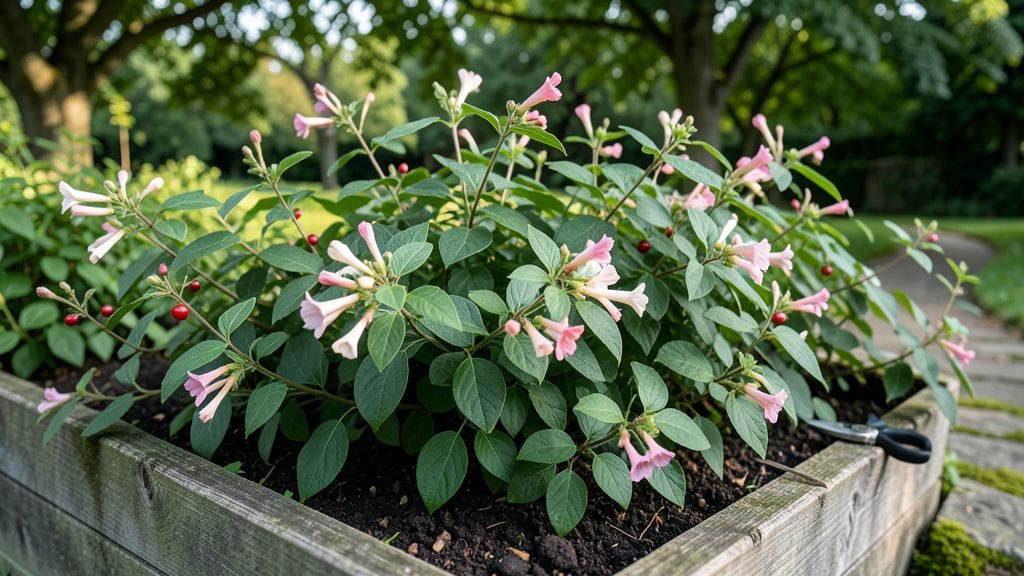
Honeysuckle flowers transform any Pacific Northwest garden into a hummingbird haven with their intoxicating fragrance and lush vines. 🌿 I’ve seen how they turn plain fences into vertical gardens bursting with life, their sweet scent lingering in the evening air.
The key is choosing the right variety—like the native Pacific honeysuckle (Lonicera hispidula)—that thrives in our damp, mild climate while attracting pollinators year-round.
Their versatility makes them a designer’s dream: train them up arbors for romantic walkways, weave them through trellises for height, or let them spill over banks for soft, fragrant cascades.
Pair them with native ferns and salal for a lush, low-maintenance Northwest look, or contrast their golden blooms with deep purple heucheras for striking color pops. The best part? They’re low-fuss once established—just prune lightly after flowering to encourage new growth.
Imagine your garden alive with the hum of hummingbirds darting between trumpet-shaped blooms, their wings catching the morning light. The fragrance alone—like warm honey on a summer breeze—will make your space the envy of the neighborhood.
These climbers also handle our rainy winters better than many perennials, making them a reliable choice for four-season interest.
Start small with a single vine on a trellis near your patio, or go bold with a full pergola draped in cascading blooms. Either way, honeysuckle brings both beauty and life to your garden—without the fuss of high-maintenance plants. Let’s make your outdoor space a fragrant, buzzing paradise!
📚 In This Guide
- What you need
- Instructions
- Tips and common mistakes
- Wrapping up and next steps
What you need
- ● Honey suckle plants: 1–3 Lonicera spp. (e.g., Lonicera involucrata or Lonicera hispidula) – Choose native varieties for best hummingbird appeal!
- ● Soil: Well-draining, slightly acidic soil (pH 5.0–6.5). Mix in 2–3 inches of compost for nutrient-rich growth.
- ● Fertilizer: Balanced, slow-release fertilizer (e.g., 10-10-10 NPK ratio) or organic options like fish emulsion or bone meal.
- ● Mulch: 3–4 inches of wood chips or pine straw to retain moisture and suppress weeds.
- ● Gardening gloves (to protect your hands from thorns!)
- ● Trowel or spade (for digging)
- ● Pruners (sharp, clean bypass pruners for trimming)
- ● Watering can or hose with a gentle spray nozzle
- ● Measuring tape (to space plants 3–6 feet apart, depending on variety)
- ○ Optional: Trellis or arbor (if training vines vertically)
- ● A sunny to partially shaded location (at least 4–6 hours of sunlight daily).
- ● Access to a water source (honey suckles love consistent moisture but hate soggy roots!).
- ● Patience! These climbers can take 2–3 years to reach full fragrant glory.
Step-by-step guide to planting and caring for honey suckle in the Pacific Northwest
This fragrant climber thrives with the right approach—here's how to plant and nurture it for years of hummingbird visits.
🌱 Step 1: Choose the Perfect Location and Soil
Honey suckle loves the Pacific Northwest's mild climate, but it needs full sun to partial shade—at least 6 hours of direct sunlight daily. A south-facing wall or fence works best, but it tolerates morning sun with afternoon shade. Avoid low spots where cold air settles in winter.
Test your soil—honey suckle prefers moist, well-draining soil with a pH between 6.0 and 7.0. If your soil is heavy clay, mix in 2-3 inches of compost before planting to improve drainage. The roots will spread aggressively, so amend at least 12 inches deep for proper establishment.
Here's the thing—if your soil drains poorly, roots will rot. Amend with organic matter like leaf mold or well-rotted manure if needed. A simple scratch test works: dig a hole, fill it with water, and if it drains in under an hour, you're good to go.
🪴 Step 2: Plant Your Honey Suckle at the Right Time and Depth
Spring is ideal for planting—after the last frost date but before new growth begins. If you're in western Washington or Oregon, aim for late March to early May. Dig a hole twice as wide as the root ball but only as deep as the container's base—planting too deep suffocates the roots.
Gently remove the plant from its container and loosen any circling roots. Place it in the hole so the top of the root ball sits level with the surrounding soil. Backfill with native soil mixed with 1 part compost, tamping lightly every 2 inches to eliminate air pockets. Water deeply right after planting to settle the soil.
Don't skip the mulch—apply 2-3 inches of wood chips or shredded bark around the base, keeping it 6 inches away from the stem. This conserves moisture and regulates soil temperature, which is especially helpful during the PNW's unpredictable spring rains.
☀️ Step 3: Water Consistently and Fertilize for Strong Growth
Water deeply once a week during the first growing season, aiming for 1-1.5 inches of water per week. Let the top 2-3 inches of soil dry out between waterings—overwatering leads to root rot, especially in the damp PNW climate. Use a soaker hose to deliver water slowly at the base without wetting the foliage.
Fertilize lightly in early spring with a balanced, slow-release fertilizer (10-10-10). Scatter ½ cup of granules around the drip line and water in. Avoid high-nitrogen fertilizers—they promote leafy growth at the expense of flowers, which is what attracts hummingbirds. A second feeding in early summer keeps the plant vigorous.
Watch for new growth—bright green leaves with a slight sheen mean your plant is thriving. If leaves yellow, it's often a sign of overwatering or poor drainage. Adjust your watering schedule and check the soil moisture before reacting.
✂️ Step 4: Prune for Shape and Encourage Blooms
Prune in late winter or early spring before new growth begins. Remove dead, diseased, or crossing branches first—these compete for resources and weaken the plant. Cut back any leggy growth by one-third to encourage bushier, more compact growth and better flowering.
Shape the plant by selectively pruning branches to guide its growth along trellises or fences. Honey suckle vines can reach 20-30 feet, so train them early. Use soft ties or plant clips to secure vines without damaging the bark. Avoid heavy pruning in fall—it stimulates tender new growth that won't survive winter.
Here's where it gets fun—watch for new flower buds forming in late spring. These will bloom into the fragrant tubular flowers that hummingbirds adore. If your plant isn't flowering well, it may need more sunlight or a lighter hand with the fertilizer.
🌿 Step 5: Protect and Maintain for Long-Term Success
In the Pacific Northwest, honey suckle is generally hardy to USDA Zone 4, but young plants may need winter protection in colder microclimates. Apply 3-4 inches of mulch in late fall to insulate roots. If you're in a windy area, consider burlap wrapping for the first winter to prevent desiccation.
Monitor for pests like aphids or spider mites, which can stress the plant. Spray with neem oil if you spot them, but honey suckle is relatively pest-resistant when healthy. Avoid chemical pesticides—they can harm pollinators like hummingbirds and bees.
Real talk: Honey suckle is a low-maintenance plant once established. With proper planting and care, it will reward you with fragrant blooms and hummingbird visitors for decades. Just keep an eye on its growth and adjust watering or pruning as needed—it's that simple.
Tips & tricks for perfect honey suckle planting in the Pacific Northwest
Common pitfalls—and how to sidestep every one—when nurturing this fragrant vine for hummingbird-friendly blooms.
Location Strategy: That 6-hour daily sunlight rule is non-negotiable for robust growth. If your yard only gets morning sun, position the plant near a south-facing wall to capture reflected light during afternoon hours. I've seen honey suckle thrive in spots that get 5 hours of direct sun plus 3 hours of dappled shade—just don't settle for less than 6 hours total. For maximum fragrance, prioritize locations where you'll enjoy the scent most, like near patios or garden seating areas.
Soil Science: The scratch test is your best friend when evaluating drainage. If water pools in your test hole, you need to amend with at least 3 inches of compost mixed into the top 12 inches of soil. For clay-heavy PNW soils, I recommend adding coarse sand or perlite to improve aeration. Remember, honey suckle roots spread aggressively—amend the soil thoroughly to prevent future drainage issues that could lead to root rot.
Planting Precision: That root ball depth warning isn't just cautionary—planting too deep suffocates the roots by preventing oxygen exchange. Use a level to ensure the top of the root ball sits flush with the surrounding soil. Pro tip: After planting, gently press the soil around the edges to create a slight depression. This helps water pool at the roots during your weekly deep watering sessions.
Pruning Payoff: The one-third pruning rule in late winter isn't arbitrary—it mimics natural growth patterns while stimulating bushier, more productive vines. When shaping your plant, focus on removing branches that cross or rub against each other, as these create entry points for disease. For established plants, I recommend a second light pruning in early summer to encourage another round of flowering before winter.
Pro Tips for Honey Suckle Flowers
- Common pitfalls—and how to sidestep every one—when nurturing this fragrant vine for hummingbird-friendly blooms.
- Location Strategy: That 6-hour daily sunlight rule is non-negotiable for robust growth. If your yard only gets mornin...
- Soil Science: The scratch test is your best friend when evaluating drainage. If water pools in your test hole, you ne...
Frequently asked questions
Got questions about honey suckle flowers? You’re not alone!
Whether you’re curious about planting, care, or their role in your garden, we’ve got answers. Here’s what people ask most often about these fragrant Pacific Northwest climbers.
Are honey suckle flowers easy to grow for beginners?
Honey suckle (like Lonicera species) is a hardy, low-maintenance plant perfect for beginners. It thrives in partial shade, tolerates poor soil, and spreads quickly—just give it space to climb or sprawl. Water regularly until established, and enjoy its sweet scent and hummingbird magnetism with minimal fuss!
When is the best time to plant honey suckle flowers?
Plant honey suckle in early spring or fall for the best results. This timing lets roots establish before extreme heat or cold. Avoid planting in summer—drought stress can stunt growth. If buying bare-root plants, soak roots overnight before transplanting for a smoother transition.
Do honey suckle flowers attract pests like aphids or bees?
While honey suckle does attract bees (great for pollinators!), aphids are rare but possible. Monitor leaves for sticky residue or tiny insects. Spray with soapy water or introduce ladybugs to control them naturally. Bees? Welcome them—they’re essential for your garden’s health!
Can I grow honey suckle in containers or small gardens?
Yes! Dwarf varieties like Lonicera sempervirens (Coral Honeysuckle) thrive in containers (10–15 gallons). Choose a well-draining mix and prune regularly to control size. Just ensure it gets 6+ hours of sunlight and occasional watering. Perfect for patios or balconies!
How do I prune honey suckle to encourage more flowers?
Prune in late winter or early spring before new growth starts. Cut back old wood (last year’s stems) to encourage fresh blooms. For vines, trim to shape but leave some stems—hummingbirds love long, flowering branches! Deadhead spent flowers to prolong blooming.
Are honey suckle flowers drought-tolerant once established?
Once rooted, honey suckle is moderately drought-tolerant but performs best with consistent moisture, especially in the first year. Mulch around the base to retain water. In hot climates, water deeply 1–2 times weekly during dry spells.
Wrapping up and next steps
Honey suckle flowers aren’t just a fragrant, eye-catching addition to your Pacific Northwest garden—they’re a lifeline for hummingbirds and a low-maintenance beauty that thrives with minimal fuss.
Whether you’re drawn to their sweet nectar, vibrant blooms, or their ability to attract pollinators, these climbers offer years of joy with the right care. 🌸
Ready to transform your outdoor space? Start by choosing the perfect variety for your climate, gather your supplies, and plant with confidence. Before you know it, your garden will buzz with life—and you’ll be the envy of the neighborhood! 🐦⬛✨
Next step: Pick a sunny spot, grab your gloves, and dive into planting—your hummingbird haven awaits!