Neem Oil
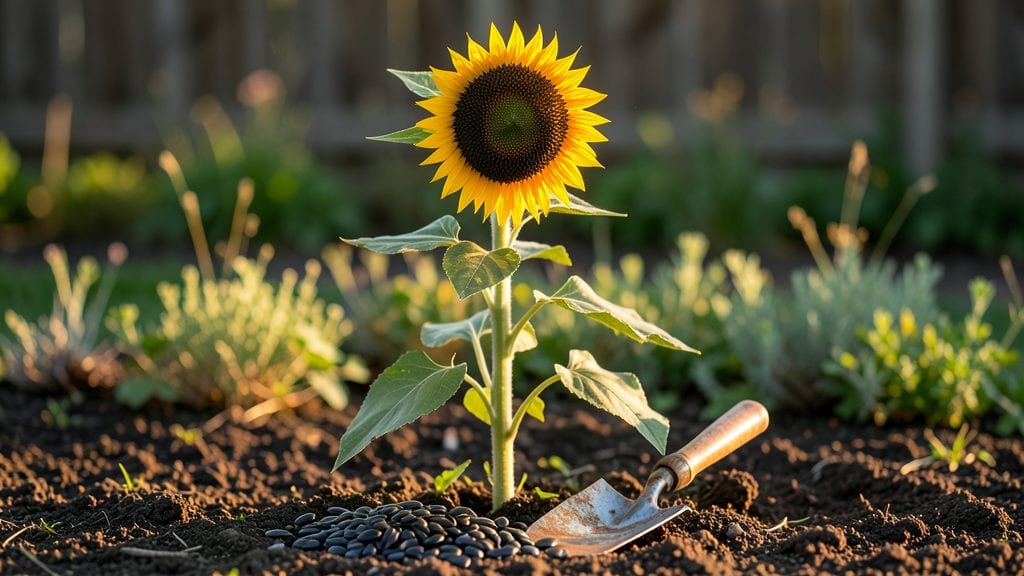
Growing black oil sunflower seeds delivers fast results—sprouts emerge in 3-5 days, and towering stems attract bees within weeks. 🌱 I planted mine last April and watched them explode from the soil like nature’s fireworks, their deep green leaves forming a buzzing pollinator magnet by early summer.
The secret starts with direct sowing after frost, where seeds thrive in loose, well-draining soil mixed with compost. No fancy prep needed—just scratch them ½-inch deep, space them 6-12 inches apart, and keep the soil damp (not soggy).
These sunflowers love full sun and handle heat like champs, making them perfect for hot, dry climates.
By midsummer, you’ll have 6-foot stalks loaded with seeds that feed birds all winter. The plants stay healthy with minimal fuss—just watch for powdery mildew (spray with neem oil if needed) and thin crowded seedlings early.
The payoff? A garden that hums with life and a pantry stocked with free birdseed.
Works in containers too—just use 5-gallon pots for smaller spaces. Whether you’re growing for pollinators, oil, or wildlife, these sunflowers deliver fast, reliable rewards with almost no effort.
📚 In This Guide
- What you need
- Instructions
- Tips and common mistakes
- Wrapping up and next steps
What you need
- ● Black Oil Sunflower Seeds: 50–100 seeds (non-GMO, untreated preferred for best germination).
- ● Growing Containers: Seed trays or biodegradable pots (2–3 inches deep) or
- ● A well-drained garden bed (6+ inches deep, full sun exposure).
- ● Potting Soil: High-quality, well-draining seed-starting mix (1–2 bags, 1–2 cubic feet each).
- ● Watering Can or Spray Bottle: With a fine mist nozzle for gentle watering.
- ● Garden Gloves: To protect hands while handling soil/seeds.
- ● Plant Labels: Small tags or markers to track planting dates.
- ● Grow Lights: LED or fluorescent (for indoor starts, 12–16 hours/day).
- ● Fertilizer: Balanced, slow-release (5-10-5 or compost tea for organic options).
- ● Mulch: Straw or wood chips to retain moisture and suppress weeds.
- ● Row Cover or Netting: To protect young seedlings from pests (e.g., birds, deer).
- ● pH Test Kit: To ensure soil pH is 6.0–7.5 (ideal for sunflowers).
Step-by-step guide to growing black oil sunflower seeds
Here's how to cultivate these pollinator magnets with speed and success.
🌱 Step 1: Choose the Right Location and Prepare Soil
Black oil sunflowers thrive in full sun—plant them where they'll receive at least 6-8 hours of direct sunlight daily. I always scout the sunniest spot in my garden first, as these plants grow aggressively toward light. The soil should be well-draining but moist, with a pH between 6.0 and 7.5—most garden soil falls within this range naturally.
Before planting, loosen the soil to a depth of 12 inches using a garden fork or tiller. This breaks up compacted layers and allows roots to penetrate easily. Mix in a 2-3 inch layer of compost to enrich the soil with organic matter. The goal is loose, fertile soil that retains moisture but doesn't stay soggy—sunflowers hate waterlogged roots.
🌱 Step 2: Plant Seeds at the Correct Depth and Spacing
Sow seeds ½ inch deep and 6 inches apart in rows spaced 18-24 inches apart. Black oil sunflower seeds germinate quickly, so I plant them directly in the ground after the last frost when soil temperatures reach at least 50°F. Planting too deep slows germination, while shallow planting can expose seeds to drying out.
For faster germination, I pre-soak seeds overnight in lukewarm water—this softens the seed coat and encourages quicker sprouting. Once planted, gently firm the soil around the seeds with your hand to ensure good seed-to-soil contact. Water lightly immediately after planting to settle the soil and provide initial moisture.
☀️ Step 3: Provide Consistent Water and Monitor Growth
Keep the soil evenly moist during germination, which typically occurs in 7-14 days. You'll know germination is underway when the first true leaves appear—these look different from the initial seed leaves (cotyledons) and are more elongated. Once seedlings emerge, reduce watering slightly but maintain consistent moisture, especially during dry spells.
Black oil sunflowers are drought-tolerant once established, but they need regular watering during their first 4-6 weeks to develop strong root systems. Water at the base of the plants in the morning to allow foliage to dry quickly, reducing the risk of fungal diseases. Avoid overhead watering, which can spread disease and damage delicate leaves.
🌿 Step 4: Thin Seedlings and Support Tall Growth
When seedlings reach 3-4 inches tall, thin them to stand 12-18 inches apart. This prevents overcrowding and ensures each plant has enough nutrients and space to grow. I always thin on a cloudy day to reduce stress on the remaining plants. Use sharp scissors to cut seedlings at soil level rather than pulling them to avoid disturbing roots.
As plants grow taller, they may need staking, especially in windy areas. Insert 6-foot stakes into the soil beside each plant when they reach 3 feet tall and tie them loosely with soft plant ties. This prevents stems from snapping under their own weight. Watch for signs of stress like yellowing leaves or wilting—these often indicate either overwatering or underwatering.
✂️ Step 5: Harvest Seeds for Next Year's Planting
Black oil sunflowers produce seeds in 80-100 days, depending on variety and growing conditions. You'll know they're ready to harvest when the back of the flower head turns yellow and the seeds feel firm when pressed between your fingers. Cut the entire head with 6 inches of stem attached and hang it upside down in a dry, well-ventilated area.
Once the seeds rattle inside the dried head, remove them and store in a cool, dark place for up to 3 years. This ensures you have fresh seeds for next season's planting. The fast germination rate makes black oil sunflowers a reliable choice for quick pollinator support and beautiful blooms.
Tips & tricks for growing black oil sunflower seeds
Here's what nobody tells you about getting these sunflowers off to the fastest possible start.
Sunlight Strategy: While 6-8 hours of direct sunlight is the minimum, I've found that planting near a south-facing fence or wall can add valuable extra sunlight hours—especially in early spring when days are shorter. These sunflowers are aggressive growers, and every additional hour of sunlight translates directly to faster germination and stronger stems. Consider using reflective mulch around the base to maximize light exposure during cloudy periods.
Germination Hack: That overnight pre-soak in lukewarm water is worth doing, but here's the secret: add a pinch of compost tea to the soaking water. The natural enzymes in the tea help break down the seed coat even faster while providing a gentle nutrient boost. I've seen germination times drop from 14 days to as little as 5-7 days using this method. Just make sure to rinse the seeds thoroughly before planting to avoid salt buildup.
Watering Wisdom: During those first critical 4-6 weeks, I use a soaker hose set to deliver water slowly at the base of the plants. This maintains consistent moisture without wetting the leaves, which dramatically reduces fungal risks. Morning watering is key—it gives foliage plenty of time to dry before evening, preventing nighttime moisture that invites disease. The goal is damp soil, not soggy soil, so always check moisture levels with your finger before watering.
Thinning Technique: When it's time to thin those 3-4 inch seedlings to 12-18 inches apart, I use a pair of clean, sharp scissors rather than pulling. This prevents disturbing the root systems of the plants I'm keeping. On cloudy days, I'll actually thin in stages—first cutting back the weakest seedlings by half, then removing them completely 2-3 days later. This gradual approach reduces stress on the remaining plants and gives them time to adjust to their new spacing.
Pro Tips for Grow Black Oil Sunflower Seeds
- Here's what nobody tells you about getting these sunflowers off to the fastest possible start.
- Sunlight Strategy: While 6-8 hours of direct sunlight is the minimum, I've found that planting near a south-facing fe...
- Germination Hack: That overnight pre-soak in lukewarm water is worth doing, but here's the secret: add a pinch of com...
Frequently asked questions
Got questions about growing black oil sunflower seeds?
You’re not alone! Here are answers to the most common ones to help you grow a thriving pollinator-friendly garden.
How long does it take for black oil sunflower seeds to germinate?
Black oil sunflower seeds typically germinate in 5–10 days after planting, especially in warm soil (60–90°F). Keep the soil consistently moist during this time, and avoid overwatering—soggy soil can delay sprouting. If you’re planting in cooler weather, consider using a seedling heat mat for faster results!
When is the best time to plant black oil sunflower seeds?
For most climates, plant seeds 2–4 weeks after your last frost date when soil temps reach at least 55°F. In warmer regions, you can plant as early as February or March. If you’re growing for birds, stagger plantings every 2–3 weeks to ensure a continuous food source. Late summer plantings may not mature before frost but still provide seeds for winter birds.
Are black oil sunflowers good for pollinators, and how can I maximize their benefits?
Their tiny, high-energy seeds are a pollinator magnet, attracting bees, butterflies, and birds. To boost their appeal:
- Plant in clusters (not rows) for easier navigation.
- Avoid pesticides—especially neonicotinoids—to keep pollinators safe.
- Add companion plants like borage or cosmos to extend the blooming season.
What should I do if my sunflower seedlings look leggy or weak?
Leggy seedlings usually mean they’re stretched for sunlight. If this happens:
- Thin seedlings to 6–12 inches apart for better airflow.
- Transplant them deeper—burying stems up to the first leaves encourages stronger roots.
- Use grow lights or move pots to a sunnier spot if starting indoors.
- Fertilize lightly with a balanced 10-10-10 mix if soil is poor.
Can I grow black oil sunflowers in containers, and what size pot do I need?
Yes! They’re great for containers if you choose dwarf varieties (like ‘Autumn Beauty’). Use pots at least 12–18 inches deep and 12–15 inches wide per plant. Ensure drainage holes are present, and fill with well-draining soil. Place pots in full sun (6+ hours daily) and water deeply when the top inch of soil feels dry. Container-grown sunflowers may produce slightly smaller heads but are perfect for balconies or small spaces!
Wrapping up and next steps
Growing black oil sunflower seeds is a rewarding journey—whether you’re nurturing pollinators, boosting your garden’s beauty, or harvesting nutrient-rich seeds! With the right soil, spacing, and care, these fast-germinating powerhouses thrive even in modest conditions. 🌱✨
Now that you’re armed with everything from seed to harvest, it’s time to roll up your sleeves and plant your first row. Start small, track your progress, and soon you’ll be sharing sunflower blooms (and maybe even homemade sunflower oil!) with friends. Happy growing!