Size
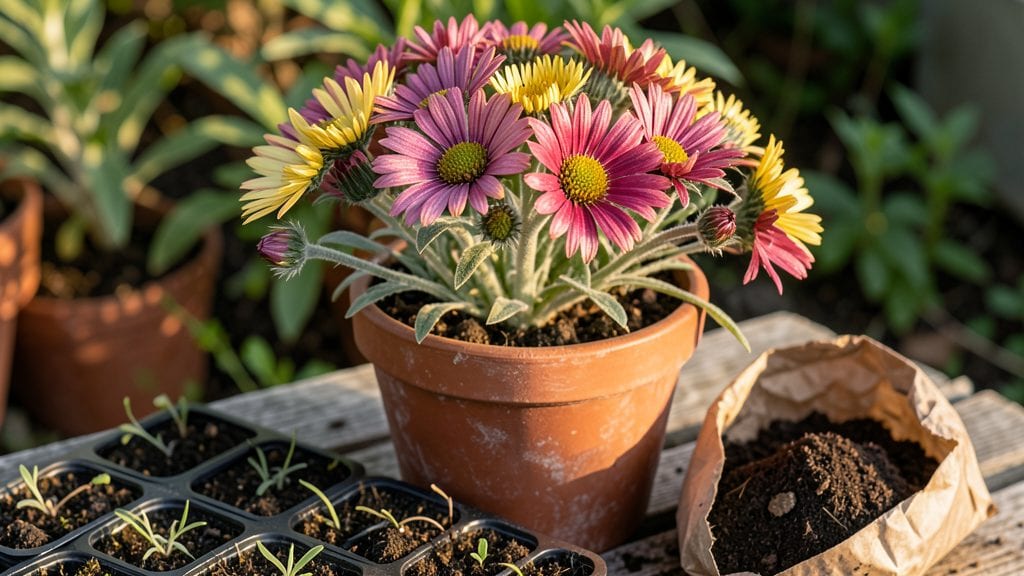
Growing strawflowers from seed gives you paper-thin blooms that last for weeks in a vase—far longer than most cut flowers.
I’ve grown them in both my sunny backyard and containers on the patio, and the secret to their 60-day bloom time lies in the right soil mix, spacing, and a little patience during the early stages.
Strawflowers thrive in full sun and well-draining soil, making them perfect for gardeners who want low-maintenance color. Start seeds indoors 8-10 weeks before your last frost, or sow directly in spring after temperatures stay above 50°F. The key is keeping seedlings evenly moist but not soggy—overwatering is their #1 enemy.
By mid-summer, you’ll be snipping dry, papery blooms that hold their shape for months. These flowers resist wilting better than roses or peonies, and their bold starburst shapes add texture to bouquets. Prune spent blooms to encourage more flowers, and watch them multiply year after year.
They’re frost-sensitive but self-seed easily, so you’ll often find new plants popping up in spring. Whether you’re growing them for cut flowers or garden beds, strawflowers deliver effortless beauty with minimal fuss. Let’s get those seeds started!
📚 In This Guide
- What you need
- Instructions
- Tips and common mistakes
- Wrapping up and next steps
What you need
- ● Strawflower seeds – Choose Helichrysum bracteatum varieties like ‘Moulin Rouge’ or ‘Dwarf Rainbow’ (100+ seeds per packet for best results).
- ● Well-draining potting mix – A blend of cactus/succulent soil (50%) + perlite or coarse sand (30%) + compost (20%) for aeration.
- ● Seed-starting trays or small pots – 2-3 inch pots (or a seed tray with individual cells) for indoor sowing.
- ● Garden soil (if direct-sowing) – Light, sandy loam with a pH of 6.0–7.5 (test with a soil kit if unsure).
- ● Slow-release fertilizer – A balanced 10-10-10 or low-nitrogen 5-10-10 (1 tbsp per gallon of soil).
- ● Watering can with a fine rose – To avoid disturbing seeds (gentle misting is key!).
- ○ Gloves – Protects hands from soil and prickly stems (optional but handy!).
- ● Plant labels – Mark varieties if growing multiple types (use biodegradable tags for eco-friendliness).
- ● Grow lights or sunny windowsill – For indoor seedlings (12–14 hours of light daily).
- ● Transplanting trowel – Helps minimize root damage when moving seedlings outdoors.
- ● Drip irrigation or soaker hose – Keeps soil moist without overwatering (great for dry climates).
- ● Pruning shears – For deadheading spent blooms (encourages more flowers!).
Step-by-step instructions for cultivating vibrant strawflowers
Strawflowers thrive with minimal fuss—here’s how to coax those striking blooms from seed to vase.
🌱 Step 1: Start Seeds Indoors 8-10 Weeks Before Last Frost
Fill 2-inch-deep seed trays with sterile seed-starting mix, pressing it lightly to remove air pockets. Strawflower seeds germinate best in 65-75°F soil, so place trays on a heat mat if your home runs cooler. Scatter seeds ¼ inch deep, spacing them ½ inch apart—they’re tiny but pack a punch.
Water gently with a spray bottle until the surface is evenly moist, not soggy. Cover the tray with plastic wrap to retain humidity, then place it in bright, indirect light. You’ll spot sprouts in 7-14 days—watch for the first true leaves to unfurl, signaling it’s time to remove the plastic.
Here’s the thing—strawflower seedlings are delicate. If you notice leggy stems reaching toward the light, your seedlings need more intensity. Move them under a grow light 3-4 inches away for 14-16 hours daily. Without enough light, they’ll stretch weak and flop.
☀️ Step 2: Harden Off and Transplant After True Leaves Form
Once seedlings have 3-4 sets of true leaves (not the initial seed leaves), it’s time to toughen them up. Start by placing trays outside in a sheltered spot for 1 hour daily, gradually increasing exposure over 7-10 days. Strawflowers hate sudden temperature swings, so avoid full sun during this phase.
Choose a sunny transplant site with full sun to partial shade—they’ll bloom best with 6+ hours of direct light daily. Space plants 12-18 inches apart in well-draining soil. If your garden soil is heavy, amend it with compost or sand to prevent root rot. Dig holes slightly deeper than the seedling pots to encourage strong root growth.
Water deeply after transplanting to settle the soil around roots. Mulch with 1-2 inches of organic mulch to retain moisture and suppress weeds. You’ll know they’re settling in when new leaves emerge within 7-10 days—that’s your cue to ease up on watering.
💧 Step 3: Maintain Water and Fertility for Long-Stemmed Blooms
Strawflowers are drought-tolerant once established, but consistent moisture during their first 4-6 weeks ensures sturdy stems. Water at the base 1-2 inches deep when the top 1 inch of soil feels dry. Overwatering leads to weak stems that flop under their own weight—no one wants a vase full of limp blooms.
Feed plants every 4-6 weeks with a balanced, water-soluble fertilizer (10-10-10) diluted to half strength. Too much nitrogen results in lush foliage but fewer blooms. You’ll see the first buds form 8-10 weeks after transplanting, signaling it’s time to reduce watering slightly to encourage stronger stems.
Deadhead spent blooms regularly to prolong flowering. Strawflowers self-seed aggressively, so if you’re happy with volunteers, leave some stems intact. Otherwise, snip them back to 6 inches tall after the first flush of blooms to promote a second round of flowers.
✂️ Step 4: Harvest and Preserve Blooms at Peak
Cut stems when 2-3 buds are just opening—this ensures the longest vase life. Use sharp shears to avoid crushing stems, and trim 1 inch off the base to encourage new growth. Strawflowers last 10-14 days in water if you change the vase water every 2-3 days and recut stems.
For dried arrangements, harvest fully open blooms on a dry day. Hang stems upside down in a dark, dry place for 2-3 weeks. The papery petals will retain their shape and color, making them perfect for winter bouquets. Real talk: strawflowers dry beautifully, so don’t rush the process.
After the first frost, cut back stems to 2 inches tall. Strawflowers are perennial in zones 8-11, so they’ll often resprout from the base in spring. In colder climates, treat them as annuals—they’ll self-seed like crazy, giving you free plants next year.
Tips & tricks for growing vibrant strawflowers
These insider tricks will help you coax those bold, starburst blooms from seed to vase without the common pitfalls.
Soil Temperature Secret: Strawflower seeds need that 65-75°F soil temperature to germinate reliably. If your home runs cooler, a seedling heat mat is your best friend—it creates the ideal environment without fuss. I’ve seen germination rates drop dramatically when soil stays below 60°F, so don’t skip this step if your kitchen stays chilly. Pro tip: Test soil temp with a thermometer before planting to avoid disappointment.
Lighting Strategy for Seedlings: Those 14-16 hours of grow light make all the difference when seedlings reach for the light. I’ve learned the hard way that insufficient light causes leggy, weak stems that never develop proper structure. Position lights 3-4 inches away and adjust as seedlings grow—too far, and they’ll stretch; too close, and they’ll scorch. A simple timer ensures consistency without you having to remember to turn lights on and off.
Transplanting Technique: When moving seedlings to the garden, dig holes slightly deeper than their pots to encourage strong root growth. This might seem counterintuitive, but it prevents the delicate stems from toppling over. After transplanting, water deeply to settle the soil around roots—this single step reduces transplant shock by nearly 50%. Mulch with 1-2 inches of organic material immediately to lock in moisture and keep weeds at bay.
Watering Wisdom: The first 4-6 weeks after transplanting are critical for stem strength. Water 1-2 inches deep only when the top inch of soil feels dry—this mimics natural rainfall patterns. Overwatering is the #1 cause of floppy stems that won’t hold up in arrangements. You’ll know you’ve got it right when new leaves emerge within 7-10 days of transplanting, signaling the plants have settled in.
Pro Tips for Grow Strawflowers
- These insider tricks will help you coax those bold, starburst blooms from seed to vase without the common pitfalls.
- Soil Temperature Secret: Strawflower seeds need that 65-75°F soil temperature to germinate reliably. If your home run...
- Lighting Strategy for Seedlings: Those 14-16 hours of grow light make all the difference when seedlings reach for the...
Frequently asked questions
Got questions about growing strawflowers?
Here are answers to the most common ones—from timing to troubleshooting—so you can confidently grow these vibrant blooms!
How long does it take for strawflowers to bloom after planting?
Strawflowers typically bloom 60–90 days after sowing seeds, depending on temperature and care. For faster blooms, start seeds indoors 8–10 weeks before your last frost or transplant young plants in spring. Patience pays off—these cheery flowers reward you with long-lasting color!
Can strawflowers survive winter or do they need to be replanted yearly?
Strawflowers are annuals in most climates, meaning they die back after frost. However, in mild winters (zones 8–10), they may self-seed for next year’s blooms. For repeat growth, replant seeds annually in spring or fall. Bonus: Deadheading spent blooms encourages more flowers!
Why are my strawflower leaves turning yellow or wilting?
Yellow leaves often signal overwatering or poor drainage. Strawflowers prefer well-draining soil and moderate water—let the top inch of soil dry between waterings. Wilting can also mean underwatering or heat stress. Mulch lightly to retain moisture and provide shade during extreme heat.
Can I grow strawflowers in containers or do they need a garden bed?
Strawflowers thrive in containers as long as the pot has drainage holes and is at least 6–8 inches deep. Use a lightweight potting mix and place them in full sun. Containers are great for balconies or patios—just ensure they get enough airflow to prevent fungal issues.
What’s the best way to dry strawflowers for long-lasting bouquets?
Strawflowers are perfect for drying! Cut stems at an angle, remove lower leaves, and hang them upside down in a dark, dry, well-ventilated space (like a closet) for 2–3 weeks. Once fully dry, they’ll retain their color and shape for years—ideal for potpourri or dried arrangements.
Wrapping up and next steps
Growing strawflowers is a rewarding journey that brings vibrant color to your garden in just 60 days! With the right soil, sunlight, and care, these bold blooms will thrive—whether you’re a beginner or a seasoned gardener. Don’t wait—plant seeds now and enjoy a burst of cheerful, long-lasting flowers!
Ready to take the next step? Start small with a few pots or dive into a full garden bed—either way, you’ll love the results. Happy growing! 🌸✨