
Propagation
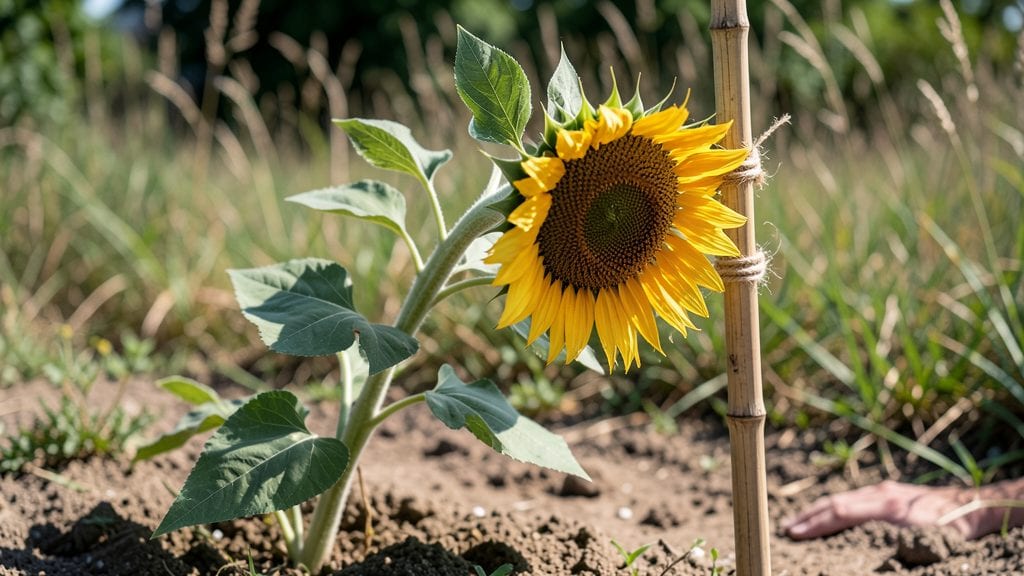
Learning how to keep sunflowers from falling over is a must—especially when you’ve spent weeks nurturing those towering blooms. 🌻 I’ve lost count of the times I watched my sunflowers lean like drunken giants, their heavy heads dragging stems to the ground.
The truth is, it's not just about the wind or the weight; it's how you prepare the ground, choose the varieties, and support them before they get too tall.
The good news? You don't need fancy equipment or hours of work. A few simple supports—like sturdy bamboo stakes or spiral ties—can make all the difference. I've found that spacing plants 18-24 inches apart and planting them in well-draining, nutrient-rich soil gives stems the strength they need from day one.
Even the tallest varieties stay upright with the right foundation.
By the time your sunflowers reach their full height, you'll have bold, straight stems that hold those massive blooms high for everyone to admire. The secret is acting early—before the stems get too thick to stake properly.
Once you see the first signs of leaning, it's time to reinforce them before they flop for good.
This method works for all sunflower varieties, from Mammoth types to dwarf ones, and adapts to containers or garden beds. Whether you're growing for cut flowers or birdseed, these supports keep your plants proud and productive all season long.
📚 In This Guide
- What you need
- Instructions
- Tips and common mistakes
- Wrapping up and next steps
What you need
- ● Sturdy supports: 3–5 bamboo stakes (5–6 feet tall, ½-inch diameter) or
- ● 3–5 wooden dowels (same specs) or
- ● 3–5 metal garden stakes (galvanized, 5–6 feet tall).
- ● Soft ties: Garden twine, soft plant ties, or old fabric strips (avoid wire or anything that can cut stems!).
- ● Pruning shears (for trimming if needed).
- ○ Gloves (optional but helpful for handling prickly stems!).
- ● Cage supports: A sunflower cage (5–6 feet tall) for a no-fuss, pre-made solution.
- ● PVC pipes (cut to 5–6 feet, painted white to reflect heat).
- ● Straw or mulch (to stabilize soil around the base).
- ● Watering can or hose (to keep soil moist and sturdy).
Simple supports for sunflowers that stand tall
Sunflowers grow fast but flop easily—here's how to keep them upright with minimal fuss.
🪴 Step 1: Choose the Right Support System
Start by picking a support method that matches your sunflower's size and your garden setup. For 4-foot-tall varieties, simple bamboo stakes work perfectly—just drive one 6-12 inches deep next to each stem. For taller varieties (over 7 feet), use heavy-duty garden stakes or wooden dowels that can handle more weight without bending.
I like to place stakes 2-3 inches away from the stem so the plant has room to grow without rubbing against the support. If you're growing multiple sunflowers, consider a trellis or tomato cage for a more decorative look—just make sure it's at least 5 feet tall to accommodate mature plants.
🌱 Step 2: Tie Stems Gently as They Grow
Wait until your sunflower reaches 12-18 inches tall before tying it to the stake. Use soft plant ties (not wire or twine)—these stretch as the stem thickens and won’t cut into the plant. Loop the tie around the stem and stake in a figure-eight pattern, leaving 1 inch of slack to allow growth.
Here's the thing—don’t tie too tightly. You want the plant to move slightly in the wind, which strengthens its stem naturally. Check ties every 5-7 days and adjust as the stem thickens. If you notice the tie digging into the stem, loosen it immediately—sunflower skin is delicate, and even slight pressure can cause damage.
☀️ Step 3: Plant in Well-Drained Soil and Water Deeply
Sunflowers need strong roots to support their height, so start with loose, well-draining soil. If your garden soil is heavy clay, mix in 2-3 inches of compost before planting. Water deeply once a week (or more in extreme heat) to encourage deep root growth—1-2 gallons per plant should soak the soil 12 inches down.
Real talk: overwatering is worse than underwatering for sunflowers. You’ll know moisture is right when the soil feels damp 2 inches below the surface but not soggy. Yellowing leaves usually mean the roots aren’t getting enough oxygen—let the top 1 inch dry out between waterings to prevent this.
✂️ Step 4: Prune Strategically to Balance Growth
Sunflowers grow top-heavy, and too many side buds can weigh them down. Once the main stem reaches 3-4 feet, pinch off 1-2 of the lower buds to redirect energy to the main flower head. This isn’t about removing flowers—it’s about preventing stem stress from too much weight.
If you notice the stem bending before it reaches the support, trim any large side branches that might add extra weight. You’ll see the difference within a week—the plant will grow straighter and stronger. Just avoid cutting into the main stem unless it’s damaged, as this weakens the plant further.
💧 Step 5: Monitor and Adjust Supports Weekly
Sunflowers grow 2-3 inches per day in ideal conditions, so check their supports every 7-10 days. If the stake starts to lean or the ties loosen, readjust immediately. In windy areas, consider adding a second stake for extra stability—just tie it at a 45-degree angle to the first for better support.
This is the moment that matters: don’t wait until the plant is already leaning. Early intervention keeps sunflowers upright without stressing the stem. If you see the flower head tilting, it’s already too late—prevent this by staying ahead of growth spurts.
Tips & tricks for perfect sunflower support systems
Confession: I've seen sunflowers topple over after just a week of growth—here's how to prevent that heartbreak.
Stake Placement Matters: When you're driving your 6-12 inch deep stakes in Step 1, angle them slightly toward the sun's direction. This prevents the plant from leaning into the stake's shadow, which can cause uneven growth. I've found that positioning stakes 2-3 inches away from the stem gives the plant just enough room to sway naturally in the wind—this actually strengthens the stem over time.
Tie Adjustment Timing: In Step 2, when you're checking ties every 5-7 days, pay special attention to the figure-eight pattern. If you notice the tie starting to cut into the stem, don't just loosen it—cut and replace it immediately. I keep a small pair of scissors handy for this purpose, and I've saved more than a few sunflowers from stem damage this way.
Soil Preparation Secret: Before planting, mix your 2-3 inches of compost into the top 6 inches of soil, not just the surface. This creates a deeper root zone that supports the plant's height better. I've noticed that sunflowers planted in this enriched soil reach their 3-4 foot pruning height about 1 week earlier than those in unamended soil.
Wind Protection Strategy: For plants in exposed areas, consider adding a second stake at a 45-degree angle during Step 5. I've found that this creates a triangular support system that can handle 20-30 mph winds without toppling. The key is to tie the second stake when the plant reaches 2 feet tall, before the wind becomes a major factor.
Pro Tips for Keep Sunflowers From Falling Over
- Confession: I've seen sunflowers topple over after just a week of growth—here's how to prevent that heartbreak.
- Stake Placement Matters: When you're driving your 6-12 inch deep stakes in Step 1, angle them slightly toward the sun's direction.
- Tie Adjustment Timing: In Step 2, when you're checking ties every 5-7 days, pay special attention to the figure-eight pattern.
Frequently asked questions
Got questions about keeping your sunflowers standing tall?
You’re not alone! Here are answers to the most common concerns—plus a few pro tips to ensure your blooms stay upright and proud.
Why do sunflowers fall over in the first place?
Sunflowers topple due to top-heavy growth—their heavy blooms and long stems create an unstable center of gravity. Weak stems (especially in tall varieties like ‘Mammoth’ or ‘Russian Giant’) or poor soil anchorage also contribute. Even strong winds or uneven watering can stress them further.
When is the best time to support sunflowers?
Start early—as soon as stems reach 12–18 inches tall (about 3–4 weeks after planting). This prevents bending or stressing the stem later. For heavy varieties, add support before the buds form. Think of it like giving your sunflower a grow-up brace!
What’s the easiest DIY support for sunflowers?
No fancy tools? No problem! Try these simple fixes:
- Stakes: Use bamboo stakes (6–8 ft tall) or even wooden dowels tied loosely with soft fabric (like an old T-shirt) to avoid stem damage.
- Cages: Repurpose tomato cages or wire mesh (6–8 ft) around the plant—just push it into the soil gently.
- Trellis hack: Lean a wooden fence panel or chain-link section against the plant for lateral support.
Pro tip: Avoid tight ties—they can strangle the stem as it grows!
Does watering affect sunflower stability?
Yes! Overwatering weakens stems by making soil too soggy (root rot risk!), while underwatering causes wilting and stress. Water deeply but infrequently—about 1–1.5 inches per week—and mulch with straw or grass clippings to keep roots stable. Think consistency over excess!
Can sunflowers recover if they already lean?
Maybe! If the stem is not broken, gently straighten it and secure it with a stake or cage. For bent but intact stems, try bending the base slightly (like a gentle arc) to encourage natural re-rooting. If the stem snaps, sadly, it won’t recover—but you can replant seeds nearby for a fresh start!
Are there sunflower varieties that stay upright better?
Shorter varieties like ‘Teddy Bear’ (2–3 ft) or ‘Autumn Beauty’ (3–4 ft) need less support. For taller types, look for ‘ProCut’ (bred for cut flowers) or ‘Russian Giant’—just pair them with extra support. Dwarf varieties are your low-maintenance superstars!
Wrapping up and next steps
Keeping your sunflowers upright is all about balance, support, and a little extra care—no green thumb required! 🌻 Whether you’re using stakes, cages, or natural reinforcements, these simple steps will help your towering beauties stand tall all season long.
With the right techniques, you’ll enjoy sunflowers that dominate your garden (in the best way possible).
Now that you’re armed with the know-how, grab your tools and get planting! Start small with a few test supports, observe what works best for your climate, and soon you’ll be the proud gardener of sunflowers that refuse to flop. Happy growing!