
Flowers
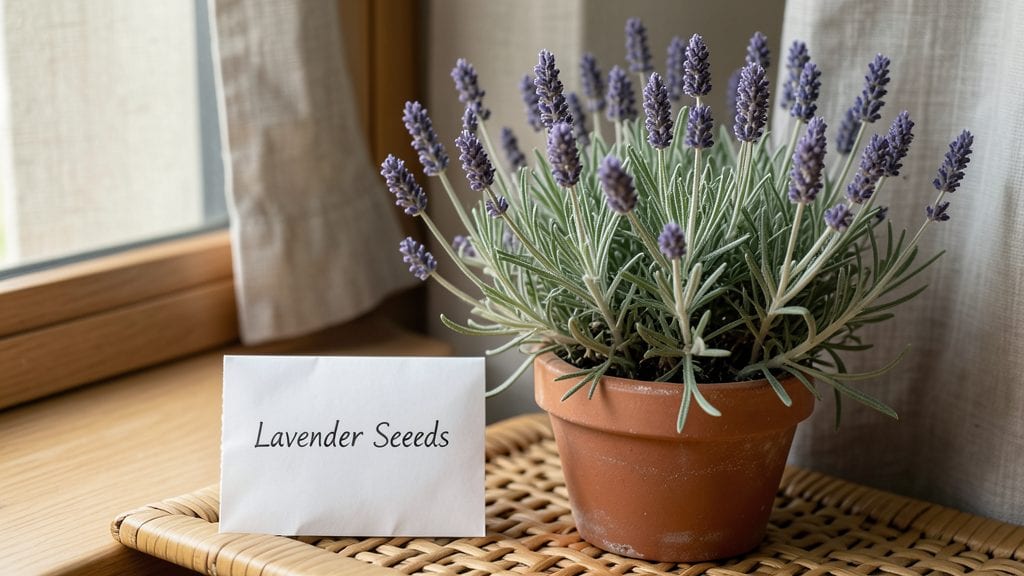
Storing flower seeds properly means they'll still sprout years later—no more wasted packets or weak seedlings. 🌱 I learned this the hard way when my prized heirloom poppy seeds lost viability after sitting in a damp basement for just one summer.
The key is keeping them dry, cool, and protected from light, which preserves their inner life force.
All you need are airtight containers (glass jars or resealable bags work best), silica gel packets for extra dryness, and a dark, cool spot like a refrigerator or basement. Label each packet with the seed type and date—trust me, you won’t remember which is which after six months.
Even better, store them in small portions so you’re not opening containers every planting season.
With the right setup, your seeds stay viable for 3-5 years, sometimes even longer for hardy varieties like snapdragons. Test viability by filling a glass with water—if seeds sink, they’re still good; if they float, it’s time to source fresh ones.
This simple system turns last year’s leftover packets into next season’s starters.
The biggest mistakes? Humidity (condensation kills seeds) and light exposure (which degrades oils inside). For short-term storage (up to a year), a cool pantry works fine—just keep them sealed. But for long-term savings, the fridge or freezer is your best friend. Now let’s get those seeds preserved properly!
📚 In This Guide
- What you need
- Instructions
- Tips and common mistakes
- Wrapping up and next steps
What you need
- ● Air-tight containers: Small glass jars (like mason jars), resealable plastic bags with zip locks, or seed envelopes (ensure they’re moisture-proof). Quantity: 1 per seed type or 1 large container for bulk storage.
- ● Silica gel packets: 2-3 packets (to absorb moisture and prevent mold). Where to find: Often included in shoe boxes or available online.
- ○ Desiccant (optional but helpful): Uncooked rice or silica sand (1-2 tbsp per container) as a backup moisture absorber.
- ● Permanent markers or labels: To mark seed types, varieties, and harvest dates. Pro tip: Use a waterproof marker for containers!
- ● Paper towels or coffee filters: 1-2 sheets per batch of seeds (for drying excess moisture before storage).
- ● Cool, dark space: Aim for 35–45°F (2–7°C) (a fridge or root cellar works great!). Avoid: Basements with high humidity or direct sunlight.
- ○ Low humidity: Use a hygrometer (optional) to monitor—ideal range is 10–20% humidity.
- ● Vacuum sealer: Extends seed life by removing all air and moisture.
- ● Seed storage charts: Printable guides to track seed viability by type.
- ● Small notebook: To log seed sources, germination rates, and storage dates.
Step-by-step guide for storing flower seeds properly
Here's how I keep seeds viable for years—no fancy equipment, just simple science.
🌱 Step 1: Dry Seeds Completely Before Storage
Spread seeds in a single layer on a clean, dry paper towel or mesh screen. Let them air-dry for 3-5 days in a warm, dry spot with good airflow. You'll know they're ready when they feel brittle—not damp or sticky. Avoid direct sunlight, which can heat the seeds and reduce viability.
I like to place the drying tray near a window with indirect light. If you're in a humid climate, add a small fan to circulate air gently. The goal is to remove all moisture—even slightly damp seeds will mold in storage.
💧 Step 2: Choose the Right Storage Containers
Use airtight containers like glass jars, small plastic bags with zipper seals, or seed envelopes. Label each container with the seed type and harvest date—my handwriting fades, so I use a permanent marker. For long-term storage, I prefer glass jars with tight lids because they don't degrade like paper or plastic over time.
Don't overfill containers. Leave 1-2 inches of headspace to prevent condensation, which can ruin seeds. If using paper envelopes, store them in a sealed plastic bag with a silica gel packet to absorb any lingering moisture.
☀️ Step 3: Store in a Cool, Dark Place
Place containers in a cool, dark location—ideally between 32-41°F. A refrigerator crisper drawer works perfectly, or you can use a basement closet with stable temperatures. Avoid the freezer unless storing seeds for 10+ years, as repeated temperature fluctuations can damage them.
Check stored seeds once a year for signs of moisture or pests. If you notice any mustiness or mold, transfer the seeds to a new container immediately. The cooler the storage, the longer seeds remain viable—some can last 5-10 years this way!
⏰ Step 4: Test Viability Before Planting
Before planting, test seed viability by placing 10 seeds in a damp paper towel, sealing them in a plastic bag, and keeping them at 70°F for 3-5 days. If 50% or more sprout, your seeds are still good. If fewer than half sprout, reduce the number of seeds planted per hole to compensate.
Real talk: Older seeds may take longer to germinate. If you're impatient, soak them in lukewarm water for 12 hours before planting to speed up the process. Just don't soak too long—seeds can rot if left in water overnight.
Tips & tricks for perfect flower seed storage
Here's what nobody tells you about keeping seeds alive for years—these tricks will save your garden from wasted effort.
Drying Time Matters: The 3-5 days of drying isn't just about time—it's about consistency. I've ruined batches by rushing this step in humid weather. Use a small fan on low setting to maintain airflow without creating drafts that can scatter tiny seeds. Place a humidity indicator near your drying tray; if it shows above 50%, extend drying by another day. A simple kitchen thermometer helps too—keep the room between 70-75°F for optimal drying.
Container Selection Secret: Glass jars might be my go-to, but don't overlook vacuum-sealed bags for long-term storage. The key is removing all air first—place your seeds in the bag, then use a straw to suck out air before sealing. For paper envelopes, fold them tightly and store them upright in a jar to prevent moisture absorption from the sides. I've seen seeds last twice as long when stored this way compared to loose envelopes.
Temperature Troubleshooting: That 32-41°F range is critical, but not all refrigerators are created equal. The crisper drawer works best because it maintains consistent humidity too. If you're using a basement, consider a small, battery-powered thermometer to monitor temperature fluctuations. I learned this the hard way when a draft near my storage closet caused seeds to sprout prematurely after just 3 months!
Viability Test Hack: When testing those 10 seeds, use a clear plastic bag so you can see sprouting without opening it. I've found that seeds from different flower varieties often have different germination speeds—some pop up in 2 days, others take the full 5. Keep a log of which varieties sprout fastest; these are your winners for next season's planting. The 50% threshold is your baseline, but I aim for 70%+ for reliable planting.
Pro Tips for Store Flower Seeds
- Here's what nobody tells you about keeping seeds alive for years—these tricks will save your garden from wasted effort.
- Drying Time Matters: The 3-5 days of drying isn't just about time—it's about consistency.
- Container Selection Secret: Glass jars might be my go-to, but don't overlook vacuum-sealed bags for long-term storage.
Frequently asked questions
Got questions about keeping your flower seeds fresh and ready for planting? Here are some common concerns—and their answers—to help you store seeds like a pro!
How long can I store flower seeds before they lose viability?
Most flower seeds stay viable for 1–5 years when stored properly, depending on the type. Larger seeds (like sunflowers or beans) often last longer (3–5 years), while delicate ones (like impatiens) may only stay good for 1 year. Check seed packets for specific info!
Can I store flower seeds in the fridge or freezer?
Yes! A cool, dark place like a fridge (not the crisper drawer) or freezer works great for long-term storage. Use airtight containers, label them, and include a damp silica gel packet to absorb moisture. Thaw seeds slowly in the fridge before planting.
What’s the best time to harvest seeds for storage?
Harvest seeds when they’re fully mature but still dry—usually after the flower wilts and the pod turns brown. For example, tomato seeds should ferment slightly in water first, while marigold seeds dry on the plant. Avoid damp or moldy pods!
What if my stored seeds smell musty or look moldy?
Toss them! Musty or moldy seeds won’t grow well and may harm your plants. To prevent this, keep seeds in a sealed, dry container with a moisture absorber (like rice or silica gel). If you’re unsure, do a quick “float test”—drop seeds in water; if they sink, they’re likely still good!
Are there any seeds I shouldn’t store long-term?
Some seeds, like sweet peas or delphiniums, lose viability quickly (even after 1 year). Others, such as poppies or foxgloves, may not store well at all. When in doubt, buy fresh seeds or save them from healthy plants in their peak season.
Wrapping up and next steps
Storing flower seeds properly is your secret weapon for a bountiful garden next season! By keeping them dry, cool, and sealed in airtight containers, you’ll preserve their viability and save money—no more buying new packets every year.
Whether you’re a seasoned gardener or just starting, these simple steps make seed storage effortless and rewarding.
Now that you’re armed with the know-how, take action! Gather your seeds, label those containers, and tuck them away in your fridge or freezer. Before you know it, you’ll be planting with confidence and watching your garden bloom brighter than ever. Happy gardening! 🌱✨