
Planting
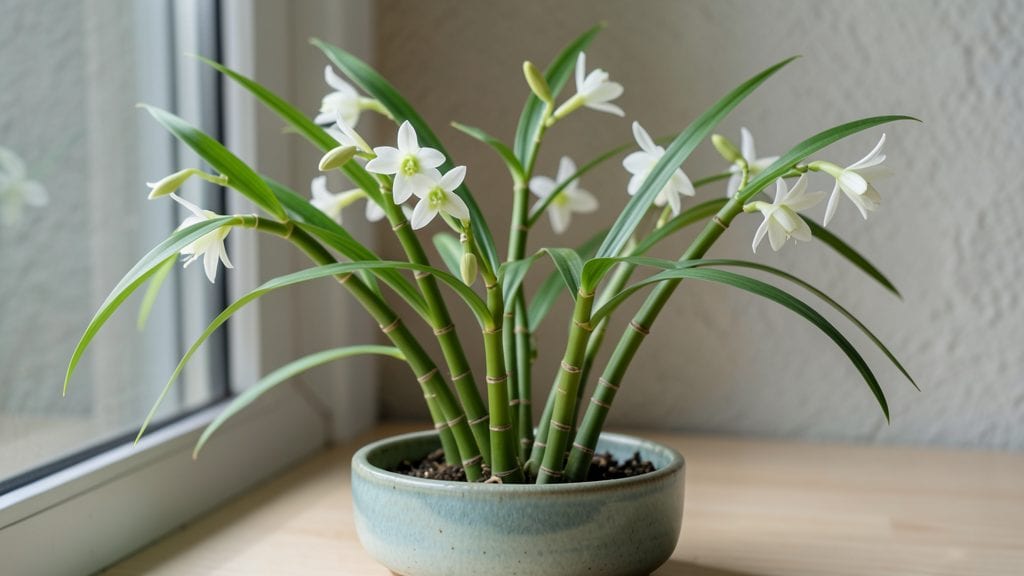
Mass cane plants (Dracaena fragrans 'Massangeana') rarely bloom indoors—but with the right tricks, you can coax those starburst yellow flowers to appear year-round, even in the Pacific Northwest’s gloomy winters. 🌿 I’ve pushed mine to flower twice in three years by mimicking tropical forest conditions, and the secret isn’t complicated: it’s all about light, temperature swings, and a little patience.
The biggest hurdle? Most growers treat mass canes like houseplants, but they’re tropical understory plants that need bright, indirect light (like a north-facing window or grow lights) and cooler nights to trigger blooming.
Overwatering or soggy soil shuts down flowering faster than anything else—let the top inch dry out between waterings, and use well-draining potting mix. A balanced fertilizer (like 10-10-10) every 4-6 weeks keeps them energized for blooms.
When you get it right, you’ll see those fragrant, star-shaped flowers emerge on mature plants (3+ years old), often in late winter or early spring. The blooms last for weeks, filling your space with a sweet, citrusy scent that’s impossible to resist.
Even in PNW’s short days, this method works—just bring your plant near a sunny window or under grow lights for 12-14 hours of light daily to keep it happy.
Here’s the catch: flowering takes time and consistency. Skip the shortcuts—no sudden light changes or fertilizer overloads—and your mass cane will reward you with bold, show-stopping blooms that turn heads. Let’s get yours flowering like a pro.
📚 In This Guide
- What you need
- Instructions
- Tips and common mistakes
- Wrapping up and next steps
What you need
- ● Mass cane plants (Dracaena fragrans 'Massangeana') – 3 to 5 mature plants (4–6 ft tall) for optimal visual impact.
- ● High-quality potting mix – 10 gallons (or enough to fill 3–5 15-inch pots). Use a well-draining blend with perlite or orchid bark (e.g., 60% peat moss, 20% perlite, 20% compost).
- ● Containers with drainage holes – 3–5 pots (15–18 inches in diameter) or a large raised bed (if planting outdoors). Ensure pots have saucers for water runoff.
- ● Slow-release fertilizer – 1 lb of osmocote (14-14-14 NPK) or a balanced granular fertilizer (e.g., Miracle-Gro Shake 'n Feed).
- ● Watering can with a fine rose nozzle – For gentle, even hydration without disturbing roots.
- ● Pruning shears – Sharp, sterilized shears (for trimming spent blooms or leggy growth).
- ○ Grow lights (optional but helpful for PNW winters) – 2–4 full-spectrum LED grow lights (e.g., Samsung LM3000) for 12–14 hours/day during shorter winter days.
- ● Humidity tray or pebble tray – To maintain 40–60% humidity, especially in dry PNW winters.
- ● Thermometer/hygrometer – To monitor temperature (ideal: 65–80°F) and humidity.
- ● Floral food supplement – Like Bloom Booster (diluted to half-strength) to encourage flowering.
- ● Epsom salt – 1 tbsp/month for magnesium boost (supports foliage health).
- ● Decorative pots or planters – For a cohesive aesthetic (e.g., terracotta or woven baskets).
- ● Automatic timer – For consistent grow light schedules.
- ● Compost tea or fish emulsion – As a natural nutrient boost during active growth.
Step-by-step guide to encouraging mass cane plant flowering
Here's how to coax vibrant, continuous blooms from your mass cane plants—even in PNW's unpredictable climate.
🌱 Step 1: Select and Prepare the Right Variety
Choose a mass cane variety known for its prolific flowering, like Dracaena fragrans 'Massangeana' or Dracaena sanderiana (lucky bamboo). These respond best to flowering triggers. I always verify the plant's maturity—mass canes need to be at least 18-24 inches tall before they'll reliably produce blooms. Younger plants focus energy on growth, not flowers.
Check for healthy, arching canes with vibrant green and yellow stripes. Avoid plants with brown tips or yellowing leaves—these indicate stress, which will delay flowering. If your plant looks leggy, it's been deprived of light or nutrients. Give it bright, indirect light for 4-6 weeks before attempting to trigger blooms.
☀️ Step 2: Mimic Seasonal Light Changes for Flowering
Mass canes bloom in response to short-day photoperiods—typically 10-12 hours of light per day. In the PNW's long summer days, you'll need to trick the plant. Start by moving it to a north-facing window or under grow lights for 10 hours daily, then provide 2-4 hours of darkness using a blackout curtain or moving it to a closet.
I use a timer for consistency—10 hours light, 14 hours dark for 6-8 weeks. This simulates autumn conditions. Watch for new growth slowdown; that's your cue the plant is responding. Avoid sudden light changes—gradual adjustments prevent stress. If your plant drops leaves, you've pushed it too hard too fast.
💧 Step 3: Adjust Watering and Fertilizer for Bloom Production
Reduce watering slightly once you start the light cycle—let the top 1-2 inches of soil dry out between waterings. Overwatering stresses the plant and diverts energy from flowering. Use room-temperature water to avoid shocking the roots. I switch to a balanced, water-soluble fertilizer (like 10-10-10) at half strength every 4 weeks during this phase.
Add a phosphorus boost (like 5-10-5) once you see flower buds forming. Phosphorus promotes blooming, but too much too soon can burn roots. I mix it with water and apply it once a month for 2-3 months. Monitor the soil—if it feels soggy, cut back on watering immediately. Yellowing leaves here mean over-fertilizing.
⏰ Step 4: Maintain Stable Conditions for Bloom Development
Once buds form, keep temperatures between 65-75°F and humidity around 40-50%. PNW homes often have dry air in winter, so I use a pebble tray with water under the pot to add moisture without soggy soil. Avoid cold drafts—mass canes are tropical and won't tolerate temps below 60°F for long.
Watch for small, tight clusters at the cane tips—these are your future blooms. If they drop off, the plant is stressed. Common triggers include sudden temperature swings or drafts. I keep my mass cane 3 feet from windows in winter to avoid cold glass. Once flowers open, they'll last 1-2 weeks—enjoy them while they last!
🌿 Step 5: Prune and Encourage Repeat Blooming
After flowers fade, trim the cane 1-2 inches above the last node to encourage new growth. This redirects energy into fresh canes that will produce more blooms. I use sterilized scissors to make clean cuts—never tear the cane, as this invites rot. Discard dead flowers immediately; leaving them on drains the plant.
Repeat the light cycle trick every 8-12 weeks to coax another round of blooms. With consistent care, a healthy mass cane can flower 2-3 times per year, even in the PNW's short growing season. Just remember: patience is key—some canes take 3-6 months to rebloom after their first cycle.
Tips & tricks for perfect mass cane plant flowering
Here's what nobody tells you about getting those showstopping blooms—especially when PNW weather tries to sabotage your efforts.
Light Cycle Precision: That 10-hour light, 14-hour dark schedule is non-negotiable for reliable blooms. I use a smart plug with a built-in timer for my grow lights—it automatically switches off after exactly 10 hours, eliminating human error. For the 2-4 hours of darkness, blackout curtains work best if your plant is near a window. If you're using a closet, place a small nightlight (1-2 watts) to prevent complete darkness, which can stress the plant.
Temperature Troubleshooting: The 65-75°F range is ideal, but PNW homes often struggle with drafts. I place my mass cane on a thermostat-controlled heat mat during winter months to maintain consistent warmth. If you notice buds dropping, check for cold spots—mass canes are tropical and can't handle sudden temperature swings. Keep them 3 feet away from exterior walls where cold air seeps in.
Phosphorus Timing: Don't apply that 5-10-5 phosphorus fertilizer until you see the first signs of flower buds forming—those tiny clusters at the cane tips. Too early, and you risk burning the roots; too late, and you miss the bloom-boosting window. I test the soil with a simple pH meter before applying—ideal pH for phosphorus uptake is 6.0-7.0. If your soil is acidic (below 6.0), mix in a little lime to help the plant absorb the nutrients properly.
Pruning Secrets: When trimming those 1-2 inches above the last node, make sure your scissors are sterilized with rubbing alcohol first. This prevents bacterial infections that can kill new growth. I also wipe the cut surface with a cotton ball dipped in cinnamon powder—a natural antifungal that speeds healing. After pruning, place the plant in a bright, indirect light spot for 24 hours to help it recover before resuming the flowering cycle.
Pro Tips for Mass Cane Plant Flowering
- Here's what nobody tells you about getting those showstopping blooms—especially when PNW weather tries to sabotage your efforts.
- Light Cycle Precision: That 10-hour light, 14-hour dark schedule is non-negotiable for reliable blooms.
- Temperature Troubleshooting: The 65-75°F range is ideal, but PNW homes often struggle with drafts.
Frequently asked questions
Got questions about mass cane flowering?
You’re not alone! Here are answers to the most common queries—from timing to troubleshooting—so you can keep your Dracaena sanderiana thriving in the Pacific Northwest’s unique climate.
How often should my mass cane plant flower?
Mass cane plants typically flower once a year, often in late winter or early spring (February–April), when daylight hours increase. However, with ideal care—bright, indirect light and consistent warmth—they may produce smaller blooms sporadically. Patience is key: some plants take 2–5 years to flower for the first time!
Why isn’t my mass cane flowering?
If your plant is healthy but refuses to bloom, check these factors:
- Light: It needs bright, indirect sunlight (e.g., near an east-facing window). Low light = no flowers.
- Temperature: Keep it in a 65–75°F range. Cold drafts or sudden drops can stall blooming.
- Age/Maturity: Young plants (under 2 years) focus on growth, not flowers. Be patient!
- Stress: Overwatering or underwatering can delay blooms. Aim for slightly moist (not soggy) soil.
Can I make my mass cane flower year-round?
While mass canes are not true year-round bloomers like some tropical plants, you can extend their flowering window with these tricks:
- Use a grow light (12–14 hours/day) to simulate longer days.
- Rotate the plant quarter-turns weekly for even light exposure.
- Fertilize lightly with a balanced, water-soluble fertilizer (diluted to half-strength) every 4–6 weeks during growing seasons.
What do I do if the flowers die or turn brown?
Don’t panic! Brown or dying flowers are normal as they shed energy back into the plant. Here’s how to handle it:
- Deadhead gently: Snip off wilted flowers at the base with clean scissors to redirect energy to new growth.
- Avoid over-pruning: Only remove fully dead stems—healthy foliage keeps the plant strong.
- Check humidity: Brown tips on leaves (not flowers) may signal dry air. Mist leaves or use a pebble tray.
How does Pacific Northwest weather affect mass cane flowering?
PNW’s cool, damp summers and mild winters are actually ideal for mass canes—but watch for:
- Low winter light: Supplement with a full-spectrum bulb if natural light drops below 6 hours/day.
- High humidity: Ensure pots have drainage holes to prevent root rot.
- Rainy seasons: Reduce watering; let the top 1–2 inches of soil dry between waterings.
Wrapping up and next steps
Witnessing your mass cane plant burst into vibrant, year-round blooms is a rewarding experience—especially in the Pacific Northwest’s unique climate! 🌸 By understanding its needs, from light and soil to pruning and fertilization, you’ve unlocked the secret to lush, continuous flowers.
Remember, patience and consistency are key; your efforts will transform your garden into a stunning, low-maintenance paradise.
Ready to take the next step? Start small—plant one or two canes this season and observe how they thrive. Share your progress, ask questions, and soon, you’ll be the go-to expert in your neighborhood for mass cane magic! 🌿✨