
Fertilization
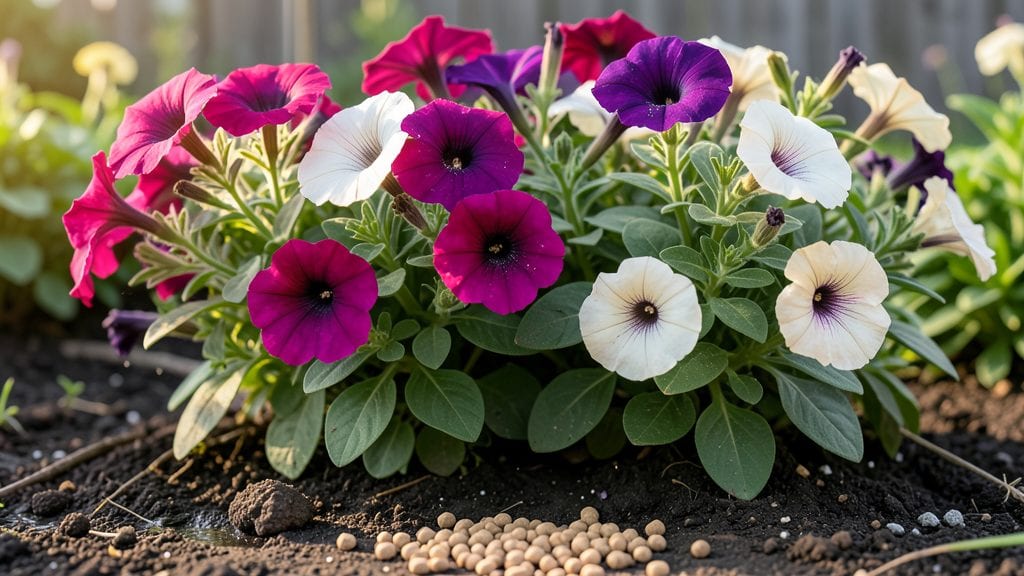
The miracle grow on flowers trick delivers that jaw-dropping color pop you’ve been dreaming of—bright reds, deep purples, and white blooms so full they look like they’re bursting with energy. 🌸 I’ve used it to rescue lackluster petunias and turn them into the showstoppers of my summer garden, and the secret isn’t just dumping fertilizer.
It’s about timing, the right mix, and knowing when to stop before you burn your plants.
The key starts with soil that’s ready to receive nutrients—not rock-hard or waterlogged. Work the fertilizer into the top 2-3 inches of soil around your plants, and always water it in immediately to prevent root burn.
For most flowering annuals and perennials, a half-strength dose (mix half the recommended amount with water) every 2 weeks during peak blooming season keeps things balanced. Roses and hydrangeas, though? They’ll thank you for full-strength feedings every 3 weeks.
You’ll notice the difference in 10-14 days—leaves perk up, buds form faster, and colors deepen like they’ve been touched by magic. But here’s the catch: overdo it, and you’ll end up with leafy green monsters and zero flowers.
Watch for yellowing leaves or crispy edges, and cut back if you see them. The goal is vibrant blooms, not a science experiment.
Works for containers, garden beds, and even houseplants—just halve the dose for potted flowers. And if you’re worried about chemicals, this is where you can choose organic alternatives like fish emulsion or compost tea instead. Either way, your garden’s about to get a whole lot prettier.
📚 In This Guide
- What you need
- Instructions
- Tips and common mistakes
- Wrapping up and next steps
What you need
- ● Miracle-Gro® All Purpose Flower Food – 1 lb. bag (or a 4 lb. bag for larger gardens)
- ● Watering can – 5-gallon capacity or larger (with a fine rose for even distribution)
- ○ Gloves – Optional but recommended (to protect hands from fertilizer residue)
- ● Garden trowel or small shovel – For gently loosening soil around roots (if needed)
- ● Measuring cup or scoop – For precise fertilizer application
- ● Water – Enough to fill your watering can (4-5 gallons)
- ● Slow-release fertilizer granules – For long-term nourishment (mix 2 tbsp per sq. ft. into soil)
- ● Epsom salt (magnesium sulfate) – 1 tbsp per gallon of water (boosts blooms in roses & hydrangeas)
- ● Mulch (pine bark or compost) – 1-2 inches (retains moisture & regulates soil temp)
- ● pH test kit – Ensures soil is neutral (6.0-7.0) for optimal absorption
- ● Pruning shears – For trimming dead blooms post-fertilization (encourages new growth!)
How to use Miracle-gro for flowers: a quick guide to lush blooms
Here’s my go-to method for transforming tired flowerbeds into vibrant displays.
🌱 Step 1: Prep Your Soil and Plants
Start by watering your flowerbeds thoroughly the day before applying Miracle-Gro. This ensures the soil is moist enough to absorb the fertilizer without burning roots. Focus on areas where blooms look sparse or leaves appear pale—these are your first signs of nutrient deficiency.
Gently loosen the top 2-3 inches of soil around each plant with a garden fork. This helps the fertilizer penetrate deeper and reach roots more effectively. Avoid digging too deep, as you don’t want to disturb the root systems of established plants. If your soil feels compacted or dry, mix in a small amount of compost to improve texture and moisture retention.
💧 Step 2: Apply Miracle-Gro According to Package Instructions
Dilute the Miracle-Gro concentrate with water in a 5-gallon bucket (or follow the exact ratio on the label). I like to use a spray bottle for smaller pots and a watering can for larger beds—this gives me better control over application. Apply the solution directly to the soil, avoiding the leaves to prevent chemical burns.
Water the plants lightly after application to help the fertilizer soak into the soil. You’ll notice a slight darkening of the soil surface, which means the nutrients are being absorbed. For best results, apply Miracle-Gro every 2 weeks during the growing season (spring through fall). If you’re using slow-release granules, follow the package’s recommended schedule.
☀️ Step 3: Monitor Light and Water for Best Results
After fertilizing, keep an eye on your plants’ light exposure. Most flowering plants thrive in 6-8 hours of direct sunlight daily, but some varieties (like impatiens) prefer partial shade. If you notice leaves turning yellow or stems stretching toward the light, it’s time to adjust their placement or supplement with a grow light.
Water deeply once a week (or more in extreme heat) to help the fertilizer move through the soil. You’ll know you’re doing it right when the top 1-2 inches of soil feel moist but not soggy. Overwatering can wash away nutrients, so always check the soil before adding more water. Mulch around the base of plants to retain moisture and regulate soil temperature.
✂️ Step 4: Deadhead and Prune for Continuous Blooms
Deadheading—removing spent blooms—encourages your plants to produce more flowers. Use clean, sharp pruners to snip off faded flowers just above a set of healthy leaves. This redirecting of energy often leads to 2-3 weeks of new blooms per cycle. For bushier growth, pinch back leggy stems by one-third to promote branching.
Watch for signs of over-fertilization, like dark, crispy leaf edges or stunted growth. If this happens, flush the soil with plain water for a week to reset the nutrient balance. With consistent care, your flowers will reward you with bold, vibrant blooms all season long.
Tips & tricks for perfect Miracle-gro flower care
Transforming tired flowerbeds into vibrant displays takes more than just fertilizer—here’s how to maximize every step for stunning results.
Soil Prep Secret: In Step 1, when loosening the top 2-3 inches of soil, work gently around the roots to avoid damage. I’ve found that adding a handful of compost to the loosened soil creates a nutrient-rich zone right where the roots need it most. This helps the Miracle-Gro concentrate penetrate more effectively, giving your plants an immediate energy boost. The key is to focus on the root zone—not the entire bed—so you’re not overworking the soil.
Application Technique: For Step 2, I recommend using a spray bottle for container plants because it gives you precise control over how much fertilizer each plant receives. When working with larger beds, a watering can with a rose attachment helps distribute the solution evenly without missing spots. The light watering after application is crucial—it helps the fertilizer soak in without running off, especially important if you’re working in hot sun or sandy soil.
Light and Water Watch: In Step 3, pay extra attention to the 6-8 hours of sunlight requirement. If your garden gets afternoon shade, that’s perfect for sun-sensitive varieties like impatiens. For plants showing signs of light deprivation (like leggy stems), a simple grow light placed 6-12 inches above the foliage for a few hours in the evening can work wonders. When checking soil moisture, press your finger about 1-2 inches down—if it feels dry, that’s your cue to water deeply.
Deadheading Timing: The 2-3 week bloom cycle mentioned in Step 4 works best when you deadhead consistently. I’ve noticed that removing spent blooms in the morning gives plants the entire day to redirect energy to new growth. For bushier plants, pinch back stems when they’re about 6 inches tall—this encourages more branches and ultimately more flowers. Just be sure to use clean pruners to prevent spreading disease between plants.
Pro Tips for Miracle Grow On Flowers
- Transforming tired flowerbeds into vibrant displays takes more than just fertilizer—here’s how to maximize every step for stunning results.
- Soil Prep Secret: In Step 1, when loosening the top 2-3 inches of soil, work gently around the roots to avoid damage.
- Application Technique: For Step 2, I recommend using a spray bottle for container plants because it gives you precise control over how much fertilizer each plant receives.
Frequently asked questions
Got questions about using Miracle-Gro on flowers? You’re not alone! Here are some of the most common queries—and clear, actionable answers to help you grow a stunning garden with confidence.
How often should I apply Miracle-Gro to flowers?
For most flowering plants, apply Miracle-Gro All Purpose Plant Food every 2 weeks during the growing season (spring to fall). For newly planted flowers, wait 4-6 weeks before fertilizing. In winter, pause unless you’re growing houseplants or tropical flowers—they thrive year-round with diluted feedings every 6-8 weeks.
How quickly will flowers bloom after using Miracle-Gro?
You’ll typically see noticeable results in 2-4 weeks, but blooms depend on the plant type, sunlight, and watering habits. Annuals (like petunias or marigolds) respond fastest, while perennials (e.g., roses or daylilies) may take 4-6 weeks for vibrant color. For houseplants (e.g., orchids or African violets), expect 6-8 weeks of consistent care before new blooms appear.
Can I use Miracle-Gro on flowers if I’ve already fertilized them?
Yes! If you’ve used a slow-release fertilizer (like spikes or granules), wait 8-12 weeks before switching to Miracle-Gro liquid. For organic fertilizers (compost, manure), wait 4-6 weeks to avoid overfeeding. Always water thoroughly before and after applying to prevent root burn. Pro tip: Mix ½ the recommended dose if your flowers look stressed!
What if my flowers look burnt or wilted after using Miracle-Gro?
Over-fertilizing is the #1 culprit! Flush the soil immediately by watering deeply for 10-15 minutes to dilute excess nutrients. For severe burns, trim damaged leaves and reduce feedings to every 6 weeks until recovery. Prevent future issues by:
- Using ½ strength solution for sensitive plants (e.g., ferns, azaleas).
- Avoiding fertilizer in extreme heat (above 90°F)—roots can’t absorb nutrients efficiently.
- Choosing Miracle-Gro Bloom Booster for heavy feeders like roses or hydrangeas.
Are there natural alternatives to Miracle-Gro for flowers?
For eco-friendly options, try:
Natural Fertilizer
How to Use
Best For
Compost tea
Steep compost in water for 24-48 hours; dilute 1:1 with water. Apply weekly.
All flowers (gentle, nutrient-rich)
Banana peels (for potassium)
Chop and bury near roots or brew in water for 2 days as a foliar spray.
Blooming plants (roses, orchids)
Epsom salt (magnesium)
1 tbsp per gallon of water; spray leaves monthly.
Tropical flowers (hibiscus, fuchsias)
Note: Natural options work slower but improve soil health long-term. Combine with Miracle-Gro for faster results!
Wrapping up and next steps
Transforming your garden into a blooming paradise with Miracle-Gro® on flowers is simpler—and more rewarding—than you think! 🌸 By following the right steps, you’ll unlock lush, vibrant blooms that turn heads and brighten any space.
Whether you’re a seasoned gardener or just starting, this fertilizer is your secret weapon for instant, stunning results.
Ready to see the magic? Grab your Miracle-Gro®, roll up your sleeves, and give your flowers the care they deserve! Start with a small patch, observe the changes, and soon, your entire garden will be a breathtaking masterpiece. Happy gardening! 🌿✨