
Flowers
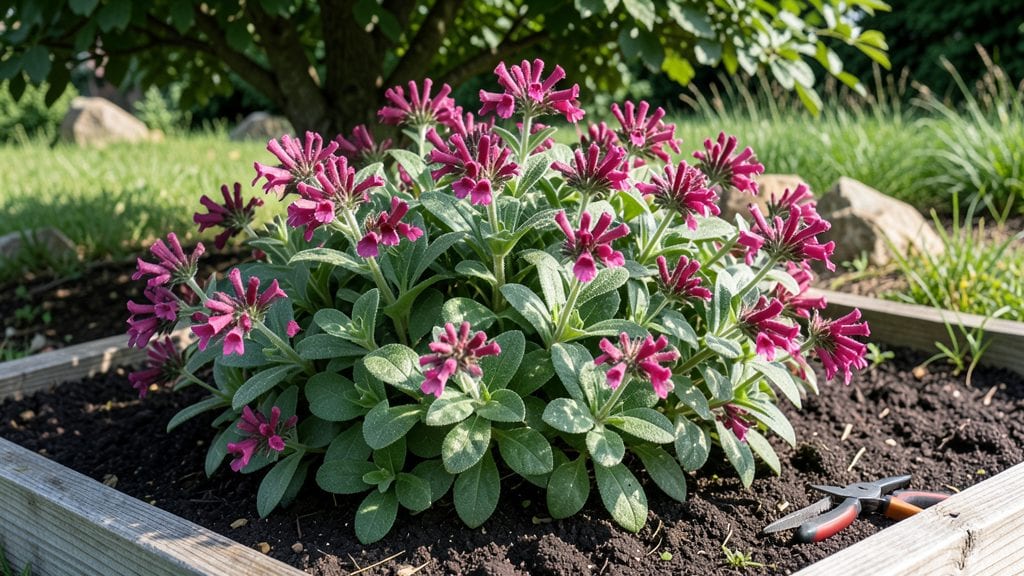
Mastering nemesia flower care in low-light spots is simpler than you’d expect—these bright blooms flourish where others fail. ✨ I’ve kept nemesias alive in my east-facing window boxes for years, and they’ve never needed more than... a few hours of morning light.
The secret lies in their adaptability: they’ll bloom just as happily in partial shade as they will in full sun, making them perfect for under trees or on north-facing porches.
Nemesia care comes down to three simple priorities: consistent moisture, well-draining soil, and occasional deadheading. Overwatering is the biggest mistake, but these flowers also won’t forgive soggy roots—so aim for damp (not wet) soil.
A light, airy potting mix with perlite works wonders, and you’ll know you’re on track when new buds form every 2-3 weeks. The velvety petals come in shades of pink, purple, and white, and they’ll keep flowering all season if you stay on top of maintenance.
Pruning isn’t just about looks—it’s how you keep nemesias producing. Snip back leggy stems after blooms fade, and you’ll trigger a fresh wave of flowers within 10 days. In cooler months, they’ll slow down but won’t die off completely, making them one of the most forgiving shade-loving annuals.
By late fall, you can either let them self-seed for next year or treat them as a temporary splash of color—either way, they’re a low-stress win.
These flowers are especially forgiving for beginners, but a few tweaks make all the difference. If your nemesias look tired by midsummer, a light fertilizer boost (half-strength) revives them. And if you’re growing them in containers, rotate the pots every few weeks so all sides get even light.
The payoff? A cascade of blooms that outlasts most shade plants—without the fuss of high-maintenance alternatives.
📚 In This Guide
- What you need
- Instructions
- Tips and common mistakes
- Wrapping up and next steps
What you need
- ● Nemesia seeds or seedlings: Choose from varieties like Nemesia strumosa or Nemesia denticulata (available at nurseries or online). Quantity: 5–10 seeds or 3–5 seedlings for a vibrant display.
- ● Well-draining potting mix: A blend of peat moss, perlite, and compost (ratio: 40% peat, 30% perlite, 30% compost). Quantity: 1–2 gallons per pot.
- ● Containers or garden beds: Containers: 6–8 inch pots with drainage holes (1–2 per plant).
- ● Garden beds: Loose, well-aerated soil with a pH of 6.0–7.0.
- ● Watering can or spray bottle: For gentle hydration (avoid soggy soil!).
- ● Fertilizer (balanced or low-phosphorus): 10-10-10 NPK or organic options like fish emulsion. Quantity: 1 tbsp per gallon of water, diluted monthly.
- ● Pruning shears: Sharp, sterilized shears for trimming dead blooms or leggy stems.
- ● Grow lights: LED bulbs (5000–6500K) for 6–8 hours/day if natural light is <12 hours.
- ● Mulch: Organic mulch (e.g., straw or shredded bark) to retain moisture.
- ● Support stakes: For trailing varieties (e.g., 6–12 inch bamboo stakes).
- ● Soil moisture meter: To monitor hydration levels (especially in containers).
- ● Insecticidal soap: For pest control (e.g., aphids or spider mites).
Step-by-step guide to growing nemesia in low-light conditions
Here's how to nurture vibrant nemesia blooms even when sunlight is limited.
🌱 Step 1: Select the Right Container and Soil Mix
Nemesia thrives in well-draining soil with excellent aeration. Use a 50/50 blend of premium potting mix and perlite to prevent root rot—a common issue in low-light conditions. I always choose containers with drainage holes since nemesia hates soggy roots. A 6-inch pot works perfectly for one plant, providing ample space for root development without overwhelming the plant.
Fill the container ¾ full with your soil mix, leaving room for the plant's root ball. Gently tap the sides to eliminate air pockets, ensuring even moisture distribution. The soil should feel like a damp sponge—not wet or dry. Here's the thing—nemesia's delicate roots need consistent moisture but will suffocate if compacted.
💧 Step 2: Plant with Proper Spacing and Watering
When planting nemesia, place the root ball 1 inch below the rim of the container. This positioning prevents water from pooling around the stem during irrigation. I like to add a ¼-inch layer of coarse sand on top of the soil mix to improve drainage further. Space plants 8-10 inches apart if growing multiple in one container—crowding leads to poor air circulation and fungal issues.
Water immediately after planting to settle the soil around the roots. Use room-temperature water to avoid shocking the plant. Wait until the top inch of soil feels dry before watering again—nemesia prefers consistent moisture but won't tolerate waterlogged conditions. A moisture meter helps here, but your finger works just as well.
☀️ Step 3: Position for Optimal Indirect Light
Nemesia tolerates bright, indirect light—think east-facing windows or 6-8 feet from a south-facing window. If natural light is insufficient, supplement with a grow light positioned 12-18 inches above the plant for 12-14 hours daily. You'll notice leggy growth if light is too weak, so adjust the distance or duration as needed.
Rotate the container quarter-turn weekly to ensure even light exposure. This prevents the plant from leaning toward the light source. Nemesia blooms best with moderate light, so avoid placing it in deep shade or direct sunlight, which can scorch delicate leaves.
✂️ Step 4: Prune and Fertilize for Continuous Blooms
Deadhead spent blooms weekly to encourage new flowers. Simply pinch off faded blossoms with your fingers or clean pruners. This simple step extends the flowering season by redirecting the plant's energy toward producing more blooms. I also trim leggy stems to maintain a compact shape—never cut more than ⅓ of the plant at once.
Feed nemesia with a balanced liquid fertilizer (10-10-10) every 4-6 weeks during the growing season. Dilute to half-strength to avoid burning roots. Over-fertilizing leads to lush foliage but fewer flowers, so consistency is key. Always water before fertilizing to prevent salt buildup in the soil.
🌿 Step 5: Monitor and Adjust for Seasonal Changes
Nemesia slows growth in winter, so reduce watering to every 7-10 days once temperatures drop below 55°F. Move containers away from cold drafts or heat vents, which cause stress. Watch for yellowing leaves—a sign of overwatering or nutrient deficiency. Adjust care accordingly: less water or a light fertilizer application.
This is the moment that matters: nemesia's vibrant blooms reward attentive care. With proper light, water, and pruning, your plants will thrive even in low-light conditions. Real talk—nemesia's delicate beauty makes it worth the effort, especially when it flourishes where other flowers struggle.
Tips & tricks for perfect nemesia flower care
Common pitfalls—and how to sidestep every one when nurturing these sun-shy beauties.
Soil Mix Secret: The 50/50 blend of premium potting mix and perlite isn't just about drainage—it's about aeration. After mixing, I press the soil mix firmly into the container to eliminate air pockets, then water thoroughly. This prevents that dreaded "soggy roots" scenario nemesia hates. Confession: I skipped this step for years and wondered why my plants struggled—until I realized they weren't getting enough oxygen.
Lighting Strategy: When supplementing with grow lights, position them exactly 12-18 inches above your nemesia for those critical 12-14 hours daily. I've learned the hard way that moving them too close causes leaf burn, while keeping them too far leads to leggy growth. Pro tip: Use a small ruler to measure the distance—consistency matters more than you'd think for these light-sensitive plants.
Pruning Technique: The weekly deadheading isn't just about aesthetics—it's a growth hack. When you pinch off those spent blooms, you're telling the plant to redirect its energy toward producing more flowers instead of seed development. I use my fingers for this task, but clean pruners work too. Just remember: never cut more than ⅓ of the plant at once, or you'll shock the system.
Seasonal Adjustment: Once temperatures drop below 55°F, nemesia's metabolism slows dramatically. This is when I switch to my "winter watering schedule"—every 7-10 days instead of the usual weekly routine. Yellowing leaves? That's your cue to either reduce water or give a light fertilizer boost. Between us, I've lost count of how many times I ignored this sign and ended up with stressed plants.
Pro Tips for Nemesia Flower Care
- Common pitfalls—and how to sidestep every one when nurturing these sun-shy beauties.
- Soil Mix Secret: The 50/50 blend of premium potting mix and perlite isn't just about drainage—it's about aeration.
- Lighting Strategy: When supplementing with grow lights, position them exactly 12-18 inches above your nemesia for those critical 12-14 hours daily.
Frequently asked questions
How often should I water nemesia flowers?
Water your nemesia consistently—about once or twice a week, depending on your climate. Let the top inch of soil dry out between waterings to prevent root rot. Pro tip: Use room-temperature water and avoid wetting the leaves to keep fungal issues at bay!
When is the best time to prune nemesia for more blooms?
Prune your nemesia after flowering or in early spring to encourage bushier growth. Snip back leggy stems by about one-third to promote new shoots. Bonus: Deadheading spent blooms regularly will extend your flowering season!
Can nemesia grow in low-light conditions?
Yes! While they prefer bright, indirect light, nemesia can tolerate partial shade—just expect slightly fewer blooms. If leaves look pale or stems stretch, move them closer to a window or add a grow light. Remember: Rotate pots occasionally for even growth!
What should I do if my nemesia leaves turn yellow?
Yellow leaves often signal overwatering or poor drainage. Let the soil dry out more between waterings and ensure pots have drainage holes. Check for pests like aphids or spider mites—spray with neem oil if needed. Quick fix: Trim affected leaves to redirect energy!
Are there low-maintenance alternatives to nemesia?
If nemesia seems fussy, try bacopa, impatiens, or fuchsia—they thrive in similar low-light conditions with minimal care. All three love humidity and occasional deadheading! Tip: Mix them in hanging baskets for a cascading, carefree display.
Wrapping up and next steps
Caring for nemesia flowers is a rewarding journey—even in low-light spaces!
With the right soil, watering routine, and a dash of patience, you’ll enjoy vibrant blooms that brighten up any corner. 🌿 Whether you’re a beginner or a seasoned gardener, these tips make it simple to nurture their beauty year after year.
Ready to level up your indoor garden? Start by picking a few nemesia varieties and experiment with different containers or companion plants. Before you know it, your home will be bursting with color—one happy bloom at a time! 🌸