Flowers
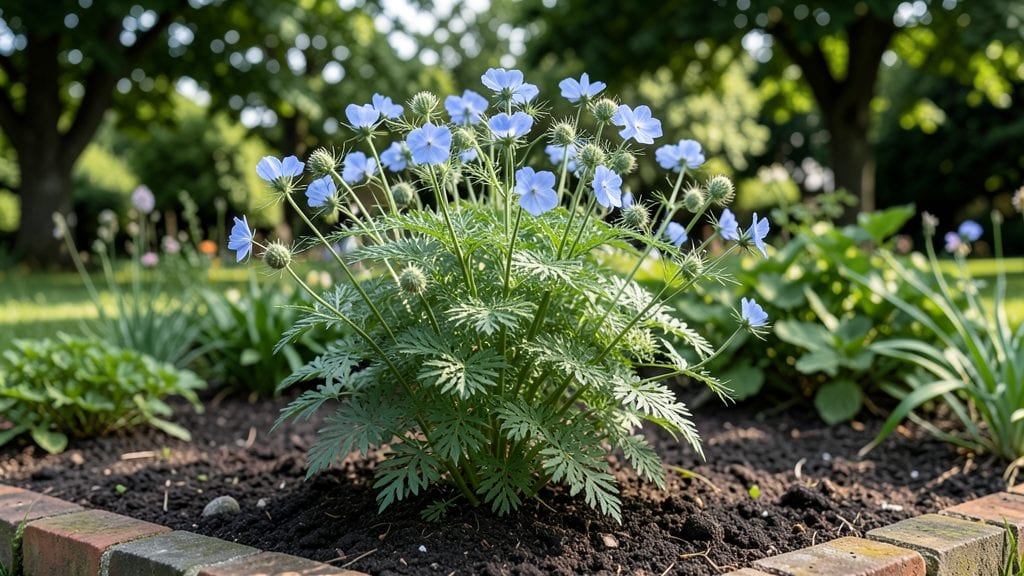
Growing nigella for cut flowers means 10+ days of effortless, fragrant stems in your vase—no fuss, just lace-like blooms that last longer than most annuals. 🌿 I learned the hard way that nigella thrives on neglect, but it does need the right start: well-drained soil, full sun, and a little patience.
The secret isn’t babying it; it’s setting it up right so the plants focus on producing those delicate, seed-pod-studded flowers instead of fighting for survival.
You’ll need three simple things to get started: a sunny spot (at least 6 hours of direct light daily), loose, sandy soil, and a packet of seeds.
Nigella’s self-seeding habit means it’ll naturalize after the first year, but for cut flowers, you’ll want to sow fresh seeds every spring—they germinate like weeds once the soil warms.
The stems stay sturdy enough for arrangements, and the flowers hold their shape better than many annuals when cut at the right stage.
What you end up with is vibrant, airy blooms that look like they belong in a cottage garden but perform like workhorses in bouquets. The dark centers contrast beautifully with lighter petals, and the seed pods add texture that lasts weeks in water.
Plus, the fragrance? Subtle but undeniably fresh—like a summer meadow in a jar. With the right timing, you’ll harvest three flushes of flowers per season, each one better than the last.
This works best in zones 3-10, though it handles heat better than humidity. For long-lasting stems, harvest when 2-3 flowers open per stem—wait too long, and the blooms scatter their seeds before you can enjoy them.
The plants reward your effort with minimal upkeep and maximum beauty, making them the perfect cut flower for gardeners who want low-maintenance, high-impact results.
📚 In This Guide
- What you need
- Instructions
- Tips and common mistakes
- Wrapping up and next steps
What you need
- ● Nigella seeds: Choose a variety like Nigella damascena (Love-in-a-Mist) or Nigella sativa (Black Cumin). Buy 2–3 packets (about 500–1,000 seeds total) for a full display.
- ● Well-draining potting mix: A 10–15 gallon bag of seed-starting mix or a blend of 60% peat/coir, 30% perlite, and 10% compost.
- ● Containers: For seedlings: 4–6 biodegradable peat pots (2–3 inches deep) or small seed trays with cells.
- ● For transplanting: 1–2 gallon pots (5–6 inches deep) or a 12–18 inch diameter raised bed.
- ● Watering can: A 1–2 gallon spray or drip-style can with a fine rose nozzle for gentle watering.
- ● Pruning shears: Bypass-type (sharp, clean blades) for harvesting stems.
- ● Floral preservative: A 1-pack of commercial preservative (e.g., Floralife) or DIY mix (1 tsp sugar + 1 tsp bleach per quart of water).
- ● Vases: 2–3 clean, glass vases (wide-mouth preferred) with a minimum 6-inch height.
- ● Grow lights: A LED full-spectrum bulb (12–15 watts) for seedlings if natural light is limited.
- ● Fertilizer: Balanced liquid fertilizer (e.g., 10-10-10) for transplanting (dilute to ½ strength).
- ● Floral foam: 1 block (for easy vase arrangements).
- ● Garden twine: For staking tall stems if needed.
- ● Label markers: To track seed varieties and planting dates.
Step-by-step guide to growing nigella for stunning, long-lasting cut flowers
Here's how to cultivate nigella from seed to vase—where delicate blooms last over a week.
🌱 Step 1: Start Seeds Indoors for Early Blooms
Nigella thrives from seed, so begin indoors 6-8 weeks before last frost. Fill 2-inch deep seed trays with sterile seed-starting mix (never garden soil—it's too dense). Press the mix down lightly to remove air pockets, then moisten until evenly damp but not soggy.
Sow seeds ¼ inch deep, spacing them 1 inch apart—they germinate best in 65-75°F soil. Cover with a humidity dome or plastic wrap to retain moisture. Place trays on a seedling heat mat (set to 75°F) to speed germination, which typically occurs in 10-14 days. Watch for tiny green sprouts before removing the cover to prevent damping-off.
☀️ Step 2: Harden Off and Transplant for Strong Stems
Once seedlings show 2-3 true leaves, begin hardening off by moving them outdoors for 1-2 hours daily in a sheltered spot. Gradually increase exposure over 7-10 days until they tolerate full sun. Nigella loves full sun (6+ hours daily) and well-draining soil—amend heavy soil with compost to improve aeration.
Transplant seedlings 12-18 inches apart in rows 18 inches apart once all frost risk has passed. The key to long-lasting cut flowers is strong stems, so avoid overcrowding. Water deeply at the base once a week (more in extreme heat) to encourage deep root growth. You’ll know moisture is right when the top 2 inches of soil feel dry to the touch.
💧 Step 3: Maintain for Optimal Flower Production
Nigella is drought-tolerant once established, but consistent moisture prevents leggy stems. Water early in the morning to reduce fungal risks, and avoid wetting foliage. Fertilize lightly with a balanced 10-10-10 formula at planting and again when flowers appear—but nigella performs best in lean soil, so don’t overdo it.
Deadhead spent blooms to encourage more flowers, but leave some seed pods for their lacy, decorative appeal. Nigella’s self-seeds readily, so you’ll likely find volunteers popping up the next year. Watch for delicate, papery blue or white flowers—these are your cue to harvest stems when 2-3 blooms open per stem for the longest vase life.
✂️ Step 4: Harvest and Condition for Maximum Vase Life
Cut stems early in the morning with clean, sharp pruners at a 45-degree angle. Strip lower leaves to 2 inches above the waterline—this prevents bacterial growth. Place stems immediately in lukewarm water with a commercial flower preservative (or a mix of 1 tsp sugar + 2 drops bleach per quart of water) to extend freshness.
Nigella’s airy, open blooms dry beautifully, but for fresh arrangements, recut stems every 2-3 days and change the water daily. With proper care, these self-seeding annuals will reward you with 10+ days of vase life—and their unique, seed-pod charm long after the petals fade.
Tips & tricks for perfect nigella cut flowers
Here's what nobody tells you about growing nigella that'll transform your vase life from days to weeks.
Soil Temperature Secret: The 75°F soil temperature during germination isn't just a suggestion—it's the sweet spot for consistent sprouting. I learned this the hard way after struggling with inconsistent germination in cooler conditions. Use a seedling heat mat set to exactly 75°F and monitor with a soil thermometer. If your home stays below 65°F, consider using a greenhouse or sunny windowsill with a clear plastic cover to trap heat.
Harden Off Gradually: The 1-2 hours daily outdoor exposure during hardening off might seem short, but trust the process. Nigella's delicate stems need time to acclimate to sun and wind. Start with 1 hour on day one, then add 30 minutes each day until you reach full sun tolerance. Watch for wilting—if leaves droop, they're not ready for longer exposure. This gradual approach prevents sunburn and ensures strong stems for cutting.
Transplanting Technique: When transplanting your 12-18 inch apart seedlings, dig holes twice as wide as the root ball to encourage spreading roots. Gently loosen the roots before placing them in soil—this prevents transplant shock. Water thoroughly immediately after planting, but avoid getting foliage wet to prevent fungal diseases. The top 2 inches dry test is your best guide for future watering, but in extreme heat, you might need to water twice weekly.
Harvesting Timing: Those 2-3 blooms per stem are your target, but here's the pro move: harvest when the first bloom is fully open but the others are still in bud form. This ensures you get maximum vase life—fully open blooms wilt fastest. Cut in the early morning when stems are fully hydrated, and always use clean, sharp pruners to avoid crushing stems. The 45-degree angle cut creates more surface area for water absorption, which is critical for that 10+ day vase life.
Pro Tips for Nigella Cut Flower
- Here's what nobody tells you about growing nigella that'll transform your vase life from days to weeks.
- Soil Temperature Secret: The 75°F soil temperature during germination isn't just a suggestion—it's the sweet spot for...
- Harden Off Gradually: The 1-2 hours daily outdoor exposure during hardening off might seem short, but trust the proce...
Frequently asked questions
about growing and caring for Nigella cut flowers—because every gardener deserves a little extra guidance!How long do nigella cut flowers last in a vase?
Nigella cut flowers are famous for their longevity! With proper care—like trimming stems at an angle, changing water every 2–3 days, and keeping them in a cool spot—they can last 10 to 14 days (or even longer). For best results, remove lower leaves from the stems to prevent bacterial growth.
When is the best time to harvest nigella for cut flowers?
Harvest nigella stems when 1–2 flower buds are just opening on each spike. This ensures a longer vase life and a gradual bloom. Avoid cutting fully open flowers—they’ll wilt faster. Early morning is ideal for harvesting, as stems are hydrated and sturdy.
Can I grow nigella from cut flowers?
Yes! Save nigella seeds from your vase flowers—they’re easy to collect and replant. Let the seed pods dry on the plant (or in a paper bag), then scatter them in your garden for next year’s blooms. Nigella self-seeds readily, so you’ll likely get volunteers popping up!
Why are my nigella stems wilting in the vase?
Wilting can happen due to air bubbles in stems, dirty water, or overcrowding. Try these fixes:
- Recut stems underwater at a 45° angle.
- Use lukewarm water (not cold) to encourage uptake.
- Add a flower food packet or a pinch of sugar/bleach (1 tsp each) to the water.
- Avoid direct sunlight on the vase—it can overheat the water.
What’s a good alternative if I can’t grow nigella?
If nigella isn’t your thing, try these long-lasting cut flowers for similar cottage-garden charm:
- Snapdragons – Tall, textured, and drought-tolerant.
- Cosmos – Lightweight stems with delicate blooms.
- Dahlias – Bold and dramatic (but need staking).
- Sweet peas – Fragrant and romantic, though shorter-lived.
Wrapping up and next steps
Growing nigella cut flowers is a rewarding journey that adds elegance and longevity to your floral arrangements—with stems lasting 10+ days in vases! Whether you’re a seasoned gardener or just starting, these delicate blooms bring effortless charm to any space.
Now that you’re equipped with the right materials and answers, it’s time to roll up your sleeves and create stunning, long-lasting blooms.
🌸 Next steps:
- Start small—plant a few nigella seeds and experiment with care techniques!
- Share your progress (and blooms!) with fellow gardeners for inspiration.
- Once you master nigella, explore other cut-flower varieties for even more vase magic.