Flowers
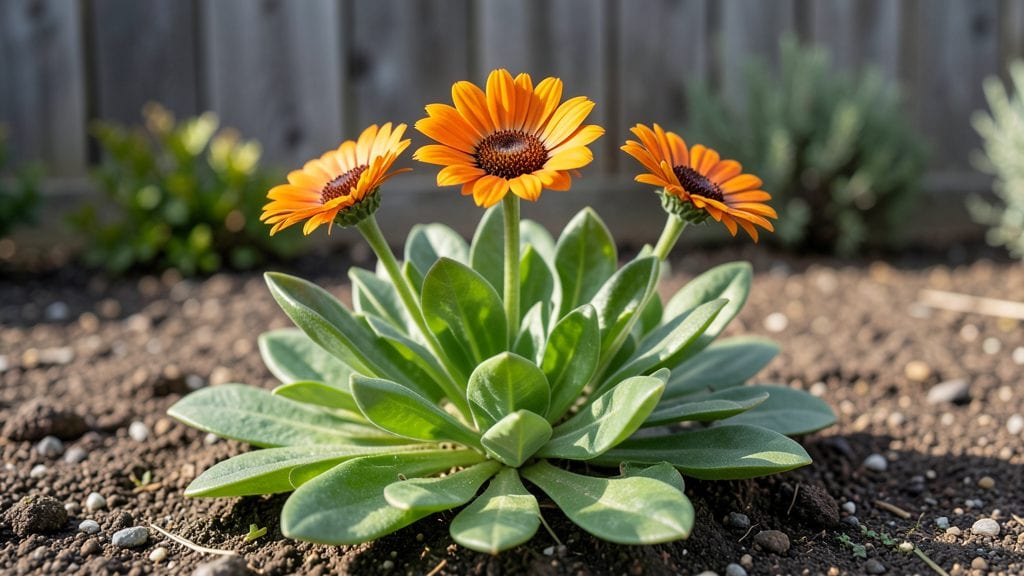
That orange gazania flower is my secret weapon for summer-long color—bright, bold, and impossible to kill. 🌻 I’ve grown them in everything from containers to full sun borders, and they always come back stronger after frost—just when I think they’re done for the year.
The trick starts with the right spot: gazanias demand full sun and well-draining soil, or they’ll sulk with leggy stems and sparse flowers.
You’ll need just a few basics: a sunny location with at least 6 hours of direct sun daily, a lightweight potting mix or sandy loam, and a spot that drains like crazy—these plants hate soggy feet.
Seeds germinate fast in warm soil, but if you’re planting starts, wait until nighttime temperatures stay above 55°F to avoid frost damage. Water lightly after planting, then let the soil dry completely between waterings.
What you’ll end up with is a bold, cheerful display that blooms from morning until evening, even in heat waves. The flowers close at night and reopen the next day, like little sun-worshippers.
Plus, they self-clean—spent blooms drop away on their own, leaving room for fresh ones. Deer and rabbits usually skip them too, which is a bonus in my yard.
They’re tough enough for beginners but rewarding enough for veterans—just don’t overcrowd them, and they’ll reward you with months of effortless color. Let’s get those seeds in the ground!
📚 In This Guide
- What you need
- Instructions
- Tips and common mistakes
- Wrapping up and next steps
What you need
- ● Orange Gazania Seeds or Plants: Seeds: 1 packet (contains ~50-100 seeds) or a small bag of pre-germinated seedlings.
- ● Transplants: 3-6 healthy 4-inch pots (check local nurseries for Gazania rigens or Gazania 'Sunburst Orange').
- ● Well-Draining Soil: 1 bag (18-20 lbs) of cactus/succulent mix or regular potting soil amended with 20-30% perlite or coarse sand.
- ○ Optional: Compost (1 cup per planting hole) for extra nutrients.
- ● Containers or Garden Bed: For containers: 5-7 inch pots (1 per plant) with drainage holes.
- ● For in-ground: Full-sun spot (6+ hours/day) with loose, rocky soil.
- ● Basic Gardening Tools: Trowel or small hand shovel
- ○ Gloves (optional but recommended)
- ● Watering can or hose with a gentle spray nozzle
- ○ Optional (But Helpful!) Extras: Slow-release balanced fertilizer (5-10-5 ratio, 1 tbsp per plant)
- ● Mulch (gravel or decorative rocks to retain moisture)
- ● Plant labels (to track varieties)
- ● Seed-starting tray (if germinating indoors)
- ● Climate Notes: Gazanias thrive in USDA Zones 8-11 but can rebound after frost in warmer zones.
- ● Start seeds 6-8 weeks before last frost or buy transplants in spring.
Step-by-step guide for growing vibrant orange gazanias
Here's how to coax these cheerful annuals into full, frost-resistant bloom.
🌱 Step 1: Choose the Perfect Planting Spot
Gazanias demand full sun—at least 6-8 hours daily. I always check my yard's sun patterns first: mark where shadows fall at midday, then pick a spot that gets direct light until late afternoon. These flowers wilt dramatically in shade, so avoid areas where trees or buildings block afternoon rays.
Well-draining soil is non-negotiable. Amend heavy clay with 1-2 inches of coarse sand or perlite per square foot. You'll know drainage is right when water soaks in within 10 minutes after watering—no puddles should remain. Test your soil by squeezing a handful: if it forms a tight ball, add more gritty material.
🌿 Step 2: Plant at the Right Time and Depth
Wait until after your last frost date—gazanias won't tolerate cold soil. I plant mine 2-3 weeks before your average last spring frost, giving roots time to establish before summer heat arrives. Dig holes twice as wide as the root ball but only as deep—burying too deep suffocates the crown.
Space plants 12-18 inches apart for full, lush blooms. You'll see the difference immediately: crowded plants develop weak stems and fewer flowers. After planting, water deeply until moisture reaches 6 inches down. The soil should feel damp like a wrung-out sponge, not soggy.
☀️ Step 3: Water Strategically for Long-Lasting Blooms
Gazanias hate wet feet but need consistent moisture. Water deeply 2-3 times per week during hot weather, aiming for 1 inch of water total. I use a rain gauge or tuna can to measure—just place it in your garden while watering. Early morning is best: watering at night invites fungal diseases that rot petals.
Once established, gazanias become drought-tolerant. You'll know they're thirsty when leaves curl slightly and flowers close by midday. At this point, give them a thorough soaking. Mulch with 1-2 inches of organic mulch around (but not touching) stems to lock in moisture and keep roots cool.
✂️ Step 4: Deadhead and Maintain for Continuous Color
Here's the secret to nonstop blooms: deadhead regularly. Snip off faded flowers with clean pruners just above the next set of leaves. I do this every 2-3 days during peak bloom—it takes 10 minutes but extends flowering by 4-6 weeks. Never pull stems; cutting prevents disease entry points.
Fertilize lightly every 4-6 weeks with a balanced 10-10-10 formula. Too much nitrogen makes gazanias grow leaves instead of flowers. You'll see the difference immediately: plants fed properly produce 3-5 blooms per stem while over-fertilized ones may have only 1-2 small flowers.
⏰ Step 5: Prepare for Frost and Extend the Season
Gazanias are frost-tolerant but won't survive hard freezes. As temperatures drop below 35°F, mulch heavily with 3-4 inches of straw around plants. I've kept them blooming through light frosts this way—just remove mulch when daytime temps rise above 40°F.
For a second bloom cycle, cut back plants by half their height after first frost. Water deeply and fertilize lightly. You'll often see new growth within 3-4 weeks, especially in mild climates. This second flush isn't as abundant but still provides cheerful color through fall.
Tips & tricks for perfect orange gazania blooms
Gazanias reward attention with vibrant, long-lasting blooms—here's how to maximize their potential without the guesswork.
Sunlight Secret: Those 6-8 hours of daily sun are non-negotiable, but here's the thing: morning sun is more important than afternoon. I've seen gazanias wilt dramatically when afternoon shade cuts in—if you can only guarantee morning sun, that's better than nothing. Position your plants where they get at least 4 hours of morning light, even if afternoon sun is limited. The flowers will still open fully and last longer.
Soil Test Tip: That 10-minute drainage test is your best friend. If your soil drains too slowly, mix in 1 part perlite to 3 parts soil—it creates air pockets that prevent root rot. I learned this the hard way after losing a batch of gazanias to soggy soil. For heavy clay, add 1-2 inches of coarse sand per square foot and work it in thoroughly. You'll notice the difference immediately in how quickly water disappears after watering.
Deadheading Discipline: Those 2-3 days between deadheadings might seem like overkill, but trust me on this: it's what transforms a few weeks of blooms into months. I used to skip this step and was shocked when my gazanias only lasted 3 weeks. Now I set a timer for every third day during peak bloom season—it takes just 10 minutes but extends flowering by 4-6 weeks. Use clean pruners and cut just above the next set of leaves to encourage new buds.
Frost Protection Strategy: When temps drop below 35°F, don't just throw straw on randomly. Create a protective dome by piling 3-4 inches of straw around plants in a slight mound shape—this traps warmth better than flat mulch. I've kept gazanias blooming through light frosts this way, and they bounce back immediately when daytime temps rise above 40°F. Remove the mulch completely when daytime temps are consistently above 40°F to prevent overheating.
Pro Tips for Orange Gazania Flower
- Gazanias reward attention with vibrant, long-lasting blooms—here's how to maximize their potential without the guessw...
- Sunlight Secret: Those 6-8 hours of daily sun are non-negotiable, but here's the thing: morning sun is more important...
- Soil Test Tip: That 10-minute drainage test is your best friend. If your soil drains too slowly, mix in 1 part perlit...
Frequently asked questions
How long does it take for orange gazania flowers to bloom after planting?
Orange gazania typically blooms 6–8 weeks after planting seeds (or 4–6 weeks for transplants). If planted in spring, you’ll often see flowers by early summer. For year-round color, deadhead spent blooms—this encourages non-stop reblooming!
Can orange gazania survive frost? What’s the best way to protect them?
Gazania are tender perennials and won’t survive frost (below 30°F/-1°C). To extend their season, mulch heavily or cover with frost cloth in fall. In cold climates, treat them as annuals or dig up tubers and store them indoors in dry peat moss over winter.
How often should I water orange gazania, and do they need special soil?
Water gazania deeply but infrequently—once a week (or less in rain) is ideal. They hate soggy soil, so ensure well-draining, sandy loam with a slightly acidic to neutral pH (6.0–7.0). Mix in perlite or coarse sand if your soil is heavy.
Why aren’t my orange gazania flowering? What could be wrong?
Lack of blooms often stems from over-fertilizing (too much nitrogen), shady spots, or crowded plants. Ensure they get 6+ hours of sun daily and use a low-phosphorus fertilizer (like 5-10-5) to encourage blooms. Trim leggy stems to promote bushier growth!
Are there orange gazania alternatives with similar care needs?
If gazania isn’t your vibe, try these sun-loving, drought-tolerant picks:
- Portulaca (Moss Rose) – Thrives in heat, blooms all summer, edible petals!
- Zinnia – Long-lasting, cut-flower favorite, attracts pollinators.
- Lantana – Drought-proof, butterfly magnet, and multi-colored.
- Blanket Flower (Gaillardia) – Reblooms after frost like gazania but with red/yellow hues.
Can I grow orange gazania in containers? What’s the best pot size?
Gazania thrive in containers—use pots at least 6–8 inches deep with drainage holes. For multiple plants, space them 12–18 inches apart. Terracotta pots help wick away excess moisture. Pro tip: Add slow-release fertilizer at planting for a low-maintenance boost!
Wrapping up and next steps
The orange gazania flower is a resilient, sun-loving beauty that rewards gardeners with vibrant blooms year after year—even after frost! With the right soil, sunlight, and care, these cheerful flowers thrive in containers, borders, or wildflower gardens.
Whether you're a seasoned gardener or just starting, their easygoing nature makes them a perfect addition to any outdoor space.
Ready to bring some sunshine to your garden? Start by gathering your supplies and follow the steps to plant your first gazania. Watch as these hardy blooms transform your space into a lively, low-maintenance paradise! 🌸✨