Flowers
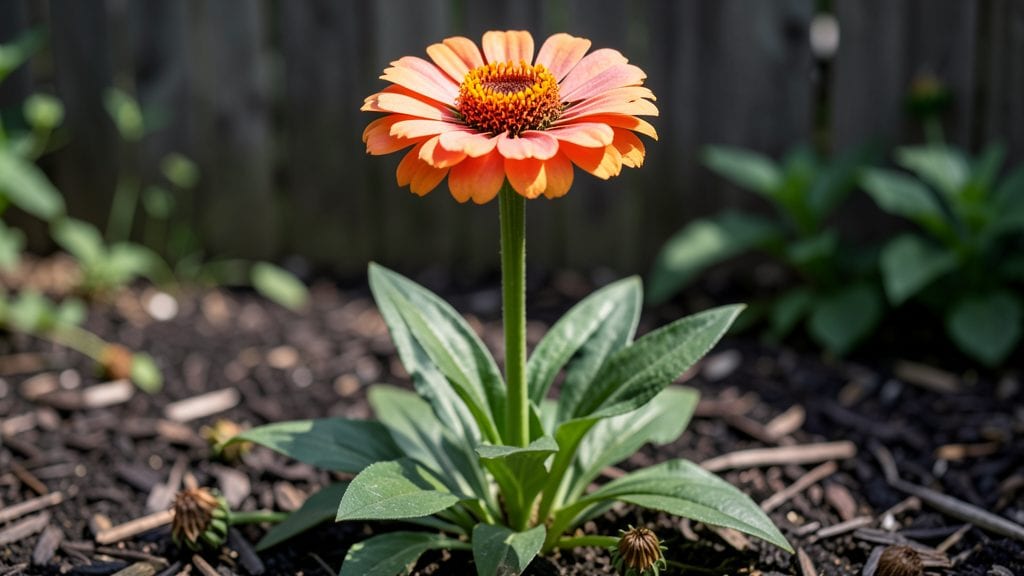
Orange zinnias aren’t just flowers—they’re sun-soaked starbursts that turn any garden into a summer highlight. 🌻 I’ve grown these fiery blooms for years, and they never fail to impress with their bold color and relentless blooming from June until frost.
The secret? They thrive on neglect, but they do need a few key things to really shine.
Start with well-draining soil and a spot that gets at least 6 hours of sun daily—zinnias love heat and won’t tolerate soggy roots. Plant seeds directly after your last frost date (they germinate fast, often within a week) or transplant seedlings spaced 12-18 inches apart.
Water deeply once a week, letting the soil dry slightly between waterings—this prevents powdery mildew, their biggest foe.
What you’ll end up with is a nonstop parade of blooms that attract butterflies and hummingbirds like magnets. The flowers stay vibrant longer than most zinnias because their orange hue repels some pests naturally.
Pinch back the first set of blooms to encourage bushier growth, and you’ll have weeks of fresh-cut flowers for bouquets.
Works in containers, borders, or cutting gardens—just avoid heavy clay soil. Once you try these, you’ll wonder why you ever grew anything else. Ready to grow your own? Let’s get those seeds in the ground!
📚 In This Guide
- What you need
- Instructions
- Tips and common mistakes
- Wrapping up and next steps
What you need
- ● Orange zinnia seeds – Choose Zinnia elegans varieties like ‘Benary’s Giant’ or ‘Crystal’ (packets of 100-500 seeds work well).
- ● Well-draining potting mix – 10-20 lbs of organic, lightweight mix (e.g., 50% peat moss, 30% perlite, 20% compost).
- ● Containers or garden bed – For containers: 6-12" pots (1-2 seeds per pot). For beds: full sun (6+ hours/day) and loose, fertile soil.
- ● Watering can or hose with gentle spray – Keep soil moist but not soggy (especially for seedlings).
- ○ Fertilizer (optional but helpful) – Balanced 10-10-10 or slow-release granules (follow package rates).
- ● Gloves & knee pads – Protect your hands and knees during planting!
- ● Trowel or small shovel – For digging seed holes (¼" deep) or transplanting.
- ○ Seedling trays (optional) – If starting indoors, use 72-cell trays with drainage holes.
- ○ Mulch (optional) – Straw or shredded leaves to retain moisture and suppress weeds.
- ○ Plant markers (optional) – Label seeds or seedlings if growing multiple varieties.
- ● Warm weather (after last frost—zinnia seeds hate cold soil!).
- ● Patience! From seed to bloom takes 6-8 weeks (or 4-6 weeks if transplanting seedlings).
- ● Consistent care—zinnia flowers thrive on attention (but don’t stress, they’re forgiving!).
Step-by-step instructions for growing stunning orange zinnias
Here's how to coax those fiery blooms from seed to showstopper display.
🌱 Step 1: Start Seeds Indoors or Direct-Sow After Frost
Zinnias thrive from seed, so I skip transplants and sow directly when soil reaches 55°F. For early blooms, start seeds indoors 6-8 weeks before last frost using the seed-starting mix in 2-inch pots. Press seeds ¼ inch deep—they need light to germinate, so don't bury them too deeply. Keep the mix moist but not soggy, and cover with plastic wrap to maintain humidity.
Real talk: If you're impatient like me, direct-sow after frost when soil warms up. Scatter seeds ⅛ inch deep in full sun (they won't grow without it) and thin to 12 inches apart once seedlings have 2 true leaves. The key is patience—zinnias grow fast once they get going, but they hate cold soil.
☀️ Step 2: Provide Full Sun and Consistent Moisture
Zinnias demand 6+ hours of direct sun daily—no exceptions. I've seen them wilt dramatically when moved to shade, so choose a spot where they'll get unfiltered light. If your summer sun is intense, provide afternoon shade in hot climates to prevent bolting (premature flowering).
Water at the base (not overhead) to keep foliage dry—this prevents fungal diseases like powdery mildew, which loves zinnias. Let the top inch of soil dry between waterings; they're drought-tolerant once established but need steady moisture while roots develop. You'll know they're thirsty when leaves start to droop slightly in the afternoon.
✂️ Step 3: Deadhead and Prune for Nonstop Blooms
Here's the secret to those "bold starbursts" in your title: deadhead regularly. Snip spent blooms back to the first set of healthy leaves below the flower head. This redirects energy to new buds instead of seed production. I use clean, sharp scissors and do this every 2-3 days during peak bloom—it's a quick task that keeps plants flowering for months.
For bushier plants, pinch back the top set of leaves when seedlings are 4-6 inches tall. This encourages lateral branching, giving you more stems and flowers. Avoid heavy pruning late in the season—zinnias are annuals, and you want them to set seeds if you're saving them for next year.
🌿 Step 4: Support Tall Varieties and Watch for Pests
If you're growing tall zinnias (36+ inches), stake them early with bamboo stakes or use tomato cages for support. Drive stakes in when plants are 6 inches tall—waiting too long risks damaging roots. I like to tie stems loosely with soft plant ties to avoid girdling as they grow.
Keep an eye out for Japanese beetles and aphids, which adore zinnias. A strong spray of water usually knocks them off, but for severe infestations, use neem oil (mix as directed) on a calm evening. Healthy zinnias bounce back quickly, but don't let pests go unchecked—they'll strip leaves faster than you can say "showstopper."
⏰ Step 5: Extend the Season with Simple Tricks
To keep zinnias blooming until frost, cut back plants by half in early fall. This rejuvenates growth and often triggers a second flush of flowers. I've had zinnias bloom into November in mild climates using this trick—just give them a little TLC before winter arrives.
Save seeds from your best blooms by leaving a few flowers on the plant until they dry completely. The papery seed heads will pop open when ripe, releasing seeds for next year. Store them in a paper envelope in a cool, dry place until spring. With zinnias, you're not just growing flowers—you're building a self-sustaining display year after year.
Tips & tricks for growing stunning orange zinnias
Here's what nobody tells you about growing zinnias that actually make the difference between a decent garden and a showstopper display.
Soil Temperature Secret: The 55°F soil temperature threshold is non-negotiable for zinnias. I learned this the hard way after planting in 50°F soil—seeds simply refused to germinate. Use a soil thermometer to confirm temperature before planting, especially in spring or fall. If your soil runs cold, wait it out—zinnias won't tolerate the cold soil patience test, but they'll reward you with explosive growth once conditions are right.
Lighting Strategy: Those 6+ hours of direct sun aren't just a suggestion—they're a survival requirement. I've seen zinnias wilt within hours when moved to partial shade, even if they looked healthy before. Position your plants where they'll get morning sun and afternoon light without afternoon shade, which can trigger bolting (that's when they flower too early). If you're in a high-heat climate, provide afternoon shade cloth during peak summer to prevent stress.
Deadheading Discipline: The 2-3 day deadheading schedule is your secret weapon for nonstop blooms. I use clean pruning shears and cut just above the first set of healthy leaves—this redirects the plant's energy from seed production back to flower development. Pro tip: Do this in the morning when the flowers are fully open and dew has dried, giving you the clearest view of what to trim.
Pest Prevention: Japanese beetles and aphids are zinnias' worst enemies, but you can outsmart them. I've had success with a homemade spray of water and a drop of dish soap (1 tablespoon per gallon) applied in the early morning. For severe infestations, neem oil works wonders—but apply it at dusk to avoid harming beneficial insects. The key is consistency: check your plants daily during peak pest season, especially on the undersides of leaves where aphids love to hide.
Pro Tips for Orange Zinnia Flower
- Here's what nobody tells you about growing zinnias that actually make the difference between a decent garden and a sh...
- Soil Temperature Secret: The 55°F soil temperature threshold is non-negotiable for zinnias. I learned this the hard w...
- Lighting Strategy: Those 6+ hours of direct sun aren't just a suggestion—they're a survival requirement. I've seen zi...
Frequently asked questions
Got questions about growing orange zinnia flowers? You’re not alone! Here are answers to the most common queries—from planting tips to troubleshooting—so you can enjoy those vibrant blooms all season long.
When is the best time to plant orange zinnias?
Orange zinnias thrive in warm soil—wait until after the last frost when nighttime temps stay above 50°F (10°C). For a continuous bloom, start seeds indoors 6–8 weeks before your last frost date or sow directly outdoors 2–3 weeks after frost. Pro tip: If your climate has a long growing season, you can even plant a second round in mid-summer for fall color!
How long do orange zinnias take to bloom?
From seed to flower, expect 6–10 weeks depending on conditions. Transplants (young plants) may bloom in just 4–6 weeks. Deadhead spent blooms regularly to encourage nonstop reblooming—they’ll keep producing flowers until frost! Fun fact: Some varieties, like ‘Benary’s Giant,’ can grow 3–4 feet tall and pack 10+ blooms per stem!
Why aren’t my orange zinnias blooming?
No flowers? Check these fixes:
- Not enough sun: Zinnias need 6+ hours of direct sunlight daily.
- Over-fertilizing: Too much nitrogen = leafy growth, not blooms. Use a low-nitrogen, high-phosphorus fertilizer instead.
- Leggy stems: Thin crowded plants and stake tall varieties to improve airflow.
- Pests/disease: Yellow leaves or holes? Check for aphids or powdery mildew—treat with neem oil or fungicide.
Can I grow orange zinnias in containers?
Choose dwarf varieties like ‘Crystal’ or ‘Thumbelina’ for pots. Use a 5–7 gallon container with drainage holes, and mix in compost for nutrients. Place in full sun and water consistently—containers dry out faster than garden beds. Bonus: Container zinnias make stunning cut flowers and attract pollinators like bees and butterflies!
What can I plant with orange zinnias for a colorful garden?
Pair zinnias with complementary colors and heights for a showstopping display:
Color Pairings
Plant Examples
Contrast
Purple salvia, deep red geraniums, or silver foliage like lamb’s ear.
Harmony
Yellow marigolds, pink cosmos, or white daisies.
Height Variation
Tall sunflowers behind zinnias, with low sweet alyssum in front.
Wrapping up and next steps
The orange zinnia flower isn’t just a burst of sunshine—it’s a low-maintenance, high-reward addition to any garden! With just the right mix of sunlight, soil, and patience, you’ll enjoy nonstop blooms that attract pollinators and brighten up your space.
Whether you’re a seasoned gardener or a beginner, these vibrant starbursts are your ticket to effortless beauty.
Ready to transform your garden? Start by grabbing your seeds or seedlings this weekend, and soon, you’ll be surrounded by cheerful orange zinnia blooms. 🌱 Plant your first seeds today!