
Planting
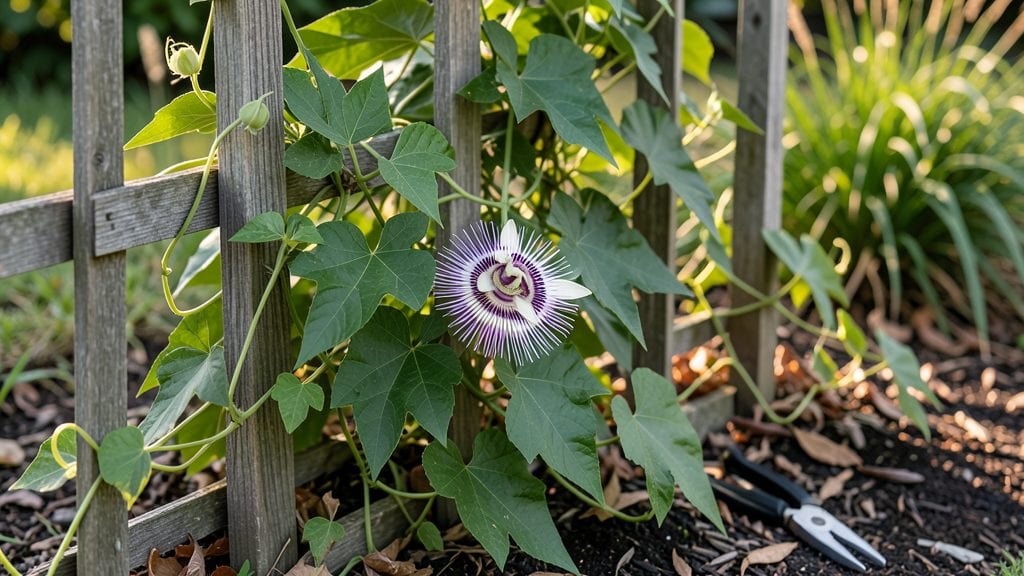
Growing a passion flower plant means inviting hummingbirds to your garden year-round—those exotic blooms with their intricate, velvety petals are nature's own magnet for pollinators. 🌿 I still remember the first time I saw one in full bloom: the way the sunlight caught the deep purple corona, and how the hummingbirds would dart in like tiny, iridescent acrobats.
The secret isn't just in the planting but in creating the right conditions for these tropical vines to thrive, whether you're growing them outdoors in warm climates or coaxing them along indoors with a little extra care.
The key to success starts with well-draining soil and a sunny spot—passion vines need at least 6 hours of direct sunlight daily to produce those showstopping flowers.
For outdoor plants, a trellis or sturdy fence gives them something to climb, while indoor growers can use a sturdy stake or hanging basket. Watering is where most people trip up: keep the soil consistently moist but never soggy, and you'll encourage steady growth without the risk of root rot.
The right variety matters too—some, like Passiflora caerulea, handle cooler climates, while others, like Passiflora edulis, thrive in heat and need winter protection.
By summer, you'll be rewarded with clusters of blooms that open for just a day—each one a fleeting masterpiece that hummingbirds can't resist. The foliage stays lush and tropical, and with proper pruning (cutting back leggy growth in early spring), your plant will keep producing flowers well into fall.
Even in colder zones, a well-cared-for passion vine can surprise you with blooms in summer months, making it one of the most rewarding plants for impatient gardeners. The best part? Every bloom is a chance to witness nature's pollinators at work up close.
Whether you're starting from seed, propagating cuttings, or nurturing a nursery-bought vine, the principles stay the same: give it room to grow, protect it from pests like spider mites, and don't skimp on sunlight.
The payoff isn't just beautiful flowers—it's the hum of wings and the knowledge that you've created a tiny ecosystem right in your garden. Ready to get started? Let's dive into the specifics that'll turn your passion vine into a hummingbird haven.
📚 In This Guide
- What you need
- Instructions
- Tips and common mistakes
- Wrapping up and next steps
What you need
- ● Passion flower plant (choose from varieties like Passiflora caerulea or Passiflora incarnata—check local climate suitability!)
- ● Well-draining potting mix (or garden soil amended with compost or perlite for aeration). Pro tip: Avoid heavy clay soil!
- ● Container or garden bed: For containers: 1–2 gallon pots (with drainage holes) per plant.
- ● For in-ground planting: Full sun spot (6+ hours/day) with space to sprawl (6–10 ft for vines).
- ○ Support structure (optional but recommended): Trellis, arbor, or fence (6–10 ft tall for climbing varieties).
- ● Sturdy stakes or cages (for bushier types like Passiflora edulis).
- ● Garden trowel or shovel (for transplanting).
- ● Pruning shears (sterilized with rubbing alcohol).
- ● Watering can or hose with a gentle spray nozzle.
- ● Mulch (straw, wood chips, or pine bark to retain moisture).
- ● Fertilizer (balanced 10-10-10 or organic options like fish emulsion or compost tea). Pro tip: Feed lightly in spring/summer!
- ○ Optional extras: Hummingbird feeders (to attract pollinators while plants establish!).
- ● Slow-release fertilizer tablets (for containers).
- ● Pest control (neem oil or insecticidal soap for aphids/mealybugs).
Step-by-Step guide for planting and caring for passion flower vines
Here's how to establish a thriving passion flower vine that hummingbirds will adore.
🌱 Step 1: Choose and Prepare the Planting Site
Passion flowers thrive in full sun to partial shade—at least 6 hours of direct sunlight daily. They love warmth but tolerate light afternoon shade in hot climates. I always pick a spot with a sturdy trellis or fence nearby since these vines can grow 10-20 feet in a season.
Work 2-3 inches of compost into the top 6 inches of native soil to improve drainage and fertility. Passion flowers hate soggy roots, so if your soil stays wet, amend with sand or perlite to lighten it. A slightly acidic to neutral pH (6.0-7.5) works best—test your soil if possible.
☀️ Step 2: Plant Your Vine at the Right Time and Depth
Plant in early spring after the last frost when soil temperatures reach 60°F. Dig a hole twice as wide as the root ball but no deeper—passion flowers dislike being buried too deep. Gently remove the plant from its container and loosen any circling roots with your fingers.
Place the vine in the hole so the top of the root ball sits just below soil level. Fill around it with native soil mixed with compost, pressing lightly to eliminate air pockets. Water deeply right after planting to settle the soil and encourage root contact.
💧 Step 3: Water and Mulch for Consistent Growth
Keep the soil evenly moist for the first 4-6 weeks—water when the top 2 inches feel dry. Passion flowers develop deep roots, so deep watering (every 2-3 days in hot weather) is better than frequent light watering. Avoid wetting the leaves to prevent fungal diseases.
Spread 2-3 inches of organic mulch (like wood chips) around the base, keeping it 3 inches away from the stem. Mulch conserves moisture, regulates soil temperature, and discourages weeds. Replenish mulch annually as it breaks down.
✂️ Step 4: Prune and Train for Maximum Blooms
Prune in late winter or early spring before new growth begins. Remove dead, damaged, or crossing branches first. Then cut back one-third of the previous year's growth to encourage bushier, more productive vines. I always prune just above a leaf node where new growth can emerge.
Train vines onto their support structure by gently tying them with soft twine or plant clips. Passion flowers climb using tendrils, so redirect growth as needed. Deadhead spent blooms regularly to redirect energy into new flowers—this keeps the vine producing year-round in warm climates.
Tips & tricks for perfect passion flower plant care
Here's what I've learned after years of growing these stunning vines that attract hummingbirds all season long.
Sunlight Strategy: While passion flowers need that 6 hours of direct sunlight daily, I've found they actually perform best with morning sun and afternoon shade in hot climates. The key is to avoid the harsh midday sun that can scorch the leaves—especially in Step 1 when choosing your planting site. If you notice leaves turning yellow, they're getting too much sun.
Soil Secrets: The 2-3 inches of compost mixed into the top 6 inches of soil is non-negotiable for these plants. I always add a handful of worm castings too—it gives them that extra boost of nutrients without overdoing it. If your soil is naturally heavy clay, mix in some perlite right at planting to improve drainage, which is especially important in Step 1 when preparing the site.
Watering Wisdom: Those first 4-6 weeks are critical for establishing roots. I've ruined plants by either underwatering or overwatering during this period. The trick is to water deeply every 2-3 days in hot weather, but only when the top 2 inches of soil feel dry. Use your finger to check—it's the most reliable method. In Step 3, this consistent moisture is what helps those deep roots develop properly.
Pruning Pro Tip: When you're pruning in Step 4 to cut back one-third of last year's growth, look for those small buds where new growth emerges. Cut just above these nodes at a 45-degree angle—this encourages bushier growth and more flowers. I always prune on a dry day to prevent fungal issues from spreading through fresh cuts.
Pro Tips for Passion Flower Plant
- Here's what I've learned after years of growing these stunning vines that attract hummingbirds all season long.
- Sunlight Strategy: While passion flowers need that 6 hours of direct sunlight daily, I've found they actually perform best with morning sun and afternoon shade in hot climates.
- Soil Secrets: The 2-3 inches of compost mixed into the top 6 inches of soil is non-negotiable for these plants.
Frequently asked questions
Got questions about growing passion flower plants?
You’re not alone! Here are some of the most common queries—plus the answers to help you cultivate a thriving hummingbird magnet in your garden.
How fast does a passion flower plant grow?
Passion flowers are fast growers! With ideal conditions (full sun, well-draining soil, and regular watering), they can reach 6–10 feet per year. Vines may sprawl aggressively, so provide sturdy trellises or supports early to guide their growth. Prune in late winter to control size and encourage bushier blooms.
When is the best time to plant passion flower seeds or cuttings?
For seeds, start indoors 8–10 weeks before your last frost (they germinate slowly—be patient!). Transplant seedlings after the soil warms (around 70°F+). For cuttings, propagate in spring or early summer when new growth is vigorous. Root in moist perlite or water until established.
Why aren’t my passion flowers attracting hummingbirds?
Hummingbirds love passion flowers, but a few things might deter them:
- Lack of nectar: Ensure your plant is blooming (fertilize lightly in spring with a low-phosphorus feed).
- No water source: Add a shallow birdbath nearby.
- Predators: Keep cats indoors and avoid pesticides.
- Timing: Hummingbirds visit dawn to dusk—observe their flight paths!
Can passion flowers survive winter in cold climates?
Most passion flowers are tender perennials and die back in frost. In USDA Zones 7–11, they thrive year-round; below Zone 7, treat them as annuals or dig up tubers to overwinter indoors. For hardier varieties (like Passiflora caerulea), mulch heavily and protect with burlap in freezing temps.
What can I do if my passion flower leaves turn yellow?
Yellow leaves usually signal overwatering or nutrient deficiencies. Check your soil:
Too wet? Passion flowers hate soggy roots—ensure pots have drainage holes and soil dries slightly between waterings.
Nitrogen deficiency? Feed with a balanced fertilizer (10-10-10) in spring.
Pests? Inspect for aphids or spider mites (spray with neem oil if needed).
Pro tip: Yellowing on older leaves is normal—focus on new growth!Wrapping up and next steps
Growing a passion flower plant is a rewarding journey that brings beauty, tranquility, and a buzzing hummingbird haven to your garden! 🌸 With its year-round blooms and low-maintenance nature, it’s the perfect addition for any green thumb—whether you're a beginner or a seasoned gardener.
Whether you’re drawn to its stunning flowers or the joy of attracting pollinators, this plant proves that nature’s wonders are always within reach.
Now that you’re armed with the know-how, take the next step—plant your passion flower today! Start small, experiment with varieties, and watch your garden transform into a vibrant, living masterpiece. Happy gardening! 🌿✨