Flowers
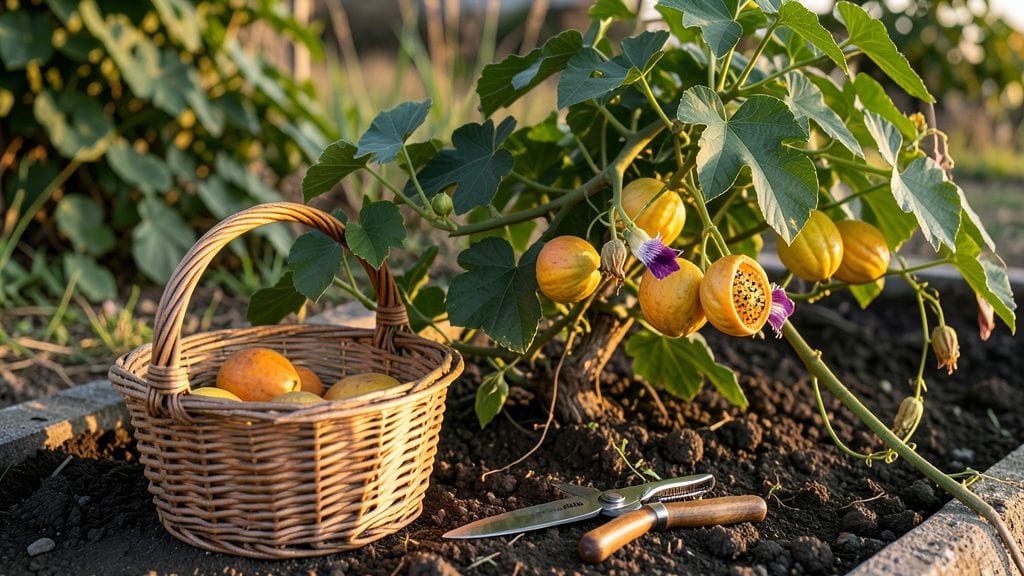
Growing passion flower vine fruit in the Pacific Northwest means sweet, tropical-tasting harvests and a hummingbird magnet in just two seasons. 🌿 The key is starting with hardy varieties like Passiflora edulis that thrive in cooler climates—these aren’t your grandma’s delicate tropical vines.
I’ve grown mine in Zone 7 for three years now, and the secret isn’t just the right soil or sun spot, but understanding how these vines actually grow here.
You’ll need a sturdy trellis (they can climb 20 feet!) and well-draining soil mixed with compost—think rich, slightly acidic, and never soggy. The vines grow fast, but they’re picky about warmth: plant after your last frost, and give them a microclimate if your summers are cool.
My first vine produced fruit in its second year, and now it’s a hummingbird buffet by early summer.
Pruning is where the magic happens for fruit production—cut back leggy growth in early spring to encourage bushier vines with more flowers. The fruit starts as tiny green balls and ripens to purple when ready (yes, they’re edible, and they taste like a mix of citrus and pineapple).
With proper care, you’ll harvest 10-20 fruits per vine—enough to share with neighbors or freeze for smoothies.
Even in our rainy climate, these vines handle pests better than most—just watch for spider mites in dry spells and aphids on new growth. The real reward? Watching hummingbirds dart between the flowers while you wait for those vibrant fruits to ripen. Let’s get those vines growing!
📚 In This Guide
- What you need
- Instructions
- Tips and common mistakes
- Wrapping up and next steps
What you need
- ● Passion flower vine seeds or cuttings: Seeds: 10–20 (for multiple plants or backup growth)
- ● Cuttings: 3–5 healthy, 4–6 inch stems (from a mature vine)
- ● Potting soil: 1–2 bags (well-draining, organic mix—look for peat-free options for PNW sustainability)
- ● Containers or garden bed: Containers: 5–7 gallon pots (with drainage holes) for young vines
- ● Garden bed: Full sun (6+ hours/day) or partial shade (morning sun, afternoon shade for hotter PNW summers)
- ● Support structure: Trellis, arbor, or fence (6+ feet tall for vigorous climbing)
- ● Fertilizer: Balanced organic fertilizer (10-10-10 or compost tea) for planting + slow-release granules
- ● Mulch: 2–3 inches of wood chips or straw to retain moisture
- ● Watering can or hose with nozzle: For gentle, deep watering (1–2 gallons per plant weekly)
- ● Pruning shears: Sharp, sterilized shears for trimming
- ● Hummingbird feeder: To attract pollinators while your vine establishes
- ● Epsom salt (magnesium sulfate): 1 tablespoon per gallon of water for foliar spray (boosts growth)
- ● Row covers: For young plants if late frosts are expected (PNW tip: passion vines tolerate light frost but hate soggy soil!)
- ● Pest control: Neem oil or insecticidal soap (for aphids or spider mites)
- ● Garden journal: To track growth, blooms, and fruit production
Step-by-step guide to growing passion flower vine fruit in the Pacific Northwest
This is the quickest way to establish a thriving vine that blooms early and attracts hummingbirds all season.
🌱 Step 1: Choose the Right Variety and Planting Site
Passionflower vines thrive in the Pacific Northwest's mild climate, but select a hardy variety like Passiflora incarnata (maypop) or Passiflora caerulea (blue passionflower). These varieties handle cooler summers better than tropical types. Plant in full sun to partial shade—at least 6 hours of sunlight daily—but protect from harsh afternoon sun in hotter inland areas.
Here's the thing—passionflower vines need support from day one. Install a 6-8 foot tall trellis, fence, or arbor near your planting spot. The vine will grow 10-15 feet per season, so secure the structure firmly. I always bury the support posts 12 inches deep to prevent tipping when vines get heavy with fruit.
🪴 Step 2: Prepare Soil and Plant Your Vine
Passionflower prefers well-draining, slightly acidic soil (pH 6.0-7.0). Mix 2-3 inches of compost into the top 12 inches of native soil at the planting site. If your soil is heavy clay, add 1 part perlite or coarse sand to improve drainage. The vine's roots spread aggressively, so avoid planting near sidewalks or driveways.
Dig a hole twice as wide as the root ball but only as deep as the container. Remove the vine from its pot and loosen any circling roots gently with your fingers. Position the vine so the top of the root ball sits just below soil level—burying too deep causes rot. Backfill with native soil and water deeply to settle everything.
☀️ Step 3: Water and Fertilize for Fast Establishment
Water deeply 2-3 times per week for the first 4-6 weeks until the vine shows new growth. You'll know it's enough when water runs out the drainage holes but doesn't pool on the surface. After establishment, water once weekly during dry spells—passionflower is drought-tolerant once rooted but produces better fruit with consistent moisture.
Feed with a balanced 10-10-10 fertilizer when new leaves appear in early spring. Apply ½ cup per plant and water in well. Repeat every 6-8 weeks through summer. I switch to a low-nitrogen, high-phosphorus fertilizer (5-10-10) when flowers appear to encourage fruit set. Stop fertilizing by mid-August to allow vines to harden off for winter.
✂️ Step 4: Prune for Health and Fruit Production
Prune in early spring before new growth begins. Remove dead, damaged, or crossing branches first. Then cut back last year's growth by ⅓ to encourage bushier growth. This is where it gets fun—watch for new shoots emerging from the base in spring. These will become your main fruiting stems.
During the growing season, pinch back new growth tips when they reach 12-18 inches to promote branching. This creates more flower clusters, which means more fruit. Remove any suckers growing below the graft union (if using grafted varieties) to maintain vigor. I always leave 3-5 main stems for best fruit production—more stems mean fewer but smaller fruits.
🌿 Step 5: Support and Harvest for Continuous Production
As the vine grows, tie new growth to the trellis every 2-3 feet using soft plant ties. This prevents wind damage and keeps the structure tidy. Passionflower fruits take 8-12 weeks to mature after flowering, so patience is key. You'll know they're ready when the fruit changes from green to its mature color (purple, blue, or yellow depending on variety) and feels slightly soft when gently squeezed.
Harvest by twisting gently until the fruit separates from the vine. Wear gloves—passionflower vines have small thorns that pack a punch! Store harvested fruit in the fridge for up to 1 week. The real reward? Watching hummingbirds and butterflies visit your vine daily as they pollinate the flowers. In the PNW, you'll often see Anna's hummingbirds zipping between vines.
Tips & tricks for growing passion flower vine fruit
Let me save you the trial-and-error I went through—these are the game-changing details that make all the difference with your Pacific Northwest passionflower vine.
Variety Selection: If you're in cooler coastal areas, go for Passiflora incarnata—it handles the damp summers better than Passiflora caerulea. For inland spots with hotter summers, the blue passionflower thrives with afternoon shade. I've seen Passiflora incarnata produce fruit even in Seattle's cooler summers, while Passiflora caerulea struggles to set fruit in Portland's hotter inland areas without protection.
Support System: That 6-8 foot trellis isn't just decoration—it's essential. I learned this the hard way when my first vine collapsed under fruit weight and snapped at the base. Bury those support posts 12 inches deep and use metal stakes for extra stability. For windy coastal areas, consider adding guy wires to prevent tipping. The vine's aggressive growth means it'll need that support within weeks, not months.
Soil Preparation: Don't skip the compost! Mixing 2-3 inches into the top 12 inches of soil creates the perfect environment for root establishment. If your soil tests above pH 7.0, add sulfur or peat moss to bring it down to that 6.0-7.0 range. I've seen vines in alkaline soil struggle to establish, even with all other conditions perfect.
Watering Strategy: That 2-3 times per week watering schedule is crucial during establishment. Use a rain gauge or tuna can to measure—about 1 inch of water per week is ideal. In containers, water until it runs out the drainage holes. The key is keeping the soil consistently moist but not soggy during those first 4-6 weeks until you see new growth.
Pro Tips for Passion Flower Vine Fruit
- Let me save you the trial-and-error I went through—these are the game-changing details that make all the difference w...
- Variety Selection: If you're in cooler coastal areas, go for Passiflora incarnata—it handles the damp summers better ...
- Support System: That 6-8 foot trellis isn't just decoration—it's essential. I learned this the hard way when my first...
Frequently asked questions
How fast does passion flower vine fruit grow in the Pacific Northwest?
The passion flower vine (Passiflora spp.) is a fast grower—expect 6–10 feet of growth per season in ideal PNW conditions (mild winters, warm summers). With proper support (like trellises or arbors), it can cover structures quickly, but growth slows in cooler, cloudy summers. Prune in late winter to encourage bushier, fruit-bearing vines!
Are passion flower vines truly hummingbird magnets?
Hummingbirds love passion flowers for their nectar-rich blooms. Plant varieties like Passiflora incarnata (maypop) or Passiflora caerulea (blue passionflower) to attract these tiny pollinators. Bonus: The fruit (passion fruit) later feeds birds and small mammals. A win-win for your garden ecosystem!
When and how do I harvest passion fruit?
Harvest passion fruit when it’s fully ripe—usually late summer to fall (August–October in the PNW). Look for vibrant color (purple, yellow, or orange, depending on the variety) and a slightly soft texture. Twist gently to detach the fruit from the vine. Pro tip: Wear gloves—some varieties have prickly stems!
Can I grow passion flower vine fruit in containers?
Yes! Use a large container (at least 15–20 gallons) with well-draining soil and place it in full sun. Dwarf varieties like Passiflora edulis (passion fruit) work well. Just ensure the container stays warm (bring it indoors if frost threatens) and fertilize regularly. Containers limit root spread but still produce stunning flowers and fruit!
What pests or diseases should I watch for in PNW gardens?
Common issues include aphids (sap-sucking pests), spider mites (in dry heat), and fungal diseases like powdery mildew (from humidity). Solution: Spray vines with neem oil or insecticidal soap early. Improve airflow by pruning and avoid overhead watering. Most passion vines are hardy, but watch for root rot in soggy soil.
Wrapping up and next steps
Transforming your Pacific Northwest garden into a vibrant hummingbird haven with passion flower vine fruit is simpler—and more rewarding—than you might think! 🌿 These fast-growing vines not only add beauty but also support local wildlife while offering a unique harvest.
Whether you're drawn to their striking blooms, medicinal benefits, or the joy of attracting pollinators, this plant is a game-changer for any green thumb.
Ready to dive in? Start small—plant a single vine in a sunny spot and watch it thrive. Then, share your progress or tips with fellow gardeners! Who knows? You might inspire others to create their own hummingbird-friendly oases too. Happy gardening! 🌸