
Flowers
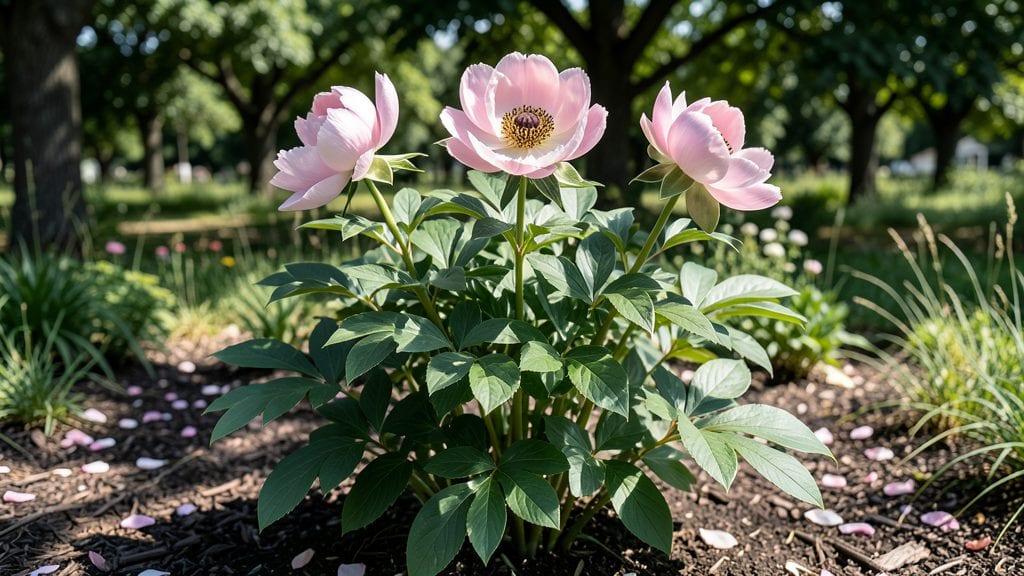
Designing a peony flower bed that thrives in the Pacific Northwest’s damp, cool climate means choosing the right varieties and placement to beat the frost. ✨ I’ve learned that the secret isn’t just the peonies themselves—it’s how you pair them with evergreens and perennials that hold up through winter.
The right bed can become the showstopper of your garden, blooming reliably year after year even when other flowers fade.
The key starts with soil: peonies hate soggy roots, so raised beds or well-draining soil with a 3-inch layer of compost works best. Space plants 3 to 4 feet apart—crowding leads to fewer blooms and disease.
Add fertilizer once a year in early spring, and mulch with wood chips to protect roots in winter. For color, mix pink ‘Sarah Bernhardt’ with deep red ‘Duchesse de Nemours’ for a dramatic contrast that stands out against the rain.
By late May, your bed will burst into lush, velvety blooms that last for weeks, drawing hummingbirds and bees. The foliage stays green until frost, providing structure even when flowers fade.
With minimal deadheading and winter protection, these peonies will outlast trendy annuals, becoming a timeless focal point that requires almost no work after the first year.
Works in any Pacific Northwest yard—whether you have a sunny border or a partially shaded spot. The real magic? These beds look effortless, but the payoff is years of bold, frost-resistant starbursts that no other plant delivers. Let’s get yours started!
📚 In This Guide
- What you need
- Instructions
- Tips and common mistakes
- Wrapping up and next steps
What you need
- ● Peony plants: 9–12 Heritage or Sarah Bernhardt varieties (bare-root or potted, zones 3–8 for PNW resilience).
- ● High-quality garden soil: 2–3 cubic yards (amend with compost for drainage).
- ● Organic mulch: 2–3 inches of wood chips or straw (protects roots from winter frost).
- ● Slow-release fertilizer: 5–10 lbs of 10-10-10 or bone meal (boosts blooms).
- ● Garden shovel & spade: For digging holes (12–18" deep, 2x wider than roots).
- ● Garden fork: Loosens compacted soil (especially in PNW clay-heavy areas).
- ● Wheelbarrow: Mixes soil amendments (1–2 cubic feet capacity).
- ● Pruners: Trims dead foliage post-bloom (sterilized to avoid disease).
- ● Measuring tape & gloves: Ensures proper spacing (2–3 ft between plants).
- ● Peony rings: Metal hoops to support heavy blooms (if stems flop in rain).
- ● Drip irrigation kit: Keeps roots consistently moist (PNW’s damp climate can still dry out soil).
- ● Epsom salt: 1 tbsp per plant (boosts magnesium for vibrant blooms).
- ● Garden fabric: Under mulch to suppress weeds (especially in shady spots).
Step-by-Step instructions for designing a stunning peony flower bed
Here's how to create a breathtaking, low-maintenance peony display that thrives in the Pacific Northwest's cool climate.
🌱 Step 1: Choose and Prepare the Perfect Planting Site
Peonies need full sun—at least 6-8 hours daily—but they tolerate partial shade in hotter regions. In the Pacific Northwest, select a spot that gets morning sun and afternoon dappled light if possible. Avoid low-lying areas where cold air settles, as peonies are hardy but prefer good air circulation.
Test your soil's drainage by digging a 12-inch deep hole. If water pools after 30 minutes, amend the soil with 2-3 inches of compost or organic matter to improve drainage. Peonies hate soggy roots, which leads to rot. The ideal soil pH is 6.5-7.0, so test it and adjust with lime if needed.
🪴 Step 2: Plant Peony Crowns at the Right Depth and Spacing
Peony "eyes"—the buds where new growth emerges—must be planted 1-2 inches below soil level. If planted too deep, they won’t bloom; too shallow, and they’ll flop. Dig holes 2 feet apart for single plants or 3 feet apart for larger varieties to give roots room to spread.
Place the peony crown in the hole with the eyes facing upward. Backfill with native soil, pressing gently to eliminate air pockets. Water deeply to settle the soil and encourage root contact. Mulch with 2-3 inches of organic mulch (like shredded bark) to retain moisture and regulate soil temperature—critical in the PNW’s fluctuating seasons.
☀️ Step 3: Establish a Support System for Tall Varieties
Many peony varieties grow 3-4 feet tall, so install sturdy peony rings or bamboo stakes at planting time to support stems as they grow. Drive stakes 6 inches deep around each plant, leaving enough space for the foliage to fill in. This prevents stems from flopping over in wind or rain, which is common in the Pacific Northwest.
Here’s the thing—don’t wait until flowers appear to add support. By the time buds form, the stems are already heavy with moisture and growth. Install supports immediately after planting and adjust as the plant matures. You’ll thank yourself when the first blooms arrive without a single stem collapsing.
💧 Step 4: Water and Fertilize for Long-Term Health
Water peonies deeply once a week during the first growing season to encourage deep root development. Once established, they’re drought-tolerant but still need 1 inch of water weekly during dry spells. Water at the base, avoiding the foliage to prevent fungal diseases like botrytis, which thrives in the PNW’s humid climate.
Fertilize lightly in early spring with a balanced, slow-release fertilizer (10-10-10) at half strength. Avoid high-nitrogen fertilizers, which promote leafy growth at the expense of blooms. Peonies are slow to establish—3-5 years before they reach peak performance—so patience pays off. I like to side-dress with compost in fall to build soil fertility naturally.
✂️ Step 5: Prune and Maintain for Seasonal Beauty
Cut back faded blooms to 2 inches above the first set of healthy leaves after flowering to encourage more blooms next year. Never cut back the entire stem—peony leaves feed the roots for next season’s growth. In late fall or early winter, trim stems to 1-2 inches above ground level once they’ve turned brown.
Real talk: Peonies are low-maintenance, but they do need occasional division every 5-7 years to prevent overcrowding. Dig up clumps in early fall, separate the roots, and replant the healthiest sections. This rejuvenates the bed and ensures vibrant blooms for decades—peonies can live 100 years with proper care!
Tips & tricks for perfect peony flower beds
These pro tips will help you create a show-stopping peony display that thrives in the Pacific Northwest's unique climate.
Sunlight Strategy: While peonies need that crucial 6-8 hours of sun daily, don't overlook the PNW's afternoon cloud cover. If your site gets intense afternoon sun, consider planting varieties like 'Sarah Bernhardt' that handle heat better. For shadier spots, choose 'Bowl of Beauty'—it tolerates partial shade while still delivering stunning blooms. Remember, morning sun is your best friend here.
Soil Test Timing: That 30-minute water test for drainage is critical, but don't rush it. Dig your hole when the soil is slightly damp—not bone dry, not sopping wet. The ideal time is after a light rain when the top 2 inches have dried but moisture remains deeper. This gives you the most accurate reading of your site's natural drainage patterns.
Support System Pro Tip: When installing those 6-inch deep stakes in Step 3, place them slightly off-center from the plant rather than directly beside it. This gives you more room to maneuver when the stems mature, preventing accidental damage. I've learned this the hard way after knocking over perfectly good supports during maintenance!
Fertilizer Timing: That early spring application of half-strength 10-10-10 fertilizer is perfect, but here's what nobody tells you—peat moss makes an excellent mulch around peonies. Spread a 1-inch layer after fertilizing to lock in moisture and gradually release nutrients. Just avoid piling it against the stems to prevent rot.
Pro Tips for Peony Flower Bed
- These pro tips will help you create a show-stopping peony display that thrives in the Pacific Northwest's unique climate.
- Sunlight Strategy: While peonies need that crucial 6-8 hours of sun daily, don't overlook the PNW's afternoon cloud cover.
- Soil Test Timing: That 30-minute water test for drainage is critical, but don't rush it.
Frequently asked questions
Got questions about creating a stunning peony flower bed in the Pacific Northwest?
Here are some of the most common ones—plus answers to help you design with confidence!
When is the best time to plant peonies in the PNW?
Plant peonies in early fall (September–October) or late winter (February–March) before buds swell. The PNW’s mild winters give peonies time to establish roots before spring blooms. Avoid planting in summer or late fall—roots need cool soil to thrive!
Are peonies really frost-resistant in the PNW?
Peonies are hardy in USDA Zones 3–8, making them perfect for the PNW’s chilly winters. They need cold dormancy to rebloom yearly. Just ensure they get full sun (6+ hours/day) and well-draining soil—frost won’t bother them!
What’s the ideal spacing for peony flower beds?
Space peonies 3–4 feet apart for herbaceous types or 4–5 feet for tree peonies. This prevents overcrowding, improves airflow (reducing disease), and lets each plant show off its lush blooms. Pro tip: Group in odd numbers (3, 5, 7) for a natural, balanced look!
How do I protect peonies from pests in the PNW?
Peonies are generally pest-resistant, but watch for leaf miners, aphids, or bud blight. Neem oil or insecticidal soap works for soft-bodied pests. For fungal issues, prune infected stems immediately and avoid overhead watering. Healthy soil (rich in compost) keeps them strong!
Can I mix peonies with other flowers in my bed?
Yes! Pair peonies with daylilies, lavender, or ornamental grasses for texture. Avoid aggressive spreaders like mint or plants needing heavy shade. For a PNW-friendly combo, try peonies + salvia + Russian sage—they thrive in similar conditions!
Wrapping up and next steps
A peony flower bed brings timeless beauty and resilience to your Pacific Northwest garden, thriving even in cooler climates. With the right soil, sunlight, and care, these frost-resistant blooms will reward you with lush, romantic displays year after year. 🌸
Now that you’re equipped with the how-to and answers to common questions, it’s time to roll up your sleeves! Start by sketching your design, gathering supplies, and picking out those stunning peony varieties. Your dream garden is just a shovel’s throw away—let’s make it bloom!