
Flowers
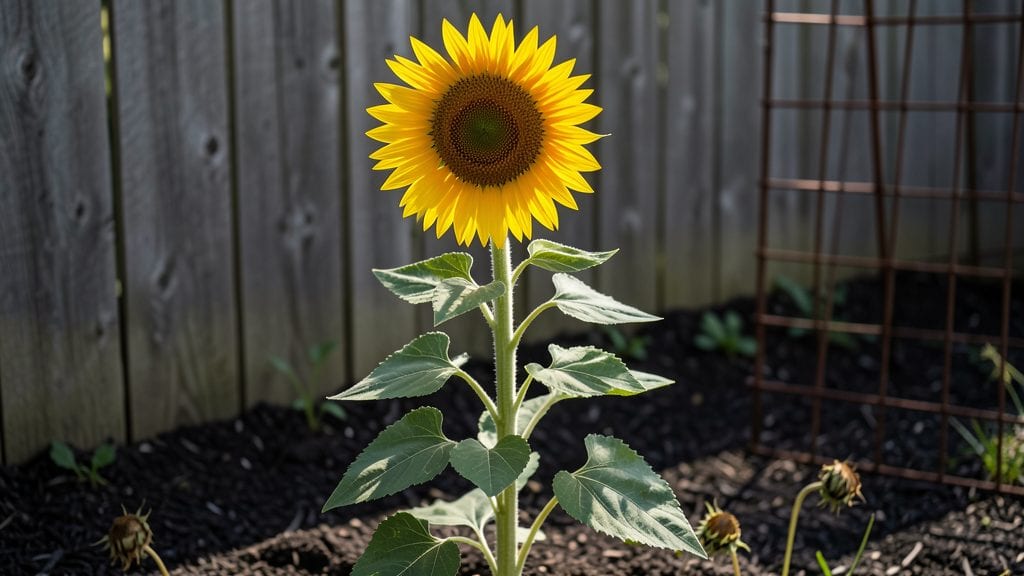
These sun-loving stalwarts grow 6-10 feet tall, their deep green foliage forming a striking base for blooms in gold, bronze, or even deep red—far beyond the classic yellow—while pictures of perennial sunflowers capture their breathtaking height and bold beauty. familiar orange.
Unlike their annual cousins, they return year after year, creating a pollinator superhighway that hums with bees and butterflies from early summer through fall.
Their versatility makes them perfect for border edges, wildflower meadows, or even large containers. In my own garden, I planted them along the fence line where they cast dappled shade over a seating area while still drawing the eye upward.
The foliage stays lush and upright, so they don’t flop like some tall perennials—just bold, structural beauty that works in both formal and cottage-style gardens.
What really sells me is how they transform a space with minimal effort. A single clump multiplies over time, filling gaps naturally while providing cut flowers that last weeks in a vase.
The seed heads add winter interest too, their dried blooms catching snowflakes like nature’s own decorations. Once established, they’re drought-tolerant and thrive in poor soil—ideal for low-maintenance landscapes.
Whether you’re designing a pollinator-friendly meadow or just want a showstopping focal point, perennial sunflowers deliver height, color, and wildlife benefits all season long. The best part? They grow back bigger and better each year, proving that some things in gardening just get more beautiful with age.
📚 In This Guide
- What you need
- Instructions
- Tips and common mistakes
- Wrapping up and next steps
What you need
- ● Perennial sunflower seeds or seedlings: Choose cold-hardy varieties like Helianthus species (e.g., H. annuus or H. maximiliani). Buy 5–10 seeds for a small garden or 20+ seeds for a full pollinator-friendly display.
- ● Well-draining soil: Mix 2 parts garden soil with 1 part compost or sand (perennial sunflowers hate soggy roots!). Aim for a pH of 6.0–7.5.
- ● Sunlight access: A spot with full sun (6+ hours daily)—perennial sunflowers thrive in open, sunny areas.
- ● Watering can or hose: With a gentle spray nozzle to avoid disturbing seedlings.
- ● Garden trowel or transplanting spade for digging holes (depth: 1–2 inches for seeds, 12+ inches for seedlings).
- ● Mulch (straw or wood chips) to retain moisture and suppress weeds.
- ○ Fertilizer (optional): A balanced 10-10-10 or low-phosphorus formula (apply lightly at planting time).
- ● Stakes or cages (for tall varieties like H. giganteus) to support stems in windy areas.
- ● 🌡️ Timing: Plant seeds 4–6 weeks before your last frost (perennial sunflowers are frost-tolerant!).
- ● 🎯 Spacing: Give plants 12–36 inches apart (check your variety’s mature size).
- ● 🔥 Pollinator bonus: Plant in clusters to attract bees, butterflies, and birds year-round!
How to cultivate perennial sunflowers for year-round height and pollinator appeal
Here's how to establish these striking perennials for seasonal structure and wildlife support.
Select the Right Varieties for Your Climate
Perennial sunflowers thrive in zones 3-9, but choose varieties matched to your region. Tall varieties like Helianthus maximiliani reach 8-10 feet and dominate borders, while dwarf types (Helianthus debilis) stay under 2 feet—ideal for pollinator patches. I always verify cold hardiness on the tag, as some varieties need winter mulch to survive freezing temperatures.
Look for disease-resistant strains if your area has powdery mildew issues. The 'Lemon Queen' cultivar, for example, handles humidity well while still attracting bees and butterflies. Planting a mix of heights creates visual layers and extends the bloom season from early summer through fall.
Prepare the Planting Site for Long-Term Growth
Sunflowers demand full sun (6+ hours daily) and well-draining soil with a pH between 6.0 and 7.5. Test your soil first—amending with compost improves fertility without overloading nitrogen, which causes weak stems. I dig in 2-3 inches of compost mixed with the top 6 inches of native soil for each planting spot.
Space mature plants 3-5 feet apart to prevent overcrowding, which leads to fungal diseases. If planting in containers, use 15-gallon pots for tall varieties and 5-gallon pots for dwarf types. Ensure pots have drainage holes—root rot is the fastest way to kill these hardy plants.
Plant and Establish for Season-Long Performance
Set bare-root plants or container-grown specimens at the same depth they were previously growing. Press soil firmly around the roots to eliminate air pockets, then water deeply until moisture reaches 12 inches down. You'll see new growth within 7-10 days if conditions are right.
Apply a 2-inch layer of mulch (straw or shredded leaves) around the base to retain moisture and suppress weeds. Avoid piling mulch against stems—keep it 2 inches away to prevent rot. Water 2-3 times weekly during the first growing season, always checking that the top 2 inches of soil stay moist but not soggy.
Prune and Maintain for Year-Round Structure
Deadhead spent blooms by cutting stems back to the next set of leaves to encourage continuous flowering. I prune lightly in early spring to shape the plant and remove any dead growth from winter. Avoid heavy pruning—sunflowers rely on their foliage for energy storage over winter.
Fertilize lightly in spring with a balanced 10-10-10 formula (1 tablespoon per plant) to support new growth. Too much nitrogen produces lush leaves but fewer blooms. Watch for aphids on new shoots—spray with neem oil if infestations appear, but most pollinators ignore treated plants after 24 hours.
Overwinter for Next Season's Blooms
Cut back stems to 6-12 inches tall in late fall, leaving a few leaves for photosynthesis. Apply a 4-inch layer of mulch around the base to insulate roots from freezing temperatures. In colder climates, add a light frost blanket over the crown if temperatures drop below 10°F for extended periods.
Perennial sunflowers emerge early in spring, often before other perennials. Remove mulch in early March (or when daytime temperatures reach 50°F consistently) to allow new shoots to warm up. You'll see fresh growth within 2-3 weeks—a sure sign they've survived winter.
Tips & tricks for perfect perennial sunflower cultivation
These practical insights will help you transform your garden into a thriving pollinator haven with stunning perennial sunflowers that return year after year.
Variety Selection Insight: When choosing between tall varieties like Helianthus maximiliani (8-10 feet) and dwarf types like Helianthus debilis (under 2 feet), consider your garden layout. I recommend planting at least one 'Lemon Queen' cultivar—its humidity tolerance makes it a reliable performer even in challenging climates. For maximum pollinator appeal, mix heights to create vertical layers that attract different species throughout the season.
Soil Preparation Strategy: The 2-3 inches of compost mixed with topsoil in Step 2 creates the perfect balance of fertility and drainage. I've found that adding a handful of perlite to this mixture further improves aeration, especially in clay-heavy soils. This small adjustment prevents the weak stems that often plague sunflowers in compacted ground.
Establishment Timeline: The 7-10 day window for initial growth mentioned in Step 3 is your best indicator of success. If you don't see new shoots within 14 days, check for proper water penetration—use a moisture meter to verify water reaches 12 inches down. In particularly dry climates, consider installing a drip irrigation system to maintain consistent moisture during this critical phase.
Winter Protection Technique: For the 10°F threshold mentioned in Step 5, I recommend using a breathable frost blanket rather than plastic sheeting. The fabric allows some air circulation while protecting against freezing winds. In my experience, plants with this protection reliably survive temperatures down to 5°F without damage, giving you extra margin for winter fluctuations.
Pro Tips for Pictures Of Perennial Sunflowers
- These practical insights will help you transform your garden into a thriving pollinator haven with stunning perennial sunflowers that return year after year.
- Variety Selection Insight: When choosing between tall varieties like Helianthus maximiliani (8-10 feet) and dwarf types like Helianthus debilis (under 2 feet), consider your garden layout.
- Soil Preparation Strategy: The 2-3 inches of compost mixed with topsoil in Step 2 creates the perfect balance of fertility and drainage.
Frequently asked questions
Got questions about growing perennial sunflowers? You’re not alone! Here are some of the most common queries—plus quick, practical answers to help you cultivate these stunning, long-lived beauties with confidence.
What’s the difference between annual and perennial sunflowers?
Annual sunflowers (like Helianthus annuus) bloom once and die after one season, while perennial sunflowers (such as Helianthus maximiliani or Helianthus tuberosus) return year after year, often growing taller (6–12 feet!) and spreading via roots or rhizomes. Perennials also attract pollinators all season long!
How long does it take for perennial sunflowers to establish and bloom?
Patience pays off! Most perennials take 1–2 years to fully establish from seed or transplant. You’ll see some blooms in the first year, but expect peak performance in year two. Established plants thrive for 5–10 years (or longer) with minimal care—just deadhead spent flowers to encourage more blooms!
Are perennial sunflowers drought-tolerant?
Yes! Once established, these hardy plants love dry conditions and handle drought better than annuals. Water deeply once a week during their first year to help roots grow, but after that, they’re low-maintenance drought warriors. Mulch around the base to retain moisture and keep weeds at bay.
Do perennial sunflowers attract bees and butterflies?
Absolutely!
Perennial sunflowers are magnets for pollinators, including bees, butterflies, and even hummingbirds. Their late-season blooms (summer to fall) provide critical nectar when other flowers fade. Plant them near veggie gardens to boost pollination for your tomatoes, peppers, and more!
How do I divide or propagate perennial sunflowers?
Dividing is easy! In early spring or fall, dig up clumps, separate the roots (each section should have 2–3 shoots), and replant 18–24 inches apart. For Helianthus tuberosus (Jerusalem artichoke), harvest tubers in fall, store them in a cool, dark place, and replant the following spring. Pro tip: Wear gloves—some varieties have spiky leaves!
What pests or diseases should I watch for?
Perennial sunflowers are tough, but keep an eye out for aphids, Japanese beetles, or powdery mildew in humid climates. Treat pests with neem oil or insecticidal soap, and ensure good airflow to prevent mildew. Overwatering or soggy soil can lead to root rot, so drainage is key!
Can I grow perennial sunflowers in containers?
Yes, but choose large pots (at least 12–18 inches wide) with drainage holes. Dwarf varieties like Helianthus ‘Lemon Queen’ work best. Use well-draining soil and fertilize lightly in spring. Note: Container-grown plants may not spread as aggressively as in-ground varieties.
Wrapping up and next steps
Perennial sunflowers are the ultimate low-maintenance superstars—bringing bold beauty, wildlife support, and seasonal joy to your garden without the annual replanting hassle. Whether you’re drawn to their towering Helianthus varieties or their cheerful pollinator appeal, these sun-loving plants prove that height and hardiness go hand in hand. 🌻
Ready to transform your space? Start by browsing stunning pictures of perennial sunflowers for inspiration, then pick your favorite variety to plant. Your garden—and the bees—will thank you!