
Flowers
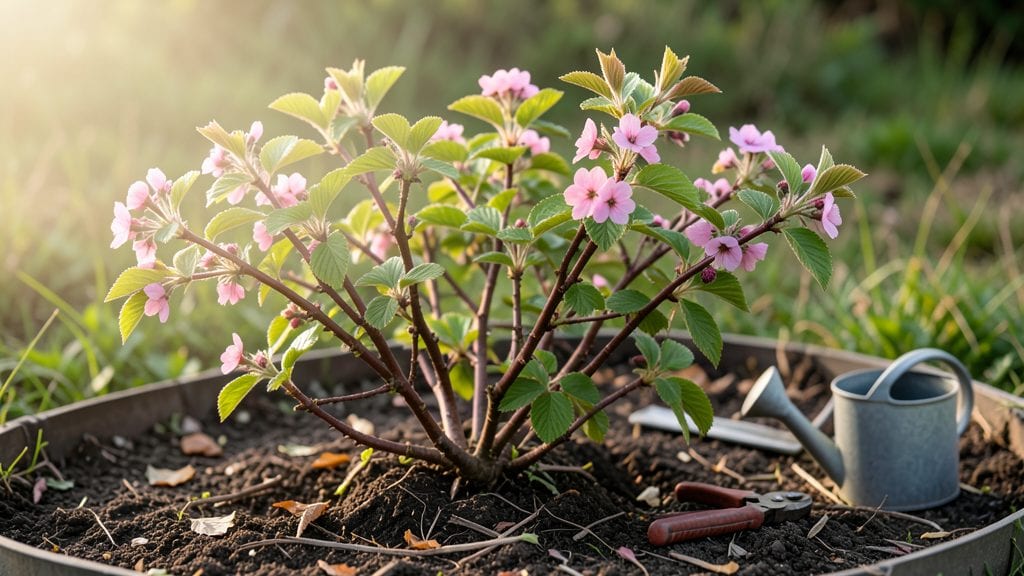
Growing pink blackberry flowers is like inviting a burst of spring to your garden—delicate, fragrant, and packed with pollinator power. These frost-resistant climbers bring a soft blush to early summer, long before the berries even appear.
The 'Pink Icicle' variety is my favorite; its cascading blooms turn any fence or trellis into a living waterfall of color.
You’ll need full sun and well-draining soil to get those vibrant pink flowers thriving. These plants love a little space to spread, so give them at least 6 feet of width and support for their canes.
The key to success? Pruning in late winter to encourage fresh, vigorous growth—those pink blossoms will reward your effort by mid-spring.
Imagine bees buzzing happily around your garden, their wings dusted with pink pollen. The flowers themselves are light and airy, almost like cotton candy on the breeze, and they set the stage for the sweet berries that follow.
With the right care, you’ll have a showstopper that blooms year after year.
Perfect for cottage gardens, trellises, or even container growing in cooler climates. These plants are tough, adaptable, and bring a unique charm to any outdoor space. Let’s get those pink blooms growing!
📚 In This Guide
- What you need
- Instructions
- Tips and common mistakes
- Wrapping up and next steps
What you need
- ● Pink blackberry plant: 1–3 bare-root plants (best for beginners) or potted seedlings (for faster growth).
- ● Look for frost-resistant varieties like 'Pink Panda' or 'Pink Champagne' at local nurseries or online.
- ● Growing location: Full sun (6–8 hours daily) in USDA Zones 5–9 (frost-tolerant but needs winter protection in colder zones).
- ● Well-draining soil (amend with compost if clay-heavy).
- ● Support structure: 1 trellis, arbor, or fence (6–8 ft tall) for climbing canes.
- ○ Optional: wire or twine for securing vines.
- ● 1 garden trowel (for planting).
- ● 1 pruners (sterilized with rubbing alcohol).
- ● 1 gloves (thorn-resistant, like Cooper brand).
- ● 1 watering can or hose with a gentle spray nozzle.
- ● Mulch: 2–3 inches of straw, wood chips, or pine needles (to retain moisture and insulate roots).
- ● Fertilizer: Balanced 10-10-10 or organic compost tea (apply in early spring).
- ● Epsom salt: 1 tbsp dissolved in 1 gallon of water (for magnesium boost, especially in sandy soil).
- ● Row cover or frost cloth (for young plants in Zone 5 winters).
- ● Pollinator-friendly plants nearby (e.g., lavender, bee balm) to attract bees for better fruit set!
Step-by-Step guide to cultivating pink blackberry flowers
Here’s how to grow these vibrant, pollinator-friendly climbers with minimal fuss.
Select and Prepare Your Planting Site
Pink blackberry flowers thrive in full sun to partial shade, with at least 6 hours of direct sunlight daily. Choose a location with well-draining soil—these plants hate soggy roots. If your soil is heavy clay, amend it with 2-3 inches of compost before planting. I always test soil pH first; blackberries prefer a slightly acidic range of 5.5-6.5. If your soil is too alkaline, work in sulfur or peat moss to adjust it gradually.
Blackberries are aggressive climbers, so install a strong trellis or fence at least 8 feet tall before planting. The trellis should be sturdy enough to support 4-6 canes per plant as they mature. Space plants 6-8 feet apart to allow for airflow and prevent disease. Here’s the thing—if you skip the trellis, you’ll spend all summer wrestling with tangled canes instead of enjoying the flowers.
Plant Bare-Root or Container-Grown Blackberries
For bare-root plants, soak the roots in lukewarm water for 1-2 hours before planting to revive them. Dig a hole twice as wide as the root ball but no deeper—blackberries dislike having their crown buried too deeply. This ensures the plant stays stable while allowing roots to spread freely. Gently loosen the roots if they’re circling and position the plant so the top of the root ball sits 1-2 inches below soil level. Backfill with native soil mixed with compost to encourage root growth.
For container-grown plants, remove the pot and inspect the roots. If they’re tightly bound, tease them apart gently with your fingers. Plant at the same depth as the container, then water deeply to settle the soil. Mulch around the base with 2-3 inches of organic mulch (like wood chips or straw) to retain moisture and suppress weeds. Avoid piling mulch against the stem—keep it 2-3 inches away to prevent rot.
Water and Fertilize for Strong Establishment
Water deeply once a week for the first 4-6 weeks to encourage deep root growth. Blackberries are drought-tolerant once established, but young plants need consistent moisture. You’ll know you’re watering correctly when the soil feels damp 2-3 inches below the surface—not soggy, not bone-dry. Overwatering leads to root rot, which is a nightmare to fix later.
Apply a balanced, slow-release fertilizer (like 10-10-10) at planting time, then again in early spring. Avoid high-nitrogen fertilizers—they promote leafy growth at the expense of flowers and fruit. Instead, focus on phosphorus and potassium to support blooming and root development. I swear by a compost tea mid-season to give plants a gentle nutrient boost without risk of burning.
Prune and Train Canes for Optimal Flowering
Pruning is where blackberries really shine. In late winter or early spring, remove all dead, damaged, or weak canes at the base. Keep only the healthiest 4-6 canes per plant—this redirects energy to flower production. New canes (primocanes) will emerge in spring; these are the ones that flower and fruit in the second year. In summer, after harvest, cut back any old canes (floricanes) that have already fruited to make room for next year’s growth.
Train canes along the trellis using soft ties or twine, gently weaving them through the structure. Avoid metal staples—they can damage bark and invite pests. Here’s the moment that matters: Remove any suckers that sprout from the base. These drain energy from the main plant and reduce flowering. A sharp pair of pruners and 10 minutes every few weeks keeps your blackberry tidy and productive.
Protect and Encourage Pollinators
Pink blackberry flowers are a magnet for bees and butterflies, but they need a little help sometimes. If your area has low pollinator activity, hand-pollinate by gently shaking the flowers in the morning when bees are least active. Plant companion flowers like lavender or coneflowers nearby to attract more pollinators—this ensures better fruit set and a more abundant harvest.
Blackberries are surprisingly cold-hardy, but young plants benefit from a thick layer of mulch in winter. This protects roots from freezing and thawing cycles, which can damage tissue. If you’re in a Zone 5 or colder, consider wrapping the base of the plant with burlap or frost cloth during the harshest months. With proper care, your blackberries will reward you with vibrant pink blooms year after year.
Tips & tricks for perfect pink blackberry flowers
Here's what nobody tells you about growing these stunning climbers—lessons I learned after years of trial and error.
Sunlight Strategy: While pink blackberries tolerate partial shade, the 6 hours of direct sunlight mentioned in Step 1 is non-negotiable for vibrant blooms. I've seen plants in dappled shade produce flowers, but they're pale and sparse. Position your trellis where morning sun hits first—this gives the plants the energy boost they need for flowering. If your yard has limited sun, consider a south-facing wall or use reflective surfaces like white fencing to maximize light exposure.
Soil pH Precision: Testing your soil pH before planting (as recommended in Step 1) is worth the small investment. I once planted in soil testing 7.2 without adjusting, and my blackberries produced leaves but almost no flowers. To lower pH naturally, mix in sulfur or peat moss as the instructions suggest, but do it gradually—adding too much at once can shock the plants. A simple pH test kit costs under $10 and saves you from years of frustration.
Trellis Installation: The 8-foot trellis requirement in Step 1 might seem excessive, but trust me on this: I've seen 6-foot trellises collapse under the weight of mature canes. Use T-posts sunk at least 2 feet deep for stability, and attach horizontal wires every 2 feet vertically. This gives your canes multiple points to climb and prevents them from tangling. I also recommend installing the trellis before planting—digging around an existing structure is a headache later.
Pruning Timing: The 10 minutes every few weeks for sucker removal in Step 4 is more important than it sounds. I used to wait until summer, but early intervention in spring redirects energy to flower production. Use clean, sharp pruners and make cuts at a 45-degree angle just above a bud. This encourages new growth while minimizing stress on the plant. Always sterilize your tools with rubbing alcohol between cuts to prevent disease spread.
Pro Tips for Pink Blackberry Flower
- Here's what nobody tells you about growing these stunning climbers—lessons I learned after years of trial and error.
- Sunlight Strategy: While pink blackberries tolerate partial shade, the 6 hours of direct sunlight mentioned in Step 1 is non-negotiable for vibrant blooms.
- Soil pH Precision: Testing your soil pH before planting (as recommended in Step 1) is worth the small investment.
Frequently asked questions
Got questions about growing pink blackberry flowers? You’re not alone! Here are some common queries—and their answers—to help you cultivate these stunning, frost-resistant climbers with confidence.
When do pink blackberry flowers bloom, and how long do they last?
Pink blackberry flowers typically bloom in late spring to early summer (May–June in most U.S. zones), depending on your climate. Each flower lasts 1–3 days, but clusters produce new blooms for 2–4 weeks. For extended blooming, choose varieties like ‘Arapaho’ or ‘Natchez,’ which are known for their reliable flowering.
Can I grow pink blackberry flowers just for their flowers, or do I need to harvest fruit?
While blackberries are prized for their fruit, the pink, showy flowers are a pollinator magnet (bees and hummingbirds love them!). If you’re growing them purely for ornamental value, prune aggressively to redirect energy to flowers instead of berries. Just be prepared for fewer (or no) fruit yields!
How cold-hardy are pink blackberry flowers, and do they need winter protection?
Pink blackberry flowers are frost-resistant down to 0°F (-18°C), but new canes and buds can suffer in harsh winters. For zones < 6, mulch heavily (4–6 inches of straw or leaves) and consider row covers in late fall. Prune damaged canes in early spring to encourage vigorous regrowth.
What’s the best alternative if I can’t grow blackberries in my climate?
If your zone is too hot or cold for blackberries, try these pollinator-friendly alternatives with similar pink blooms:
- Pink hibiscus (Hibiscus rosa-sinensis) – Thrives in zones 5–11, drought-tolerant.
- Butterfly bush (Buddleia davidii) – Hardy to zone 5, attracts hummingbirds.
- Pink clematis – Cold-hardy (zone 3–9) and climbs like blackberries.
Why aren’t my pink blackberry flowers attracting pollinators?
If bees or hummingbirds ignore your flowers, check these fixes:
- Timing: Ensure blooms are fresh (wilted flowers = no nectar).
- Water stress: Drought can reduce nectar production—keep soil moist.
- Pesticides: Avoid sprays; opt for neem oil or soapy water for pests.
- Location: Plant near sunny, wind-protected areas for better visibility.
Wrapping up and next steps
The pink blackberry flower isn’t just a stunning addition to your garden—it’s a low-maintenance, frost-resistant powerhouse that supports pollinators and yields delicious fruit! With the right care, you can enjoy its vibrant blooms and sweet harvests year after year. 🌸
Ready to plant your own? Start by selecting a sunny spot, gathering your supplies, and following the steps above. Before you know it, your garden will buzz with life—and delicious blackberries! Grab your gloves and get growing! 🌱