Shrubs
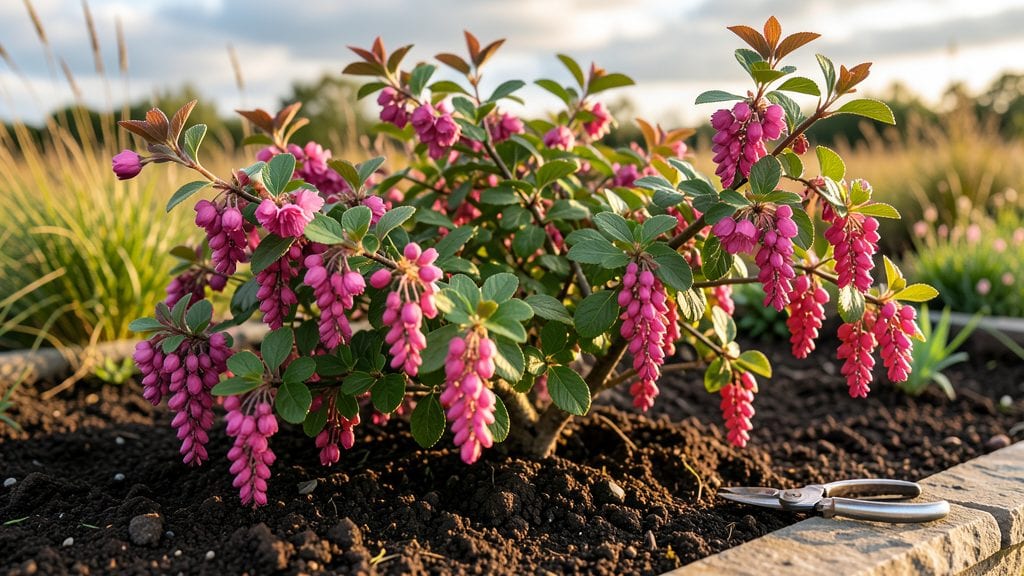
The Pacific Northwest's pink flowering currant (Ribes sanguineum) turns winter into a fragrant spectacle with its vibrant blooms and glossy foliage—something I’ve grown to love after years of battling bare winter gardens.
This hardy shrub thrives where others falter, offering frost-proof beauty that brightens even the coldest months with its starburst clusters of pink, red, or white flowers. The scent alone—sweet and spicy—makes it worth every inch of space in my yard.
Plant it where it gets morning sun and afternoon shade, since too much heat can scorch those delicate blooms. Well-draining soil is key—this isn’t a fussy plant, but it despises soggy roots.
Once established, it’s drought-tolerant, making it perfect for busy gardeners who don’t want to fuss over watering. Prune lightly after flowering to keep it tidy, and watch as it grows into a 6-foot-tall showstopper that hummingbirds adore.
What makes this shrub truly special is its year-round interest: silvery bark in winter, fragrant blooms in early spring, and glossy leaves that stay vibrant until frost. It’s also disease-resistant, so you won’t waste time battling pests or fungal issues like with some other ornamentals.
The only trade-off? Those berries are tart—great for jellies, but not for snacking fresh.
Whether you’re filling a shady corner, creating a wildlife-friendly hedge, or just craving a splash of color when everything else is dormant, this plant delivers. Let’s get yours thriving—it’s easier than you think!
📚 In This Guide
- What you need
- Instructions
- Tips and common mistakes
- Wrapping up and next steps
What you need
- ● Pink Flowering Currant Plant: 1–3 nursery-grown plants (3–4 ft tall, mature size 6–10 ft wide)
- ● OR seeds (if starting from scratch—germination can be slow!)
- ● OR 6–12-inch hardwood cuttings (taken in late winter)
- ● Soil Amendments: 2–3 gallons of well-draining compost or aged manure
- ○ Optional: 1 cup bone meal (for phosphorus-rich soil)
- ● Planting Site: Full sun to partial shade (6+ hours of sunlight daily)
- ● Sheltered spot (protection from harsh winds)
- ● Gardening Tools: 1 shovel or spade (for digging)
- ● 1 hand trowel (for precision planting)
- ● 1 pruners (sterilized, for trimming)
- ● 1 gloves (to protect hands from thorns)
- ○ Optional (But Helpful!): Mulch (2–3 inches of wood chips or straw to retain moisture)
- ● Drip irrigation system (for consistent watering)
- ● Soil pH tester (ideal range: 6.0–7.0)
- ● ✅ Timing: Plant in early spring or fall (avoid extreme heat or frost).
- ● ✅ Climate Check: Ribes sanguineum thrives in USDA Zones 5–9—perfect for the PNW!
- ● ✅ Neighborhood Prep: Check for invasive species (e.g., Berberis or Mahonia)—this plant is thorny and may deter pests!
- ● Ensure no root competition from nearby trees/shrubs.
How to plant and care for pink flowering currant Ribes sanguineum
This hardy, fragrant vine thrives in the Pacific Northwest’s climate—here’s how to plant it for years of vibrant color and resilience.
Choose the Right Location for Full Sun and Shelter
Pink flowering currant (Ribes sanguineum) loves 6+ hours of direct sunlight daily, but it also appreciates afternoon shade in hotter inland areas. I always plant mine near a south-facing wall or fence—this protects the delicate stems from harsh winds while maximizing light exposure. The vine’s natural arching habit makes it perfect for trellises, arbors, or as a low hedge.
Check the soil drainage before planting. Ribes sanguineum tolerates a range of soil types but struggles in waterlogged conditions. If your site stays soggy after rain, amend the area with 3-4 inches of compost to improve aeration. A slightly acidic to neutral pH (6.0-7.0) works best, though the plant is adaptable.
Plant in Early Spring or Fall for Best Establishment
Dig a hole twice as wide as the root ball but no deeper—planting too low can suffocate the roots. Gently remove the plant from its container and tease out any circling roots with your fingers. This encourages outward growth rather than a tight root mass.
Place the plant in the hole so the top of the root ball sits 1 inch below the soil line. Backfill with native soil mixed with 1 part compost to improve fertility. Water deeply to settle the soil and eliminate air pockets. Mulch around the base with 2-3 inches of organic mulch (like wood chips) to retain moisture and suppress weeds.
Water Deeply and Maintain Consistent Moisture
After planting, water every 2-3 days until new growth appears—about 1-2 inches of water per week. Ribes sanguineum is drought-tolerant once established, but young plants need consistent moisture to develop strong roots. You’ll know it’s getting enough water when the soil feels damp 2 inches below the surface.
Reduce watering in winter unless the ground is frozen. Overwatering in cold, wet climates can lead to root rot. A drip irrigation system set on a timer is ideal for maintaining steady moisture without soggy soil.
Prune in Late Winter to Encourage Floral Display
Prune 2-3 weeks before spring growth begins (usually late February or early March in the PNW). Remove one-third of the oldest stems at the base to rejuvenate the plant and stimulate new growth. Cut back any dead, diseased, or crossing branches to improve airflow and reduce fungal risks.
Shape the vine lightly to encourage a natural, open form. Ribes sanguineum blooms on both old and new wood, so avoid heavy pruning in late summer—this can reduce next year’s flowers. After pruning, apply a balanced fertilizer (10-10-10) to support spring growth.
Protect from Pests and Monitor for Common Issues
Ribes sanguineum is generally pest-resistant, but watch for aphids on new shoots and whiteflies in sheltered areas. Spray infested areas with neem oil or introduce ladybugs for natural control. Avoid chemical sprays—they can harm pollinators that visit the fragrant flowers.
Yellowing leaves often signal overwatering or nutrient deficiency. If the soil stays too wet, improve drainage by adding sand or grit. For nutrient issues, apply a slow-release fertilizer in early spring. The plant’s vibrant pink blooms are your best indicator of health—if they fade or drop early, it may need more sunlight or better drainage.
Tips & tricks for perfect pink flowering currant planting
Here's what I've learned after years of growing these stunning vines—tricks that make all the difference between a struggling plant and a thriving starburst of pink blooms.
Location is Everything: While the instructions mention 6+ hours of sunlight, I've found that positioning your currant near a south-facing wall creates a microclimate that extends the sunlight exposure naturally. The wall also acts as a windbreak, protecting those delicate stems from winter winds that can snap them. In hotter inland areas, afternoon shade becomes even more critical—plant on the north side of structures or under deciduous trees that provide summer shade but allow winter sun.
Root Preparation Makes All the Difference: When teasing out circling roots in Step 2, I like to add a handful of mycorrhizal fungi to the root ball before planting. These beneficial soil fungi help establish a stronger root system, especially in heavy or compacted soils. Think of it like giving your plant a natural growth booster right from the start—it’s particularly helpful in urban planting areas where soil quality might be compromised.
Watering Wisdom: The instructions specify watering every 2-3 days until new growth appears, but I’ve found that using a moisture meter to check soil dampness 2 inches below the surface is more reliable than sticking to a schedule. In coastal PNW areas with frequent mist, you might need to water less often, while inland areas may require more frequent watering. The key is maintaining that consistent moisture without letting the soil become waterlogged.
Pruning Precision: When pruning in late winter, I always mark the one-third of oldest stems to remove with twine or flagging tape before making cuts. This helps me visualize the plant’s structure and ensures I’m not over-pruning. Also, I’ve noticed that cutting just above a bud or lateral branch encourages better regrowth. Avoid cutting back to bare wood—always leave some foliage or buds to support next year’s blooms.
Pro Tips for Pink Flowering Currant Ribes Sanguineum
- Here's what I've learned after years of growing these stunning vines—tricks that make all the difference between a st...
- Location is Everything: While the instructions mention 6+ hours of sunlight, I've found that positioning your currant...
- Root Preparation Makes All the Difference: When teasing out circling roots in Step 2, I like to add a handful of myco...
Frequently asked questions
Got questions about Ribes sanguineum?
You’re not alone! Here are answers to the most common ones—whether you're planning a garden or troubleshooting an existing plant.
Is pink flowering currant invasive?
Ribes sanguineum is not invasive in most U.S. regions, including the Pacific Northwest. However, it can spread via suckers, so prune aggressively if you want to contain its growth. Always check local regulations—some areas restrict it due to historical pest concerns (though modern varieties are safe).
How cold-hardy is it?
This plant is a frost-proof superstar! It thrives in USDA Zones 5–9 and handles winter temps down to -15°F (-26°C) without flinching. Its evergreen leaves even stay green in mild winters, making it a year-round beauty. Perfect for snowy climates!
When is the best time to plant?
Plant in early spring or fall for ideal results. Avoid extreme heat or frost. If planting in fall, do it at least 6 weeks before the first frost to give roots time to establish. Spring planting lets you enjoy summer blooms that same year!
Are the berries edible?
While the berries are technically edible, they’re bitter and seedy—not great for snacking! Birds and wildlife love them, though. The real star is the fragrant, pink flowers that bloom from late winter to spring. Grow it for color, not culinary use!
Why aren’t my flowers blooming?
Lack of blooms often means too much shade, over-fertilizing with nitrogen (which encourages leaves over flowers), or pruning at the wrong time. Ensure it gets full sun to partial shade and prune after flowering. If the plant is young, give it a year or two—patience pays off!
What’s a good alternative if I want fragrant flowers?
If you love Ribes sanguineum’s scent but need a different look, try:
- Pieris japonica (Andromeda): Evergreen with fragrant spring blooms.
- Daphne odora: Intense winter fragrance (but needs shelter).
- Weigela florida: Bright flowers and easy care.
Wrapping up and next steps
The Pink Flowering Currant (Ribes sanguineum) is a true gem for Pacific Northwest gardens—dazzling with vibrant blooms, fragrant charm, and zero fuss over frost or drought.
Whether you’re drawn to its stunning visuals, pollinator-friendly benefits, or low-maintenance nature, this shrub is your ticket to year-round beauty with minimal effort. 🌸
Ready to transform your outdoor space? Start by choosing your ideal location—sunny and sheltered is key! Then, grab your gloves and get planting. Pro tip: Share your progress with fellow gardeners for inspiration and tips. Happy growing! 🌱