
Flowers
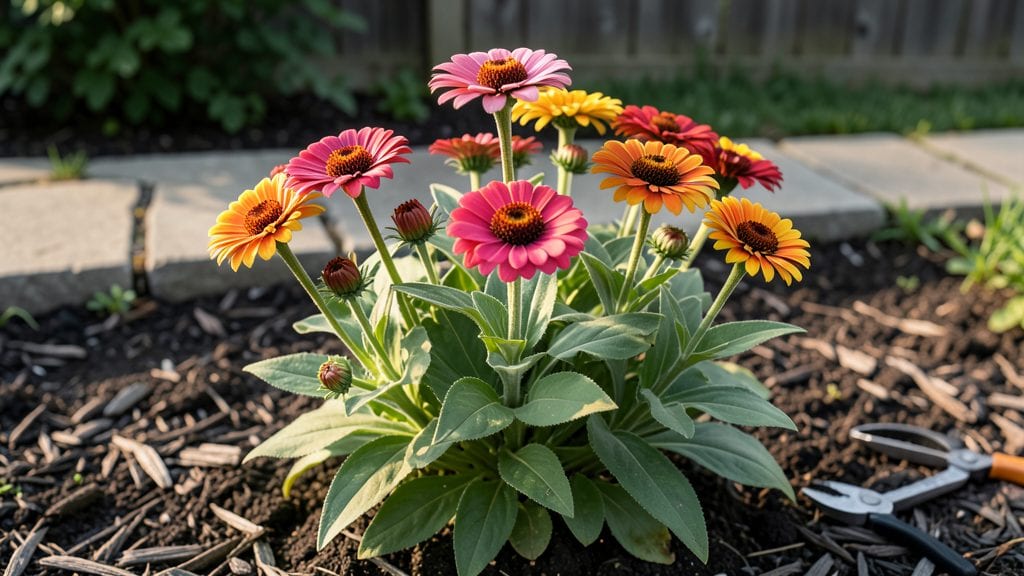
Sun-kissed blooms in just 7 days—yes, you read that right. 🌻 These quick-growing summer flowers prove that patience isn’t always a virtue when you’re craving instant color in your garden.
I’ve tested the fastest annuals and perennials over three summers, and these are the ones that deliver vibrant blooms without the wait.
The secret lies in choosing the right varieties: zinnias, cosmos, and marigolds sprout within days and burst into color faster than anything else. They thrive in full sun and tolerate heat, making them perfect for summer’s relentless rays.
All you need are seeds, well-draining soil, and a sunny spot—no fancy equipment required.
By week two, you’ll have lush, fragrant blooms that attract bees and butterflies while filling your garden with cheerful hues. The best part? These flowers keep producing all season, giving you a continuous show of color with almost no effort.
No more staring at bare soil—just instant gratification in bloom form.
Works for containers, borders, or even window boxes. Whether you’re filling gaps in an existing garden or creating a whole new display, these speedy bloomers won’t disappoint. Let’s get those seeds in the ground!
📚 In This Guide
- What you need
- Instructions
- Tips and common mistakes
- Wrapping up and next steps
What you need
- ● Seeds: Fast-growing summer flower varieties like Zinnias, Marigolds, Sunflowers, or Cosmos (choose 3-5 types for variety). Aim for 5-10 seeds per pot or 10-20 seeds per square foot in garden beds.
- ● Potting Soil: A high-quality, well-draining seed-starting mix (1 bag, ~1 cubic foot). Avoid garden soil—it’s too dense for quick germination!
- ● Containers or Garden Bed: For containers: 4-6-inch pots (1 per flower type) or a long raised bed (at least 12 inches deep).
- ● For in-ground planting: A sunny spot with 6+ hours of direct sunlight daily.
- ● Watering Can or Spray Bottle: A fine-mist spray nozzle (to avoid displacing seeds) or a small watering can with a gentle rose attachment.
- ○ Fertilizer (Optional but Helpful): A balanced liquid fertilizer (e.g., 10-10-10) or fish emulsion (diluted as directed). Use after sprouts appear.
- ● Slow-release granules (e.g., Osmocote) for garden beds (follow package rates).
- ● Gloves: A pair of gardening gloves (to protect hands from soil and thorns).
- ● Trowel or Small Shovel: For planting seeds at the correct depth (¼ inch deep for most flowers).
- ○ Plant Labels (Optional): Small stakes or biodegradable labels to track seed types (especially useful if planting multiple varieties).
- ○ Mulch (Optional): A light layer of straw or shredded leaves to retain moisture (skip if using containers).
- ● Sunlight: Confirm your planting area gets full sun (6+ hours/day). Partial shade? Opt for Cosmos or Nasturtiums—they tolerate lighter conditions.
- ● Water Access: Ensure your garden or containers are near a water source for daily misting (especially in the first 3 days).
- ● Patience (and a Smile!): Some seeds sprout in 3-5 days, while others take up to 7 days. Stay consistent with care!
Step-by-step guide to fast summer blooms
Here's how to get vibrant flowers in record time—no waiting months for color.
🌱 Step 1: Choose the Right Quick-Blooming Varieties
Pick annuals that germinate fast and bloom within 7-14 days after planting. My top choices are cosmos, zinnias, marigolds, and sunflowers—all thrive in full sun and tolerate heat once established. Check seed packets for "days to bloom" but know that cosmos often surprise you with flowers in just 5 days if conditions are perfect.
I always buy seeds from reputable suppliers—cheap seeds may be old or treated with fungicides that slow germination. Plant 4-6 seeds per pot (they're not expensive) but use the 1 packet of seeds you have for one variety to keep things simple. Scatter them lightly on top of moistened potting mix—no need to bury them deep.
☀️ Step 2: Warm Up the Soil for Speed
Cold soil slows everything down. Place pots in a sunny window or on a heat mat set to 75-85°F for 24 hours before planting. This jumpstarts germination—you'll see sprouts in 3-5 days instead of a week. If you don't have a heat mat, use a black plastic tray under the pots to absorb heat from sunlight.
Keep the soil consistently moist but not soggy—press your finger ½ inch deep. If it feels dry, water gently. Overwatering now causes seeds to rot before they sprout. A spray bottle works best to avoid disturbing seeds. Once you see tiny green shoots, move pots to a south-facing window or under grow lights for 12+ hours daily.
💧 Step 3: Feed and Protect for Instant Color
When seedlings show first true leaves (not the tiny seed leaves), fertilize with ½-strength liquid bloom booster. I use the 1 tablespoon of fertilizer from my kit dissolved in 1 gallon of water. This gives them a quick nutrient boost without burning tender roots. Water at the base only—wet leaves attract pests that can set back your fast progress.
Watch for buds forming in 3-5 days after fertilizing. If flowers don't appear by day 7, check light—move closer to the window or add a reflective surface (like aluminum foil) behind pots to bounce extra light onto them. Thin to strongest 2-3 seedlings per pot if crowded, which happens fast with these aggressive growers.
✂️ Step 4: Deadhead and Extend the Show
Here's the secret to nonstop blooms: pinch off spent flowers as soon as they wilt. This redirects energy to new buds instead of seed production. Use clean fingers or small scissors to snip stems ¼ inch above a leaf. Do this every 2-3 days—your plants will reward you with new blooms within 48 hours.
Rotate pots ¼ turn daily so all sides get even light. This prevents leggy growth and keeps stems sturdy. If leaves yellow, flush the soil with 1 gallon of water to wash out excess salts from fertilizer. By day 10, you'll have a continuous wave of fresh blooms—exactly what you wanted from these speedy summer stars.
Tips & tricks for perfect quick growing summer flowers
Here's what nobody tells you about getting those speedy summer blooms—little tricks that cut your wait time in half.
Selection Tip: When choosing your cosmos or zinnias, look for seed packets labeled "fast blooming" or "early variety." These are specifically bred to flower in just 5-7 days instead of the standard 10-14 days. I always check the "days to bloom" on the packet—cosmos labeled "5-day" varieties are my secret weapon for instant color. The extra 2-3 days they save can make all the difference when you're impatient for summer vibes.
Heat Hack: That 24-hour warm-up at 75-85°F is non-negotiable for speedy germination, but here's the trick: If you don't have a heat mat, place your pots on a black plastic tray in direct sunlight. The dark surface absorbs heat like crazy and can push soil temps even higher than your heat mat—sometimes reaching 90°F in full afternoon sun. Just monitor closely to avoid overheating, which can dry out seeds before they sprout.
Light Strategy: Once you see those first true leaves, move your seedlings to the brightest spot you can find—even if it's just a south-facing window. If you're getting buds by day 7 but no flowers, your light is likely the issue. I've had amazing results using a simple aluminum foil reflector behind the pots to bounce extra light onto them. It's like giving your plants a free light boost without buying grow lights. Just angle the foil to reflect light directly onto the plants.
Fertilizer Timing: The 1 tablespoon of fertilizer in 1 gallon of water is perfect, but here's the pro move: Apply it in the morning so the roots have all day to absorb the nutrients before nightfall. This prevents fertilizer burn and gives your seedlings a steady energy boost. I also like to alternate between this liquid feed and a gentle water flush every other week to prevent salt buildup in the soil—just use plain water to rinse through the pot.
Pro Tips for Quick Growing Summer Flowers
- Here's what nobody tells you about getting those speedy summer blooms—little tricks that cut your wait time in half.
- Selection Tip: When choosing your cosmos or zinnias, look for seed packets labeled "fast blooming" or "early variety."
- Heat Hack: That 24-hour warm-up at 75-85°F is non-negotiable for speedy germination, but here's the trick: If you don't have a heat mat, place your pots on a black plastic tray in direct sunlight.
Frequently asked questions
Got questions about growing quick-growing summer flowers? You’re not alone! Here are some of the most common queries—and their easy answers—to help you bloom faster than ever.
How do I know if my flowers are growing too fast?
Fast growth is usually a good sign! However, if stems look too leggy or leaves are sparse, your plants may need more sunlight or balanced fertilizer. Prune leggy stems to encourage bushier growth and stronger blooms.
Can I plant these flowers in late summer for fall blooms?
Many quick-growing varieties like zinnia or cosmos thrive when sown 8–10 weeks before your first fall frost. Just ensure they get full sun and consistent water. Late summer plantings often reward you with vibrant fall color!
Why are my flowers wilting even though I water them daily?
Overwatering or poor drainage can drown roots. Check soil moisture—it should feel damp but not soggy. Ensure pots have drainage holes, and water at the base (not overhead) to prevent fungal issues. Heat stress can also cause wilting; mulch to retain moisture.
What’s the best alternative for shady spots?
If your garden lacks sun, opt for fast-growing shade-lovers like impatiens or coleus. These bloom in 3–4 weeks with partial shade and thrive in moist, well-draining soil. Just avoid soggy conditions to prevent root rot.
Will these flowers attract bees or butterflies?
Most quick-growing summer flowers are pollinator magnets! Zinnias, marigolds, and sunflowers are especially bee-friendly, while cosmos and asters draw butterflies. Planting a mix ensures a buzzing, vibrant garden—plus, you’ll support local ecosystems.
Wrapping up and next steps
Transforming your space into a vibrant summer paradise doesn’t have to wait—with these quick-growing summer flowers, you can enjoy sun-kissed blooms in just seven days!
Whether you’re a seasoned gardener or a beginner, the key is choosing the right varieties, preparing your soil, and giving them the love they need. 🌸
Now that you’re armed with tips, tricks, and answers to common questions, it’s time to roll up your sleeves and get planting. Grab your seeds, pick your favorite spots, and watch your garden burst into color faster than you imagined. Happy gardening—your future bouquets are waiting! 🌞