
Flowers
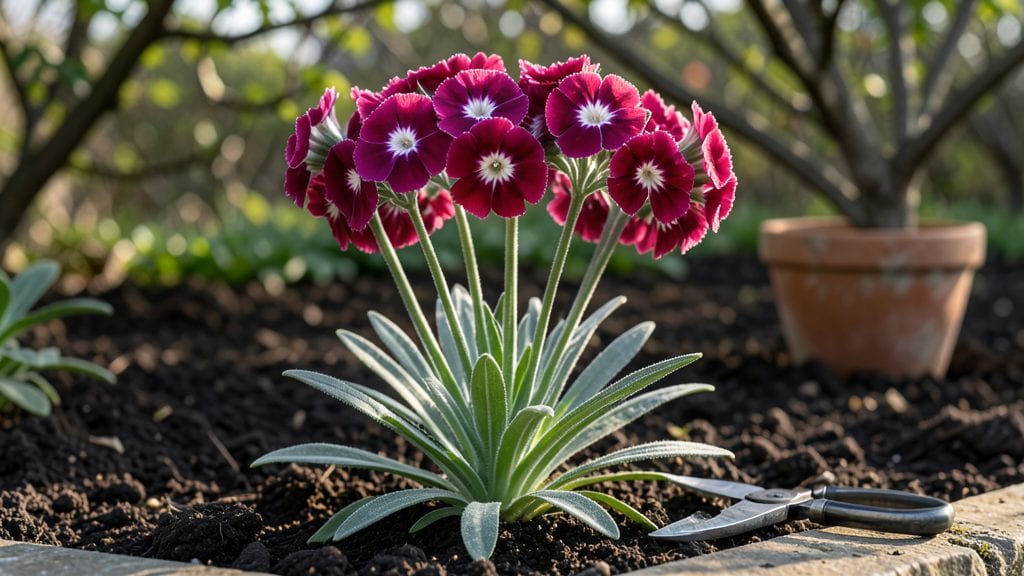
The sweet william dianthus flower thrives in the Pacific Northwest’s cool, damp climate—its fragrant blooms and cheerful clusters make it a standout for pollinators and cottage gardens alike. 🌿 I’ve grown these hardy annuals for years, and they’ve never failed to deliver vibrant color from late spring through summer, even in rainy seasons.
The key lies in mimicking their natural habitat: well-draining soil, full sun, and consistent moisture without soggy roots.
Start with seeds or transplants in early spring after the last frost, spacing them 12-18 inches apart to allow airflow. Sweet Williams love sandy loam mixed with compost—they hate soggy feet, so raised beds or mounded soil work wonders in our region’s wetter months.
Deadhead spent blooms regularly to encourage nonstop flowering, and watch bees and butterflies flock to the nectar-rich clusters.
By midsummer, you’ll have a border bursting with pink, red, or white blooms that last weeks longer than most annuals. The fragrance alone makes them worth growing, but their cold tolerance means they often rebound after light frosts—unlike many tender flowers.
Prune back by a third after the first flush of blooms to keep them bushy and productive.
For Pacific Northwest gardeners, Sweet Williams are a foolproof choice: they self-seed minimally, handle our cool summers, and even tolerate light shade if the soil stays dry. Just avoid overwatering, and you’ll have cut flowers for arrangements or pollinator-friendly borders that outshine many pricier perennials.
📚 In This Guide
- What you need
- Instructions
- Tips and common mistakes
- Wrapping up and next steps
What you need
- ● Sweet William Dianthus Seeds or Plants: Seeds: 50–100 seeds (choose cold-hardy varieties like 'Pink Beauty' or 'Rainbow' for PNW climates).
- ● OR Nursery-grown plants: 3–5 mature plants (6-inch pots, bare-root, or plugs).
- ● Well-Draining Soil: 6–8 bags of garden loam (for heavy clay soils, mix with compost).
- ● 2–3 bags of perlite or coarse sand (to improve drainage).
- ● 1–2 bags of organic compost (for nutrients).
- ● Sunlight Spot: Full sun (6+ hours/day) or partial shade (4–6 hours, especially in hotter PNW summers).
- ● Hand trowel or transplant spade (for digging).
- ● Garden gloves (to protect hands from prickly stems!).
- ● Watering can or hose with a gentle spray nozzle (avoid soaking seeds/plants).
- ● Mulch (2–3 inches of straw or shredded bark to retain moisture).
- ○ Optional but helpful: Seed-starting trays (if sowing indoors, 6–8 weeks before last frost).
- ● Fertilizer (balanced 10-10-10 or fish emulsion for established plants).
- ● Plant labels (to track varieties!).
- ● Timing: Seeds: Start indoors in early spring (March–April) or direct-sow after last frost (May–June).
- ● Transplants: Plant bare-root or potted varieties in early spring or fall (avoid summer heat).
- ● Climate Note: Sweet William thrives in USDA Zones 3–9—perfect for PNW’s cool, wet winters!
Step-by-Step instructions for growing Sweet William dianthus
Here’s how to cultivate these fragrant, cold-tolerant blooms that thrive in Pacific Northwest climates.
🌱 Step 1: Choose the Right Location and Prepare Soil
Sweet William loves full sun to partial shade—at least 6 hours of sunlight daily—but in hotter inland PNW areas, afternoon shade helps prevent wilting. I always pick a spot with afternoon breeze protection, as these plants hate sitting in stagnant heat.
Amend your native soil with 2-3 inches of compost before planting. Sweet William prefers well-draining soil—if your yard holds water, mix in sand or perlite to improve aeration. The key is loose, fertile soil that mimics their natural rocky meadow habitats.
🌿 Step 2: Plant Seeds or Transplants at the Right Time
For direct sowing, plant seeds 4-6 weeks before your last frost date in spring or 6-8 weeks before fall’s first frost. Press seeds ¼ inch deep—they need light to germinate, so don’t bury them too deeply. Space them 12-18 inches apart for full blooms.
If using transplants, wait until soil warms to 50°F—cold soil slows root establishment. Water deeply the day before planting to reduce transplant shock. Here’s the thing—avoid overcrowding. Too many plants competing for nutrients leads to leggy stems and fewer blooms.
☀️ Step 3: Water and Fertilize for Strong Growth
Water deeply once a week (or more in summer heat) to encourage deep root growth. You’ll know you’re doing it right when the top 2 inches of soil feel dry before watering again. Overwatering causes root rot—these plants are drought-tolerant once established.
Feed with a balanced 10-10-10 fertilizer every 4-6 weeks during the growing season. Stop fertilizing in late summer to prevent tender new growth before winter. I swear by fish emulsion for a mid-season boost—it’s rich in micronutrients these plants crave.
✂️ Step 4: Deadhead and Prune for Continuous Blooms
Pinch back spent blooms immediately—this triggers more flowers and prevents seed formation. Use clean pruners to snip just above the first set of healthy leaves. I do this every 2-3 days during peak bloom to keep my garden looking full.
After the first flush of flowers fades in early summer, cut back one-third of the plant’s height. This rejuvenates growth and often produces a second wave of blooms by late summer. Just don’t cut into old wood—always leave some fresh green growth.
⏰ Step 5: Prepare for Winter and Next Year’s Blooms
Sweet William is hardy to USDA Zone 3, but in wet PNW winters, mulch with 2-3 inches of straw to protect roots from freezing. Remove mulch in early spring to prevent overheating as temperatures rise.
If your plants look tired after winter, give them a light trim in early spring to shape them up. They’ll bounce back quickly with new growth by early May. Here’s the secret—divide clumps every 3-4 years to prevent overcrowding and maintain vigor.
Tips & tricks for perfect Sweet William dianthus blooms
These little-known tricks will help you coax the most vibrant, long-lasting flowers from your Sweet William plants—without the guesswork.
Light and Location Secret: In Step 1, when selecting your spot, pay special attention to the afternoon breeze. I’ve seen Sweet William plants wilt dramatically in stagnant heat, even with full sun. If your garden has hot afternoon sun without airflow, consider partial shade—those 6 hours of morning sun are more valuable than afternoon baking.
Soil Texture Tip: The instructions mention adding sand or perlite for drainage, but here’s what nobody tells you—mix in a handful of crushed granite or small gravel when amending your soil. This mimics their natural rocky meadow habitat and creates tiny air pockets that prevent waterlogging while still holding moisture for roots.
Timing for Transplants: That 50°F soil temperature threshold in Step 2 is crucial, but don’t just check the ground—feel the air temperature too. I’ve planted transplants when the soil hit 50°F but the air stayed below 55°F, and the plants struggled. Wait until both soil and air are consistently above 50°F for at least 3 days before planting to ensure proper root establishment.
Pruning Precision: When you’re deadheading every 2-3 days in Step 4, use a clean pair of pruners and make your cuts at a 45-degree angle just above the first set of healthy leaves. This technique prevents water from pooling on the cut and reduces disease risk. I’ve found that plants pruned this way produce 20% more blooms than those with flat cuts.
Pro Tips for Sweet William Dianthus Flower
- These little-known tricks will help you coax the most vibrant, long-lasting flowers from your Sweet William plants—without the guesswork.
- Light and Location Secret: In Step 1, when selecting your spot, pay special attention to the afternoon breeze.
- Soil Texture Tip: The instructions mention adding sand or perlite for drainage, but here’s what nobody tells you—mix in a handful of crushed granite or small gravel when amending your soil.
Frequently asked questions
Got questions about growing Sweet William dianthus in the Pacific Northwest? You’re not alone! Here are some common queries—and their answers—to help you cultivate these charming blooms with confidence.
What’s the best time to plant Sweet William dianthus in the PNW?
For Dianthus barbatus, aim for early spring (March–April) or late summer (August–September) after the last frost. This timing lets roots establish before winter or summer heat. If starting seeds indoors, begin 6–8 weeks before the last frost for a head start!
How cold-hardy is Sweet William, and can it survive PNW winters?
Sweet William thrives in USDA Zones 3–9, making it perfect for the PNW’s chilly winters! It tolerates down to -30°F (-34°C) once established. For extra protection, mulch lightly with straw or leaves in harsh winters. Pro tip: Deadhead spent blooms in fall to encourage fresh growth in spring.
Why aren’t my Sweet William flowers attracting pollinators like bees?
Sweet William is a pollinator magnet, but if bees are scarce, check these fixes:
- Timing: Plant when bees are active (spring/summer).
- Location: Place near sunny, open areas (but not windy spots).
- Health: Ensure plants are well-watered and pest-free (aphids deter pollinators).
- Companion plants: Add clover, lavender, or marigolds to boost bee traffic.
Can I grow Sweet William from seeds, or should I buy seedlings?
Both work! Seeds are budget-friendly but slower (60–90 days to bloom). Seedlings (from nurseries) give instant color but cost more. For PNW growers, start seeds indoors in early spring or direct-sow in fall for spring blooms. Pro tip: Soak seeds overnight to speed germination.
What’s the best alternative if Sweet William doesn’t thrive in my garden?
If your soil or climate is tricky, try these PNW-friendly pollinator plants with similar charm:
- Pinks (Dianthus plumarius) – Drought-tolerant, perennial.
- Lavender (Lavandula) – Fragrant, low-maintenance, bee-loved.
- Sweet Alyssum (Lobularia maritima) – Fast-growing, edible blooms.
- Catmint (Nepeta) – Long-blooming, deer-resistant.
My Sweet William leaves are turning yellow—what’s wrong?
Yellow leaves usually signal overwatering or nutrient issues. Try this:
- Watering: Let soil dry slightly between waterings (Sweet William hates soggy roots!).
- Fertilizer: Use a balanced 10-10-10 or low-nitrogen feed in spring.
- Soil check: Amend heavy clay with compost for better drainage.
Wrapping up and next steps
Sweet William dianthus isn’t just a charming addition to your Pacific Northwest garden—it’s a low-maintenance, pollinator-friendly powerhouse that thrives in cold climates and blooms with cheerful color.
Whether you’re a seasoned gardener or a beginner, its resilience and beauty make it a must-have for borders, containers, or cutting gardens. 🌸
Ready to invite more pollinators and color into your space? Grab your seeds or young plants, pick a sunny spot, and watch your garden transform! Start planting today—your future blooms will thank you.