
Size
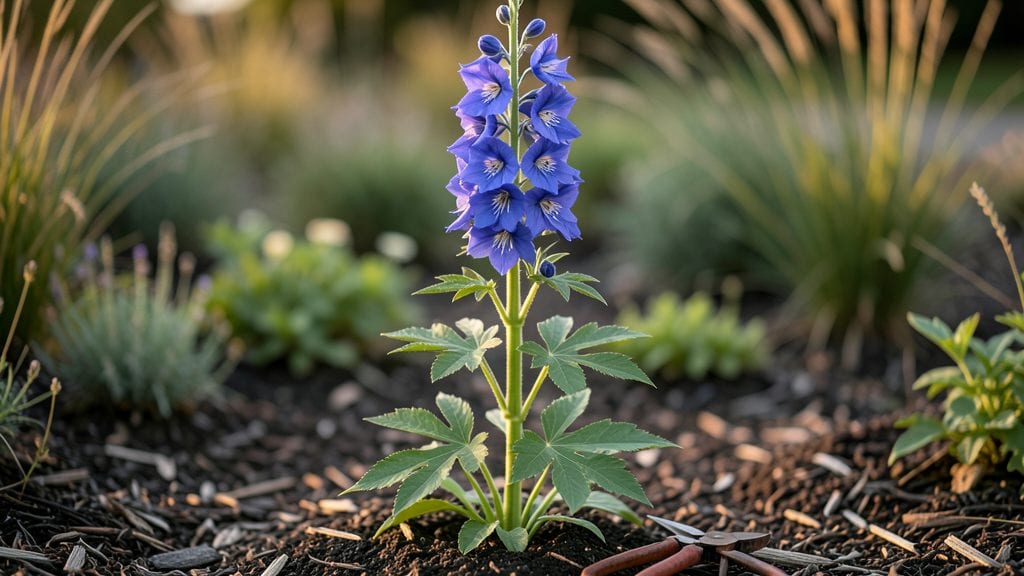
Tall skinny flowers turn any garden into a living sculpture. 🌱 I first fell in love with them when foxgloves reached 5 feet in my cottage garden, their spires swaying in the breeze like nature’s chandeliers.
These vertical stars aren’t just pretty—they create drama, draw pollinators, and fill empty corners with height.
Delphiniums, snapdragons, and ornamental grasses are the superstars here, offering perennial backbone or annual bursts of color. Pair them with shorter perennials like lavender or salvia for contrast, or let them stand alone as bold focal points.
Their slender stems need minimal staking—just a little support at the base to keep them upright through storms.
Imagine a border where every bloom feels like a spotlight. Tall skinny flowers add structure without overwhelming smaller plants, creating layers that catch light at dawn and dusk. Deadhead spent blooms to encourage more flowers, and watch your garden transform from flat to three-dimensional.
Perfect for cottage gardens, pollinator patches, or even urban balconies with containers. These plants thrive in full sun to partial shade, making them adaptable to most spaces. Let’s bring that vertical magic to your garden!
📚 In This Guide
- What you need
- Instructions
- Tips and common mistakes
- Wrapping up and next steps
What you need
- ● Tall, skinny flower varieties (5+ plants): Snapdragons (Antirrhinum) – 6–12 plants (12–24" tall)
- ● Foxgloves (Digitalis) – 3–5 plants (24–48" tall)
- ● Delphiniums (Delphinium) – 3–5 plants (36–60" tall)
- ● Hollyhocks (Alcea) – 3–5 plants (48–72" tall)
- ● Larkspur (Consolida) – 5–10 plants (18–36" tall)
- ● Soil: Well-draining potting mix or native soil amended with compost (50% soil, 50% compost for containers).
- ● Fertilizer: Slow-release granular fertilizer (10-10-10 or organic options like fish emulsion).
- ● Watering can or hose with gentle spray nozzle.
- ● Garden tools: Trowel or hand shovel
- ● Pruning shears (for deadheading)
- ○ Gloves (optional but recommended!)
- ○ Support structures (optional but highly recommended for tall varieties): Sturdy stakes (1–2 per plant, 3–4 ft tall)
- ● Floral wire or soft garden twine
- ● Or a vertical trellis (4–6 ft tall, metal or wooden)
- ● Location: Full sun (6+ hours/day) or partial shade (4–6 hours for delphiniums).
- ● Timing: Plant seeds in early spring (4–6 weeks before last frost) or transplants in late spring.
- ● Mulch (2–3 inches) to retain moisture and suppress weeds.
- ● Pollinator-friendly companion plants (e.g., lavender, yarrow, or catmint).
- ● Decorative pebbles or edging for a polished look.
- ● A water feature nearby to attract even more pollinators!
Step-by-Step guide for designing a vertical pollinator garden with tall skinny flowers
Here's how to create a striking vertical display that thrives with pollinators.
🌱 Step 1: Select the Right Tall Skinny Flower Varieties
Choose plants that naturally grow 4-6 feet tall with slender stems—perfect for vertical drama. My go-to pollinator favorites are purple coneflower (Echinacea purpurea), black-eyed Susan (Rudbeckia hirta), and bee balm (Monarda didyma). These varieties produce abundant blooms while supporting bees, butterflies, and hummingbirds.
For maximum vertical impact, mix heights: 3-foot plants like sneezeweed (Helenium autumnale) in the front, 4-foot varieties like Joe Pye weed (Eutrochium purpureum) in the middle, and 6-foot giants like giant fleabane (Erigeron speciosus) at the back. This creates layered interest and ensures no space is wasted.
🪴 Step 2: Prepare Vertical Planters or Trellis Structures
Use 12-inch-deep planters with drainage holes or install a wooden trellis frame (at least 6 feet tall) to support climbing varieties. I prefer fabric grow bags for lightweight vertical gardens—they’re easy to hang and allow roots to breathe while preventing soil compaction.
Fill containers with well-draining potting mix (avoid garden soil—it compacts and suffocates roots). Amend with compost for nutrients and perlite to improve aeration. For trellises, plant clematis or morning glories at the base to intertwine with your tall flowers, adding extra vertical texture.
☀️ Step 3: Plant with Strategic Spacing and Light Needs
Space plants 12-18 inches apart in containers to prevent overcrowding. Tall skinny flowers need full sun (6+ hours daily), so position your vertical display where it gets morning sunlight and afternoon shade (if in a hot climate). South- or west-facing walls work best.
Dig holes twice as wide as the root ball but no deeper. Gently remove plants from pots and tease apart roots if they’re circling. Place them at the same depth they grew in containers—burying stems too deep can cause rot. Water deeply after planting to settle the soil around roots.
💧 Step 4: Water and Fertilize for Long-Stemmed Blooms
Water deeply every 2-3 days until the top 2 inches of soil feel dry. Tall flowers have deep root systems, so they need consistent moisture to support their height. Mulch with 2 inches of shredded bark to retain moisture and suppress weeds—this also keeps stems stable in windy conditions.
Fertilize lightly with a balanced 10-10-10 formula at planting, then again 4-6 weeks later. Over-fertilizing produces lush foliage but fewer blooms. Instead, focus on phosphorus-rich fertilizer (like 5-10-5) to encourage flowering. Deadhead spent blooms regularly to prolong the season and prevent self-seeding.
✂️ Step 5: Prune and Support for Maximum Vertical Impact
Prune leggy stems in early spring to encourage bushier growth. Cut back one-third of the plant’s height to stimulate new shoots. For trellis-supported flowers, tie stems to the structure with soft garden twine as they grow—this prevents snapping in storms and keeps them upright.
Watch for powdery mildew on leaves (common in humid climates). If you see white powdery spots, spray leaves with neem oil and improve airflow by thinning crowded stems. In late fall, cut back dead foliage to 6 inches tall and add compost to the soil for next year’s growth.
Tips & tricks for perfect vertical tall skinny flower gardens
Creating a showstopping vertical garden doesn't have to be complicated—these insider tips will help you maximize beauty and pollinator appeal.
Plant Placement Strategy: In Step 1, when arranging your height layers, place the tallest varieties (like giant fleabane) at the back of containers or against the trellis structure. This creates natural depth perception and prevents smaller plants from getting lost. I've found that positioning the 6-foot plants slightly off-center adds visual interest while maintaining balance. The key is to create a "V" shape with your tallest plants—this draws the eye upward naturally.
Soil Science for Vertical Growth: The well-draining potting mix in Step 2 is non-negotiable, but here's what I've learned about amending it for vertical gardens: Add an extra 10% perlite to the mix—this prevents compaction in lightweight containers where roots can't spread outward. For trellis gardens, incorporate a slow-release fertilizer like Osmocote into the planting mix at a rate of 1 cup per cubic foot of soil. This feeds the deep roots consistently without requiring frequent top-dressing.
Sunlight Optimization: When selecting your planting location in Step 3, consider the sun's arc throughout the day. South-facing walls receive the most consistent sunlight, but west-facing walls actually provide better afternoon light for pollinators that are most active then. If your space only gets morning sun, choose varieties like bee balm that thrive in cooler conditions. For containers, rotate them 180 degrees every few weeks to ensure even growth on all sides.
Pollinator Magnet Techniques: In Step 4, while deadheading is crucial, here's a pro move: Leave 2-3 spent blooms on each stem when deadheading. This creates visual texture and provides shelter for beneficial insects like ladybugs. Also, consider adding a small water source nearby—a shallow dish with pebbles and water will attract even more pollinators to your vertical display. The contrast between your towering flowers and the sparkling water creates a dynamic ecosystem that thrives.
Pro Tips for Tall Skinny Flowers
- Creating a showstopping vertical garden doesn't have to be complicated—these insider tips will help you maximize beauty and pollinator appeal.
- Plant Placement Strategy: In Step 1, when arranging your height layers, place the tallest varieties (like giant fleabane) at the back of containers or against the trellis structure.
- For trellis gardens, incorporate a slow-release fertilizer like Osmocote into the planting mix at a rate of 1 cup per cubic foot of soil.
Frequently asked questions
What are the best tall skinny flowers for pollinators?
Look for native perennials like Joe Pye Weed (up to 6 ft!), Liatris (blazing star, 2–4 ft), or Rudbeckia (black-eyed Susan, 3–5 ft). Annuals like Snapdragons or Foxgloves also work—just ensure they’re bee- and butterfly-friendly!
When should I plant tall skinny flowers for maximum height?
Plant in early spring (after frost) for perennials, or late spring (after soil warms) for annuals. Most reach peak height in mid-to-late summer, so stagger plantings for continuous vertical interest. Pro tip: Stake or cage them early to prevent flopping!
How do I keep tall skinny flowers from falling over?
Use bamboo stakes, tomato cages, or ornamental grasses as natural supports. For clumping varieties, plant in groups of 3–5 to brace stems. Mulch heavily at the base to stabilize roots. Avoid over-fertilizing—taller flowers need strong roots, not weak stems!
Can I grow tall skinny flowers in containers?
Yes! Choose deep pots (12"+) with drainage and use lightweight soil. Opt for smaller varieties like Delphinium (2–4 ft) or Hollyhocks (3–5 ft). Secure containers to a balcony railing or trellis for stability. Pro tip: Deadhead spent blooms to encourage reblooming!
Why aren’t pollinators visiting my tall flowers?
Check for pesticides (even organic ones can deter bees). Ensure flowers are open and accessible—some, like Liatris, have tubular shapes that hummingbirds love. Plant companion flowers (e.g., Coneflowers) nearby for nectar variety. If blooms are sparse, try hand-pollinating with a soft brush!
Wrapping up and next steps
Tall, skinny flowers aren’t just eye-catching—they’re powerhouses for pollinators, transforming your garden into a vertical buffet for bees, butterflies, and hummingbirds. From Delphinium to Snapdragons, these dramatic blooms prove that height and impact go hand in hand.
Whether you’re a seasoned gardener or just starting, their low-maintenance charm makes them a must-have for any pollinator-friendly space.
Ready to level up your garden? Grab a few of these tall beauties and watch your yard buzz with life! 🐝 For extra inspiration, sketch a quick layout or browse seed catalogs—then plant with confidence.