Flowers
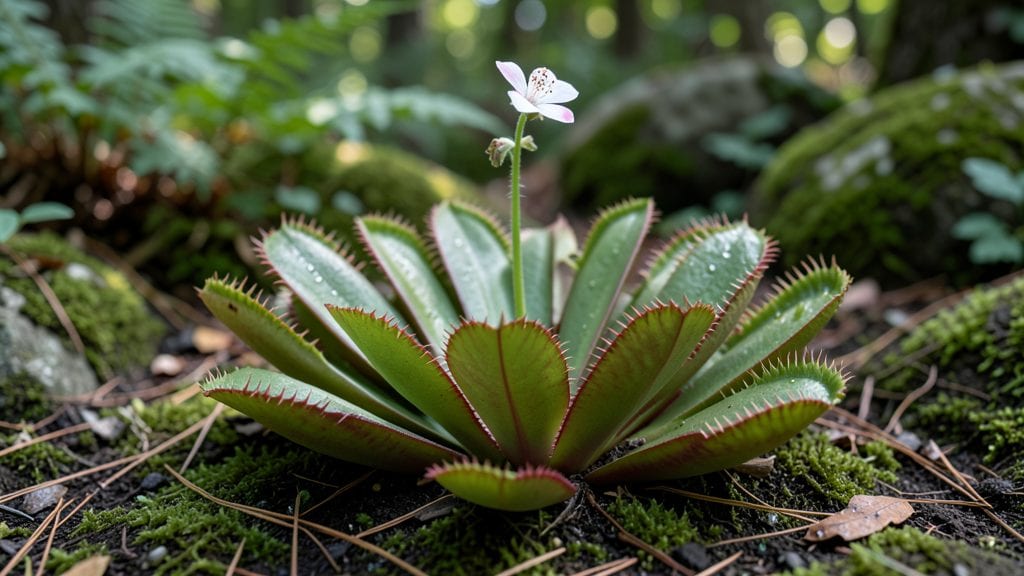
Venus fly trap flowers aren't your typical blooms—they're carnivorous showstoppers with a secret life. 🌱 I still remember the first time mine sent up that delicate, pinkish-white flower spike: it felt like watching a plant perform a magic trick.
These plants aren't just decorative; they're active hunters that need special care to keep both their traps and blooms thriving.
The key to happy Venus fly traps starts with the right setup: a mix of peat moss and perlite that stays damp but never soggy, plus a spot with bright, indirect light for 10-12 hours daily.
They're picky eaters too—only feed them live insects (like gnats or flies) every 2-3 weeks, or they'll skip their own flower show. Between you and me, I've learned that skipping this step means fewer blooms and weaker traps next season.
When you get it right, you'll be rewarded with those stunning flowers that last just 2-3 days (don't worry, they won't trap anything—they're all about reproduction).
The real magic happens after pollination: your plant might produce seed pods, but even if it doesn't, the energy boost keeps those iconic traps snapping shut for months. This isn't just about growing a plant; it's about nurturing a tiny ecosystem.
Works perfectly for terrariums, sunroom windows, or even outdoor containers in zones 5-9. The secret weapon? Patience—these plants take 3-5 years to mature fully, but every snap-worthy trap and bloom makes the wait worthwhile. Let's get your Venus fly trap thriving!
📚 In This Guide
- What you need
- Instructions
- Tips and common mistakes
- Wrapping up and next steps
What you need
- ● Venus fly trap plant: 1 healthy, live specimen (preferably in a 4-6 inch pot). Look for plants with vibrant, closed traps!
- ● Well-draining soil: 1 bag of carnivorous plant mix (or a blend of 50% peat moss + 50% perlite/sand). No regular garden soil!
- ● Pot with drainage holes: 1 plastic or terracotta pot (6-8 inches in diameter) with holes in the bottom + a saucer to catch excess water.
- ● Distilled or rainwater: 1 gallon (or a reusable spray bottle for misting). Tap water is a no-go—it’s too mineral-heavy!
- ● Clear plastic wrap or humidity dome: 1 sheet (for the first few weeks to retain moisture).
- ● Small insect tweezers or forceps: 1 pair (for gently removing debris or dead traps).
- ● Grow lights or sunny windowsill: Access to 10-12 hours of indirect sunlight daily (or a full-spectrum LED grow light for 12+ hours).
- ● Humidity tray: A shallow tray filled with pebbles + water to boost moisture levels.
- ● pH testing kit: To monitor soil pH (ideal range: 4.5–6.5).
- ● Slow-release fertilizer: A balanced, low-nitrogen carnivorous plant fertilizer (use sparingly!).
- ● Journal or camera: To track blooms, trap health, and growth progress!
- ● Second pot: For repotting every 2–3 years (Venus fly traps outgrow their homes!).
Step-by-Step guide to encouraging Venus fly trap blooms
Here's how to coax those rare, ethereal blooms from your carnivorous plant.
🌱 Step 1: Provide the Perfect Growing Conditions
The first thing to know is that Venus fly traps need bright, indirect light—think east-facing windows or filtered sunlight. Direct sun will scorch those delicate leaves, while too little light means no energy for blooms. I place mine under a sheer curtain where they get 4-6 hours of gentle morning light and avoid harsh afternoon rays.
Temperature matters too. These plants thrive in 65-75°F ranges during the day and 55-65°F at night. If your home dips below 50°F, you'll need a grow light to keep them happy. I've found that a simple LED bulb on a timer works perfectly—just don't let it run 24/7, or the plant will get stressed.
Here's the thing—Venus fly traps are finicky about humidity. Aim for 50-70% humidity, and mist the leaves lightly every 2-3 days if your home feels dry. You'll know it's right when the air feels slightly damp around the pot but not clammy. A pebble tray with water underneath (but not touching the pot) helps maintain that balance without overwatering.
☀️ Step 2: Feed Only What They Need (Less Is More)
Overfeeding is the #1 reason Venus fly traps refuse to bloom. These plants only need 1-2 small insects every 4-6 weeks—think gnats or tiny flies, not big juicy meals. I use a pair of tweezers to place the insect directly on a trap leaf, which triggers digestion. Watch for the leaf to curl shut—if it doesn't, the plant isn't hungry yet.
Don't use dead insects or meat—it rots and attracts pests. And for heaven's sake, never feed them live spiders (yes, I've seen it suggested). Stick to small, soft-bodied insects, and you'll avoid the stinky mess that chases blooms away. You'll see the plant's traps reset after digestion—this is your cue to wait 4-6 weeks before feeding again.
Real talk: If your plant looks healthy but still won't bloom, it's probably getting too many meals. Let the traps fully reset between feedings, and you'll give the plant the energy it needs to produce flowers instead of just digesting snacks.
💧 Step 3: Water with the Right Technique (Rainwater Only!)
This is the moment that matters: Venus fly traps only drink rainwater or distilled water. Tap water contains minerals that build up in the soil and kill the roots over time. I collect rainwater in a clean container and use it to keep the soil slightly moist but never soggy. The pot should feel light when lifted—if it's heavy, you've overwatered.
Here's how to water properly: Fill a spray bottle with rainwater and mist the soil surface until it's damp ½ inch deep. Avoid getting water on the leaves, as this can cause rot. I water mine once a week in summer and every 10-14 days in winter, adjusting based on how quickly the soil dries. If the top inch feels dry to the touch, it's time to water again.
Don't skip this (I learned the hard way). Using tap water will turn your plant's soil into a mineral soup, and within months, you'll see brown, mushy leaves. Stick to rainwater, and your plant will reward you with stronger growth—and eventually, those stunning blooms.
⏰ Step 4: Give Them a Rest Period for Blooms
Venus fly traps need cool temperatures and short days to trigger flowering. In late fall, move your plant to a 55-65°F spot and reduce light to 8-10 hours daily. This mimics winter conditions and tells the plant it's time to bloom. You'll see the first flower spikes emerge in 8-12 weeks, usually in late winter or early spring.
Don't be tempted to fertilize during this time—it confuses the plant's natural cycle. Instead, keep the soil lightly moist and avoid feeding entirely. The flower stalk will appear as a thin, wiry stem with a bud at the top. Once the bloom opens, enjoy it for 3-5 days before it wilts naturally.
After the bloom fades, you can return the plant to normal care. Here's the thing—some growers cut off the flower stalk to save energy, but I leave mine. The plant may produce a few more small blooms on the same stalk, and it doesn't seem to harm the overall health. Just don't expect a repeat performance until next winter.
Tips & tricks for perfect Venus fly trap flower blooms
Common pitfalls—and how to sidestep every one when growing these captivating carnivorous plants.
Lighting Secret: Those 4-6 hours of morning light in Step 1 are non-negotiable for blooming success. I've seen plants under fluorescent lights fail to flower because they lack the natural light spectrum. If you're using grow lights, opt for full-spectrum LEDs that mimic sunlight. Position them 6-12 inches above the plant and run them for 12-14 hours daily. The key is replicating that gentle morning glow without the harsh afternoon intensity that scorch leaves.
Temperature Transition: When you move your plant to cooler 55-65°F conditions in Step 4, do it gradually over 5-7 days. Sudden temperature drops can shock the plant and prevent blooming. I place my plants near a north-facing window during this transition, then use a small space heater on the lowest setting if needed to maintain those nighttime temps. The goal is to mimic autumn's slow cooling—nature's signal for flowering.
Humidity Hack: For the 50-70% humidity range mentioned in Step 1, I've found that grouping plants together creates a microclimate. Place your Venus fly trap near other moisture-loving plants like ferns or mosses. You'll notice condensation forming on leaves in the morning—this is your sign you've hit the right humidity. Avoid using humidifiers directly on the plant, as they often create too much moisture on the leaves, which leads to rot.
Bloom Timing: The 8-12 week window for flower spikes in Step 4 can feel like forever, but patience pays off. Mark your calendar when you start the cool period—this gives you a clear timeline. I've found that plants started in early October typically bloom around Valentine's Day, making them a stunning indoor centerpiece. If you miss the fall window, don't worry—just repeat the process in early spring for summer blooms.
Pro Tips for Venus Fly Trap Flower
- Common pitfalls—and how to sidestep every one when growing these captivating carnivorous plants.
- Lighting Secret: Those 4-6 hours of morning light in Step 1 are non-negotiable for blooming success. I've seen plants...
- Temperature Transition: When you move your plant to cooler 55-65°F conditions in Step 4, do it gradually over 5-7 day...
Frequently asked questions
How often should I water my Venus fly trap flower?
Water your Venus fly trap only with distilled or rainwater—tap water’s minerals can harm it. Keep the soil consistently moist (not soggy) by misting or using a shallow tray with 1-2 inches of water. Never let it dry out completely, but avoid overwatering, which can cause root rot. Aim for a balance!
When does my Venus fly trap flower bloom, and how long does it last?
Blooms typically appear in spring or early summer, lasting 2-3 weeks. The flower resembles a white, waxy orchid and grows on a tall stalk. After blooming, the plant may look tired, but don’t worry—it’s normal! Focus on post-bloom care to help it recover for next season.
Can I grow a Venus fly trap indoors, and what’s the best light?
Yes! Place your plant near a south- or west-facing window for bright, indirect light. If natural light is limited, supplement with a grow light (12-14 hours/day). Avoid direct sunlight, which can scorch the leaves. A cool, humid spot (like a bathroom with a window) works well too!
What should I do if my Venus fly trap stops trapping flies?
If your plant isn’t “snapping” shut, it might be stressed from overfeeding, poor light, or incorrect water. Skip feeding for a few months and adjust care: ensure it gets bright light, distilled water, and a rest period in winter. If leaves turn yellow or mushy, it’s likely overwatered—let the soil dry slightly between waterings.
Are there alternatives to Venus fly traps for beginner carnivorous plants?
If Venus fly traps seem tricky, try these low-maintenance options:
- Sundews (easy to grow, love humidity)
- Butterworts (tolerate more light variations)
- Pitcher plants (great for bog gardens)
Wrapping up and next steps
The Venus flytrap flower is a fascinating and rewarding carnivorous plant to grow, offering both beauty and intrigue. With the right care—proper soil, light, water, and patience—you can enjoy its stunning blooms and thriving traps.
Remember, these plants are resilient once their needs are met, so don’t hesitate to experiment and learn!
Ready to dive deeper? Start small—try propagating a new trap or sharing your success with fellow plant lovers! 🌱✨ Whether you’re a beginner or a seasoned grower, every Venus flytrap journey begins with a single step (and maybe a snack for its next meal!).