
Watering
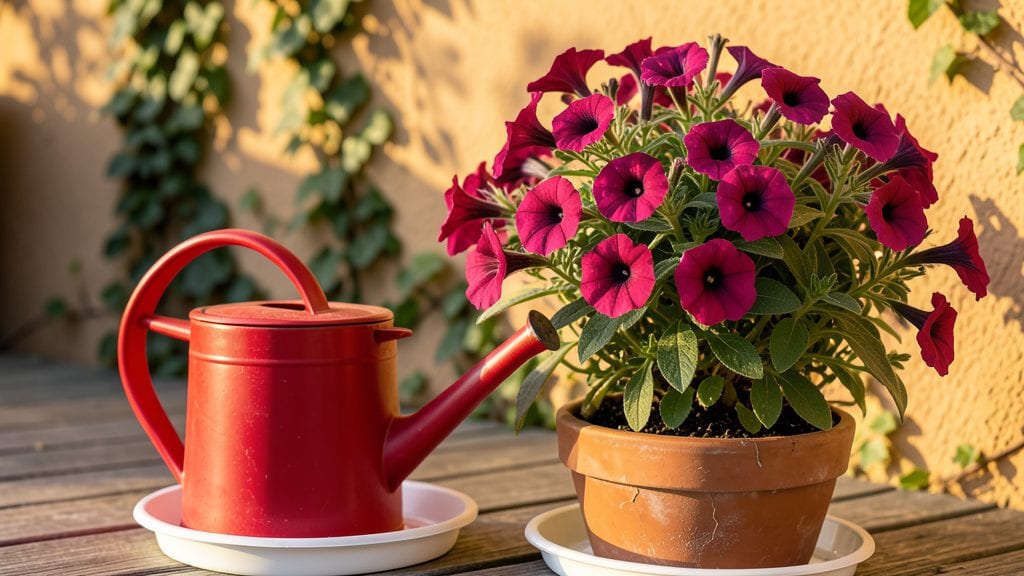
Mastering how to water potted flowers transforms wilting blooms into lush, thriving displays that last all season. I learned the hard way—my first attempt drowned petunias while leaving geraniums parched—until I cracked the drainage-controlled method that actually works.
The secret isn't frequency but consistent moisture control, where soil stays damp (not soggy) and excess water escapes freely.
Start with pots that have drainage holes and a saucer underneath—no exceptions. Use well-draining potting mix (never garden soil) and water deeply until it runs out the bottom, then wait until the top inch feels dry before repeating.
This foolproof approach prevents root rot while keeping flowers hydrated, and it works for everything from delicate impatiens to hardy zinnias.
You'll notice leaves staying crisp, stems firm, and blooms lasting longer than ever before. The key is checking soil moisture with your finger—if it's dry at the surface but still damp below, you're nailing it.
Seasonal adjustments matter too: water more in summer heat, less in winter dormancy, and always adjust for pot size and plant type.
This technique scales from tiny annuals to large container arrangements, and it's the only method that actually prevents the most common potted-flower problems. Once you try it, you'll wonder why you ever guessed at watering before. Let's get those pots thriving the right way.
📚 In This Guide
- What you need
- Instructions
- Tips and common mistakes
- Wrapping up and next steps
What you need
- ● Watering can (or a clean spray bottle for delicate flowers) – 5-10 gallons capacity (adjust based on pot size).
- ● Saucer or tray (to catch excess water) – Slightly larger than the pot’s base.
- ● Potted plants – Ensure pots have drainage holes (or DIY with a drill if needed!).
- ○ pH-balanced liquid fertilizer (optional but recommended) – Diluted to half-strength for watering.
- ○ Moisture meter (optional) – For precise soil hydration tracking.
- ● Access to clean, room-temperature water (chlorine-free if possible; let tap water sit 24 hours if treated).
- ● Knowledge of your plant’s water needs (e.g., succulents vs. ferns).
- ● Sunlight awareness – Water in the morning or evening to avoid evaporation.
- ● Patience – Let excess water drain for 10-15 minutes before returning pots to saucers.
How to water potted flowers for healthy, thriving blooms
Mastering watering turns struggling potted flowers into vibrant showstoppers—here's my foolproof approach.
Check Soil Moisture Before Watering
Stick your finger 1-2 inches deep into the soil. If it feels dry at that level, it's time to water. I like to test multiple spots in the pot—soil near the edges often dries faster than the center. For heavier potting mixes, you might need to go deeper, but most flowers signal thirst when the top 1 inch feels dry to touch.
Here's the thing—overwatering kills more potted flowers than underwatering. If the soil feels damp or you see water pooling in the saucer, wait another day. The key is consistent moisture, not soggy roots. I always check in the morning when evaporation rates are lowest for the most accurate reading.
Water Thoroughly at the Base
Pour water slowly at the soil surface until it begins draining from the bottom holes. This ensures the entire root zone gets hydrated, not just the top layer. I use a watering can with a narrow spout to direct the flow precisely where the roots need it most. Watering from above can create uneven moisture and wash away soil.
Stop when water appears in the saucer below. Let the pot drain completely for 5-10 minutes—this prevents root rot. If your pot has no drainage holes, you're already working against the odds. In that case, pour water until it runs out the sides, then tip the pot to empty excess immediately. The goal is moist soil, not a swampy environment.
Adjust Frequency Based on Plant Type
Annuals like petunias and geraniums typically need watering every 1-2 days in hot weather, while succulents and cacti might only require water every 2-3 weeks. Check the plant's care tag for guidance, but always verify with your finger test. Container size matters too—smaller pots dry out faster than large ones.
Group plants with similar water needs together. This makes maintenance easier and prevents over- or underwatering. I keep my thirsty annuals on the patio where I see them daily, while drought-tolerant plants get tucked against the house wall where they receive less direct attention. Observe your plants—they'll tell you what they need through their leaves and growth patterns.
Maintain Proper Drainage Year-Round
Empty saucers after watering to prevent roots from sitting in standing water. I place my pots on decorative feet or bricks to allow airflow underneath. Good airflow helps prevent fungal diseases that thrive in damp conditions. If you notice white mold or mushy stems, you're dealing with overwatering—time to adjust your routine.
Every few months, flush the soil by watering until it runs clear from the bottom. This removes built-up salts that can damage roots over time. I do this during my regular watering routine by simply letting the water run through until it comes out clean. It takes about 10-15 minutes for a standard-sized pot, but it keeps your plants healthier in the long run.
Watch for Seasonal Changes
In summer, you'll water more frequently, sometimes daily. In winter, most potted flowers need water only when the soil is completely dry. I reduce watering by half during cooler months and move pots to sheltered locations. Cold drafts and temperature fluctuations can stress plants, making them more vulnerable to moisture-related problems.
Pay attention to your local climate too. Humid days mean less frequent watering, while dry, windy conditions increase evaporation. I keep a small notebook by my patio where I jot down watering schedules and plant responses. This helps me anticipate needs before problems arise. Your plants will reward you with lush foliage and abundant blooms when you match their water needs to the season.
Tips & tricks for perfect potted flower watering
Took me years to figure out these tricks—now my potted flowers thrive year-round without guesswork.
Soil Test Precision: When checking moisture in Step 1, press your finger gently—you should feel resistance about 1 inch down, not complete dryness. I learned this the hard way after killing three petunias by overwatering when the soil just needed a little more time. The edges dry faster, so test multiple spots, especially near the center where moisture lingers.
Drainage Hack: For pots without drainage holes, add a layer of pebbles or broken pottery shards at the bottom before adding soil. This creates a natural drainage layer that prevents waterlogging. After watering in Step 2, tip the pot to drain excess immediately—this simple move saved my ferns from root rot during last summer's heatwave.
Seasonal Adjustments: The 1-2 day watering schedule in Step 3 works for summer, but winter demands patience. I double-check soil moisture by lifting pots—if they feel light, they're dry. In winter, I water only when the soil is completely dry at 2 inches deep, not the usual 1 inch. This adjustment prevents winter wilting that ruins spring blooms.
Flushing Technique: The 10-15 minute soil flush in Step 4 removes hidden salts that build up over time. I do this every 3 months by watering until clean water runs from the bottom. For plants in decorative pots without drainage, pour water until it runs out the sides, then tip to drain completely. This prevents the white crusty buildup that weakens roots over time.
Pro Tips for Watering Flowers In Pots
- Took me years to figure out these tricks—now my potted flowers thrive year-round without guesswork.
- Soil Test Precision: When checking moisture in Step 1, press your finger gently—you should feel resistance about 1 inch down, not complete dryness.
- Drainage Hack: For pots without drainage holes, add a layer of pebbles or broken pottery shards at the bottom before adding soil.
Frequently asked questions
How often should I water my potted flowers?
Watering frequency depends on factors like plant type, pot size, and climate. As a general rule, check the top inch of soil—if it’s dry, it’s time! Most potted flowers need water every 2–3 days in hot weather and once a week in cooler months. Overwatering is a bigger risk than underwatering, so always ensure proper drainage.
What’s the best time of day to water potted flowers?
Morning is ideal (between 6–10 AM) because it allows water to absorb before evening heat evaporates it. Avoid watering late in the day, as wet foliage can attract pests or fungal diseases. If you must water in the evening, do so at least 2–3 hours before sunset for optimal results.
Can I use rainwater or tap water for my potted flowers?
Both work, but rainwater is gentler and free of chlorine/fluoride found in tap water. If using tap water, let it sit out for 24 hours before watering to reduce chemical exposure. For sensitive plants like orchids or succulents, rainwater or distilled water is often the best choice.
Why are my potted flowers wilting even after I water them?
Wilting can stem from overwatering (root rot), underwatering, poor drainage, or pests. First, check the soil moisture—if it’s soggy, let it dry out. Ensure your pot has drainage holes and isn’t sitting in saucers full of water. If the issue persists, inspect for pests like aphids or fungal spots on leaves.
What’s the easiest way to tell if my potted flowers need water?
Use the finger test: Stick your index finger about an inch into the soil. If it feels dry, water thoroughly. For heavier soils, go deeper (2–3 inches). Visual cues like drooping leaves or a lighter pot weight also signal thirst. Pro tip: Group pots together to create a microclimate and reduce evaporation!
Wrapping up and next steps
Mastering the art of watering potted flowers isn’t just about keeping them alive—it’s about nurturing their full potential! 🌸 By focusing on proper drainage, soil moisture, and seasonal adjustments, you’ve got everything you need to cultivate thriving, vibrant blooms. Remember, consistency and observation are your best tools.
Now that you’re armed with these expert tips, put your knowledge into action! Start with one or two plants, experiment with the techniques, and watch your green space flourish. Happy gardening—your plants (and future gardeners) will thank you! 🌱✨