
Flowers
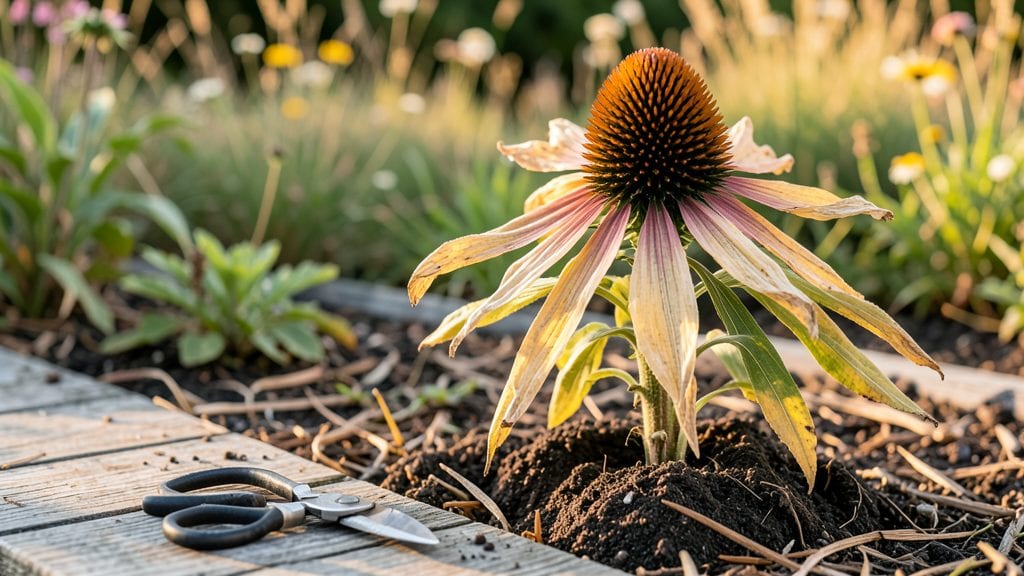
Wondering what to do with wildflowers at the end of season when they fade but refuse to leave your garden? fall or early winter before frost sets in, and you’ll turn what seems like cleanup into a creative harvest.
Start by deadheading spent blooms to redirect energy into roots, then bundle stems for drying. Save seeds from favorite varieties by letting them mature fully on the plant before collecting. For remedies, crushed petals make natural face masks or soothing teas—just ensure they’re pesticide-free first.
You’ll end up with fragrant dried bouquets, a stash of seeds for next season’s garden, and even homemade skincare. The best part? Every step saves money and reduces waste while keeping your garden thriving between seasons.
Works for any climate—just adjust timing for early frosts or humid summers. Here’s how to make the most of your wildflower windfall before winter sets in.
📚 In This Guide
- What you need
- Instructions
- Tips and common mistakes
- Wrapping up and next steps
What you need
- ● Wildflowers: Harvest healthy, fully bloomed flowers (avoid weeds or invasive species). Aim for 10–20 stems per arrangement or 1–2 pounds for seed collection.
- ● Scissors or pruners: Sharp, clean pair to snip stems at a 45-degree angle (1–2 inches long).
- ● Newspaper or paper towels: 2–3 sheets for drying flowers (absorbent and acid-free).
- ● Brown paper bags or kraft paper: 1–2 bags (perforated or open at the top) for seed heads.
- ● Rubbing alcohol (70% isopropyl) and cotton swabs: For sterilizing tools and removing sap/sticky residues.
- ● Mason jars or glass containers: 2–4 jars (8–12 oz) with airtight lids for seed storage.
- ● Air-dry adhesive or floral tape: 1 roll to secure stems in arrangements.
- ○ Dried flower food (optional):strong> 1 packet to extend vase life (contains boric acid, sugar, and bleach).
- ● Mortar and pestle: For crushing dried flowers into powders (e.g., chamomile tea or lavender sachets).
- ● Cheesecloth or fine mesh strainer: To strain flower-infused oils or teas.
- ● Glass jars with lids: 2–3 jars (4–8 oz) for storing infused oils or tinctures.
- ● Carrier oil (e.g., olive, coconut, or jojoba): 8–16 oz for making floral-infused oils.
- ● Vodka or high-proof alcohol (180+ proof): 8–16 oz for tinctures (use 1 part flowers to 5 parts alcohol).
- ● Drying screen or wire rack: Elevates flowers off surfaces to prevent mold (great for bulk drying!).
- ● Silica gel packets: 1–2 packets for speed-drying delicate blooms (like baby’s breath) in 24 hours.
- ● Labeling supplies: Masking tape + markers to label seeds by variety/year.
- ● Essential oil diffuser: To enjoy the scent of dried flowers year-round!
Step-by-Step guide for preserving wildflowers at season's end
Turn your garden's late-season blooms into lasting treasures with these simple preservation methods.
🌱 Step 1: Harvest Flowers at Peak Freshness
Pick wildflowers in the early morning when dew is still on the petals. Choose stems with fully opened blooms but still firm petals—this ensures they'll hold their shape during drying. Use clean, sharp scissors or pruners to cut stems at a 45-degree angle about 2-3 inches below the flower head. This angle increases water uptake when arranging later.
Here's the thing—don't overcrowd your stems. Space them out in a bucket of lukewarm water (around 70°F) immediately after cutting. This prevents wilting and keeps stems hydrated until you're ready to process them. If you're working with delicate flowers like baby's breath or Queen Anne's lace, handle them gently to avoid damaging petals.
💧 Step 2: Choose Your Preservation Method
For dried arrangements, bundle 5-10 stems together with twine or rubber bands, then hang upside down in a dark, dry, well-ventilated space. A closet with a small fan works perfectly—this creates gentle airflow that speeds drying without damaging petals. You'll know they're ready in 2-3 weeks when stems snap easily when bent.
For seed saving, let some flowers stay on the plant until they fully mature and turn brown. Once seeds are dry and easy to remove, place them in a paper envelope and label with the plant name and date. Store in a cool, dark place where they'll stay viable for 1-3 years. Real talk: don't rush this step—green seeds won't store properly and may mold.
✂️ Step 3: Create Homemade Remedies or Crafts
For homemade remedies, gather flowers like calendula, chamomile, or yarrow that have natural healing properties. Dry them thoroughly, then crush the petals in a mortar and pestle. Store in a glass jar for herbal salves or tea blends. I like to make a simple infused oil by combining dried petals with olive oil and letting it sit in sunlight for 2 weeks—strain and use for skin treatments or massage oil.
To make wreaths or pressed flowers, lay individual blooms between sheets of absorbent paper (like coffee filters) and place heavy books on top. Check them in 1-2 weeks—they're ready when edges are crisp and no moisture remains. For wreaths, arrange dried stems in a circular pattern on a grapevine base and secure with floral wire. This method preserves their natural beauty while creating something truly unique.
☀️ Step 4: Store or Display Your Preserved Flowers
Keep dried arrangements in a cool, dark place to maintain their color and prevent fading. If you notice any signs of moisture or mold after storage, spread them out to dry completely in sunlight for 1-2 hours. This is especially important for flowers with thick petals like coneflowers or black-eyed Susans.
For seed packets, keep them in an airtight container with a silica gel packet to absorb any lingering moisture. Label each with the plant name and year—this helps you track germination rates over time. I also like to include a small note about growing conditions (sun exposure, soil type) so I remember how to cultivate them next season.
Tips & tricks for preserving wildflowers at season's end
Here's what I've learned from years of experimenting with wildflower preservation—these details make all the difference between fragile blooms and lasting treasures.
Timing is Everything: When harvesting in Step 1, aim for that early morning dew—it signals peak freshness. If you must harvest later in the day, work quickly and immediately place stems in lukewarm water (around 70°F) to prevent wilting. I've found that flowers harvested after noon often lose their vibrant colors faster during drying, no matter how carefully you handle them.
The Drying Secret: For Step 2's dried arrangements, focus on airflow rather than just time. While the instructions mention 2-3 weeks, I've discovered that adding a small fan near your hanging bundles can cut that time to 10-14 days without damaging delicate petals. Just position it to create gentle movement—not direct airflow that could scatter small blooms.
Seed Saving Insight: In Step 2's seed saving method, patience truly is a virtue. I learned the hard way that green seeds won't store properly—they need to be completely dry and brown before packaging. For flowers like milkweed or coneflowers, I wait until the seed pods actually begin to split open naturally, then collect the seeds. This ensures maximum viability for your 1-3 year storage period.
Remedy Preservation: When creating homemade remedies in Step 3, always use glass containers for storage. I've had better luck with infused oils when I strain them through a fine-mesh sieve after the 2-week sunlight exposure. This removes all plant particles, preventing any potential mold growth in your final product. For herbal salves, I add a drop of vitamin E oil as a natural preservative—it extends shelf life by several months.
Pro Tips for What To Do With Wildflowers At End Of Season
- Here's what I've learned from years of experimenting with wildflower preservation—these details make all the difference between fragile blooms and lasting treasures.
- Timing is Everything: When harvesting in Step 1, aim for that early morning dew—it signals peak freshness.
- The Drying Secret: For Step 2's dried arrangements, focus on airflow rather than just time.
Frequently asked questions
When is the best time to harvest wildflowers for drying?
The ideal time is when blooms are fully open but before they start wilting—usually mid-morning after dew has dried. Harvest on a dry day to prevent mold. For seed saving, wait until seed pods turn brown and begin cracking open naturally. Pro tip: Use sharp scissors or pruners to avoid damaging stems!
How long does it take for wildflowers to dry completely?
Drying time varies by flower type and method. Air-drying (hanging upside down) takes 1–3 weeks, while silica gel or microwave methods speed it up to 1–3 days. Test dryness by gently tugging a petal—if it resists, it’s ready! Store in a cool, dark place to preserve color and texture.
Can I replant wildflower seeds from my garden?
Yes! Collect seeds from healthy, non-hybridized wildflowers (avoid treated lawns or roadsides). Clean seeds by removing debris, then store them in a paper envelope in a dry place. Plant in early spring or fall for best germination. Note: Some wildflowers self-seed naturally—just leave a few stems standing!
What should I do if my dried flowers attract pests?
Pests like moths or mites are drawn to dried flowers, especially in humid conditions. Store arrangements in airtight containers with silica gel packets or cedar blocks to deter them. Freeze flowers for 48 hours before storing to kill eggs or larvae. Quick fix: Spritz with diluted neem oil if pests appear.
Are there creative alternatives if my flowers won’t dry well?
If flowers wilt or lose color, try these ideas:
- Pressed flowers: Use heavy books or a flower press for flat, long-lasting keepsakes.
- Potpourri: Mix dried petals with essential oils and dried citrus for a fragrant blend.
- Homemade remedies: Infuse flowers in oil or vinegar for natural teas, salves, or cleaning solutions.
Wrapping up and next steps
Wildflowers don’t have to fade away—with a little creativity, their beauty and benefits can last well beyond the season! Whether you’re drying them for arrangements, saving seeds for next year, or crafting natural remedies, each step turns seasonal blooms into lasting treasures. 🌸
Ready to give it a try? Start small—pick one method that excites you and turn your garden’s leftover flowers into something meaningful. Your future self (and maybe even your home’s decor!) will thank you.
What’s your favorite way to preserve wildflowers? Share your tips in the comments—we’d love to see your creations!